Top 9 Mountain Passes around Castrillo De Cabrera
Best mountain passes around Castrillo De Cabrera are found within the mountainous Sierra de la Cabrera region of León, Spain. This area is characterized by ancient pathways, including 110 kilometers of Roman tracks known as Carriles Romanos, which served the gold mines of Las Médulas. The region also features the Valle de Caprada, a natural area with hiking trails and peaks like Cabeza de Yegua. While Castrillo De Cabrera offers historical routes, the broader León province provides diverse mountain pass…
Last updated: June 26, 2026
El Morredero Pass
Highlight • Mountain Pass
Translated by Google •
Tip by

Pico Tuerto (2,051 m)
Highlight • Summit
Translated by Google •
Tip by

Sign up now to discover places like this
Get recommendations on the best single tracks, peaks, & plenty of other exciting outdoor places.
Sign up for free
Puerto de Fonte da Cova from La Baña – CIMA LE12
Highlight (Segment) • Mountain Pass
Translated by Google •
Tip by
View of Los Doce Apóstoles
Highlight • Natural Monument
Translated by Google •
Tip by

Collado de la Silla de la Yegua
Highlight • Mountain Pass
Translated by Google •
Tip by
Sign up for free to discover even more mountain passes around Castrillo De Cabrera.
Sign up for free
Already have an account?
Start today with a free account
Your next adventure awaits.
Login or Signup
Popular around Castrillo De Cabrera
Tips from the Community

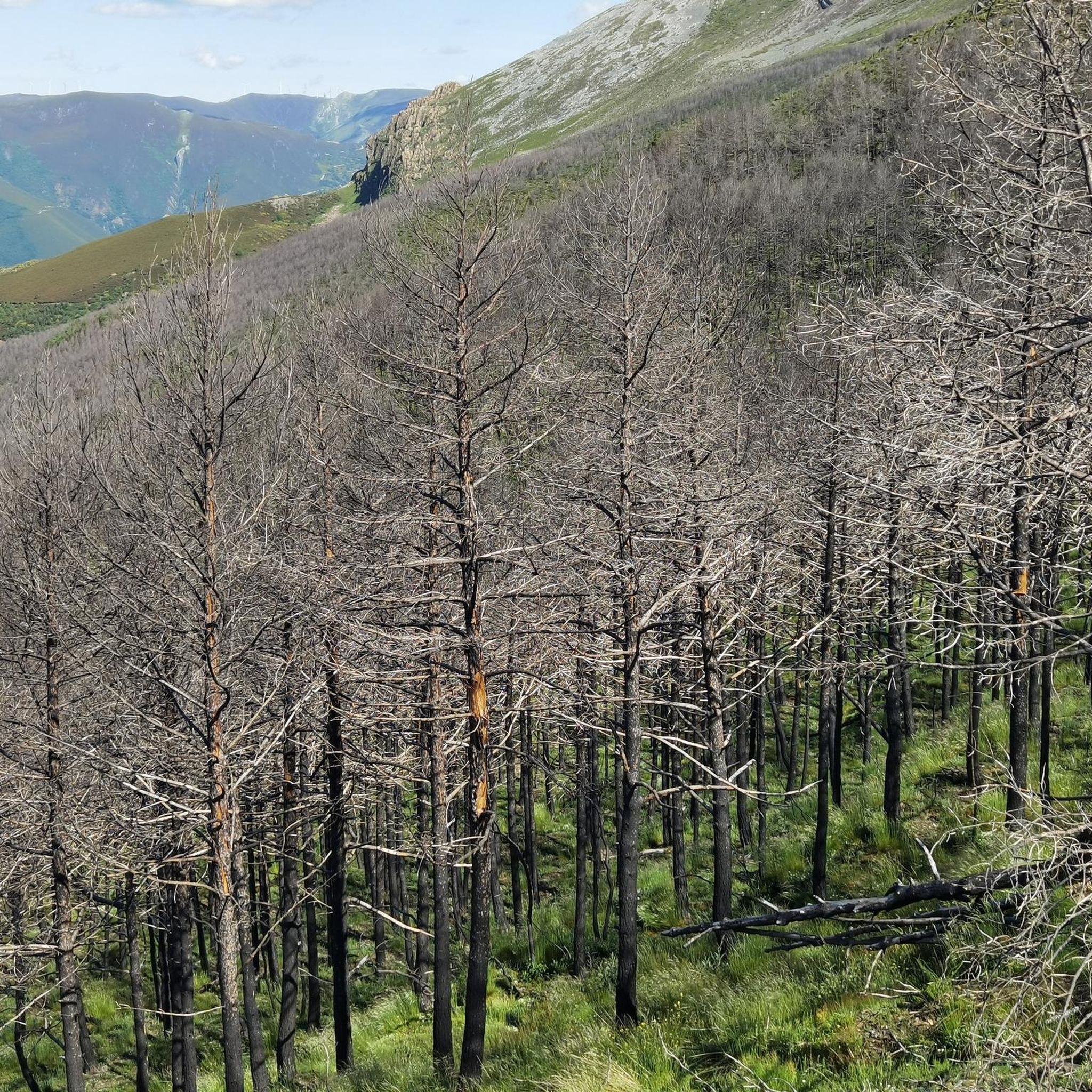
Pico Tuerto is a mountain located in the Montes Aquilianos, in the Bierzo region, offering spectacular views of the region, including Peñalba de Santiago and Ponferrada. It is a popular hiking destination, and one of the most popular routes begins at the Los Portillinos mountain pass. From there, you can ascend past other peaks such as Cabeza de la Yegua and Pico Morredero.
6
0

Long and hard climb. I recommend going up the Peñalba slope, the approach and the passage through the village are very pretty. One of the most beautiful in Spain.
0
0
If you decide to explore this route, you will be surrounded by nature and stunning views. Enjoy your hike! 🏞️🚶♂️🥾🚵🌞
1
0
If you decide to explore this route, you will be surrounded by nature and stunning views. Enjoy your hike! 🏞️🚶♂️🥾🚵🌞
1
0

View of the jagged edge of the mountain called 'the twelve apostles' in this magical place in the heart of the El Valle del Silencio nature reserve. The walk continues towards the top of Aquina or Guayana at 1846 meters of altitude. Make sure you have a warm set of clothes as the weather can change in seconds.
2
0
The 13.87 km climb to Puerto del Morredero (Alto de Cruz) from Valdefrancos is very hard due to its length, gaining 854 m at an average 5.9% and reaching a height of 1,451 m above sea level. Go at your pace.
0
0
A tough climb of 8.78 km to the Col de Fonte de Cova from La Baña. Reaching 1,814m above sea level, it offers spectacular views of the Tervinca peak in Galicia. Gaining almost 700m in altitude with an average of 7.8% is a tough climb, so be prepared. The climb ends at the border between León and Galicia. Get ready for a big descent.
2
0

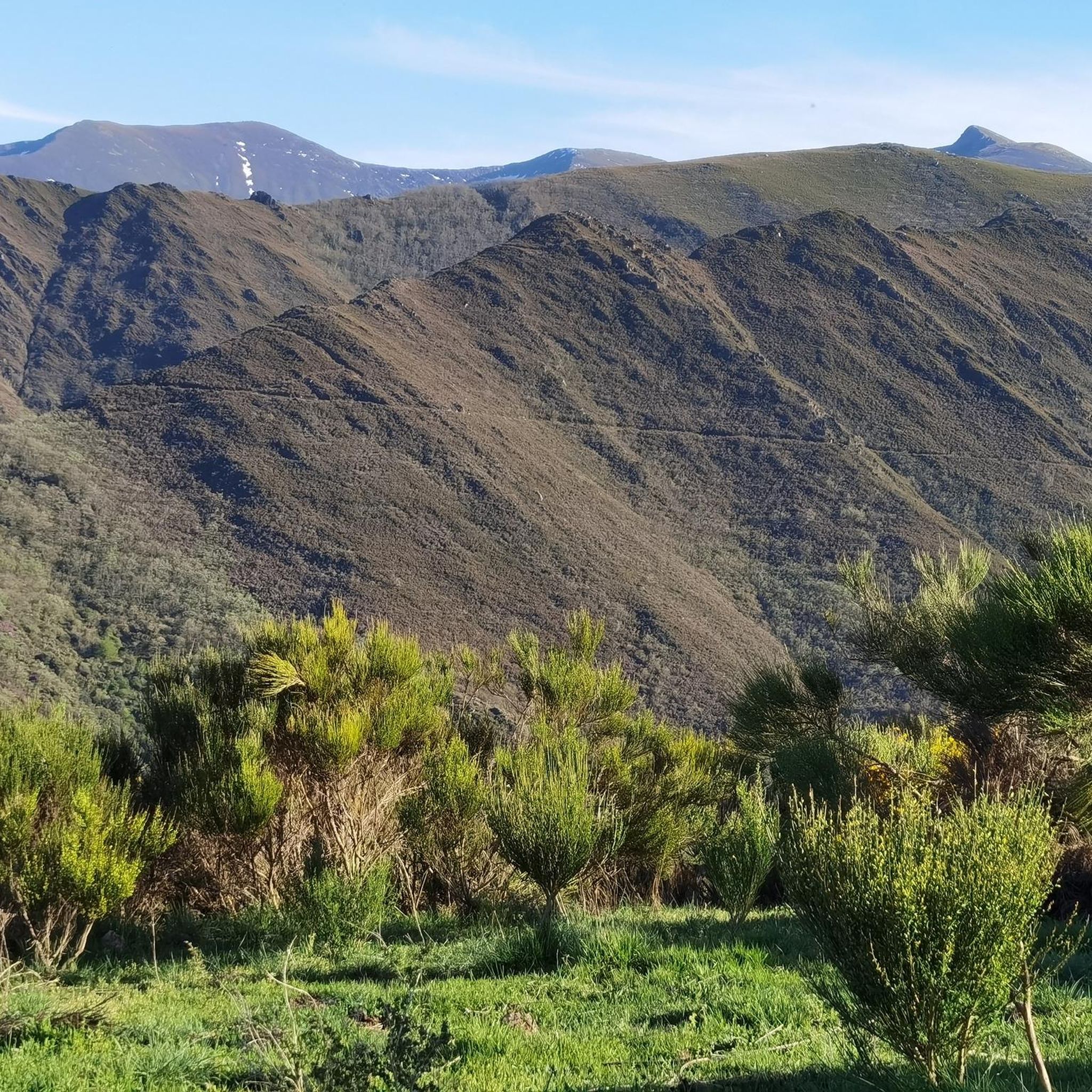
Beautiful path that we find at the Silla de la Yegua pass with fantastic views of Alto de las Berdiaínas and Cabeza de la Yegua.
4
0
Frequently Asked Questions
What are the most notable mountain passes and routes in the Castrillo De Cabrera region?
Within Castrillo de Cabrera, you can explore the ancient Carriles Romanos, a network of 110 kilometers of Roman tracks that served the gold mines of Las Médulas, offering historical hiking routes. For more traditional mountain pass experiences in the broader León province, consider El Morredero Pass, known for its challenging cycling ascent and panoramic views, or Puerto de Fonte da Cova, offering tough climbs and spectacular vistas.
Are there historical sites or ancient routes to explore in Castrillo De Cabrera?
Yes, Castrillo de Cabrera is rich in history, particularly with its Carriles Romanos. These ancient Roman tracks, some featuring 'grandes cortes' (large cuts), traverse the slopes of the municipality and are part of a larger network of Roman-era canals. The Canal de Llamas de Cabrera offers a 1 km walkable section with preserved Roman inscriptions and masonry walls, allowing visitors to explore Roman engineering marvels.
What kind of natural features can I expect to see around Castrillo De Cabrera's mountain passes?
The region offers diverse natural beauty. The Valle de Caprada within Castrillo de Cabrera features unique flora and fauna and is surrounded by peaks like Cabeza de Yegua. In the surrounding province, passes like Puerto de Tarna are gateways to areas with diverse wildlife, including brown bears and deer, within the Redes Natural Park. Panderrueda Pass in the Picos de Europa National Park boasts impressive panoramic views of the western and central massifs and beautiful beech woods.
What outdoor activities are popular near the mountain passes of Castrillo De Cabrera?
The area is excellent for various outdoor activities. You can find numerous hiking trails, including those around the Valle de Caprada and the historical Carriles Romanos. For cyclists, challenging ascents like El Morredero Pass and La Cubilla Pass are popular, with some even being stages of the Vuelta a España. The Picos de Europa National Park, accessible via Panderrueda Pass, is also a prime location for hiking amidst rich fauna and flora.
Are there any challenging cycling routes or climbs in the region?
Absolutely. The region is renowned for its challenging cycling climbs. El Morredero Pass is particularly famous for its demanding ascent, having been a stage finish in the Vuelta a España. Another significant climb is La Cubilla Pass, often nicknamed the 'Asturian Tourmalet' due to its long and sustained climb and spectacular scenery. You can find more challenging routes in the Road Cycling Routes around Castrillo De Cabrera guide.
Where can I find the best panoramic views of the region?
For breathtaking panoramic views, consider visiting Pico Tuerto (2,051 m), which offers spectacular vistas of Peñalba de Santiago, Ponferrada, and the Valle del Silencio. Panderrueda Pass in the Picos de Europa National Park also provides impressive views of the western and central massifs and the beautiful Valdeón Valley. Additionally, Ventana Pass offers stunning views of the San Emiliano Valley (Babia de Yuso).
What do visitors enjoy most about the mountain passes around Castrillo De Cabrera?
Visitors frequently praise the challenging nature of the climbs, especially for cycling, and the rewarding panoramic views from the summits. The historical significance of the Roman tracks and the unique natural landscapes, including curious rocky outcrops like the View of Los Doce Apóstoles, are also highly appreciated. Many enjoy the sense of accomplishment after a tough ascent and the tranquility of the natural surroundings.
Are there any mountain passes suitable for hiking in the Picos de Europa National Park near Castrillo De Cabrera?
Yes, Panderrueda Pass, located within the Picos de Europa National Park, is an excellent choice for hikers. It offers impressive panoramic views of the western and central massifs of the Picos de Europa and the beautiful Valdeón Valley. It's a great spot for hiking amidst rich fauna and flora, including beech woods, and is known for spotting tracks of various wildlife.
What is the best time of year to visit the mountain passes in this region?
The best time to visit the mountain passes around Castrillo de Cabrera generally depends on your activity. For hiking and cycling, late spring (May-June) and early autumn (September-October) offer pleasant temperatures and vibrant scenery. Summers can be warm but are also popular. Winters can bring snow and challenging conditions, especially at higher altitudes, making some passes less accessible or requiring specialized gear, though the El Morredero ski resort operates during this time.
Are there any family-friendly mountain walks or easy routes available?
While many passes offer challenging routes, the historical Carriles Romanos within Castrillo de Cabrera can provide more accessible walking experiences, particularly the 1 km walkable section of the Canal de Llamas de Cabrera. For easier hiking, look for routes within the Valle de Caprada. Always check the difficulty ratings of specific trails, such as those listed in the Hiking around Castrillo De Cabrera guide, to find options suitable for all family members.
Can I find trails that connect different peaks or viewpoints?
Yes, many trails in the region connect various peaks and viewpoints. For instance, the route to Pico Tuerto often begins at the Los Portillinos mountain pass and can ascend past other peaks like Cabeza de la Yegua and Pico Morredero. The Collado de la Silla de la Yegua also offers a beautiful path with fantastic views of Alto de las Berdiaínas and Cabeza de la Yegua, providing a connected experience of the mountainous landscape.
What wildlife can be observed near the mountain passes?
The natural areas surrounding the mountain passes are home to diverse wildlife. Puerto de Tarna, for example, is a gateway to the Redes Natural Park, known for its rich fauna including brown bears, capercaillie, deer, wild boar, and various bird species. Panderrueda Pass in the Picos de Europa National Park is also a rich path for spotting tracks of foxes, roe deer, and numerous birds, especially within its beech woods.
Most popular routes around Castrillo De Cabrera
Most popular attractions around Castrillo De Cabrera

Get inspired with the komoot mobile app


Explore more
See even more epic mountain passes by checking out these guides around Castrillo De Cabrera:
