The best walks and hikes around Alhendín
4.6
(3352)
15,903
hikers
443
hikes
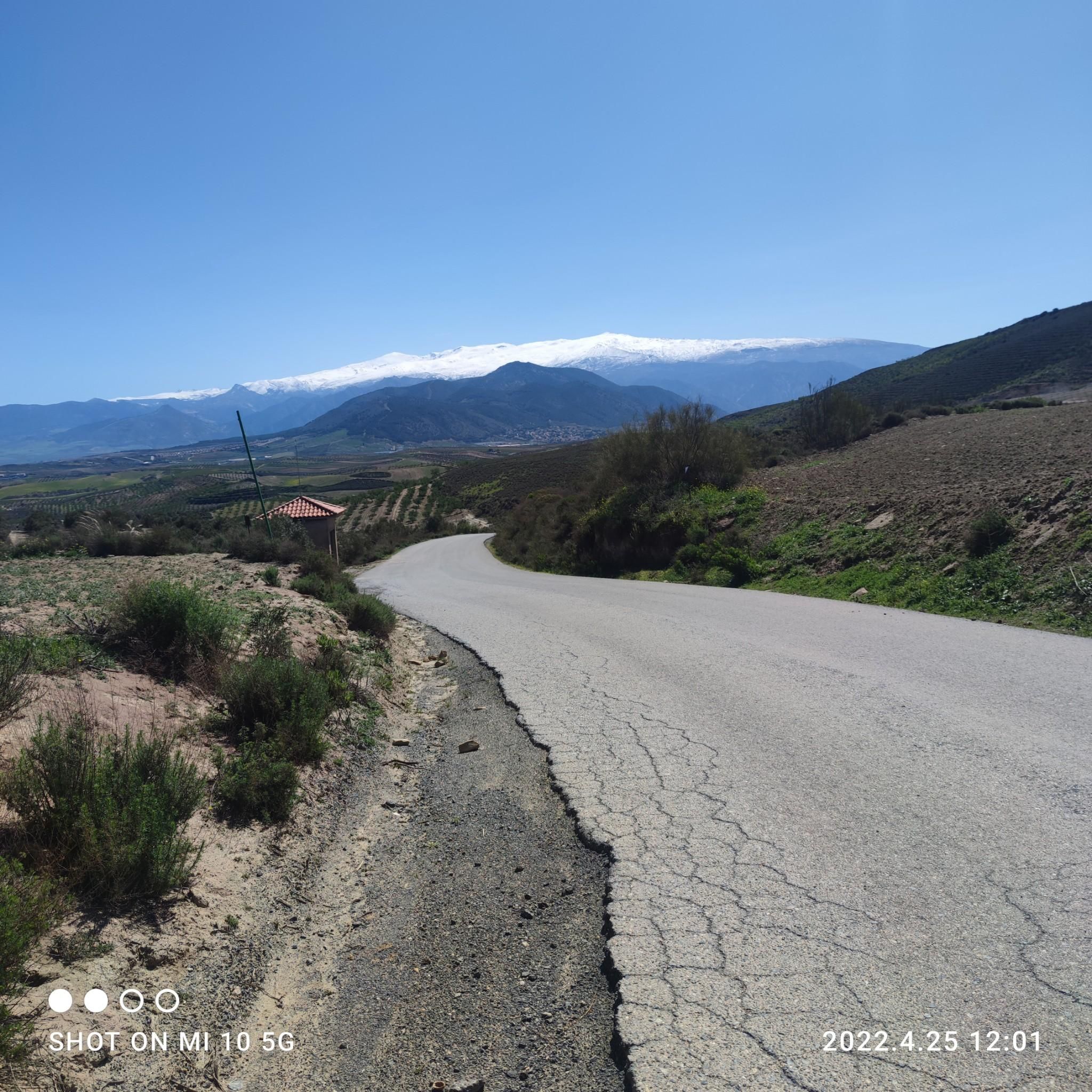
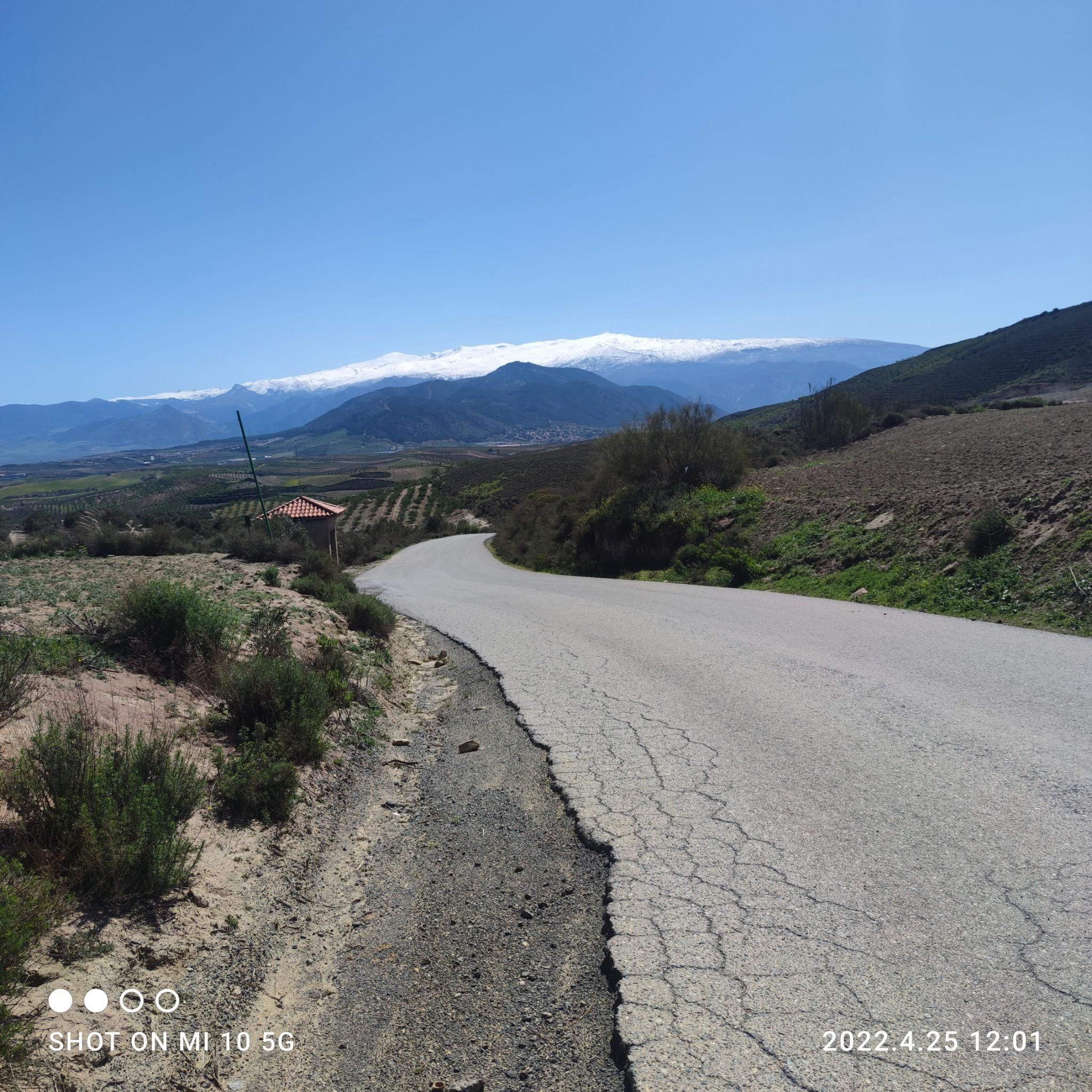
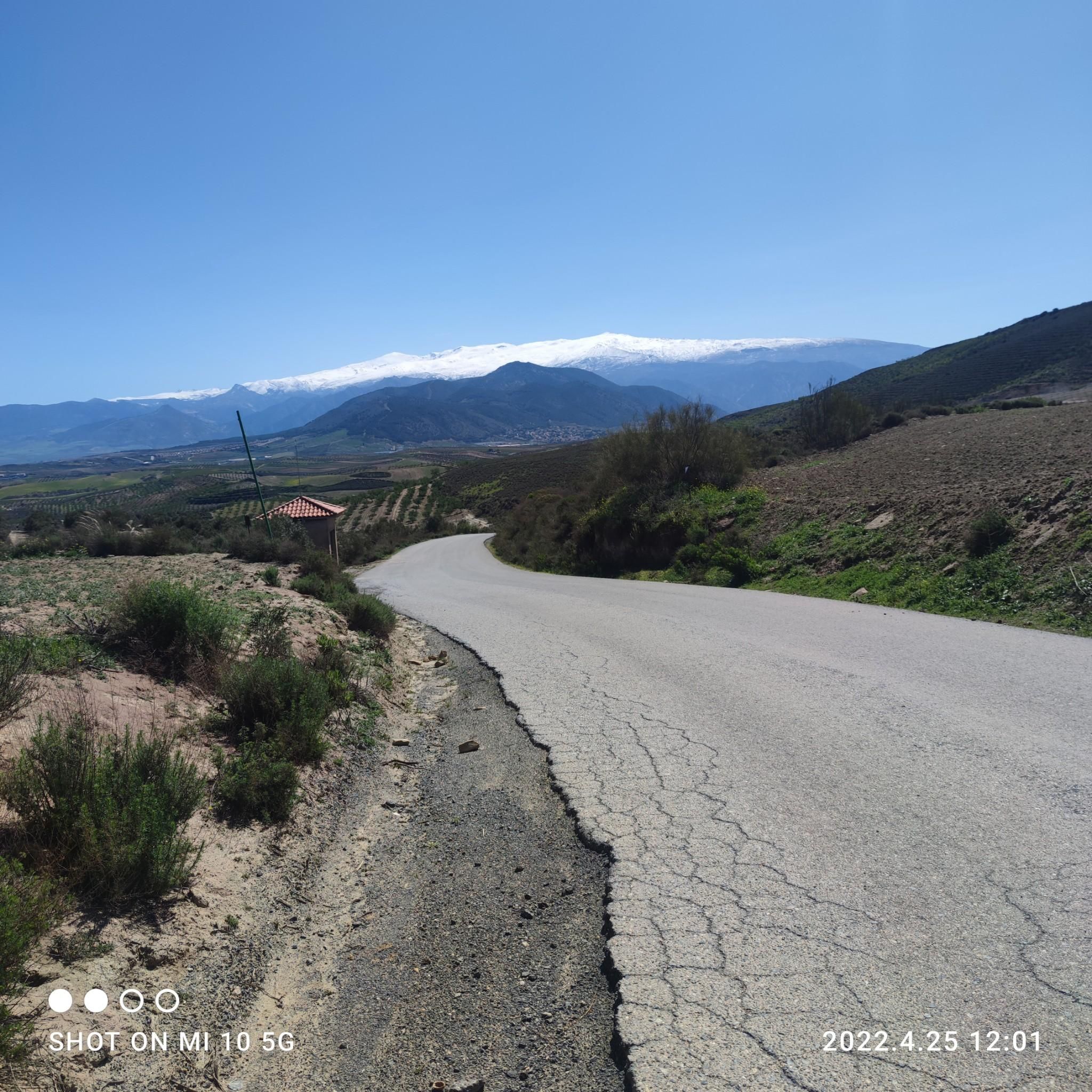
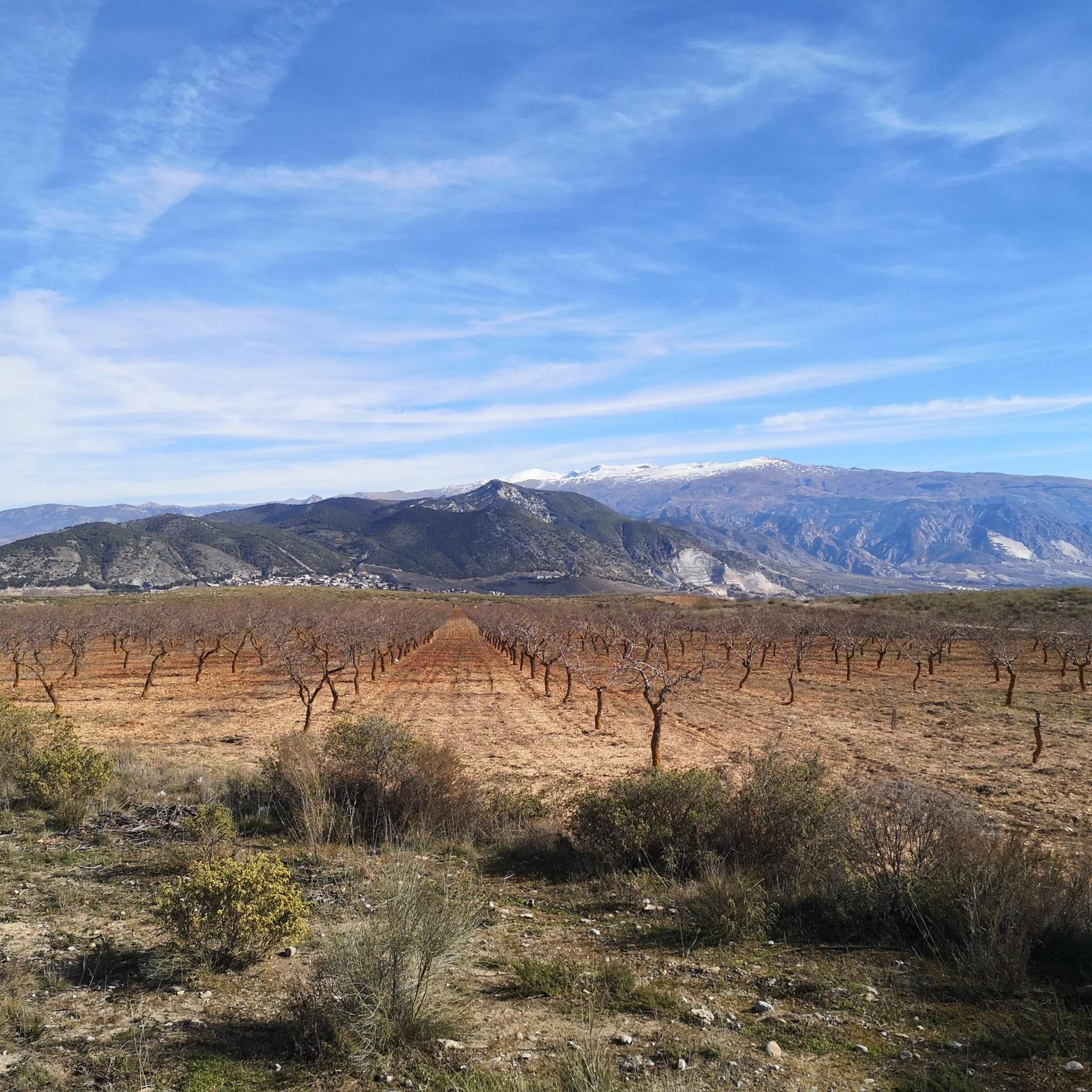
Hiking around Alhendín offers diverse natural landscapes, from the fertile plains of the Vega de Granada to the varied environments shaped by the Tarajal stream and River Dívar. The region features Mediterranean forests, arid landscapes with crops, and the prominent Montevives hill, reaching elevations up to 970 meters. This area provides accessible routes and serves as a base for exploring the wider Granada province.
Best hiking trails around Alhendín
- The most popular hiking route is Elephant Rock loop from Armilla…
Last updated: July 4, 2026
5.0
(1)
27
hikers
13.6km
03:32
80m
80m
Moderate hike. Good fitness required. Easily-accessible paths. Suitable for all skill levels.
3.5
(2)
25
hikers
15.2km
03:54
70m
70m
Moderate hike. Good fitness required. Easily-accessible paths. Suitable for all skill levels.

Sign up for free
18
hikers
Moderate hike. Good fitness required. Easily-accessible paths. Suitable for all skill levels.
22
hikers
7.07km
01:50
40m
40m
Easy hike. Great for any fitness level. Easily-accessible paths. Suitable for all skill levels.
14
hikers
13.9km
04:19
540m
540m
Moderate hike. Good fitness required. Easily-accessible paths. Suitable for all skill levels.
Get access to more routes and recommendations from other explorers.
Sign up for free
Already have an account?
Our route recommendations are based on thousands of hikes, rides, and runs completed by other people on komoot.
Start today with a free account
Your next adventure awaits.
Login or Signup
Tips from the Community

The Royal Chapel is located in the heart of the historic center, next to the Cathedral, on Calle Oficios. It is the mausoleum of the Catholic Monarchs, Isabella I of Castile and Ferdinand II of Aragon, as well as their daughter Joanna I and her husband Philip the Handsome. Infante Miguel de la Paz is also buried here.
12
1
Construction of the Cathedral began in 1523 under an initial Gothic design led by Enrique Egas. In 1528, Diego de Siloé took over and transformed the project into a grand Renaissance masterpiece, making it one of the most important cathedrals of the Spanish Renaissance. Construction continued into the 18th century, and its Baroque façade was designed by Alonso Cano in 1667. It is the first great Renaissance cathedral in Spain and a masterpiece of Spanish art.
12
1

The Royal Chapel of Granada was commissioned by the Catholic Monarchs in the early 16th century and chosen as their personal pantheon. Beneath its vaults rest Isabella and Ferdinand, along with Joanna the Mad and Philip the Handsome. Above are the tombs of Isabella and Ferdinand, carved in Carrara marble. Below, you can descend to the crypt to see their coffins. Tickets can be purchased for entry to the Royal Chapel only or a combined ticket that also includes admission to the cathedral: https://ticketsgranadacristiana.com/?utm_source=chatgpt.com
2
1
The Cumbres Verdes trails, in La Zubia (La Vega de Granada), are one of the most popular areas for hiking near Granada, within the Sierra Nevada Natural Park.
2
0

The sculpture "El Instante Preciso" (The Precise Moment) rises above the center of the attic of the main façade of Granada's City Hall. The work was commissioned to commemorate the 500th anniversary of the city's founding. The horse rides on three legs resting on three golden spheres, its tail flapping in the wind. A naked, blindfolded rider sits on its rump, holding the reins in its left hand and a fourth golden sphere in its right. The work, made of patinated and polished bronze, is the brainchild of the Tarifa artist Guillermo Pérez Villalta. According to its creator, it represents happiness, a triumphant, perfect, and balanced moment; but also the fleeting moment we only perceive once it is over and the blindfold is removed.
1
0
Constructed predominantly in the Neo-Mudéjar style, the building draws heavily on Granada's Islamic heritage, with intricate patterns, geometric motifs, and arabesque details reminiscent of the splendor of the Alhambra and other Moorish landmarks. This deliberate homage to the city's Islamic past underscores its continuing influence on Granada's identity and aesthetic traditions.
1
0
Granada Cathedral is considered a jewel of the Spanish Renaissance and a must-see in the city. Unique architecture: a fusion of Gothic and Renaissance styles, with contributions from Diego de Siloé and Alonso Cano. Highlights include the Porte del Perdón (Forgiveness Portal), the Main Chapel, and the Plateresque choir stalls.
12
1

Frequently Asked Questions
How many hiking trails are available around Alhendín?
Alhendín offers a wide variety of hiking experiences, with over 440 routes available. These trails cater to different preferences, ranging from easy strolls to more challenging excursions through diverse landscapes.
What are the different difficulty levels for hiking trails in Alhendín?
The hiking trails around Alhendín are categorized into three main difficulty levels: there are over 180 easy routes, more than 220 moderate trails, and around 40 difficult paths. This variety ensures options for hikers of all experience levels.
Are there family-friendly hiking options in Alhendín?
Yes, Alhendín is well-suited for family outings. Many local routes, such as those promoted by the "Conoce tu pueblo" program, are designed to be easy and short, perfect for exploring the natural and cultural heritage with children. These trails often showcase river ecosystems and local flora.
Can I bring my dog on the hiking trails in Alhendín?
While specific regulations can vary, many natural areas around Alhendín are generally dog-friendly, especially on trails where dogs are kept on a leash. It's always recommended to check local signage or specific route details for any restrictions before heading out with your pet.
Are there circular hiking routes available in Alhendín?
Yes, Alhendín features numerous circular hiking routes, allowing you to start and end your journey in the same location. An example is the Elephant Rock loop from Campus, which offers a moderate 14.9 km (9.3 miles) experience.
What natural features or landmarks can I expect to see on hikes around Alhendín?
Hiking around Alhendín offers diverse scenery. You can explore the fertile plains of the Vega de Granada with its lush poplar trees, follow the meandering Tarajal stream, or discover the more arid landscapes near the River Dívar. The prominent Montevives hill, reaching up to 970 meters, provides beautiful views and is home to a semi-artificial Roman-era cave. You might also encounter unique rock formations like the one on the Elephant Rock loop from Armilla.
What kind of terrain will I encounter on Alhendín's hiking trails?
The terrain around Alhendín is quite varied. You'll find flat, irrigated plains in the Vega de Granada, forested areas near the Sierra de la Pera, and more rugged, arid landscapes along the River Dívar. Trails can range from well-maintained paths to more natural, unpaved tracks, especially as you ascend towards Montevives.
What do other hikers enjoy the most about hiking in Alhendín?
The hiking experiences around Alhendín are highly rated by the komoot community, with an average score of 4.6 stars from over 3,200 reviews. Hikers often praise the diverse natural landscapes, the accessibility of routes, and the blend of local charm with proximity to broader Granada attractions.
Are there any interesting caves or lakes to visit near Alhendín?
Yes, the region around Alhendín is rich in natural attractions. For caves, you can explore the Sacromonte Caves Museum or the Cave of the Dove. Regarding lakes, highlights include El Padul and the Laguna de Padul Bird Observatory, offering opportunities for wildlife observation.
Are there routes that offer views of Granada's historic landmarks?
Yes, some trails provide excellent vantage points towards Granada. For instance, the Plaza Nueva, Granada – Carrera del Darro loop from Armilla is a moderate 12.7 km (7.9 miles) path that offers views towards the city's historic landmarks, blending natural beauty with cultural sights.
What is the best time of year for hiking in Alhendín?
Alhendín's Mediterranean climate makes spring and autumn ideal for hiking, with pleasant temperatures and vibrant landscapes. Winter can also be suitable, especially for lower-altitude trails, while summer might be very hot, making early morning or late afternoon hikes preferable.
Are there any easy routes suitable for beginners?
Absolutely. Alhendín offers a good selection of easy routes perfect for beginners or those looking for a relaxed walk. An example is the Bib-Rambla Square – Roman Bridge loop from Armilla, an easy 6.9 km (4.3 miles) trail.
Most popular attractions around Alhendín

Get inspired with the komoot mobile app


Explore more
Browse the best Hikes in other regions.
