The best cycling routes around Fuente De Pedro Naharro
3.0
(1)
47
riders
24
rides
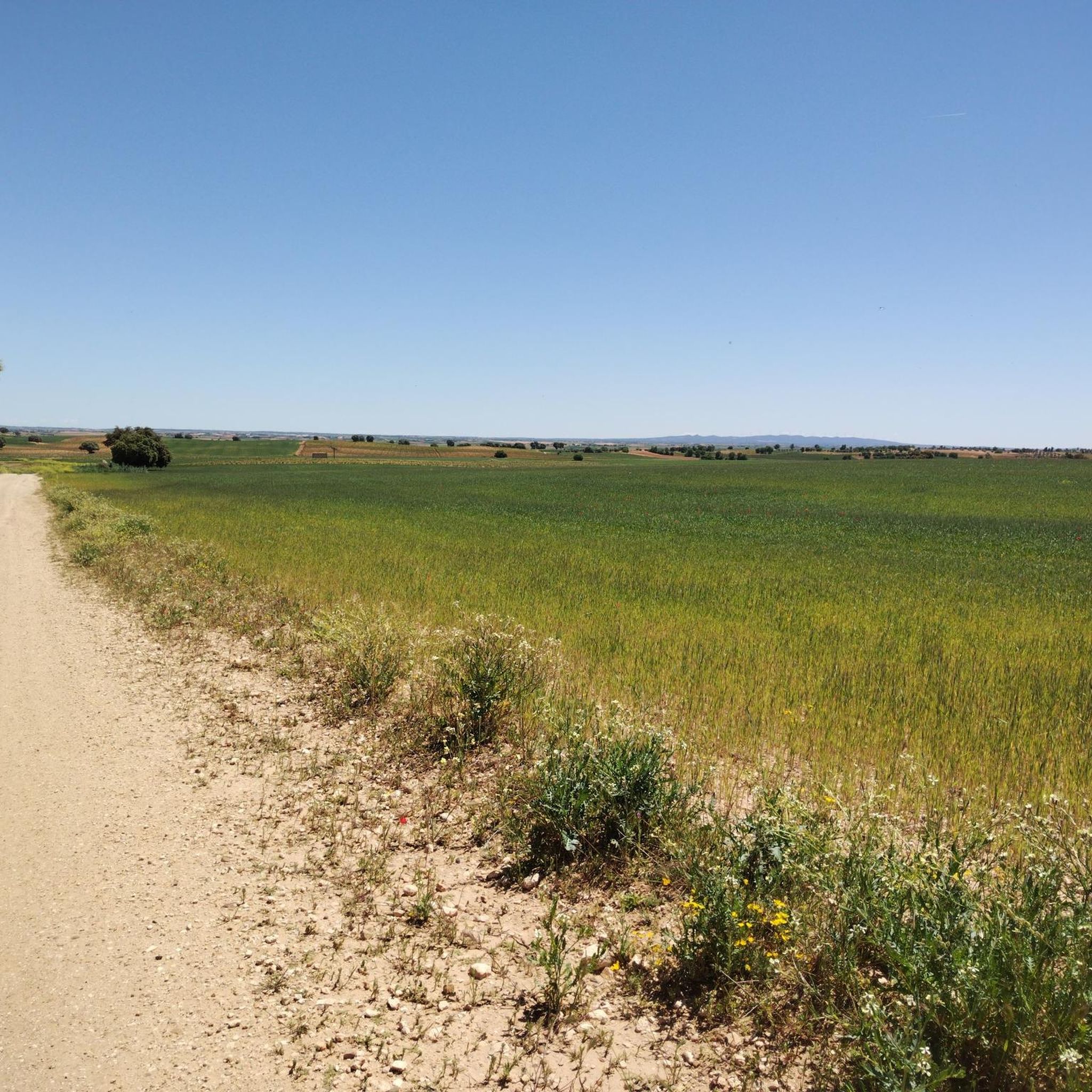
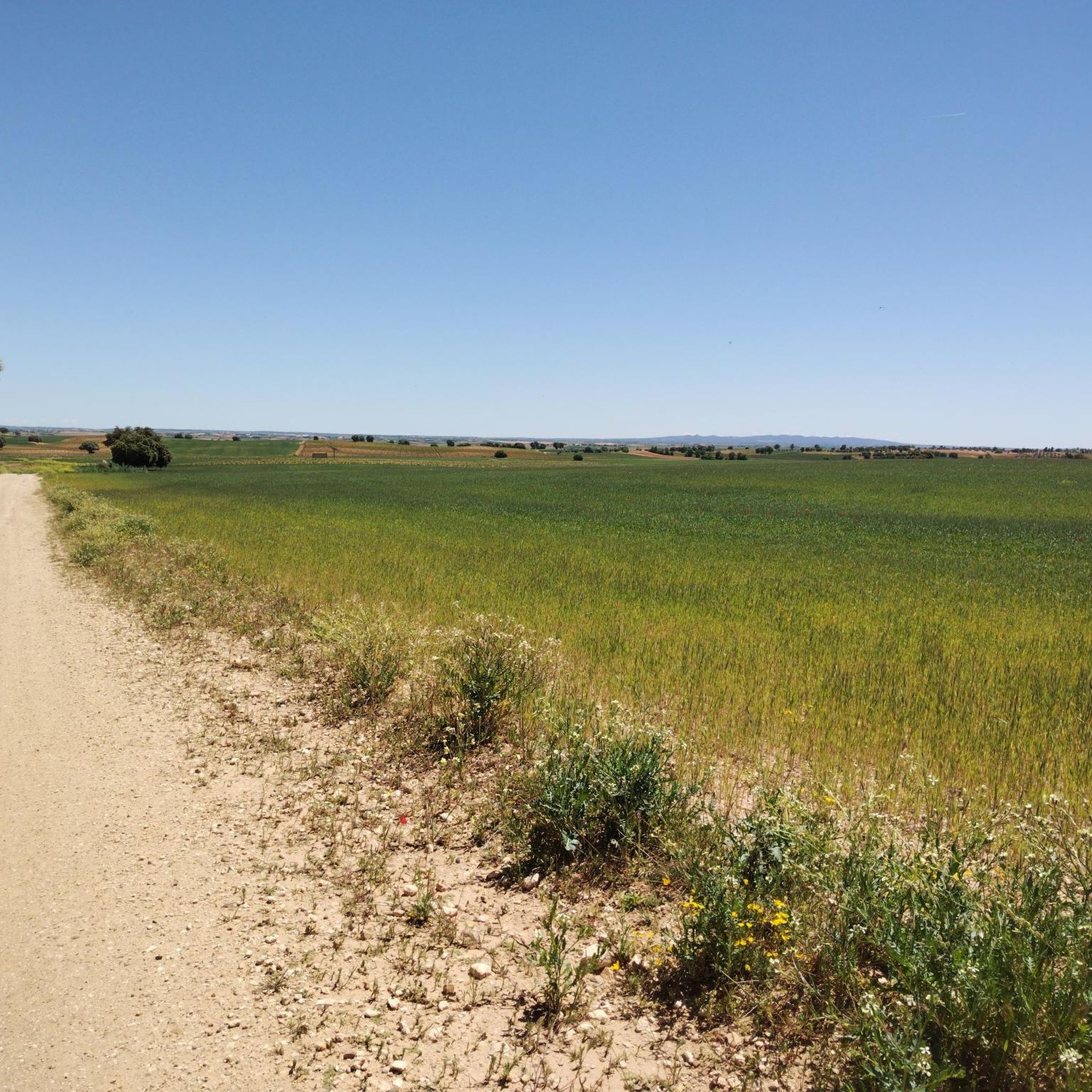
Touring cycling around Fuente De Pedro Naharro offers routes through the "La Mancha conquense" region of Spain, characterized by fields of vineyards and olive groves. The area features tranquil pathways along the Río Riansares and the Arroyo de la Cañada del Tóbar. The broader Cuenca province provides diverse landscapes for cyclists. This region is well-suited for various cycling styles, including road cycling and gravel biking.
Best touring cycling routes around Fuente De Pedro Naharro
- The most popular touring cycling route…
Last updated: June 27, 2026
3
riders
39.5km
02:31
350m
350m
Moderate bike ride. Good fitness required. Mostly paved surfaces. Suitable for all skill levels.
Hard bike ride. Very good fitness required. Mostly paved surfaces. Suitable for all skill levels.

Sign up for free
1
riders
41.4km
03:02
530m
530m
This difficult 25.7-mile touring cycling route from Tarancón offers challenging terrain and scenic views through the Serranía de Cuenca.
52.1km
03:05
320m
320m
Moderate bike ride. Good fitness required. Mostly paved surfaces. Suitable for all skill levels.
8
riders
36.3km
03:36
600m
600m
Hard bike ride. Very good fitness required. Mostly paved surfaces. Suitable for all skill levels.
Get access to more routes and recommendations from other explorers.
Sign up for free
Already have an account?
Our route recommendations are based on thousands of hikes, rides, and runs completed by other people on komoot.
Start today with a free account
Your next adventure awaits.
Login or Signup


Tips from the Community

It is a large recreational area that includes barbecues, swings and shaded areas. The hermitage, dedicated to the Virgin of Riánsares, is an emblematic place where several local festivals are celebrated, such as the pilgrimage of San Julián on January 28 and the feast of San Blas on February 3.
2
0

The Monastery welcomes you at the top of the village with a stunning view from the road leading to Uclés. After a long bike ride, it is a good reward.
0
0
The Segóbriga Archaeological Park is a fascinating historical site located in Saelices, in the province of Cuenca, Spain. This park allows visitors to explore the ruins of the ancient Roman city of Segóbriga, which was an important urban center in the region during the 2nd century BC and beyond. Among the most notable archaeological remains are an amphitheater, a theater, thermal baths, aqueducts, homes and other public and private buildings that offer a detailed insight into daily life in Roman times. In addition, the park has an Interpretation Center that provides additional information and historical contexts to enrich the visit. 🌄🚶♀️😎🚴🚵
12
0

Built by the Order of Santiago, construction began in 1529 while Charles I reigned and was completed in 1735 under the reign of Philip V. Monumental construction that leaves no one indifferent, and that during the civil war was first a hospital for one side and later a prison for the other. You can visit it by paying an entrance fee and it is no longer used as a guest house because only one monk lives there, who possibly does not reside there at the time I write this chronicle.
2
0
This spectacular building built by the Order of Santiago is the end of the route or pilgrimage path that starts from the Church of Santiago in Madrid, and is usually done by numerous pilgrims both on foot and by bike.
1
0

Tarancón offers several places to visit, among them the following stand out: the Plaza de la Constitución, next to the town hall, the Malena arch, the Church of Our Lady of the Assumption, the sculptures of Don Quixote, inside the palace of the Dukes of Riánsares, and within it the caves.
0
0

You are in the Plaza de España in Horcajo de Santiago - it was recently renovated. It is a typical town in the interior of Cuenca. The Church of the Immaculate Conception stands out here, which you can admire in front of you. It dates back to the 14th century.
0
0

the river that This under the Roman bridge is called the Riansares river (river of ducks).
1
0
Frequently Asked Questions
How many touring cycling routes are available around Fuente De Pedro Naharro?
There are over 25 touring cycling routes available around Fuente De Pedro Naharro, offering a variety of options for different preferences and skill levels.
What are the difficulty levels of touring cycling routes in this region?
The routes around Fuente De Pedro Naharro cater to various abilities. You'll find 2 easy routes, 19 moderate routes, and 6 difficult routes, ensuring options for both casual riders and experienced cyclists.
What kind of landscapes can I expect to see while cycling around Fuente De Pedro Naharro?
The region is characterized by picturesque fields of vineyards and olive groves, offering scenic agricultural vistas. You'll also find tranquil pathways along the Río Riansares and the Arroyo de la Cañada del Tóbar, providing peaceful natural settings.
Are there any circular touring cycling routes in Fuente De Pedro Naharro?
Yes, many routes in the area are circular. For example, the Monasterio de Uclés y Parque arqueológico de Segóbriga — circular route is a popular moderate option, and the more challenging Horcajo de Santiago, Corral de Almaguer, Villanueva de Alcardete – circular route connects several villages.
What historical landmarks or natural features can I explore along the cycling routes?
You can integrate historical and cultural stops into your rides. Notable landmarks include the ancient Roman Bridge of Santa Cruz over the Río Riansares, the 15th-century Church of San Andrés Apóstol, and the 18th-century Ermita de la Soledad. The region also features caves like Cueva Don Antonio and Cuevas Marota.
Are there any specific attractions near Fuente De Pedro Naharro that are worth visiting by bike?
Absolutely. Consider cycling to the historic Santa Cruz de la Zarza, known for its unique cave-houses. The nearby town of Tarancón offers the Arco de la Malena and Church of Nuestra Señora de la Asunción, and the palace of the Duques of Riánsares with its Don Quijote sculptures.
Are there any easy touring cycling routes suitable for beginners?
Yes, there are easy routes perfect for beginners. A good option is the Bike loop from Estación de Tarancón, which is 8.7 miles (14.1 km) long and typically takes about 50 minutes to complete through local countryside.
What are some challenging touring cycling routes for experienced riders?
For experienced riders seeking a challenge, the Horcajo de Santiago, Corral de Almaguer, Villanueva de Alcardete – circular route is a difficult 37.5 miles (60.3 km) path connecting several villages with views of the agricultural landscape.
What do other cyclists say about the touring routes in Fuente De Pedro Naharro?
The touring cycling routes in Fuente De Pedro Naharro are well-regarded by the komoot community, with an average rating of 3.0 stars. Over 50 touring cyclists have used komoot to explore the varied terrain, often praising the scenic vineyards and olive groves.
Is the area suitable for family-friendly cycling?
Yes, the region offers routes suitable for families. The diverse network includes easy loops that are perfect for a relaxed family outing, allowing everyone to enjoy the tranquil environment and scenic agricultural views.
What is the best time of year to go touring cycling in Fuente De Pedro Naharro?
The region is generally pleasant for cycling, but spring and autumn offer the most comfortable temperatures for touring. During these seasons, the weather is mild, and the landscapes are particularly vibrant, making for an enjoyable ride.
Are there any routes that pass by the Uclés Monastery?
Yes, a notable route that passes by this historic site is the Monasterio de Uclés y Parque arqueológico de Segóbriga — circular route. This moderate 24.5-mile (39.5 km) trail offers views of the Uclés Monastery, providing a cultural highlight during your ride.
Most popular routes around Fuente De Pedro Naharro
Most popular attractions around Fuente De Pedro Naharro

Get inspired with the komoot mobile app


Explore more
Browse the best Cycling routes in other regions.
