Top 4 Lakes around Umbrías
Lakes around Umbrías are primarily glacial in origin, nestled within the Sierra de Gredos mountain range in the province of Ávila, Castile and León. This region is characterized by its mountainous terrain, deep valleys, and significant ecological value. The area offers diverse natural environments, including high-altitude glacial cirques and historical dammed lakes.
Best lakes around Umbrías
- The most popular lakes is Laguna de la Nava, a lake that is an impressive glacial lake located 1972 meters above sea level…
Last updated: October 30, 2026
Laguna de la Nava
Highlight • Lake
Translated by Google •
Tip by

Laguna de los Caballeros
Highlight • Lake
Translated by Google •
Tip by

Sign up now to discover places like this
Get recommendations on the best single tracks, peaks, & plenty of other exciting outdoor places.
Laguna de la Nava
Highlight (Segment) • Lake
Translated by Google •
Tip by

Laguna del Duque
Highlight • Lake
Translated by Google •
Tip by
Trampal Lagoons
Highlight • Lake
Translated by Google •
Tip by
Sign up for free to discover even more lakes around Umbrías.
Already have an account?
Start today with a free account
Your next adventure awaits.
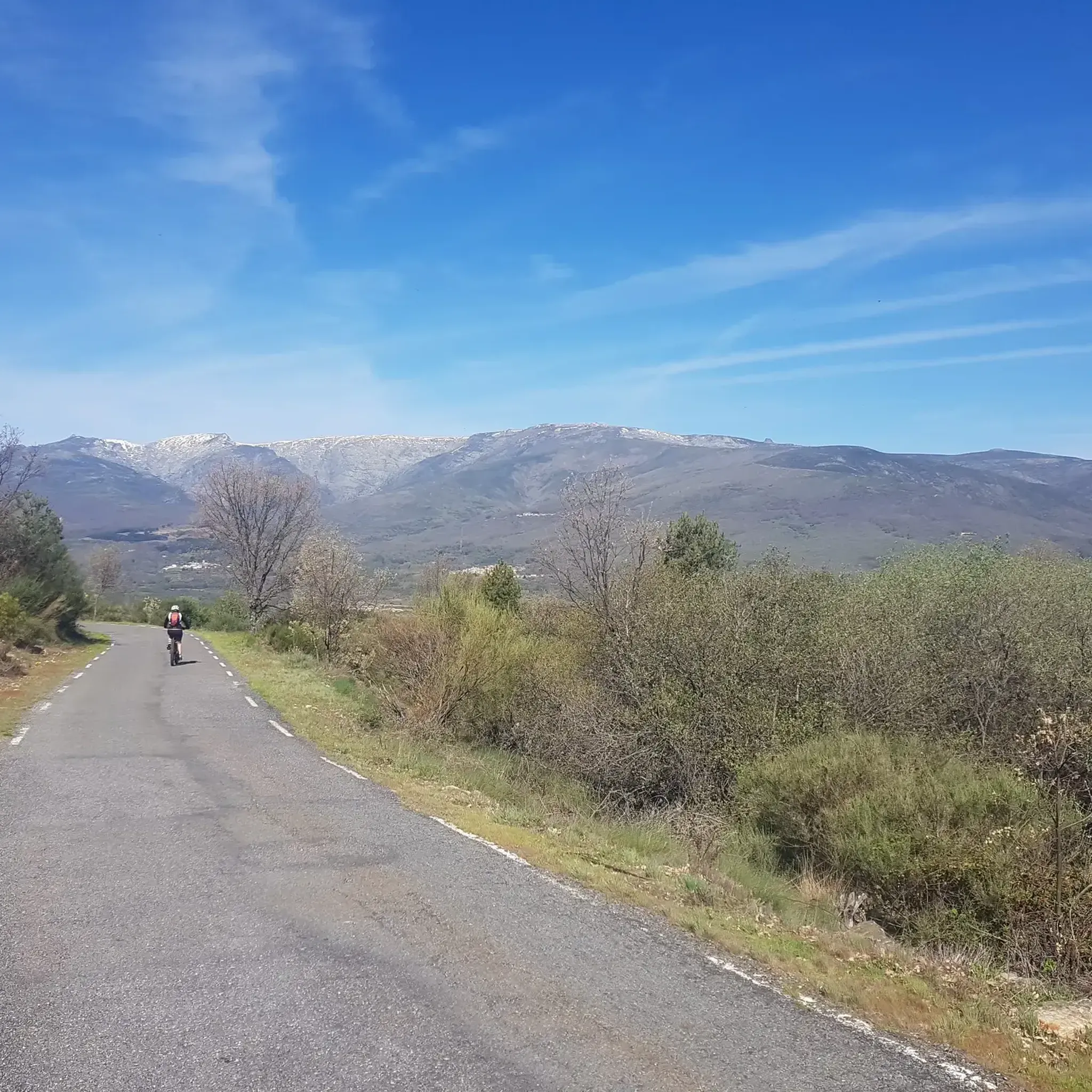
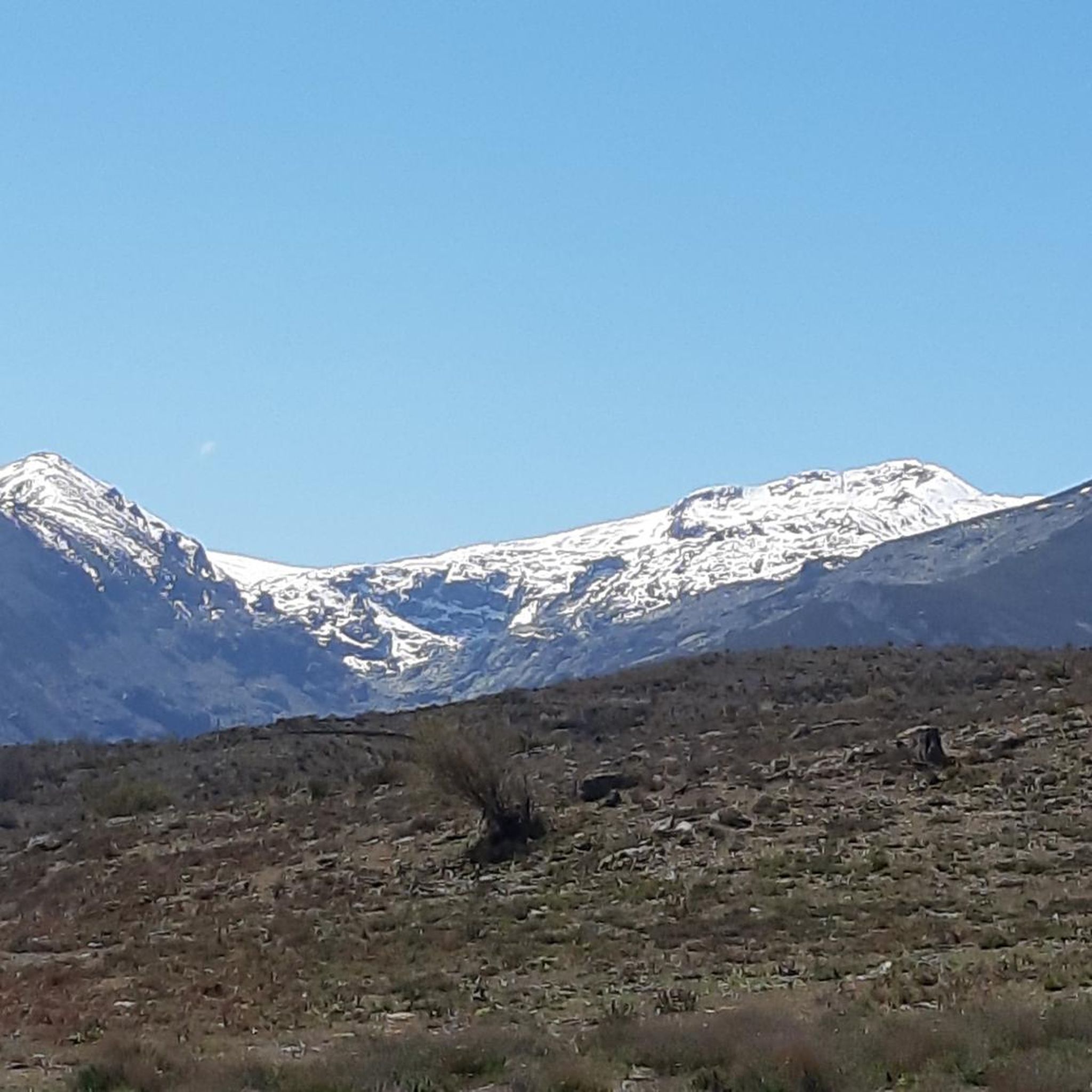
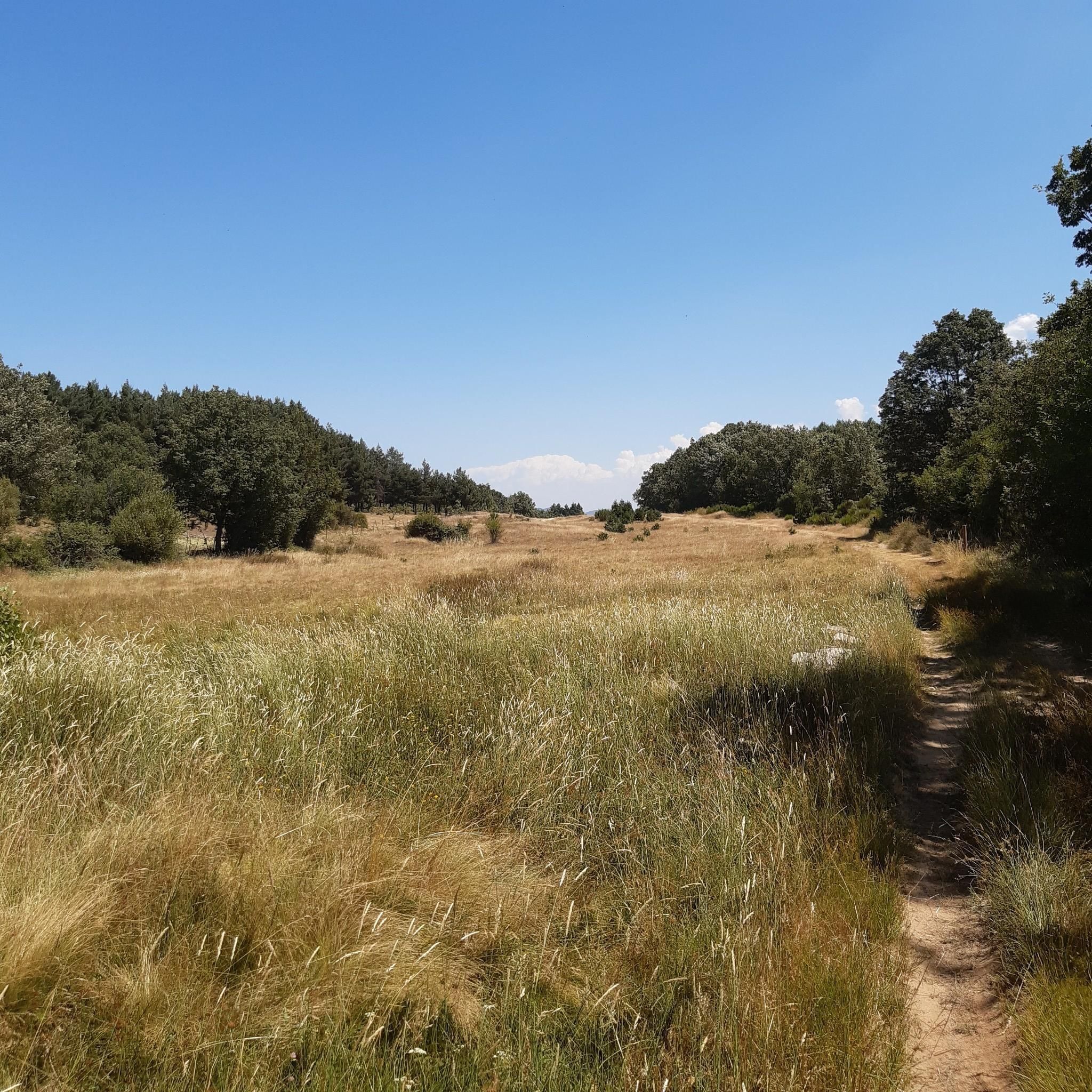

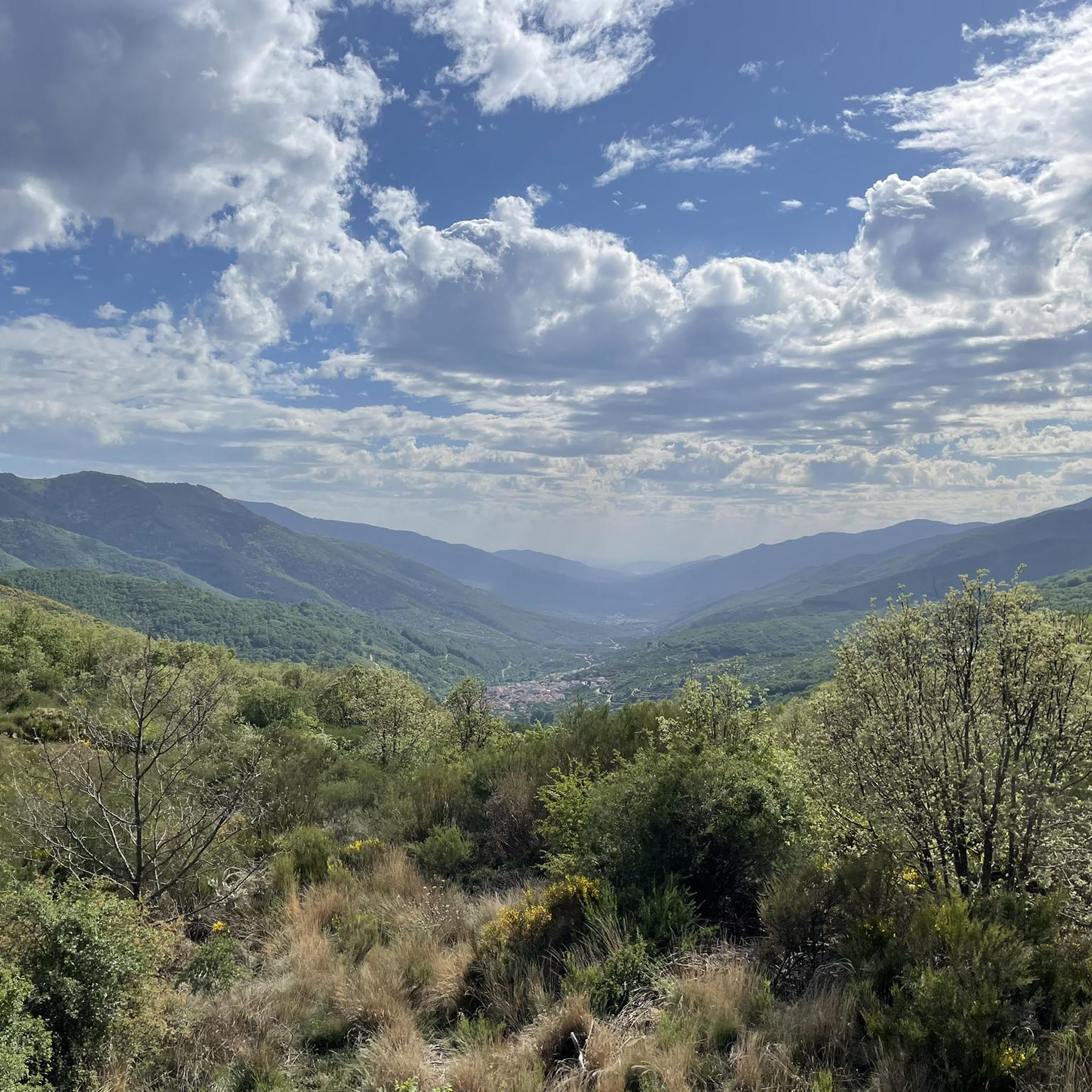
Tips from the Community

This path that goes up the Nava Gorge takes us to its source, in the homonymous lagoon, located at more than 1,900 meters above sea level. The alpine landscape of Gredos never disappoints, guarding us at all times during our ascension.
0
1

This lagoon is curious with respect to the rest since normally, glacial cirques tend to take a direction perpendicular to the ridge of the mountain, that is to say they descend in a north or south direction. This one, however, does it in an east direction, with the Covacha del Losar as the highest part!
0
1

Beautiful place! The. Lagunas del Trampal are 3 lakes of glacial origin within the Sierra de Gredos Park and worth visiting, the landscape is wonderful at any time of the year.
1
1


The Laguna de los Caballeros is a lagoon of glacial origin located in the upper part of the gorge of the same name, in the western sector of the Sierra de Gredos, in the municipality of Navalonguilla, (Ávila, Castilla y León, Spain). The lagoon is located at an altitude of about 2,000 meters above sea level in an extensive glacial valley (one of the three located on the north face of La Covacha).1 La Covacha, with a height of 2,399 meters above sea level, constitutes the highest point in the western sector. of the Sierra de Gredos.2n. 1 Unlike the rest of the lagoons in the region, the Caballeros lagoon has not been artificially dammed.
1
0
The Laguna de la Nava, also known as the Nava del Barco lagoon, is a lagoon of glacial origin located in the upper part of the gorge of the same name, in the western sector of the Sierra de Gredos; It is located in the municipality of Nava del Barco, in the province of Ávila (Castilla y León, Spain). The lagoon is located at an altitude of about 1,950 meters above sea level at the bottom of a glacial cirque known as the Corral del Diablo.1 Presiding over this glacial cirque is the Alto del Corral del Diablo, with 2,366 meters above sea level.
1
0

Route to the Laguna del Duque, of glacial origin and between the Sierra de Béjar and the west of the Sierra de Gredos.
7
0

The Laguna de los Caballeros is in a beautiful glacial cirque in the western sector of the Sierra de Gredos at an altitude of 2,000 meters, surrounded by slopes shaped by ancient glaciations and granite peaks that seem like untouchable sentinels of eternal stones.
3
0
Frequently Asked Questions
What kind of lakes can I expect to find around Umbrías?
The lakes directly around Umbrías are primarily of glacial origin, nestled within the Sierra de Gredos mountain range. You'll find high-altitude glacial cirques and some historical dammed lakes. Examples include Laguna de la Nava and Laguna de los Caballeros.
Are there any large or historically significant lakes in the broader region?
Yes, beyond the immediate vicinity of Umbrías, the broader regions of Castile and León and Extremadura offer significant lakes. For instance, Sanabria Lake in Zamora (Castile and León) is the largest glacial lake on the Iberian Peninsula. In Extremadura, you'll find the Orellana Reservoir, known for its Blue Flag status, and the ancient Roman Proserpina Dam near Mérida, which is a UNESCO World Heritage site.
What outdoor activities can I do near the lakes around Umbrías?
The mountainous terrain around Umbrías is ideal for various outdoor activities. You can enjoy extensive hiking trails, including challenging routes to glacial lakes like Laguna de la Nava and Laguna del Barco. There are also options for road cycling and running trails.
Are there any family-friendly lakes or activities suitable for children?
While many of the glacial lakes around Umbrías involve intermediate to challenging hikes, the broader region offers more accessible options. For example, Sanabria Lake in Zamora has sand and stone beaches suitable for swimming and camping, making it a great spot for families. The Orellana Reservoir in Extremadura, with its Blue Flag status, is also excellent for swimming and water sports.
Can I go swimming or do water sports in any of the lakes?
Directly around Umbrías, the glacial lakes are primarily for scenic enjoyment and hiking. However, in the wider region, the Orellana Reservoir in Extremadura is renowned for its clear water and is perfect for swimming, windsurfing, sailing, and canoeing. Sanabria Lake in Castile and León also offers beaches for swimming.
What kind of wildlife can be spotted near the lakes?
The natural park surrounding Sanabria Lake in Castile and León is known for its rich biodiversity, including a sizable population of wild wolves in the Sierra de la Culebra mountain range, as well as diverse flora like oak, birch, and alder woods. The glacial cirques and high pastures around Umbrías' lakes also host various mountain wildlife.
Are there any historical sites associated with the lakes?
Yes, the region boasts significant historical connections with its water bodies. Laguna del Duque, though glacial in origin, was dammed in the early 20th century for hydroelectric power. Further afield in Extremadura, the Proserpina Dam and Cornalvo Dam are impressive Roman hydraulic works, still in use today and part of UNESCO World Heritage sites or natural parks.
What are some of the most scenic lakes for photography or viewpoints?
For breathtaking views, Laguna de la Nava, located at 1972 meters above sea level, offers clear water that reflects the surrounding peaks. Laguna de los Caballeros, set in a beautiful glacial cirque at 2,000 meters, is surrounded by granite peaks, providing stunning photographic opportunities.
Are there any less-known or 'hidden gem' lakes worth visiting?
While the glacial lakes around Umbrías are popular, Laguna Larga in the Urbión Mountains (Castile and León), near the more famous Laguna Negra, is considered a less well-known but equally impressive glacial lagoon, offering a quieter experience amidst significant natural beauty.
What should I pack for a trip to the lakes around Umbrías?
Given the glacial and mountainous nature of the lakes around Umbrías, it's essential to pack appropriate gear. Good hiking shoes are a must, especially for routes to places like the Trampal Lagoons, which require 'good shoes and better legs.' Layers of clothing are advisable due to changing mountain weather, and consider bringing water, snacks, and sun protection.
What is the best time of year to visit the lakes?
The best time to visit the high-altitude glacial lakes around Umbrías is typically during the warmer months, from late spring to early autumn (May to October), when snow has melted and trails are more accessible. This period offers the most pleasant weather for hiking and enjoying the natural beauty.
Are there opportunities for fishing in the regional lakes?
Yes, several reservoirs in the nearby Extremadura region are prime locations for fishing. The Orellana Reservoir is popular for pike, black bass, and carp. La Serena Reservoir, the largest lake in Spain, is known for black-bass and very large pikes, while García de Sola Reservoir is recommended for new fishermen due to its abundant populations of black bass, pike, carp, and zander.
Most popular attractions around Umbrías

Get inspired with the komoot mobile app


Explore more
Still not found your perfect lake around Umbrías? Check out the guides of these regions to see even more beautiful places.
