Attractions and Places To See around Cañete De Las Torres - Top 9
Attractions and places to see around Cañete De Las Torres offer a blend of historical landmarks, cultural sites, and natural landscapes in the province of Córdoba, Spain. The area features a rich history dating back to the Neolithic period, with evidence of Roman and Muslim influences. Visitors can explore extensive olive groves, cornfields, and sunflower fields characteristic of the region. The town itself is known for its picturesque "Barrio del Huerto del Francés" and the "Calles en Flor" festival.
Best…
Last updated: June 29, 2026
Castillo de Lopera
Highlight • Castle
Translated by Google •
Tip by

Torreparedones Archaeological Site
Highlight • Historical Site
Translated by Google •
Tip by

Sign up now to discover places like this
Get recommendations on the best single tracks, peaks, & plenty of other exciting outdoor places.
Sign up for free
Bridge over the Guadalquivir River in Castro del Río
Highlight • Bridge
Translated by Google •
Tip by

Church of the Assumption of Our Lady, Porcuna
Highlight • Religious Site
Translated by Google •
Tip by

Torre de Boabdil
Highlight • Historical Site
Translated by Google •
Tip by

Sign up for free to discover even more attractions around Cañete De Las Torres.
Sign up for free
Already have an account?
Start today with a free account
Your next adventure awaits.
Login or Signup

Tips from the Community

In Lopera, we find one of the best examples of castles built by the Military Order of Calatrava in the province of Jaén. Declared a Cultural Monument in 1991, this fortress retains its original walled enclosure, although over the years it has also served as a residence and, in the mid-20th century, even as a winery.
0
0
Porcuna is a small town and a municipality (municipio) in southern Spain with 5,907 inhabitants (as of 2024) in the west of the province of Jaén in the autonomous community of Andalusia.
0
0

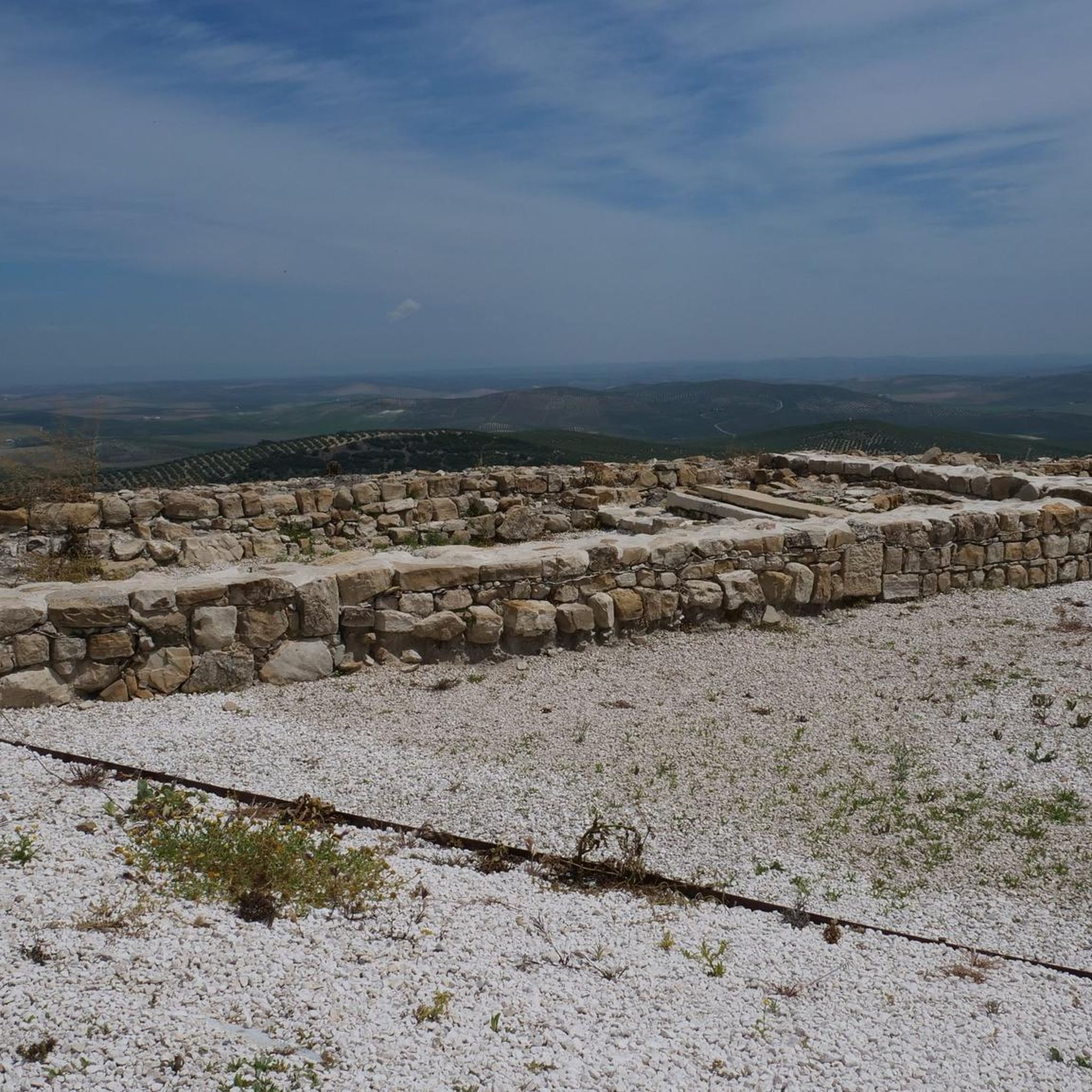
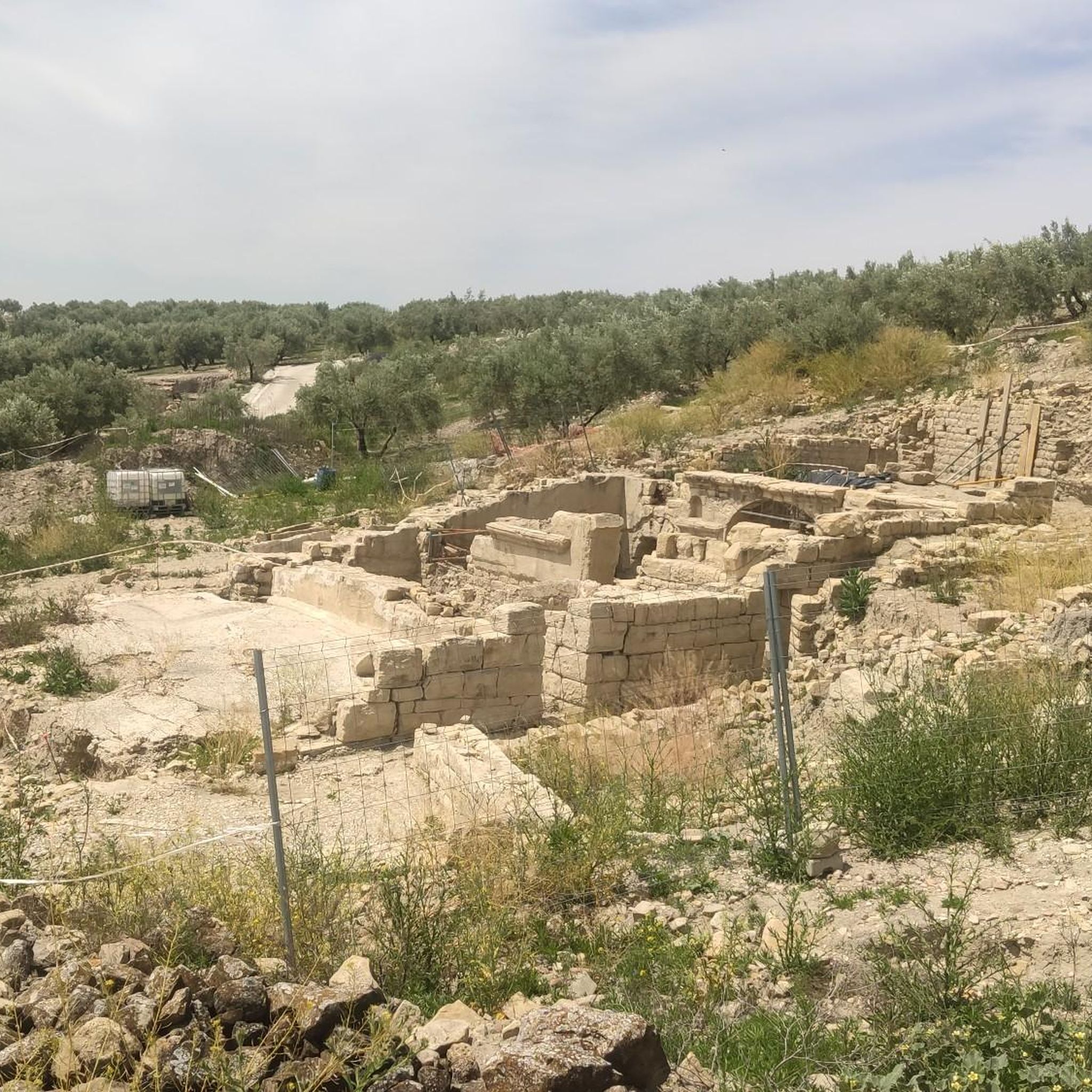
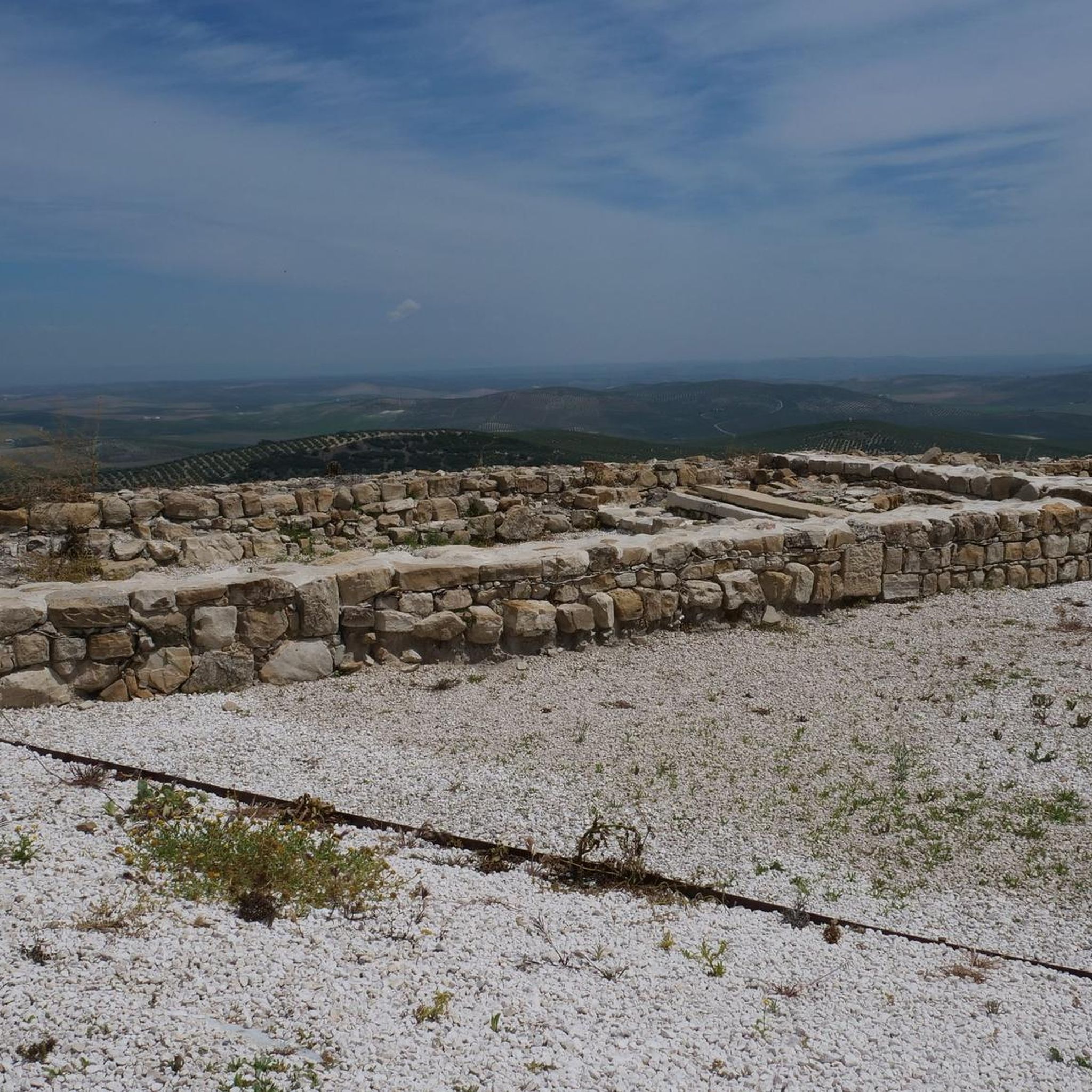
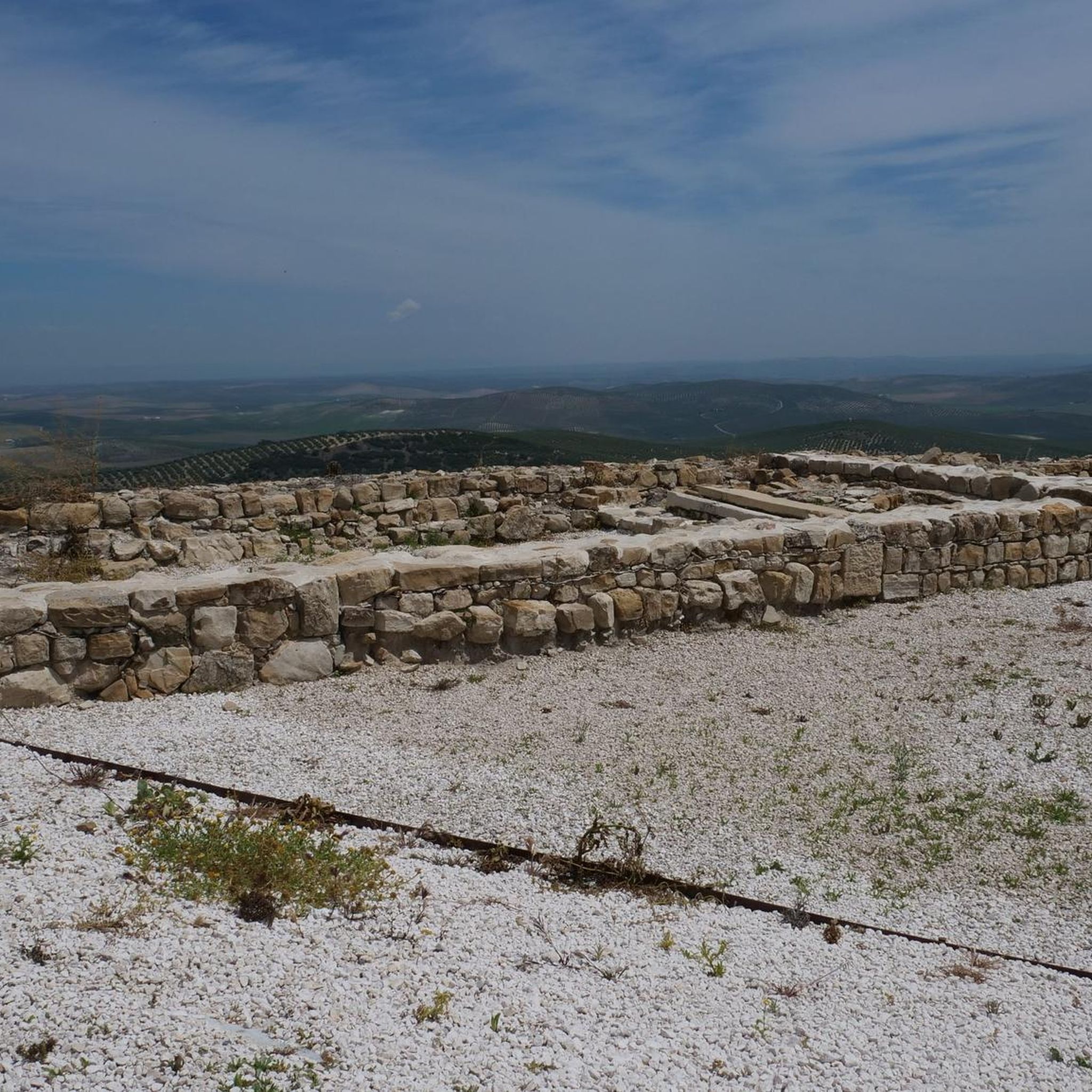
The archaeological site of Torreparedones, also known as Castro el Viejo or Torre de las Vírgenes, is an Andalusian archaeological site located between the municipalities of Baena and Castro del Río, in the province of Córdoba. The discovery of numerous and relevant archaeological remains belonging to the culture of Tartessians, Iberians and Romans has led some media to begin calling it the "Cordovan Pompeii".[1][2][3] It is located at an elevation of 579.60 m.s.n.m. and was inhabited for at least 3,500 years, from the Copper Age to the Late Middle Ages.
1
0

The archaeological site of Torreparedones, also known as Castro el Viejo or Torre de las Vírgenes, is an Andalusian archaeological complex located between the municipalities of Baena and Castro del Río, in the province of Córdoba.
1
0

The castle was built by the Order of Calatrava to guard the trade route over the Guadalquivir River and is defended by five towers.
1
0
Boabdil Tower, an octagonal building built with quality masonry between 1411 and 1435, reaching 28 meters in height. Gothic arches and Cistercian-inspired vaults design the interior spaces or chambers, where it seems that King Boabdil was imprisoned in 1483, after being defeated and imprisoned in the Battle of Lucena at the hands of the Catholic Monarchs.
1
0

Castle from the time of the Castilian conquest, located in the municipality of Lopera, province of Jaén (Spain). It is located in the center of the town occupying a considerable extension of the urban area.
0
0

Historic bridge that crosses the Guadalquivir River, in the town of De Castro del Rio, before beginning the ascent towards the Cardeña natural park.
1
1
Frequently Asked Questions
What historical sites can I explore in Cañete de las Torres?
Cañete de las Torres offers a rich history. You can visit the Castillo y Torre del Homenaje, a 14th-century castle built on Roman and Muslim foundations, which also houses the Municipal Ethnographic Museum. Nearby, the Torre de Boabdil is an impressive octagonal tower dating from the 15th century. Additionally, the Torreparedones Archaeological Site, located between Baena and Castro del Río, is a significant complex with remains from the Copper Age to the Late Middle Ages.
Are there any notable religious buildings to visit in the area?
Yes, the town features several significant religious structures. The Iglesia de Nuestra Señora de la Asunción, originally from the 13th century, showcases a 17th-century appearance. The Ermita de Madre de Dios, dedicated to the town's patron saint, dates back to the 13th or 14th century and boasts a notable baroque dome. Further afield, you can visit the Church of the Assumption of Our Lady, Porcuna, constructed between 1872 and 1910.
What natural landscapes can I experience around Cañete de las Torres?
The region around Cañete de las Torres is characterized by extensive olive groves, cornfields, and sunflower fields, offering picturesque scenery ideal for walks and cycling. The areas around the Arroyo del Cañetejo also contribute to the natural beauty. You can also see the Bridge over the Guadalquivir River in Castro del Río, which provides views of this historic river.
Are there family-friendly attractions in Cañete de las Torres?
Families will enjoy exploring the Barrio del Huerto del Francés, a picturesque neighborhood known for its narrow streets, white and blue facades, and abundant flowerpots. This area is particularly vibrant during the 'Calles en Flor' festival. The Huerto Francés Flower Pots, Cañete de las Torres highlight is a great example of the charm found here.
Where can I find unique cultural experiences in Cañete de las Torres?
For unique cultural insights, visit the Museo Etnográfico, housed within the Homage Tower of the castle, which displays items reflecting local life. The Museo Arqueológico Municipal near Plaza de España contains over 1,500 archaeological pieces from the region. Don't miss the Barrio del Huerto del Francés, especially during the 'Calles en Flor' festival, which transforms the town with stunning floral displays.
What outdoor activities, like cycling or mountain biking, are available near Cañete de las Torres?
The surrounding olive groves and fields are perfect for outdoor activities. You can find numerous routes for cycling and mountain biking. For detailed routes, explore the MTB Trails around Cañete De Las Torres or the Cycling around Cañete De Las Torres guides. There are also options for Gravel biking around Cañete De Las Torres, with routes like the 'Torre de Boabdil – Cortijo Las Ollas loop from Porcuna'.
What is the 'Calles en Flor' festival, and when does it take place?
The 'Calles en Flor' festival is a vibrant event that transforms Cañete de las Torres into 'The Botanical Village'. During this festival, balconies, courtyards, and crosses throughout the town are adorned with stunning floral displays. It typically takes place every May, making it a beautiful time to visit.
Can I find local museums to learn about the region's history?
Yes, Cañete de las Torres offers two key museums. The Museo Etnográfico, located within the Homage Tower of the castle, provides a glimpse into the local life of the past with its collection of furniture, instruments, and old photographs. Additionally, the Museo Arqueológico Municipal, situated near the Plaza de España, houses over 1,500 archaeological pieces spanning from the Lower Paleolithic to the Muslim era.
What are some picturesque neighborhoods to explore in Cañete de las Torres?
The Barrio del Huerto del Francés is a particularly picturesque and recently remodeled neighborhood. It is renowned for its narrow streets, charming white and blue facades, and an abundance of flowerpots, which beautifully recover the typical aesthetic of the town. It's a delightful area for a stroll.
What local dishes should I try in Cañete de las Torres?
When visiting Cañete de las Torres, be sure to savor traditional local dishes. Recommendations include salmorejo cañetero, albóndigas a la cañetera, cocido cañetero, migas, and tortillita de garbanzos. The region is also famous for its high-quality extra virgin olive oil, which accompanies many meals.
Are there any unique art installations or sculptures to see?
Yes, Cañete de las Torres is home to the unique public sculpture known as Escalera al Cielo (Stairway to Heaven). Located within the municipal cemetery of San Rafael, this monument is famous for its peculiar optical effect, especially on cloudy days, making it a popular spot for photographers.
What do visitors enjoy the most about Cañete de las Torres?
Visitors frequently appreciate the town's rich historical heritage, evident in its ancient castle and churches. The vibrant cultural events, particularly the 'Calles en Flor' festival, and the picturesque Barrio del Huerto del Francés are also highly praised. The surrounding natural beauty of olive groves and the opportunity for outdoor activities like cycling add to the overall appeal.
Most popular routes around Cañete De Las Torres

Get inspired with the komoot mobile app


Explore more
Still not found the Highlight you’re looking for? See guides of the top attractions in other regions:
