Top 6 Castles around Vilagrassa
Best castles around Vilagrassa are located within the wider Lleida province and the Segarra region, areas rich in medieval history. This landscape is characterized by historical fortresses and agricultural lands, offering a glimpse into Catalonia's past. Numerous castles serve as landmarks, providing insights into medieval architecture and strategic defense. Visitors can explore a variety of historical sites in the vicinity.
Best castles around Vilagrassa
- The most popular castles is Castell de l'Aranyó, a castle that is part of the…
Last updated: May 17, 2026
Castell de l'Aranyó
Highlight • Castle
Restored and with a great history. We will be able to go back in time with the information panels.
It is …
Translated by Google •
Tip by

Bellpuig Castle
Highlight • Castle
Translated by Google •
Tip by
Sign up now to discover places like this
Get recommendations on the best single tracks, peaks, & plenty of other exciting outdoor places.
Sign up for free
Verdú Castle
Highlight • Castle
Translated by Google •
Tip by
Guimerà Castle
Highlight • Castle
Translated by Google •
Tip by

Castillo de Maldà
Highlight • Castle
Translated by Google •
Tip by
Sign up for free to discover even more castles around Vilagrassa.
Sign up for free
Already have an account?
Start today with a free account
Your next adventure awaits.
Login or Signup



Tips from the Community

Bellpuig Castle preserves the remains of an old 16th-century residential fortress, although its origins date back to the 11th century. Despite looting and subsequent renovations, the lower galleries can still be explored, and part of the southeast wall can be seen, allowing one to imagine its former grandeur. Today, the building houses municipal offices and a music school, and is an interesting stop for learning about the area's noble history during a tour of Bellpuig.
0
0

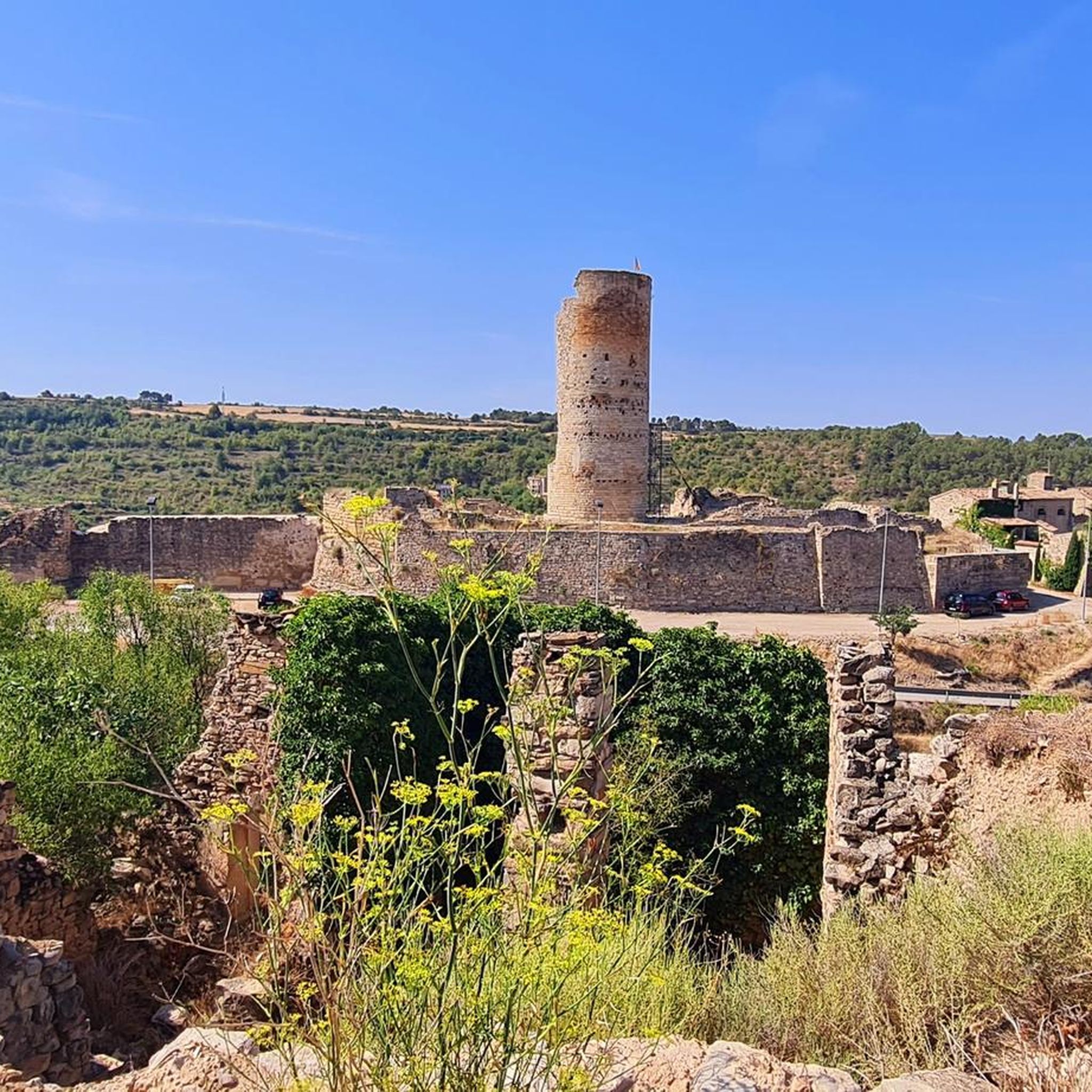
The most important is the Fountain that you will find halfway up, fresh water that will save you, especially on summer days. The Guimerà castle is strategically located on the border between the plateau and the ridge of the Corb valley, built on a plain of living rock, where today the remains of the medieval enclosure extend, expanded in several phases to the western end, and linked through the old cemetery to the Gothic church. Its characteristic feature is its round watchtower and defense. It is a building declared a cultural asset of national interest. Source: Wikipedia
0
0

Wide and large town, with roads that take us to all places
0
0
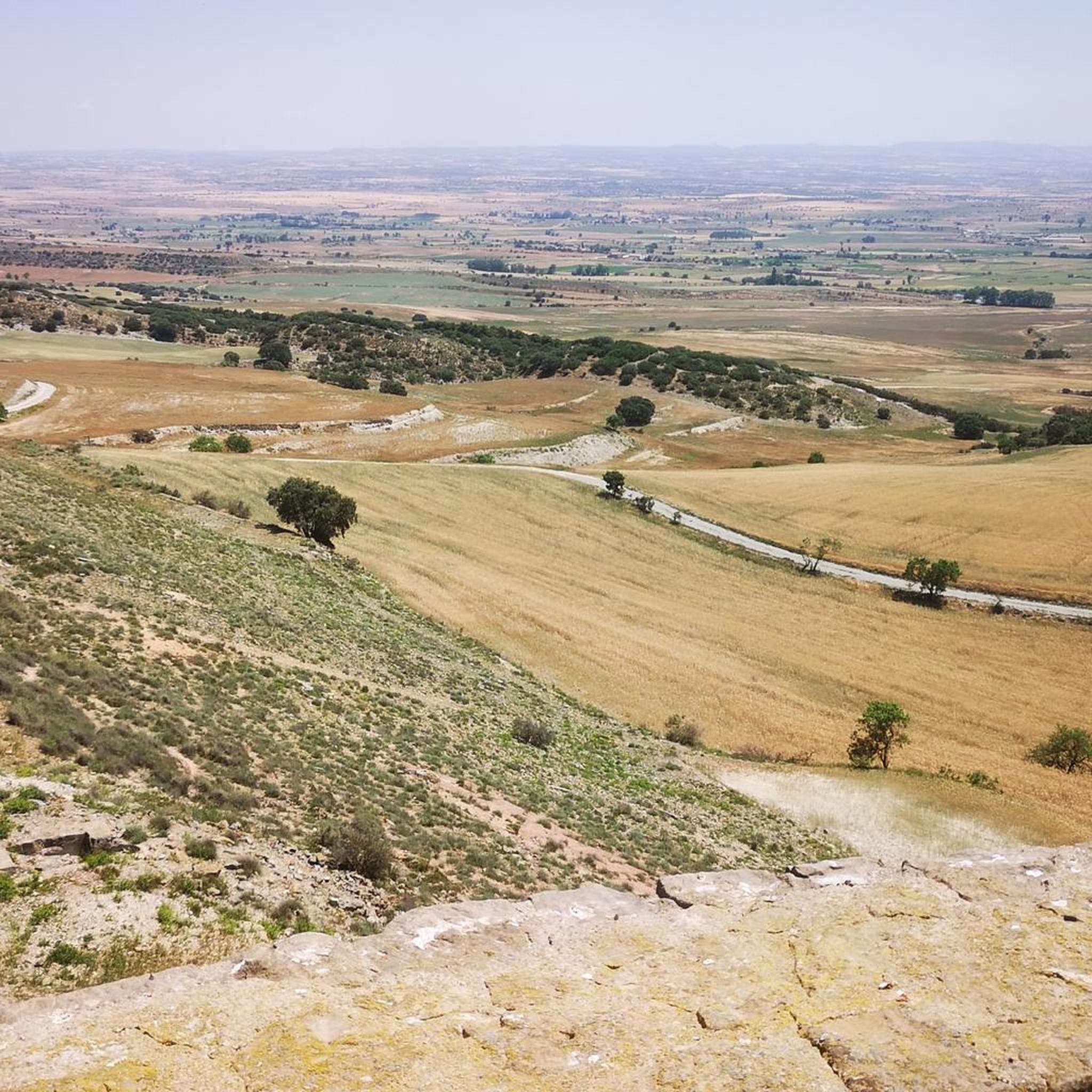
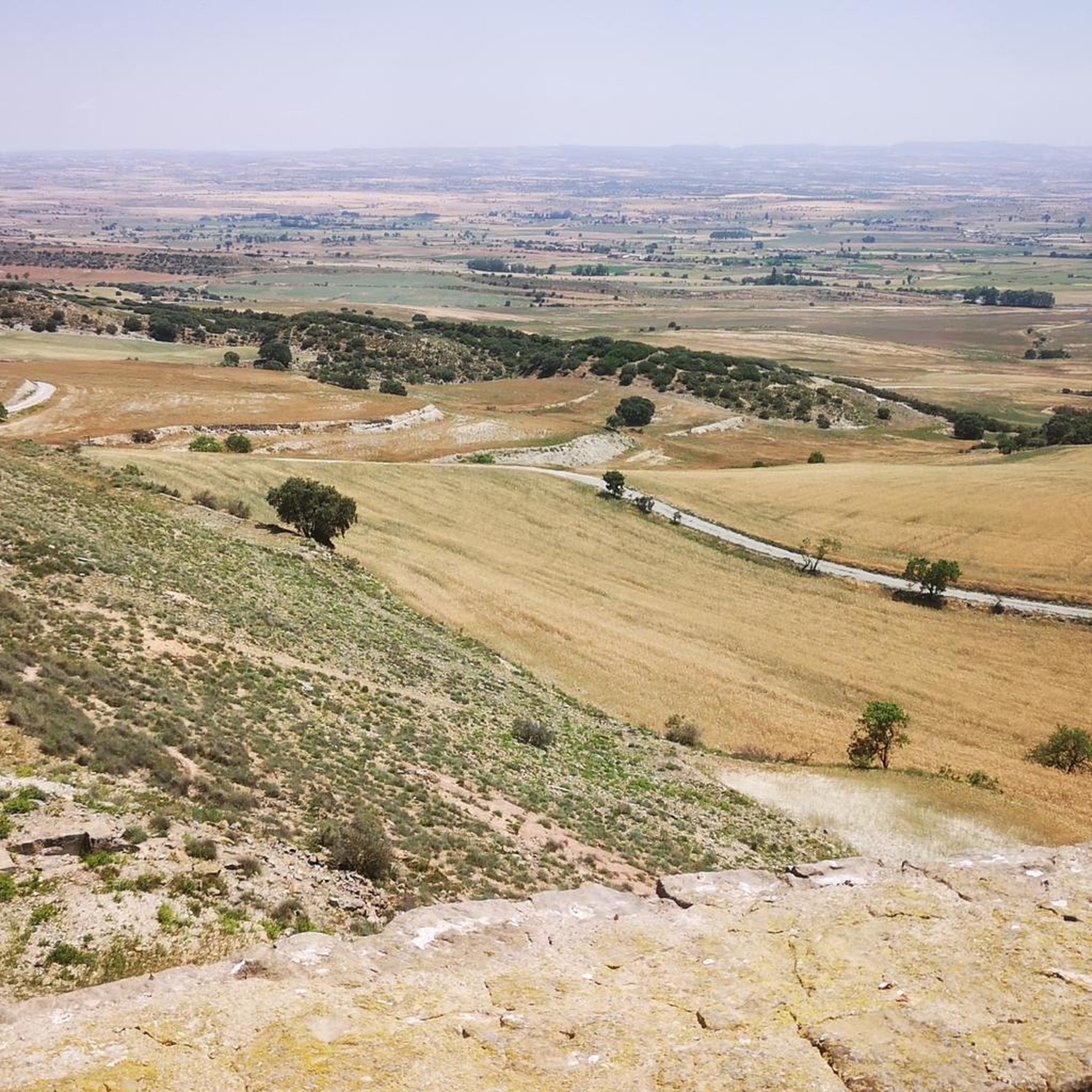
The drylands in the area are very beautiful and there are many possibilities for routes
0
0

The castle of Verdú is located in the heart of the town next to one of the most beautiful and unique churches in Catalonia, the church of Santa María de Verdú. The castle preserves different architectural elements: Romanesque, Gothic and Renaissance. We will find information panels, but I recommend hiring the guided tour at the Verdú tourist office.
0
0
We are at the Castle of Bellpuig, a place with charm and history that we must visit along with the medieval and Renaissance surroundings of the town of Bellpuig, located in the Urgell region. Apart from the castle, we can visit the parish church of Sant Nicolau from the 16th century.
0
0
Castle that is part of the Segarra castles route. Restored and with a great history. We will be able to go back in time with the information panels. It is the birthplace of the writer Manuel de Pedrolo. Apart from the castle, I recommend you to take a walk through the beautiful village with a medieval air among the cereal fields. Visit the Aranyó portal
0
0
XIII century castle located in the upper part of Maldà. Only the exterior is preserved. Gothic and medieval style.
2
0
Frequently Asked Questions
Which castles around Vilagrassa are particularly appreciated by visitors?
Visitors to the region highly appreciate several castles. Castell de l'Aranyó is a popular choice, known for being part of the Segarra castles route and the birthplace of writer Manuel de Pedrolo. Another favorite is Bellpuig Castle, which preserves remains of a 16th-century residential fortress with origins dating back to the 11th century.
Are there castles with significant historical or architectural features?
Yes, the region boasts castles with rich history and unique architecture. Verdú Castle, located next to the beautiful Santa María de Verdú church, showcases Romanesque, Gothic, and Renaissance elements. Further afield, Montsonís Castle (built in 1024) is a magnificent fortress with a superb homage tower and a beautiful Gothic window, offering guided tours into its stately rooms and even secret passages. Castell del Rei - La Suda in Lleida, with Muslim origins, features extensive fortifications and an Interpretation Center.
What kind of outdoor activities can I do near these castles?
The area around Vilagrassa offers various outdoor activities. You can find numerous hiking routes, such as the 'Castillo de Tàrrega y Vilagrassa — circular desde Tàrrega' or the 'Sanctuary of Fátima – Ruins Along the Trail loop from Tàrrega'. For cyclists, there are road cycling routes like 'Bordering the Urgell canal' and MTB trails, including the 'Water Fountain – Torre de Guimerà loop from Tàrrega'.
Are there any castles that are particularly family-friendly or suitable for kids?
While specific family-friendly activities vary by castle, many offer engaging historical experiences. Montsonís Castle, for instance, with its guided tours and secret passages, can be quite captivating for children. Exploring the exterior of Castillo de Maldà, a 13th-century Gothic and medieval style castle, can also spark imagination. When planning, it's advisable to check individual castle websites for specific family programs or accessibility information.
Which castles offer guided tours or interpretation centers?
Several castles provide enhanced visitor experiences through tours or interpretation centers. Montsonís Castle offers guided tours of its historic interiors. Concabella Castle houses the Castle Interpretation Center, making it a significant cultural reference point for the Segarra region. Castell del Rei - La Suda in Lleida also features an Interpretation Center within its royal hall, detailing the building's extensive history. For Verdú Castle, it is recommended to hire a guided tour at the Verdú tourist office.
What is the best time of year to visit the castles around Vilagrassa?
The best time to visit the castles around Vilagrassa is generally during spring (April to June) and autumn (September to October). During these seasons, the weather is typically mild and pleasant for exploring historical sites and enjoying outdoor activities. Summer can be hot, while winter might be cooler, but still suitable for visits, especially to indoor castle sections.
Are there any castles that are less crowded or considered 'hidden gems'?
While the main castles attract visitors, exploring some of the smaller or less prominent sites can offer a quieter experience. Guimerà Castle, with its strategically located round watchtower and defense, offers a glimpse into medieval history and is part of a charming village. Pallargues Castle, though well-preserved and offering tours, might be less frequented than the larger Templar sites, providing a more intimate experience of a noble residence.
Can I find castles with unique natural features or viewpoints?
Yes, some castles offer stunning views or are integrated with natural landscapes. Castell del Rei - La Suda, located on the main hill of Lleida, provides outstanding panoramic views over the city and the surrounding region. Guimerà Castle is built on a plain of living rock, offering a unique setting and views of the Corb valley.
What are the options for parking and public transport to reach these castles?
Access to castles in the Lleida province and Segarra region often requires a combination of private vehicle and local transport. Many castles, especially those in smaller villages, have nearby parking facilities. Public transport options might be limited, often requiring bus services to nearby towns and then a short walk or taxi ride. For specific castles, it's best to check local transport schedules and parking availability in advance.
Are there any castles associated with the Knights Templar in the region?
Yes, the region has a significant Templar connection. Castell de Gardeny in the city of Lleida is an excellent example of Templar architecture, built in the second half of the 12th century by the Order of the Temple. It remains practically intact and features a unique church with one of the few Templar mural paintings in Europe, making it a must-see for history enthusiasts.
What kind of historical periods do the castles around Vilagrassa represent?
The castles around Vilagrassa and the wider Lleida province represent a broad spectrum of historical periods, primarily from the medieval era. You can find castles with origins dating back to the 9th century (like Castell del Rei - La Suda with its Muslim roots), 11th-century foundations (such as Bellpuig Castle and Concabella Castle), and 12th-13th century constructions (like Castell de Gardeny and Castillo de Maldà). Many also feature later Gothic and Renaissance additions, showcasing centuries of architectural evolution.
Are there any castles that are particularly well-preserved or have undergone significant rehabilitation?
Pallargues Castle, near the Sió river, is an excellent example of a well-preserved and rehabilitated medieval construction. It received the 'Catalunya Nostra' award for its rehabilitation and cultural use, offering guided tours of its splendid residence, including wide rooms, a Gothic arch, and a cylindrical watchtower. Castell de l'Aranyó has also been restored, allowing visitors to step back in time with its information panels.
Most popular routes around Vilagrassa
Most popular attractions around Vilagrassa

Get inspired with the komoot mobile app


Explore more
Looking for the best castles somewhere else? Discover other guides around Vilagrassa:
