Top 7 Castles around Verdú
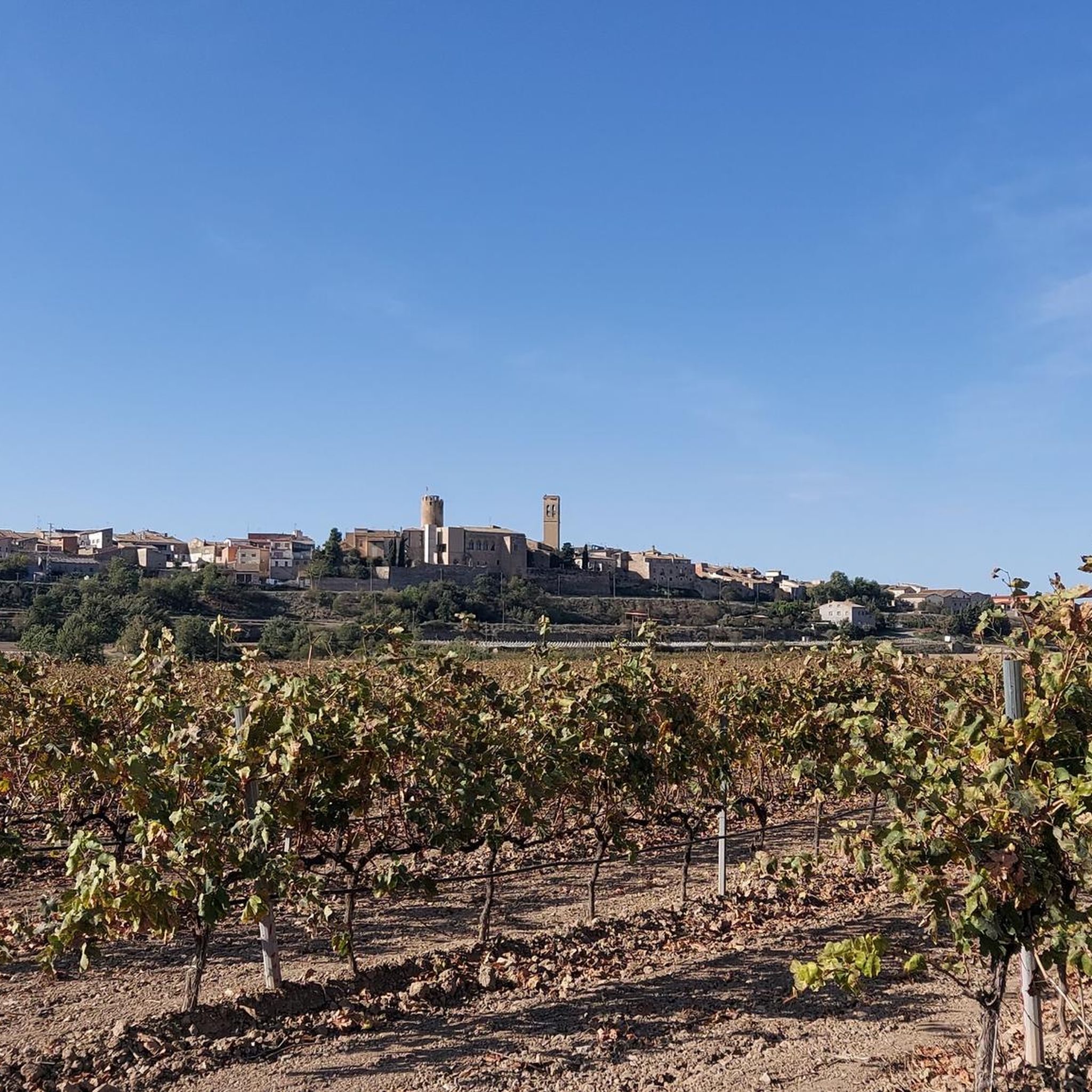
Best castles around Verdú are found in a region characterized by its rich history and agricultural landscape. The town of Verdú itself developed around its ancient fortress, the Castell de Verdú, which is a national cultural asset. This area showcases a blend of architectural styles, including Romanesque, Gothic, and Renaissance elements, reflecting centuries of architectural evolution. Visitors can explore historical sites deeply intertwined with Catalan history and enjoy the surrounding drylands.
Best castles around Verdú
- The most popular castles is…
Last updated: October 30, 2026
Verdú Castle
Highlight • Castle
Translated by Google •
Tip by

Bellpuig Castle
Highlight • Castle
Translated by Google •
Tip by
Sign up now to discover places like this
Get recommendations on the best single tracks, peaks, & plenty of other exciting outdoor places.
L'Ametlla de Segarra
Highlight • Settlement
Translated by Google •
Tip by

Guimerà Castle
Highlight • Castle
Translated by Google •
Tip by

Castillo de Maldà
Highlight • Castle
Translated by Google •
Tip by
Sign up for free to discover even more castles around Verdú.
Already have an account?
Start today with a free account
Your next adventure awaits.
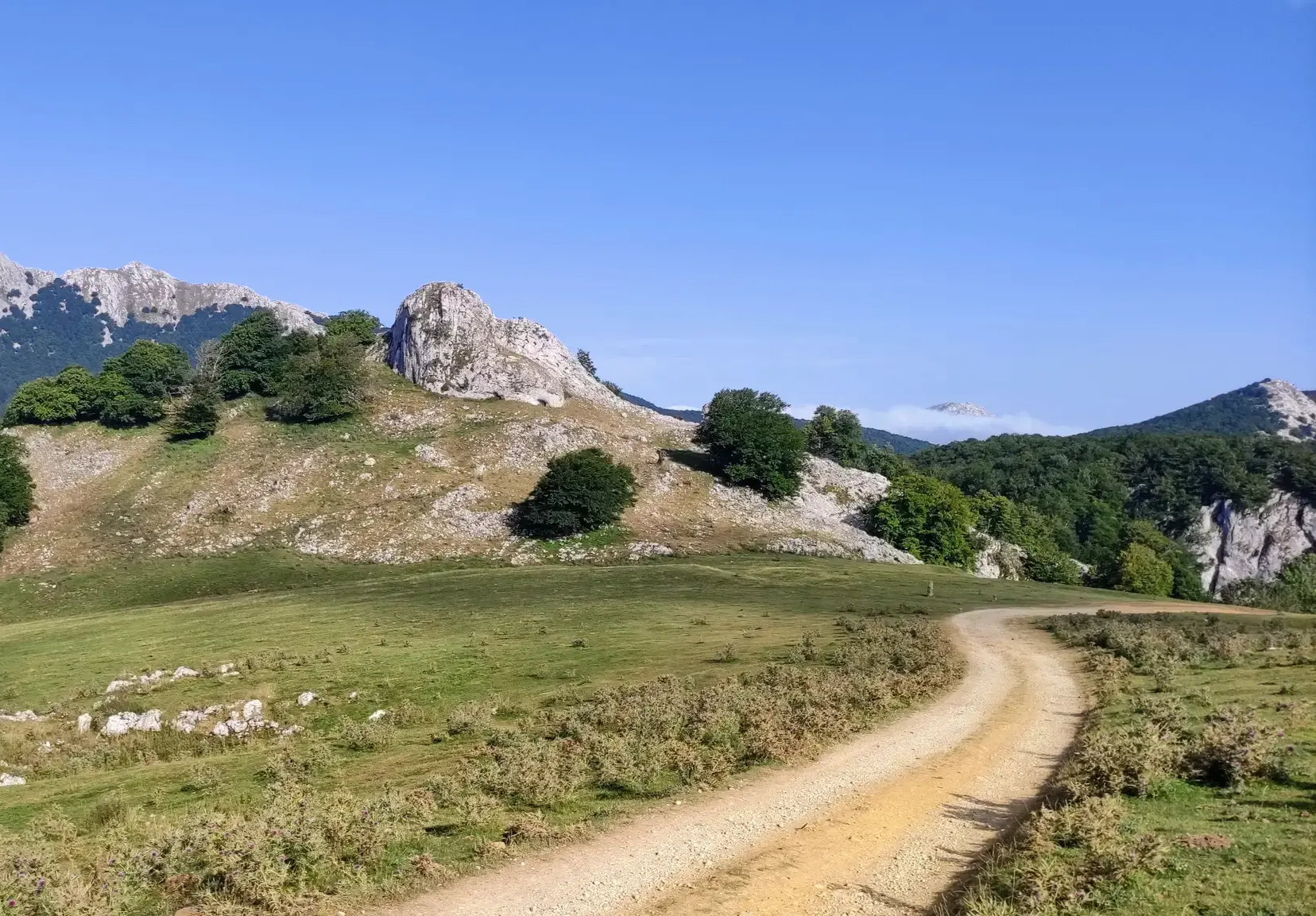
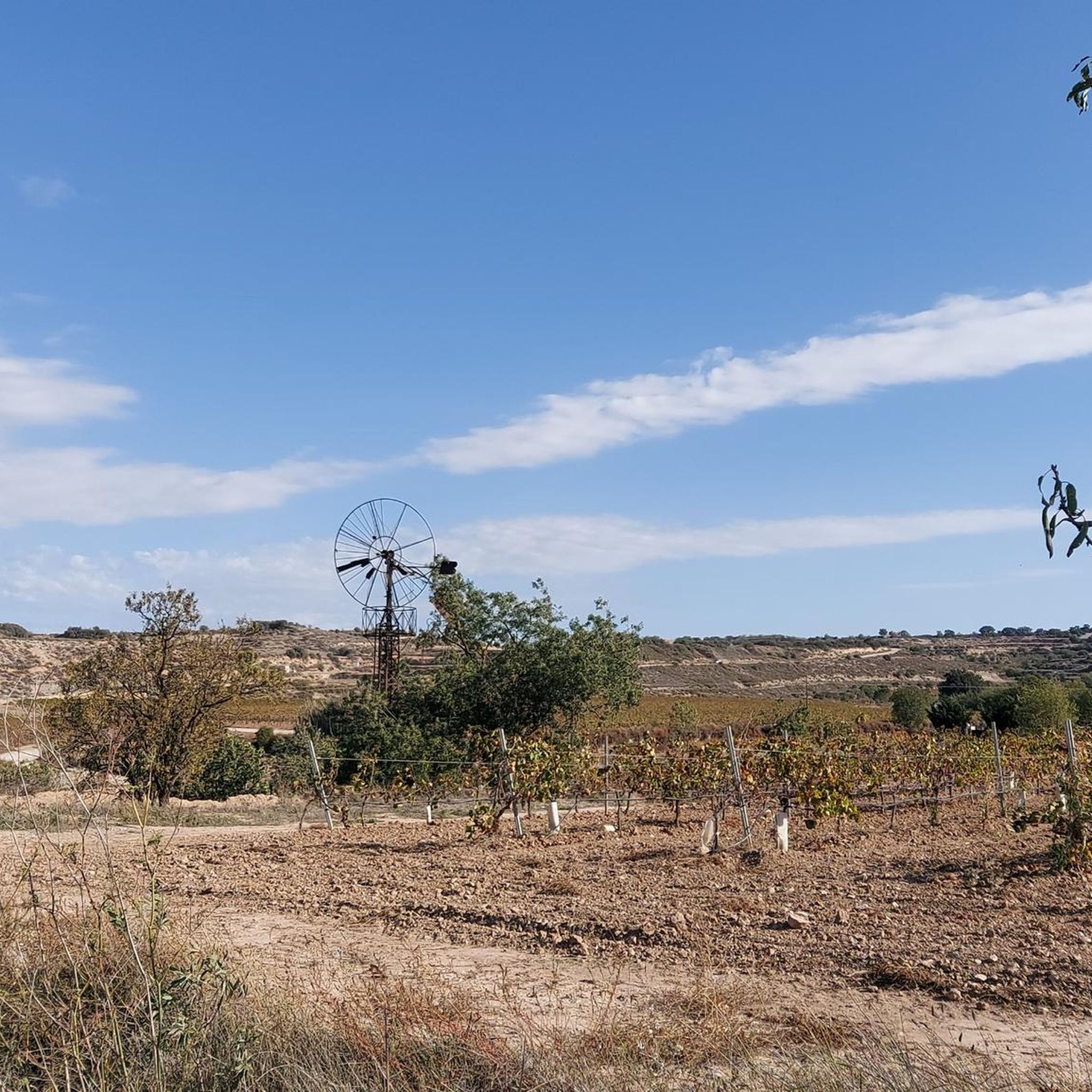
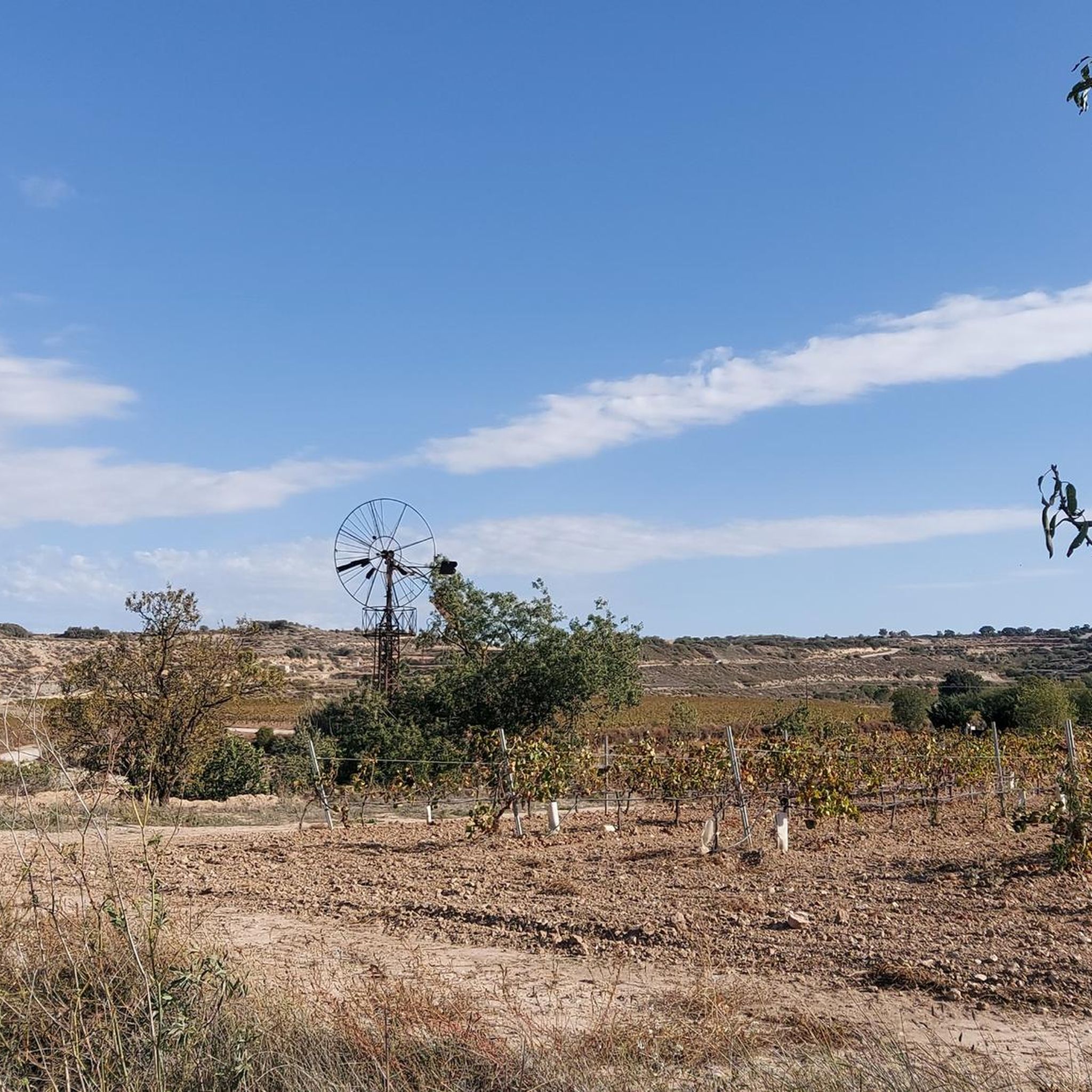
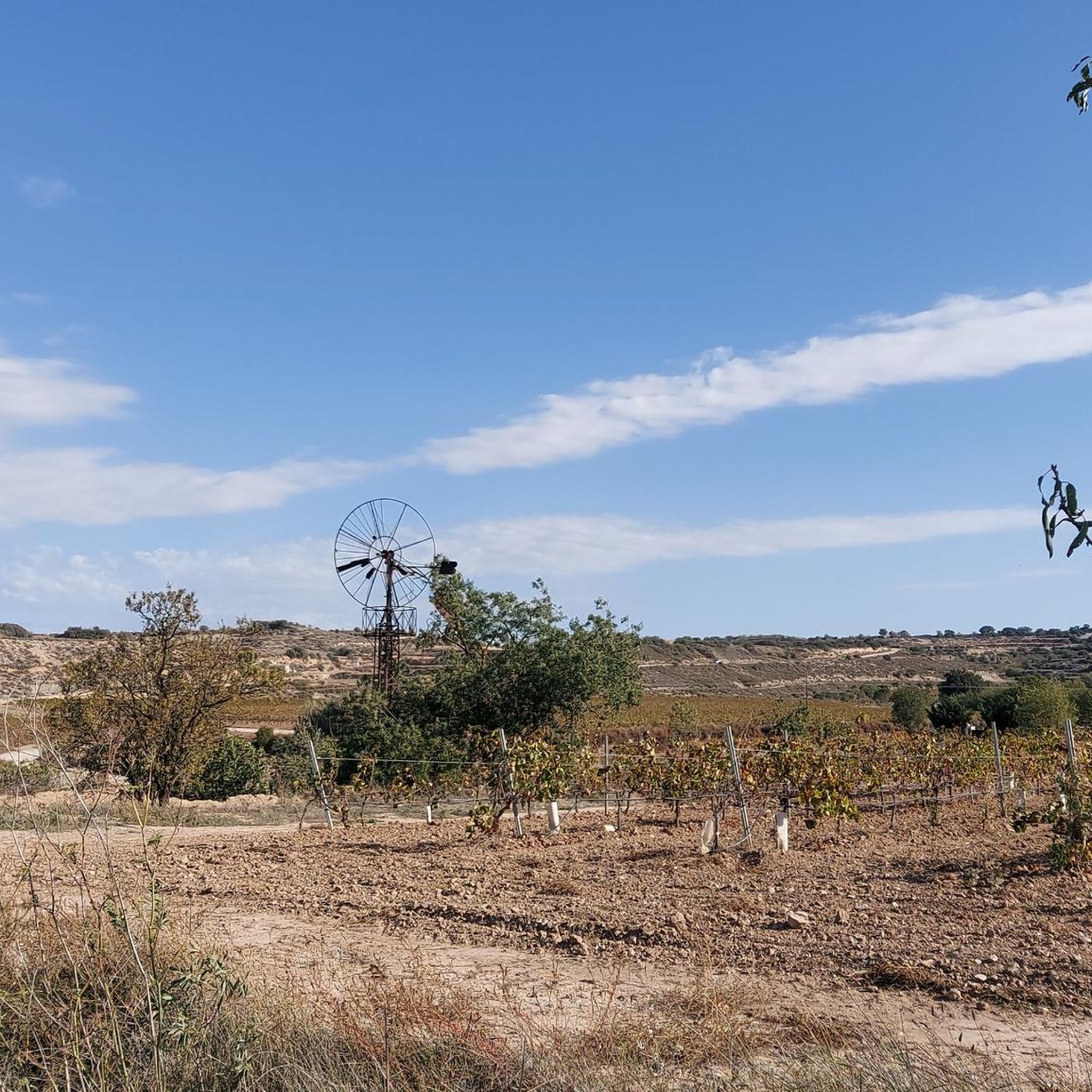

Other adventures around Verdú

Tips from the Community

The Castillo de Verdú rises in the historic center of Verdú in Catalonia and is one of the most important medieval structures in the region. Its origins date back to the 11th century. Particularly striking is the tall round tower, which offers a wide view over the surrounding landscape. Over the centuries, the castle has been expanded and restored several times. Today it is a popular destination for history and culture enthusiasts.
0
0

Bellpuig Castle preserves the remains of an old 16th-century residential fortress, although its origins date back to the 11th century. Despite looting and subsequent renovations, the lower galleries can still be explored, and part of the southeast wall can be seen, allowing one to imagine its former grandeur. Today, the building houses municipal offices and a music school, and is an interesting stop for learning about the area's noble history during a tour of Bellpuig.
0
0

The most important is the Fountain that you will find halfway up, fresh water that will save you, especially on summer days. The Guimerà castle is strategically located on the border between the plateau and the ridge of the Corb valley, built on a plain of living rock, where today the remains of the medieval enclosure extend, expanded in several phases to the western end, and linked through the old cemetery to the Gothic church. Its characteristic feature is its round watchtower and defense. It is a building declared a cultural asset of national interest. Source: Wikipedia
0
0

L'Ametlla de Segarra is a town belonging to the municipality of Montoliu de Segarra, in the Segarra region, province of Lleida. It is linked to the castle of the same name, appearing in records at the end of the 11th century. It is located in an area with a tradition of cereal farming and other rainfed crops such as olive groves and almond trees. You can also find vineyards, particularly organic vineyards that produce Comalats wine, which was the old name of the region. Of its heritage, the church of Sant Pere and the tower of the old castle stand out.
0
0

Wide and large town, with roads that take us to all places
0
0
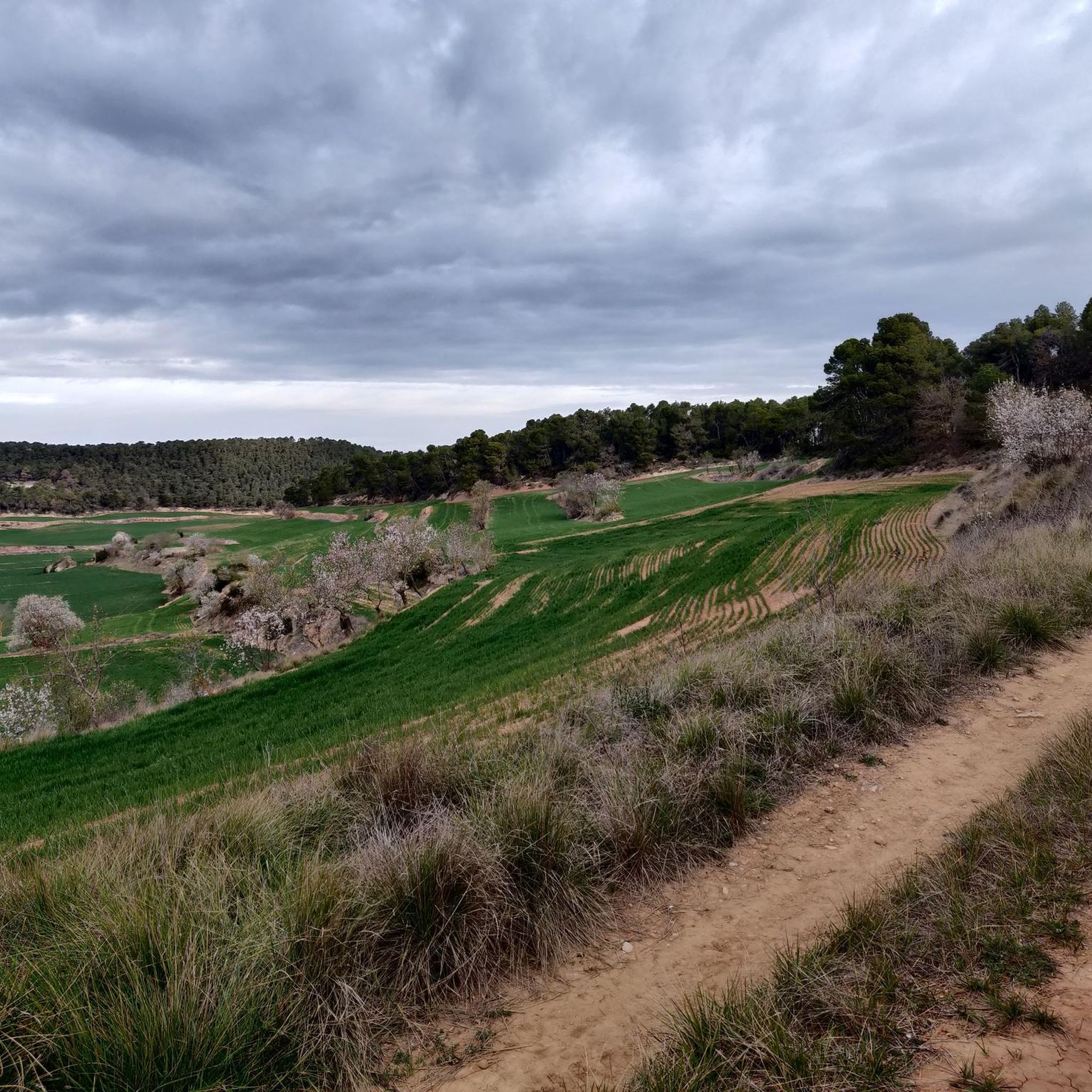
The drylands in the area are very beautiful and there are many possibilities for routes
1
0

The castle of Verdú is located in the heart of the town next to one of the most beautiful and unique churches in Catalonia, the church of Santa María de Verdú. The castle preserves different architectural elements: Romanesque, Gothic and Renaissance. We will find information panels, but I recommend hiring the guided tour at the Verdú tourist office.
1
0
We are at the Castle of Bellpuig, a place with charm and history that we must visit along with the medieval and Renaissance surroundings of the town of Bellpuig, located in the Urgell region. Apart from the castle, we can visit the parish church of Sant Nicolau from the 16th century.
0
0
Frequently Asked Questions
What is the most historically significant castle in Verdú?
The most historically significant castle is the Verdú Castle. It originated as a frontier castle in the late 11th or early 12th century and later transformed into a palace-residence. It showcases a blend of Romanesque, Gothic, and Renaissance architectural styles, reflecting centuries of Catalan history.
Which castles around Verdú are known for their architectural evolution?
The Verdú Castle is a prime example, displaying Romanesque, Gothic, and Renaissance elements. Its history reflects its transformation from a defensive structure to a residential palace, particularly after becoming property of the Monastery of Poblet.
Are there any castles near Verdú that preserve their original medieval exterior?
Yes, Castillo de Maldà, dating to the 13th century, is noted for preserving its exterior in Gothic and medieval style.
What outdoor activities can I do near the castles around Verdú?
The region offers various outdoor activities. You can find numerous cycling routes, including difficult ones like 'Tárrega - Bellpuig - Sant Martí de Malda - Vallbona de les Monges - Verdú', or explore hiking trails such as 'Castillo de Tàrrega y Vilagrassa'. For mountain biking, there are routes like 'Water Fountain – Torre de Guimerà loop'. You can find more details on these activities in the cycling guide, hiking guide, and MTB trails guide for Verdú.
Can I visit the interior of Verdú Castle?
Yes, Verdú Castle has been open to the public since 2013. The Verdú Tourist Office offers guided visits that provide access to the main halls, including the parade ground, the Mill Room, and the Abbot Copons room.
What makes Bellpuig Castle an interesting visit?
Bellpuig Castle, with origins in the 11th century, allows visitors to explore its lower galleries and part of the southeast wall, offering a glimpse into its former grandeur despite subsequent renovations. Today, it houses municipal offices and a music school.
Are there any castles that offer panoramic views of the surrounding area?
The Verdú Castle, situated at an altitude of 434 meters, likely offers impressive views of the surrounding drylands and agricultural landscape.
What is the best season to visit the castles around Verdú?
While specific data on the best season isn't provided, visiting during spring or autumn generally offers pleasant weather for exploring historical sites and enjoying outdoor activities in Catalonia, avoiding the peak heat of summer.
What kind of architectural features can be found at Guimerà Castle?
Guimerà Castle is notable for its strategically located position on a plain of living rock, featuring a characteristic round watchtower and defense. It's part of a medieval enclosure that expanded over several phases.
Are there any family-friendly historical sites or castles in the Verdú area?
The town of L'Ametlla de Segarra, linked to a castle of the same name, is listed as family-friendly. Exploring its heritage, including the church of Sant Pere and the old castle tower, can be an engaging activity for families.
What do visitors appreciate most about the castles around Verdú?
Visitors appreciate the rich history and architectural evolution visible in castles like Verdú Castle, which preserves Romanesque, Gothic, and Renaissance elements. The surrounding drylands also offer beautiful scenery for routes.
How can I get more information about visiting Verdú Castle?
For detailed information and to arrange guided tours of Verdú Castle, it is recommended to contact the Verdú Tourist Office.
Most popular attractions around Verdú

Get inspired with the komoot mobile app


Explore more
Looking for the best castles somewhere else? Discover other guides around Verdú:
