Attractions and Places To See around Villamanrique De Tajo - Top 20
Attractions and places to see around Villamanrique De Tajo include a blend of natural beauty and historical landmarks in the southeast of the Community of Madrid. This tranquil municipality is situated along the Tagus River, offering a traditional Spanish atmosphere. The area features diverse natural spaces and historical sites, providing opportunities for exploration and appreciating local heritage.
Best attractions and places to see around Villamanrique De Tajo
- The most popular attractions is Villamanrique de Tajo Viaduct, a bridge that…
Last updated: July 2, 2026
Plaza Mayor of Colmenar de Oreja
Highlight • Settlement
Translated by Google •
Tip by

Plaza Mayor of Colmenar de Oreja
Highlight • Settlement
Translated by Google •
Tip by

Sign up now to discover places like this
Get recommendations on the best single tracks, peaks, & plenty of other exciting outdoor places.
Sign up for free
Castle of Villarejo de Salvanés
Highlight • Castle
Translated by Google •
Tip by

Iron Bridge of Fuentidueña de Tajo
Highlight • Bridge
Translated by Google •
Tip by
Villamanrique de Tajo Viaduct
Highlight • Bridge
Translated by Google •
Tip by

Sign up for free to discover even more attractions around Villamanrique De Tajo.
Sign up for free
Already have an account?
Start today with a free account
Your next adventure awaits.
Login or Signup
Popular around Villamanrique De Tajo
Albarracín to Toledo – Eastern Tagus Nature Trail
A journey on the Iberian Peninsula – Tagus Nature Trail
Cycling around Villamanrique De Tajo
Road Cycling Routes around Villamanrique De Tajo
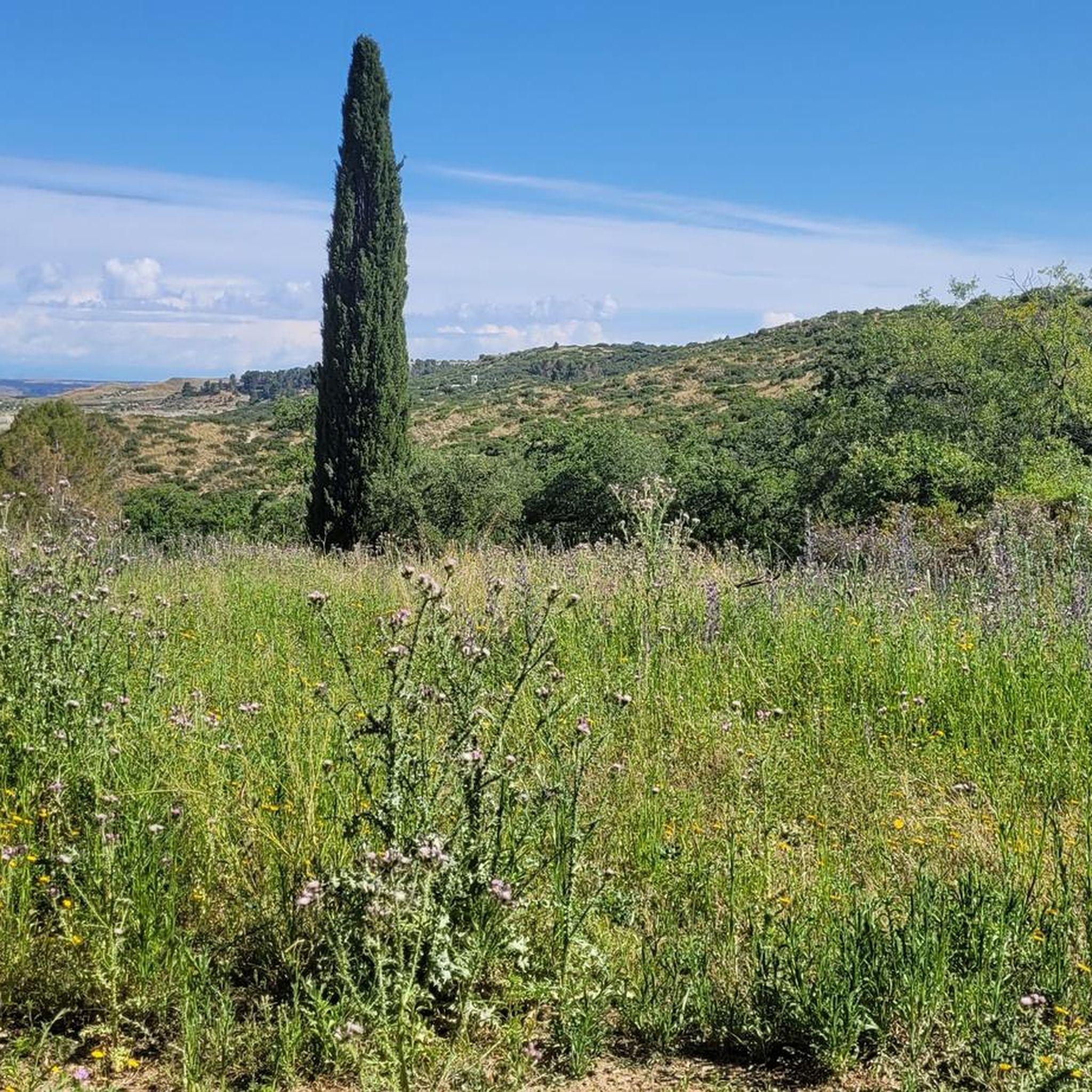
MTB Trails around Villamanrique De Tajo
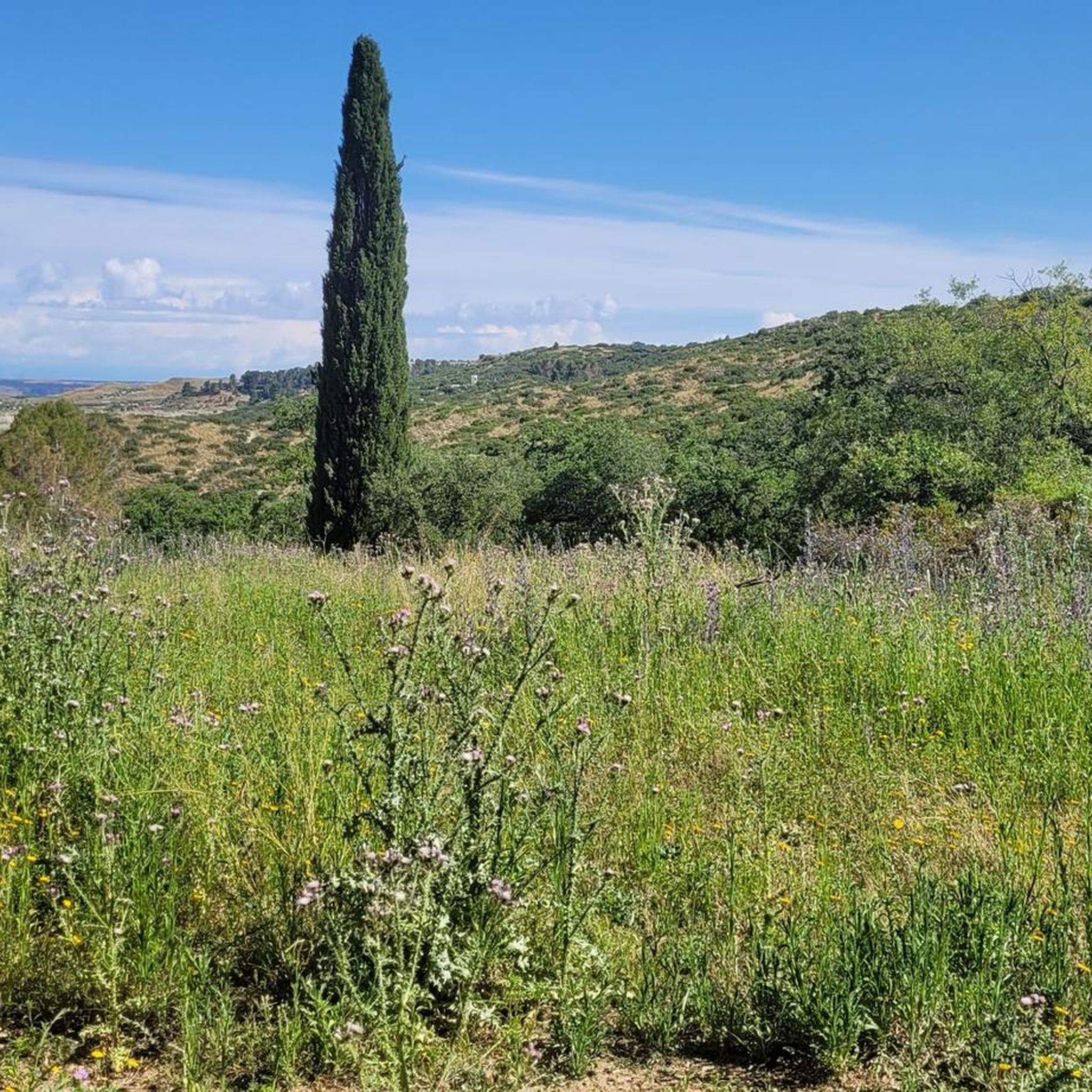
Hiking around Villamanrique De Tajo

Running Trails around Villamanrique De Tajo
Other adventures around Villamanrique De Tajo


Tips from the Community

Historic town of Madrid famous for its monumental arcaded Plaza Mayor, its limestone quarries (used in the Royal Palace) and its centuries-old wineries with D.O. Vinos de Madrid
4
0

Undoubtedly one of the most beautiful towns in southern Madrid, with a long-standing winemaking and agricultural tradition, its arcaded main square is a must-see.
0
0

For its tower, which is worth visiting, and its tree-lined plaza where you can relax in the shade.
0
0

The Tower is the icon of Villarejo de Salvanés, it is a unique model of a keep among the constructions of medieval fortresses. Around it there are remains of the walls and rooms that completed the complex of the old castle of the town, occupied for several centuries by the knights of the Order of Santiago. The Plaza de la Constitución concentrates a good part of the monumental Villarejo de Salvanés, opposite the Tower is the church of San Andrés Apóstol, imposing and with tower-shaped buttresses that give a defensive appearance to the building. And one corner is occupied by the Casa de la Tercia, headquarters of the Encomienda Mayor de Castilla and current Ethnographic Museum. An interesting place for fans of the seventh art is the Museo del Cine, the first professional film museum in Spain.
0
0

The Plaza Mayor in Colmenar de Oreja is one of the most emblematic squares in the Community of Madrid. Its construction began in the 16th century and lasted for more than 100 years. Designed by the architect Juan Bautista de Toledo, a disciple of Michelangelo, the square is a magnificent example of Castilian civil architecture. The square stands out for its porticoed design and its ingenious integration of two neighbourhoods separated by a stream. It also houses historic buildings such as the Town Hall and the Pósito.
7
0
It is an impeccable representation of a Castilian porticoed square, with arcades, stone and wooden columns and traditional facades. The current construction was carried out between the 17th and 18th centuries. The main buildings are the Town Hall and El Pósito. At the exit of the square is the Stone Museum.
2
0

It is a shame that only the keep of the entire walled building is preserved, but it is also fortunate to miss out on enjoying this architectural beauty, whose shape is peculiar and unusual in this type of fortress.
1
0

The Fuentidueña de Tajo bridge is an engineering work from the mid-19th century that restored the passage through this river on the way to Cuenca. It is the oldest large metal bridge in Madrid. This work allowed communications to be modernized at the time of its execution.
2
0
Frequently Asked Questions
What historical landmarks can I explore in Villamanrique de Tajo?
Villamanrique de Tajo and its surroundings offer several historical sites. You can visit the Castle of Villarejo de Salvanés, a fortress of the Order of Santiago. The town also features the Iglesia de Nuestra Señora de Arbuel with its distinctive octagonal bell tower, and remnants of the Islamic Castillo de Albuher. Additionally, the Hermitage of the Most Holy Christ of Humilladero is a significant 16th-century building.
Are there any natural parks or riverside areas to visit?
Yes, the Parque Fluvial is a prominent natural area, essentially an island in the Tagus River, perfect for walks and observing diverse birds and aquatic species. It features picnic areas, sports zones, and children's parks. The Tagus River itself offers ecological trails like the Ruta del Castillo and the Senda Ecológica for enjoying riverside nature.
What are some notable architectural or engineering works in the area?
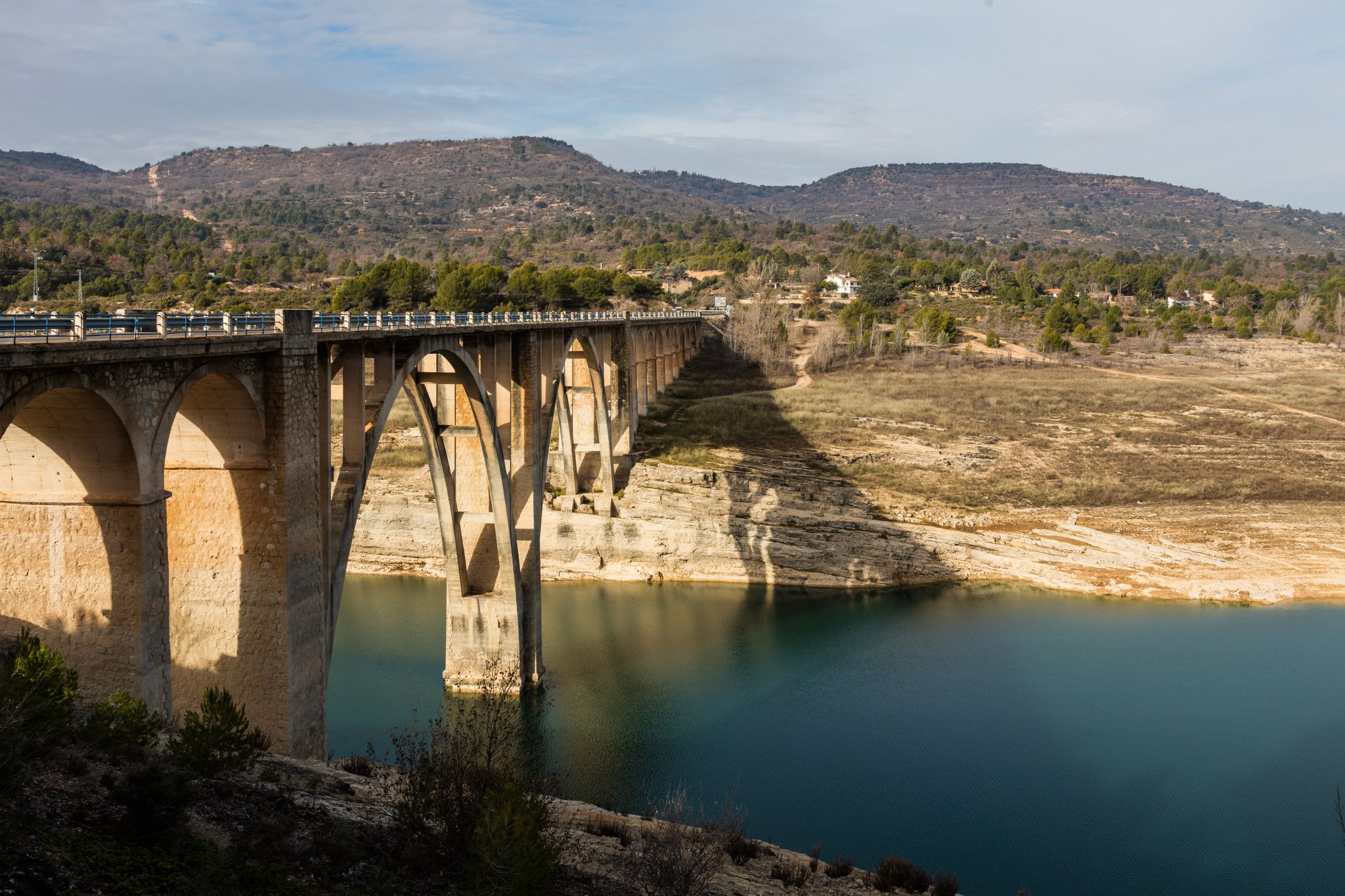
The region is home to impressive engineering. The Villamanrique de Tajo Viaduct is a notable engineering work, now used by cyclists. The Iron Bridge of Fuentidueña de Tajo, dating from the mid-19th century, is the oldest large metal bridge in Madrid. You can also see the Azud de Buenamesón, a weir reflecting historical engineering prowess on the Tagus.
What kind of outdoor activities can I do near Villamanrique de Tajo?
The area is excellent for outdoor activities, especially cycling and mountain biking. You can find numerous routes, such as the 'Villamanrique de Tajo – Colmenar de Oreja loop' for road cycling, or the 'Fuentidueña de Tajo loop' for mountain biking. There are also general cycling routes like the 'Route of the Castles'. For more details on these and other routes, visit the Cycling around Villamanrique De Tajo guide.
Are there any family-friendly attractions in Villamanrique de Tajo?
Yes, several attractions are suitable for families. The Parque Fluvial offers children's parks and picnic areas. Historical sites like the Plaza Mayor of Colmenar de Oreja and the Iron Bridge of Fuentidueña de Tajo are also considered family-friendly, offering interesting sights for all ages.
Where can I experience traditional Spanish architecture?
The town of Villamanrique de Tajo itself is known for its traditional white houses, characteristic of Castilian-Manchegan style. The Plaza Mayor of Colmenar de Oreja is another excellent example, showcasing monumental arcaded design and historic buildings like the Town Hall, representing significant Castilian civil architecture.
What kind of wildlife can I expect to see in the natural areas?
The natural spaces around Villamanrique de Tajo, particularly along the Tagus River, are rich in diverse wildlife. You might spot various amphibians like common frogs and spotted toads, as well as a wide array of birds such as European bee-eaters, hoopoes, common kestrels, and different warblers.
Is there a place to learn about the local culture and history?
Yes, the Museo Etnográfico (Ethnographic Museum), housed in the Casa de la Tercia, offers insights into the local culture and history of Villamanrique de Tajo. This building was once the headquarters of the Major Commandery of Castile.
What is the best time to visit Villamanrique de Tajo?
Villamanrique de Tajo is often described as a peaceful retreat where 'time has stopped.' The traditional white houses are designed to combat summer heat, suggesting that spring and autumn might offer the most comfortable temperatures for exploring the outdoor attractions and trails. The area's peaceful atmosphere can be enjoyed year-round.
Are there any viewpoints to enjoy panoramic scenery?
Yes, the octagonal bell tower of the Iglesia de Nuestra Señora de Arbuel, located at the highest point of the town, serves as a viewpoint offering scenic views over the Tagus River and the surrounding landscape.
What are some unique natural features to see?
Beyond the Parque Fluvial, the region is notable for its flora, including native pines, tamarisks, and elms along the Tagus River. The Palacio de Buenamesón estate, just outside town, is home to two significant trees: a 23-meter-tall, 150-year-old Aleppo pine and a 20-meter-tall gall oak.
Most popular routes around Villamanrique De Tajo
Most popular attractions around Villamanrique De Tajo

Get inspired with the komoot mobile app


Explore more
Still not found the Highlight you’re looking for? See guides of the top attractions in other regions:
