Attractions and Places To See around Artés - Top 20
Best attractions and places to see around Artés include a blend of historical sites, natural beauty, and cultural experiences. This town, located in the Bages comarca of Catalonia, Spain, is situated amidst vineyards and hills. It serves as a base for exploring the central Catalan region, offering diverse landscapes and historical landmarks.
Best attractions and places to see around Artés
- The most popular attractions is Salt de la Tosca Waterfall and Molí de Brotons, a waterfall that features a…
Last updated: October 9, 2026
Salt de la Tosca Waterfall and Molí de Brotons
Highlight • Waterfall
Translated by Google •
Tip by

Old road from Monistrol to Granera
Highlight (Segment) • Cycleway
Translated by Google •
Tip by

Sign up now to discover places like this
Get recommendations on the best single tracks, peaks, & plenty of other exciting outdoor places.
Puig de la Balma
Highlight • Historical Site
Translated by Google •
Tip by

Basilica of Santa Maria de la Seu de Manresa
Highlight • Religious Site
Translated by Google •
Tip by

Pont Vell de Manresa
Highlight • Bridge
Translated by Google •
Tip by

Sign up for free to discover even more attractions around Artés.
Already have an account?
Start today with a free account
Your next adventure awaits.



Tips from the Community

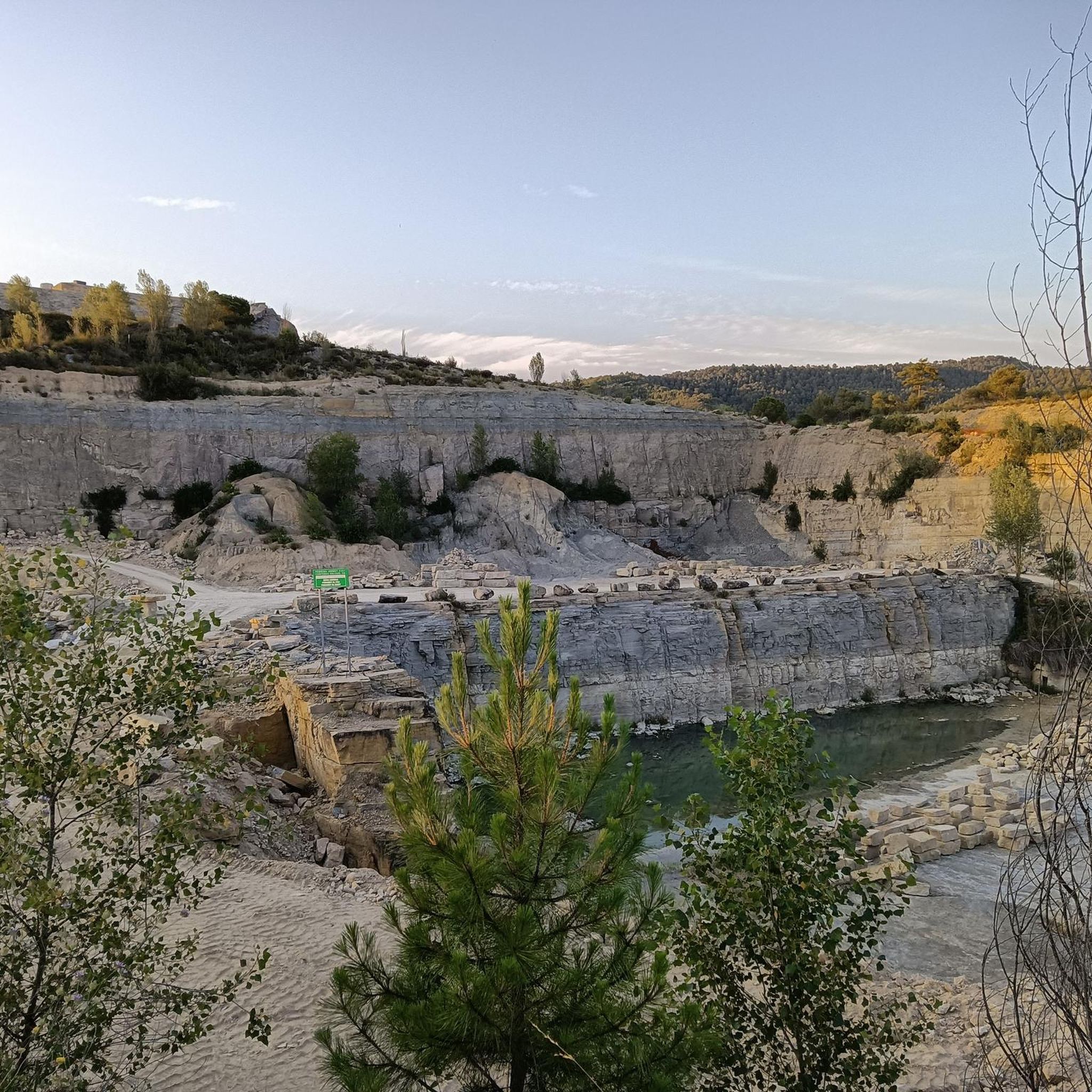
Waterfall encased in rough rock and an old flour mill documented since the 18th century, taking advantage of the constant force of the Llobeta stream. In addition to what everyone says, there is a little-mentioned detail here: the mill had a small auxiliary lock up the road that allowed the flow to be regulated so that the mill would not stop in dry summers. Remains of the canal and the hole where the wood of the old roller was repaired can still be seen. The path is short and cool, and the constant sound of the water explains why this corner was so valuable to the farmers of the entire valley.
1
0

The church sits majestically on the rock, towering over the city of Manresa. With a little imagination, one could imagine the church, dedicated to the Virgin Mary as a patron saint—and given the papal honorary title of basilica—as a heavenly crown, majestically proclaiming the praises of God on earth.
2
0

The Old Bridge of Manresa (Pont Vell) is one of the city's most emblematic monuments and forms part of its most distinctive skyline, along with the Basilica of La Seu and the Cave of Saint Ignatius. Of Roman origin, the current structure is a faithful reconstruction of a 12th-century medieval bridge. It was destroyed in 1939 during the Civil War and rebuilt between 1960 and 1962 by architect J. Pons Sorolla.
16
0
The Cathedral of Manresa, officially known as the Basilica of Santa Maria de la Seu, is one of the most emblematic monuments of Catalan Gothic architecture and a historical and spiritual symbol of the city of Manresa, in the heart of Catalonia. Its origins date back to the 9th century, when the first place of worship was built on Puigcardener hill, the site of the city's founding. In the 12th century, a Romanesque church was erected, of which elements such as the tympanum of the doorway, a window, and the cloister are still preserved. Over the centuries, Baroque elements (such as the bell tower and the crypt in the 18th century) and Neo-Gothic elements (such as the façade and the baptistery in the 20th century) were added. The basilica has survived wars and losses of heritage, but continues to bear witness to the history of Manresa.
19
2

Pont Vell de Manresa, crosses the Cardener river and connects the old Abrera road and Rodalies station with the Santuari de Sant Ignasi and the Old quarter.
2
0

It is a beautiful climb on a paved track in perfect condition. There are hard sections alternating with breaks. At the exit of Monistrol de Calders, you will find the hardest ramps. Then comes a break with a descent towards the stream. After crossing it, the climb begins again, which is now more constant, with some sections still very hard. The arrival at Granera is beautiful and the views from there are spectacular.
0
0
It is a beautiful climb on a very narrow road but in perfect condition since it is newly paved. There are some hard ramps, especially at the beginning of the climb, and also some rest. A very winding stretch that allows you to reach the beautiful town of Granera.
0
0
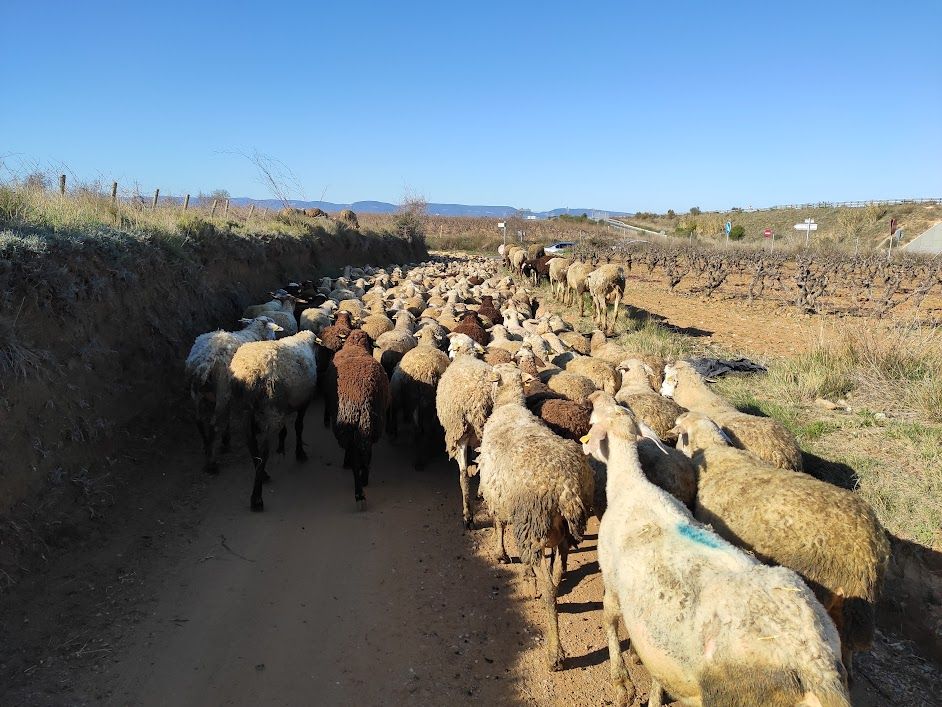
Old forest track, now asphalted rural road, that joins Monistrol de Calders with Granera, pass from Moianés to Bages. It is in very good condition, well signposted and with a route that allows you to go at a good pace, with good views and also some shade protection. Suitable for connecting MTB, gravel and road routes.
0
0
Frequently Asked Questions
What are some of the most popular attractions around Artés?
Visitors frequently enjoy the natural beauty of Salt de la Tosca Waterfall and Molí de Brotons, a picturesque waterfall featuring a historic mill. Another favorite is the Old road from Monistrol to Granera, a scenic cycle way with minimal car traffic. The historical site of Puig de la Balma, built into a rock face, also draws significant interest for its glimpse into Catalan rural life.
What historical sites can I visit in Artés and the surrounding area?
Artés is rich in history. You can explore the remains of the Old Castle and Walls, the Old Parish Church of Santa Maria with its Romanesque apse, and the archaeological Matacans Site, an Ibero-Roman settlement. The Plaça Vella in the heart of the village also holds historical significance with Roman inscriptions and an ancient Paleochristian Church. Nearby, you can visit the impressive Puig de la Balma, a historical complex built into a rock face, or the grand Basilica of Santa Maria de la Seu de Manresa and the ancient Pont Vell de Manresa.
Are there any museums in Artés?
Yes, you can visit the Museu de la Història d'Artés to learn about the town's local heritage. Additionally, the Puig de la Balma complex features a small museum showcasing agricultural tools and household items, offering a unique insight into Catalan rural life.
What natural features can I explore near Artés?
Artés is surrounded by diverse natural beauty. You can find the impressive Alzina del Pujol, a monumental holm oak, and the tranquil Font de les Tàpies, known for its picturesque fountain waterfall and oak grove. The town is also nourished by the Gavarresa and Malrubí creeks, with the Llobregat river marking its western boundary. Don't miss the Salt de la Tosca Waterfall and Molí de Brotons for a serene natural setting.
Are there hiking or cycling opportunities around Artés?
Absolutely! Artés is an excellent base for outdoor enthusiasts. The region offers numerous routes through pine and holm oak forests, vineyards, and olive groves. Notable trails include the PR-C 135 (Artés trail) and the PR-C 136 (Montcogul - La Gavarresa). For cycling, the Old road from Monistrol to Granera provides a freshly paved, quiet route. You can find more detailed routes for cycling, road cycling, and MTB around Artés.
Can I experience local wine culture in Artés?
Yes, Artés is a significant wine-growing town within the Bages region. It is part of the Denomination of Origin Pla de Bages for its wines and is also known for cava production. Exploring local vineyards and wineries offers an excellent opportunity to taste regional wines and learn about the winemaking process.
What do visitors enjoy most about the attractions in Artés?
Visitors particularly appreciate the blend of history and nature. They enjoy the tranquility and beauty of sites like the Salt de la Tosca Waterfall and Molí de Brotons, often stopping for picnics. The newly paved and quiet Old road from Monistrol to Granera is praised for its scenic views and suitability for cycling. The historical charm and unique architecture of places like Puig de la Balma, with its small museum, also leave a lasting impression.
Are there family-friendly attractions in Artés?
Yes, several attractions are suitable for families. The Salt de la Tosca Waterfall and Molí de Brotons is a great spot for a family outing, offering a beautiful natural setting and a historic mill. The Pont Vell de Manresa, an ancient bridge, is also categorized as family-friendly and offers a pleasant historical walk.
When is the best time to visit Artés for outdoor activities?
The spring and autumn months generally offer the most pleasant weather for outdoor activities like hiking and cycling in Artés, with mild temperatures and beautiful landscapes. Summers can be warm, but the natural areas like Font de les Tàpies or the Molí de Brotons offer cooler, shaded spots. Artés also hosts various festivals throughout the year, such as 'Today is Culture' in May and the Bages Harvest Festival in October, which can add a cultural dimension to your visit.
What cultural events or festivals take place in Artés?
Artés has a vibrant cultural calendar. Key events include 'Today is Culture' (first weekend of May), Revetlla de Sant Joan (June 23), Aplec de la Sardana (first weekend of July), Festa Major (first weekend of September), Bages Harvest Festival (first Sunday of October), Sarau Artesenc (December 8), and various Christmas celebrations. The town is also part of the Catalan Way of St. James, attracting pilgrims.
Can I find unique geological features near Artés?
Yes, the town of Artés lends its name to a unique geological formation nearby, known as the Artés Formation. This reflects the distinctive natural environment and geological history of the area, offering an interesting point of interest for those with an appreciation for geology.
Most popular attractions around Artés

Get inspired with the komoot mobile app


Explore more
Still not found the Highlight you’re looking for? See guides of the top attractions in other regions:
