The best running trails around Almodóvar Del Campo
4.0
(2)
329
runners
55
runs
Jogging around Almodóvar Del Campo offers extensive natural landscapes and varied terrain, making it an excellent destination for outdoor activities. The region encompasses a significant portion of the Valle de Alcudia and serves as a gateway to the Natural Park of Valle de Alcudia and Sierra Madrona. Characterized by its volcanic origins, the area features unique geological formations and a network of trails suitable for running. These natural features provide diverse and scenic routes for runners.
Best jogging routes around…
Last updated: June 26, 2026
3
runners
Hard run. Very good fitness required. Mostly paved surfaces. Suitable for all skill levels.
12
runners
10.8km
01:21
310m
310m
Hard run. Very good fitness required. Mostly paved surfaces. Suitable for all skill levels.

Sign up for free
8
runners
12.1km
01:17
100m
100m
Moderate run. Good fitness required. Mostly paved surfaces. Suitable for all skill levels.
4
runners
9.73km
01:03
40m
40m
Moderate run. Good fitness required. Mostly paved surfaces. Suitable for all skill levels.
7
runners
5.32km
00:33
50m
50m
Moderate run. Good fitness required. Mostly paved surfaces. Suitable for all skill levels.
Get access to more routes and recommendations from other explorers.
Sign up for free
Already have an account?
Our route recommendations are based on thousands of hikes, rides, and runs completed by other people on komoot.
Start today with a free account
Your next adventure awaits.
Login or Signup

Tips from the Community

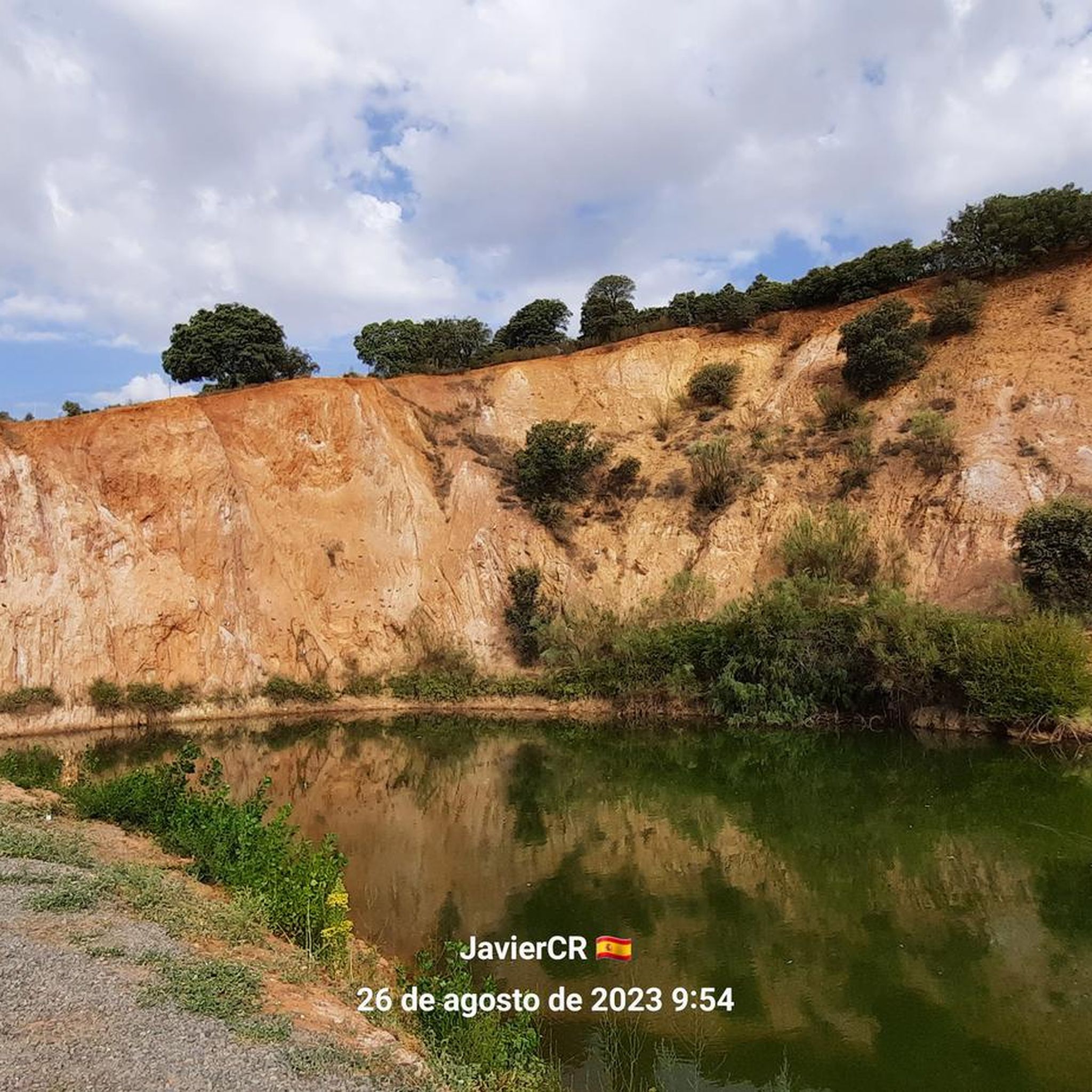
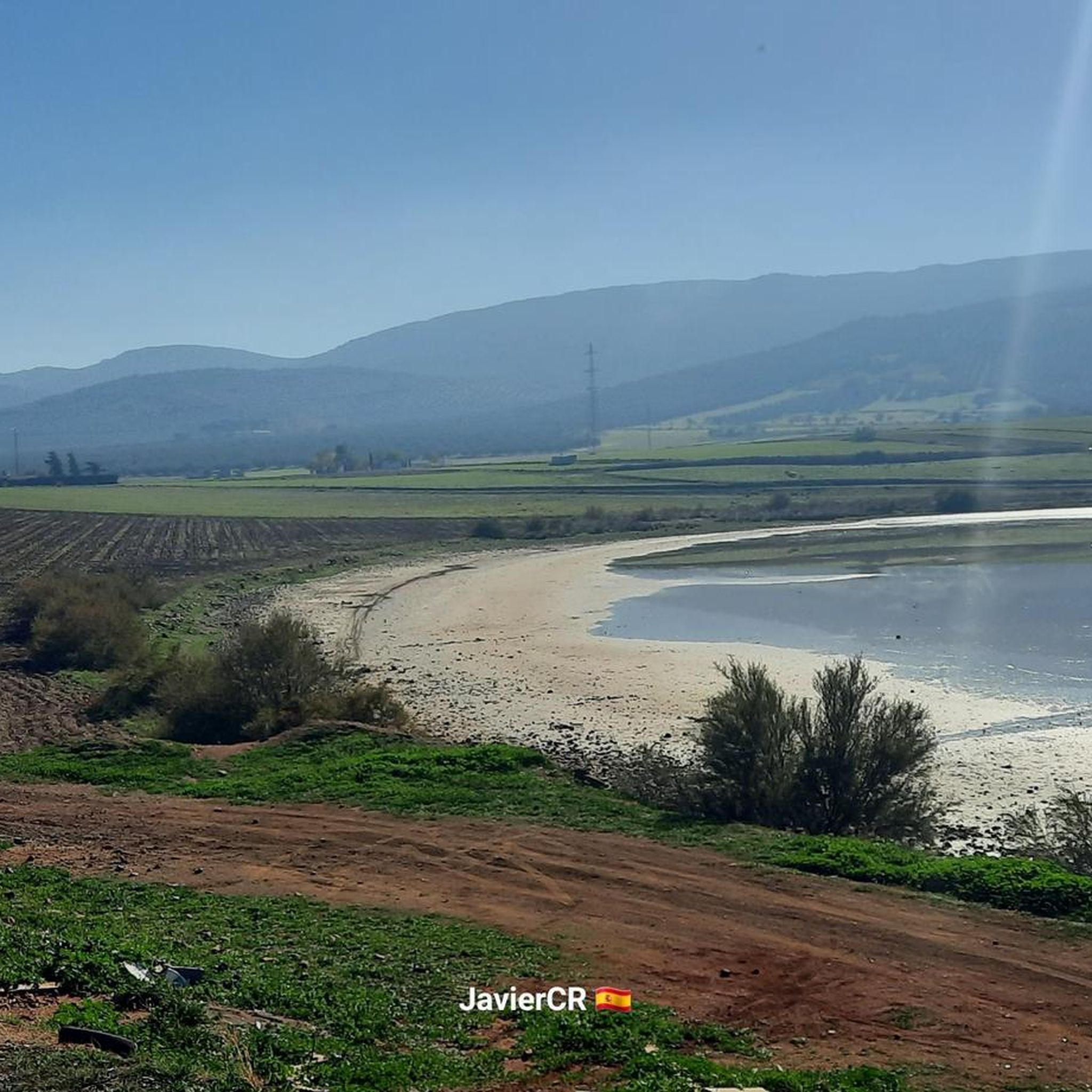
The Almodóvar del Campo Lagoon is a unique natural and geological feature located in the province of Ciudad Real, within the Campo de Calatrava region, famous for its volcanic landscapes. It is a lagoon formed in the crater of a volcano after a phreatomagmatic eruption (interaction between magma and groundwater). This type of lagoon is called a maar.
4
0
The monuments and centers of cultural interest are spread throughout its streets: the Palermo Museum, the Casa-Convent of La Merced, current home of the Hieronymite nuns, in a modernist style and dating back to the 19th century. Continuing the visit you can visit the Cervantina Library, inside which countless editions of Don Quixote are collected, in various languages, formats and periods, as well as canvases and drawings related to the Cervantine character. From here you can also see the Municipal Theater, built in 1845 on the site of the old Carmelite Convent.
19
0
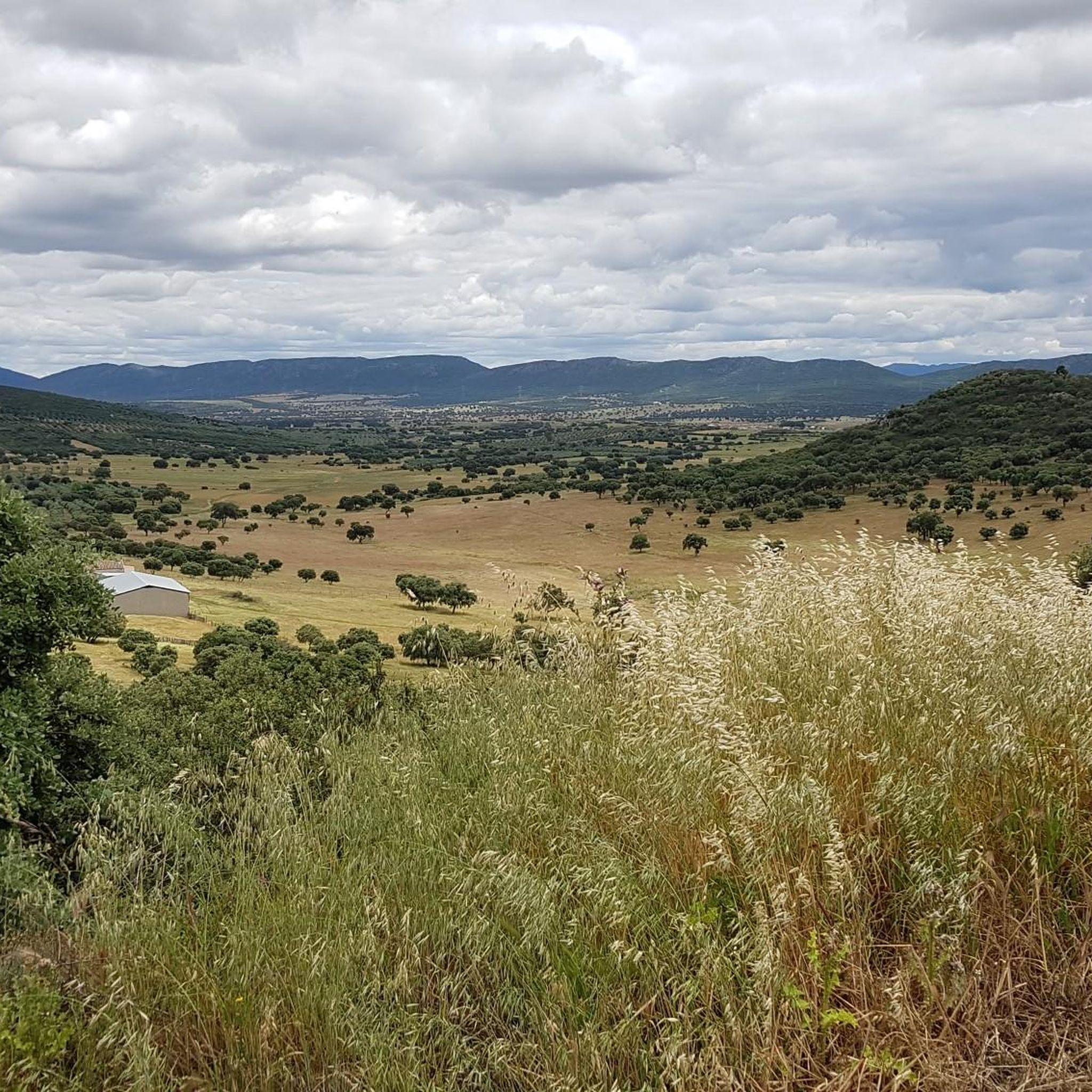
In the Alcudia Valley, we find the municipality of Almodóvar del Campo built on the side of a volcano, so present in Campo de Calatrava, and whose crater is now a lagoon. The Arab footprint is the most emblematic of the city, leaving behind the memory of the Castle and above all the unique Parish of Our Lady of the Assumption. There you can see the first videomapping in Spain permanently installed in a closed space, under the theme of the life and work of San Juan de Ávila.
29
0
It is formed by a Strombolian volcanic cone of pyroclasts, and due to the quarry in it, its internal structure is exposed. Attached to the foot of this volcano is the Almodóvar maar, which is a phreatomagmatic explosion crater that erupted at the edge of the Paleozoic series, cutting a substrate of hard lithology and destroying part of the previous volcano. The maar crater is funnel-type (hard-type substrate) and houses an ephemeral lagoon inside. In its southern and eastern contour the maar has a ring of tuffs, with pyroclastic facies. The phreatomagmatic deposits of the maar ring are located on a Cenozoic red colluvium. The main interest is of a volcanological (petrological) type and as a secondary interest the geomorphological interest stands out.
2
0
It is a volcanic formation made up of a crater and the Cerro de los Molinos. The crater gives rise to the lagoon and the hill is composed of solid lava. It is located near Almodóvar del Campo, in an easterly direction and, according to historians, it gave origin and name to the settlement of the population.
1
0

Puertollano is a Spanish town in the province of Ciudad Real, in the autonomous community of Castilla-La Mancha. Traditionally, it has been associated with oil shale and coal mining and industry. The area in which Puertollano is located has been inhabited since prehistory, with archaeological remains found that correspond to Homo heidelbergensis and Homo antecessor. During the Middle Ages the city was born, linked to the repopulation process of Castile during the 13th century. In the 16th century, Puertollano received the rank of town, a privilege granted by Philip II. At that time Puertollano was an important agricultural and livestock center. The demographic consolidation of the city occurred at the end of the 19th century, with the development of coal mining and the inauguration of the train line between Madrid and Badajoz. Its cultural heritage It corresponds mainly to religious buildings, such as the church of Nuestra Señora de la Soledad (14th century), the church of the Virgen de Gracia (15th century) and the church of the Asunción (16th century). There is also a mining museum, and an old medicinal sour water spa, known as the Bath House, which today is a municipal service to citizens.
1
0
In the Alcudia Valley, we find the municipality of Almodóvar del Campo built on the side of a volcano, so present in Campo de Calatrava, and whose crater is now a lagoon. The Arab footprint is the most emblematic of the city, leaving behind the memory of the Castle and above all the unique Parish of Our Lady of the Assumption. There you can see the first videomapping in Spain permanently installed in a closed space, under the theme of the life and work of San Juan de Ávila. The monuments and centers of cultural interest are spread throughout its streets: the Palermo Museum, the House-Convent of La Merced, current home of the Hieronymite nuns, in a modernist style and dating back to the 19th century. Continuing the visit you can visit the Cervantina Library, inside which countless editions of Don Quixote are collected, in various languages, formats and periods, as well as canvases and drawings related to the Cervantine character. From here you can also see the Municipal Theater, built in 1845 on the site of the old Carmelite Convent.
4
1
In the Alcudia Valley, we find the municipality of Almodóvar del Campo built on the slope of a volcano, so present in Campo de Calatrava, and whose crater is now a lagoon. The Arab footprint is the most emblematic of the city, leaving behind the memory of the Castle and above all the unique Parish of Our Lady of the Assumption. There you can see the first videomapping in Spain permanently installed in a closed space, under the theme of the life and work of San Juan de Ávila. Monuments and centers of cultural interest are scattered throughout its streets: the Palermo Museum, the Casa-Convento de La Merced, the current home of the Hieronymite nuns, modernist in style and dating from the 19th century. Continuing the visit you can visit the Cervantina Library, inside which an infinite number of editions of Don Quixote are collected, in different languages, formats and periods, as well as canvases and drawings related to the Cervantine character. From here you can also see the Municipal Theatre, built in 1845 on the site of the old Carmelite Convent.
6
0
Frequently Asked Questions
How many running routes are available in Almodóvar Del Campo?
There are over 50 dedicated running routes around Almodóvar Del Campo, offering a wide variety of distances and difficulty levels to suit different preferences and fitness levels.
What kind of terrain can I expect on the jogging paths around Almodóvar Del Campo?
The region offers diverse terrain, from the extensive natural landscapes of the Valle de Alcudia and Sierra Madrona Natural Park to unique volcanic formations. You'll find paths through rural areas with dryland cereal fields and olive groves, as well as more challenging trails with varied elevation changes. This variety ensures a dynamic running experience.
Are there running routes suitable for beginners or those looking for an easy jog?
Yes, Almodóvar Del Campo offers routes suitable for all levels. While many routes are moderate or difficult, there is at least one easy route available. For example, the Running loop from Puertollano is a moderate 6.0-mile (9.7 km) path with minimal elevation gain, making it a good option for a less strenuous run.
Can I find challenging running trails in Almodóvar Del Campo?
Absolutely. The area is known for its varied terrain, and you'll find plenty of challenging options. For instance, the Patos loop from Ciudad Jardín is a difficult 10.6-mile (17.1 km) route with significant elevation changes, perfect for experienced runners seeking a demanding workout.
Are there any circular jogging routes in the area?
Yes, many of the running routes around Almodóvar Del Campo are circular, allowing you to start and finish at the same point. A popular example is the Cerro de San Agustín by the Laguna de Almodóvar — circular from Puertollano, which is a 9.7-mile (15.6 km) loop.
What natural features or landmarks can I see along the running routes?
The region is rich in natural beauty and unique geological formations. You can explore the Maar and Strombolian volcano of Almodóvar del Campo, or enjoy the serene waters of Laguna Blanca and Laguna de la Carrizosa. The routes also offer panoramic views from spots like the Mirador de la Ermita de Santa Brígida, showcasing the diverse ecosystem of the Sierra and Valle de Alcudia.
What do other runners say about the trails in Almodóvar Del Campo?
The running routes in Almodóvar Del Campo are highly rated by the komoot community, with an average score of 4.0 stars from over 2 reviews. More than 300 runners have explored the varied terrain, often praising the natural beauty, tranquility, and diverse landscapes, especially the unique volcanic features and the expansive Valle de Alcudia.
Are there any routes that pass by volcanic landscapes or lakes?
Yes, the region's volcanic origins are a defining feature. Many routes, such as the Cerro de San Agustín by the Laguna de Almodóvar — circular from Puertollano, explore areas around volcanic lakes like Laguna de Almodóvar. You can also find routes near other volcanic features such as Los Castillejos Volcánicos de La Bienvenida.
Is Almodóvar Del Campo a good place for long-distance running?
With 13 difficult routes and many moderate options, Almodóvar Del Campo provides excellent opportunities for long-distance running. The extensive trail network through the Valle de Alcudia and Sierra Madrona allows for extended runs, with some routes exceeding 10 miles (16 km), such as the Patos loop from Ciudad Jardín at 10.6 miles (17.1 km).
What is the best time of year to go jogging in Almodóvar Del Campo?
The extensive natural landscapes and rural environment make Almodóvar Del Campo enjoyable for jogging throughout much of the year. Spring and autumn generally offer the most pleasant temperatures for outdoor activities. Summers can be hot, so early morning or late evening runs are advisable, while winters are typically mild, making it possible to run year-round.
Are there any specific viewpoints or scenic spots along the running trails?
Yes, the region offers several scenic viewpoints. The Mirador de la Ermita de Santa Brígida, located on Cerro de Santa Brígida, provides magnificent panoramic views of the Sierra de Almodóvar, the Tirteafuera Depression, and the Almodóvar-Argamasilla Depression. Many trails pass through areas with expansive vistas of the natural park and rural landscapes.
Most popular routes around Almodóvar Del Campo
Most popular attractions around Almodóvar Del Campo

Get inspired with the komoot mobile app


Explore more
Browse the best Running Trails & Routes in other regions.
