The best road cycling routes around Molacillos
3.8
(6)
707
riders
38
rides
Road cycling around Molacillos, located in the province of Zamora, Spain, offers routes through a landscape characterized by rolling hills and fertile agricultural fields. The municipality is nestled between the Valderadoy River and the Arroyo del Salado, providing tranquil settings for rides. This region features varied vegetation and open vistas, with terrain that balances gradual inclines and descents. The rural environment typically presents lower traffic density, contributing to a peaceful cycling experience.
Best road cycling routes around Molacillos
- The most…
Last updated: May 16, 2026
17
riders
70.1km
02:53
340m
340m
Moderate road ride. Good fitness required. Mostly well-paved surfaces and easy to ride.
14
riders
72.9km
03:13
660m
660m
Moderate road ride. Good fitness required. Mostly well-paved surfaces and easy to ride.

Sign up for free
88.8km
03:31
390m
390m
Moderate road ride. Good fitness required. Mostly well-paved surfaces and easy to ride.
Moderate road ride. Good fitness required. Mostly well-paved surfaces and easy to ride.
3.0
(1)
65
riders
71.9km
02:55
350m
340m
Moderate road ride. Good fitness required. Mostly well-paved surfaces and easy to ride.
Get access to more routes and recommendations from other explorers.
Sign up for free
Already have an account?
Our route recommendations are based on thousands of hikes, rides, and runs completed by other people on komoot.
Start today with a free account
Your next adventure awaits.
Login or Signup
Tips from the Community

The Alcázar of Toro is a historic fortification located in the town of Toro (Zamora, Castile and León), with great heritage and scenic value. It was built in the 10th century during the Christian repopulation, as part of the defensive system against Muslim incursions. It was reinforced in subsequent centuries, especially in the Middle Ages, when Toro acquired strategic importance in the Kingdom of León and later in Castile. It played a prominent role in the War of the Castilian Succession (1475), in the famous Battle of Toro between supporters of Isabella I of Castile and Joanna la Beltraneja.
2
0
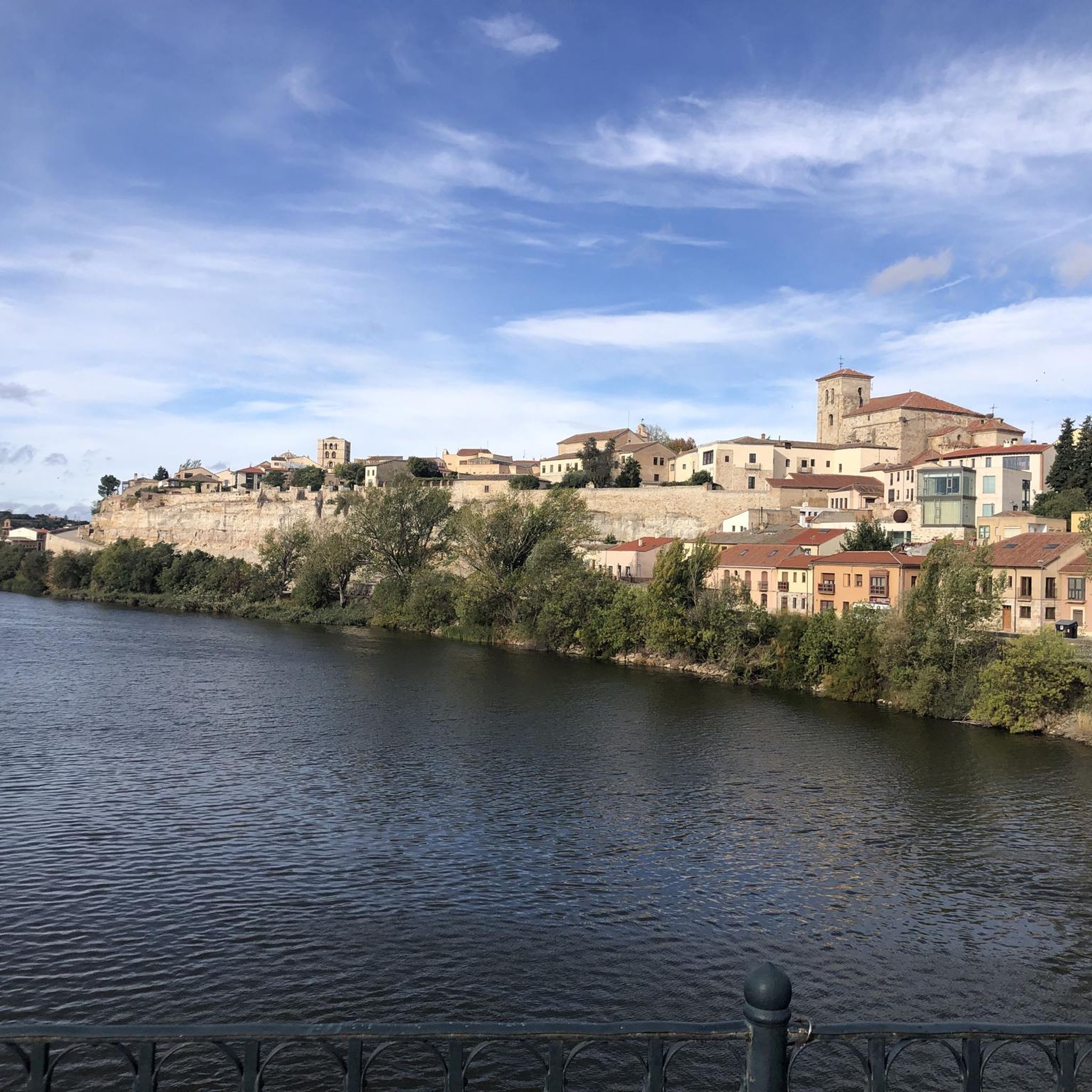
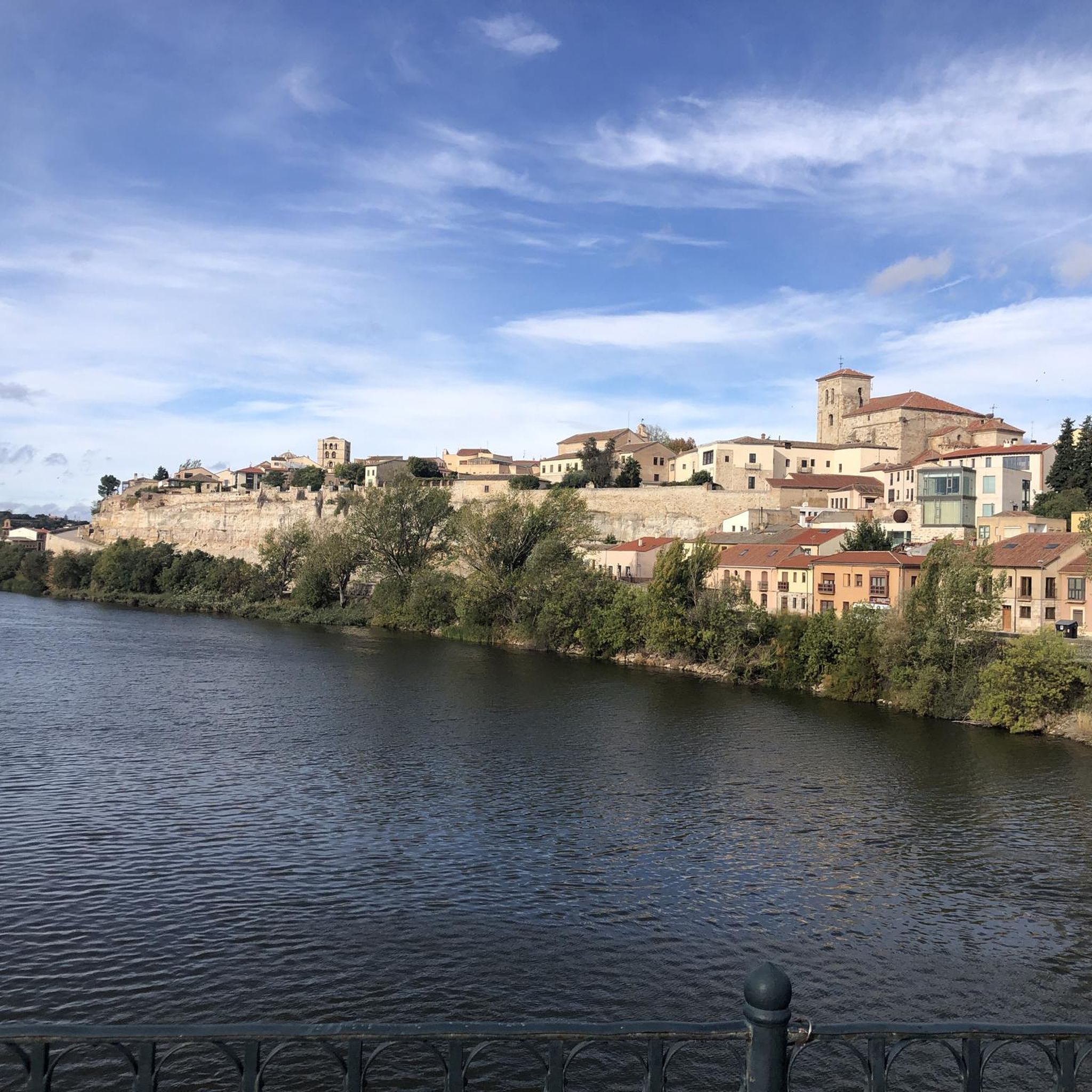
It spans the Duero River in Zamora (Castilla y León), connecting Avenida de Portugal (Pinilla neighborhood) with Calle de Salamanca in the city. The project began in 1882, with construction starting in 1892, under the direction of engineer Prudencio Guadalajara, to alleviate the overloading of the old Stone Bridge. Inaugurated in 1900, it represented a significant improvement in handling the growing traffic in the city. It was designed in steel, using a metal lattice structure of the St. Andrew's Cross type, typical of the late 19th century.
3
0
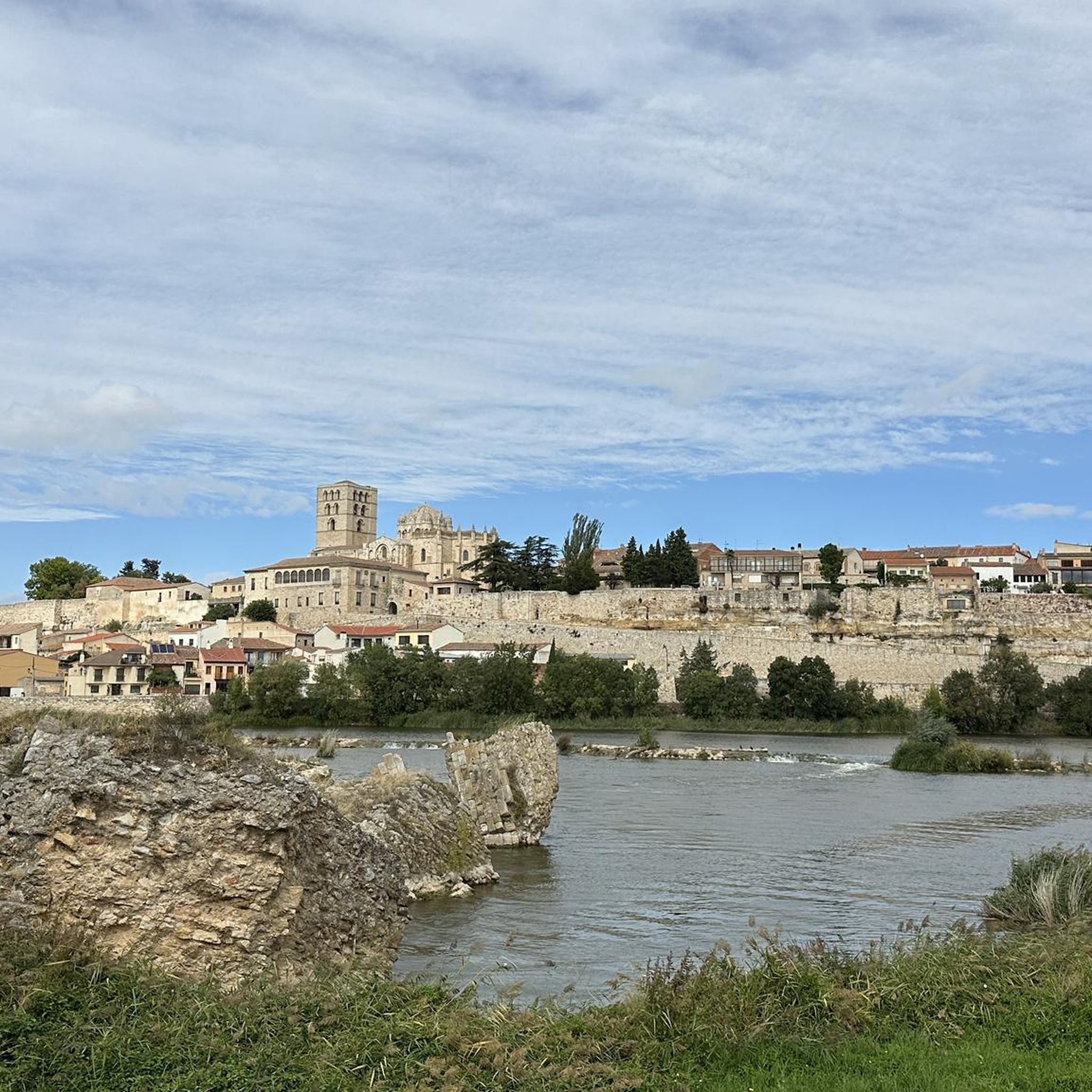
The inspiration for the Collegiate Church came from the Cathedral of Zamora, and its design also influenced other buildings, such as the Old Cathedral of Salamanca. Construction began in the 12th century under the auspices of the kings of León. It is one of the most characteristic examples of Romanesque in its transitional phase. The works extended over an unusually long period, from the last third of the 12th century to the middle of the 13th. The collegiate church was built in two stages: the first included the side portals, walls and layouts, while the second focused on the roof and a dome with attached towers. If you ever have the opportunity to visit Toro, don't miss the opportunity to explore this wonderful collegiate church. It is a true historical treasure! 🌟
3
0

Along with the town of Villalube, there is also the town of Gallegos del Pan, both of which are close by the Arroyo de las Fuenticas.
0
0
Pinilla de Toro is a locality that is on the border with Valladolid and that, in addition, at the entrance of the town you can see the Iglesia de San Martín, which can be seen from afar.
0
0
Bridge that helps to cross the waters and the banks of the Río Duero before reaching the city of Zamora.
0
0
To the north of the Sierra de Cantadores we find this mountain range that is located along the banks of the Ricobayo Reservoir. Beautiful area of crowded areas.
0
0

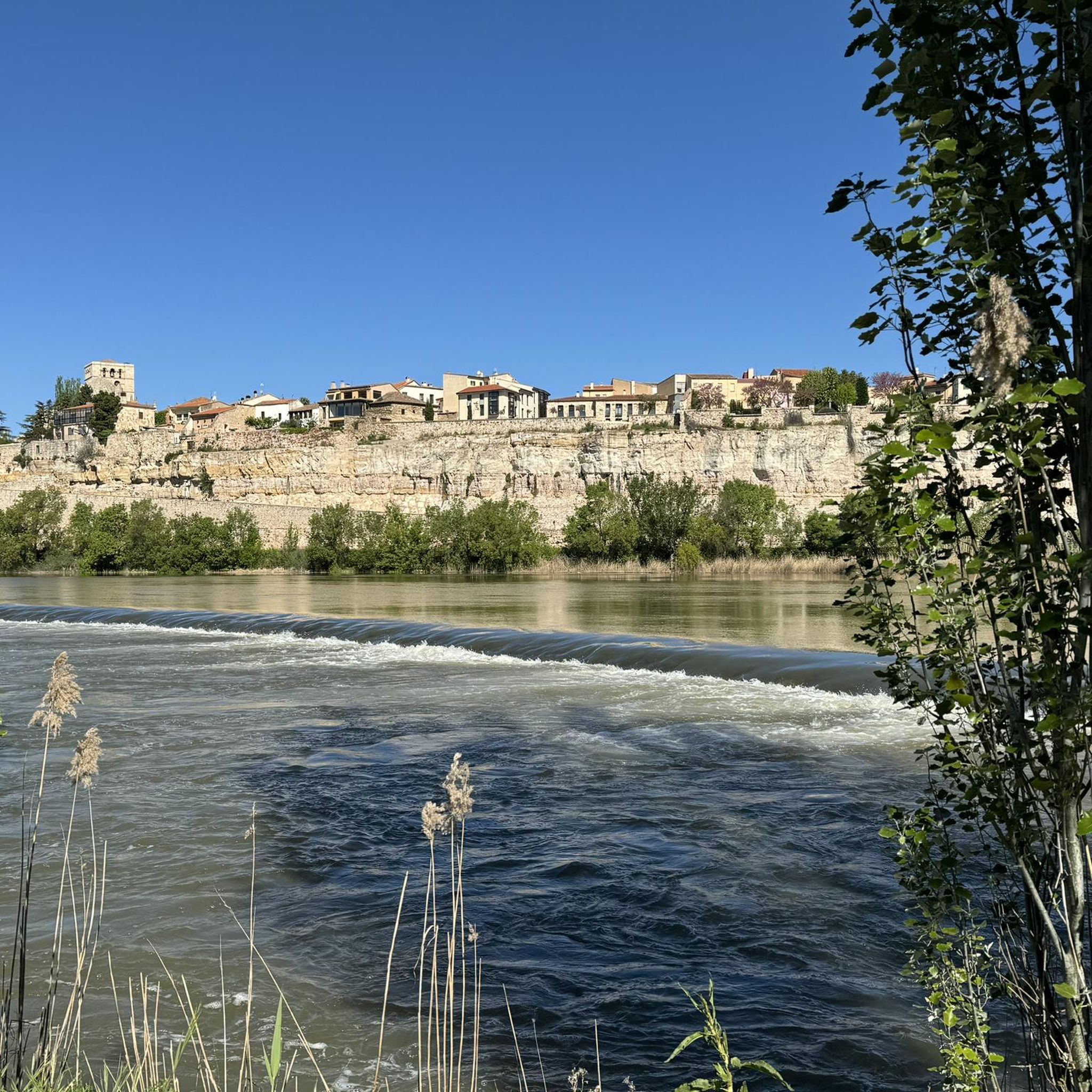
The Senda del Duero is a beautiful path that runs along the river. It is perfect for bicycles and walkers. Tour all of Zamora and pass through the Parque de Los Tres Arboles.
0
0
Frequently Asked Questions
How many road cycling routes are available around Molacillos?
There are nearly 40 road cycling routes available around Molacillos, catering to various skill levels. You'll find a good mix of easy, moderate, and difficult options to explore the region's diverse landscapes.
What kind of terrain can I expect on road cycling routes near Molacillos?
The terrain around Molacillos is characterized by rolling hills and extensive agricultural fields, nestled between the Valderadoy River and the Arroyo del Salado. This provides a balanced cycling experience with gradual inclines and descents, rather than steep mountainous climbs, making for serene rides through rural landscapes.
Are there any interesting landmarks or scenic stops along the road cycling routes?
Yes, many routes offer scenic views and pass by notable landmarks. You can enjoy riverine environments, agricultural vistas, and even historical sites. For example, the Zamora - Toro Duero River Loop follows the Duero River, while the Ricobayo Reservoir Loop from Zamora provides views of the Ricobayo Reservoir. In the broader Zamora province, you can find attractions like the Castle of Zamora and the Zamora Stone Bridge.
Are there circular road cycling routes available?
Yes, there are several circular road cycling routes. A popular option is the Tierra del Pan by Villalube, Fresno de la Ribera and Pinilla de Toro — circular, which offers a moderate ride through the region. Another challenging circular route is the Puente de Hierro de Zamora – Puente de los Poetas loop from Zamora.
What is the best season for road cycling in Molacillos?
The best seasons for road cycling in Molacillos are generally spring and autumn. During these times, the weather is typically mild and pleasant, making for comfortable rides. Summer can be quite warm, while winter might bring colder temperatures, though specific conditions can vary.
Are there family-friendly road cycling routes in the Molacillos area?
While specific routes are not explicitly designated as 'family-friendly' in the guide, the region's generally rolling terrain and low traffic density in rural areas make it suitable for families seeking leisurely rides. Routes along riverine environments often feature gentler gradients. It's advisable to check the difficulty and distance of individual routes to match your family's capabilities.
What do other road cyclists enjoy the most about road cycling in Molacillos?
The road cycling routes around Molacillos are highly rated by the komoot community, with an average score of 3.8 stars. Cyclists often praise the peaceful rural environment, the scenic views of agricultural fields and river landscapes, and the varied terrain that offers a good balance of challenge and enjoyment.
Can I find routes that pass through local villages or agricultural areas?
Absolutely. Many routes are designed to showcase the rural charm of the region. For instance, the Tierra del Pan Villages Loop from Zamora specifically leads through agricultural fields and local villages, offering a glimpse into the local life and landscape.
Are there options for different difficulty levels?
Yes, the Molacillos area offers a range of road cycling routes to suit various abilities. You can find easy routes for a relaxed ride, moderate options for those seeking a bit more challenge, and difficult routes for experienced cyclists looking for a demanding adventure. There are 6 easy, 24 moderate, and 8 difficult routes available.
What are the typical distances and durations for road cycling routes here?
Routes vary significantly in distance and duration. For example, a moderate route like the Zamora - Toro Duero River Loop is about 70 km (43.5 miles) and takes around 2 hours 52 minutes. Longer routes, such as the Tierra del Pan Villages Loop from Zamora, cover about 88.8 km (55.2 miles) and can take approximately 3 hours 30 minutes.
Is the Molacillos area suitable for road cyclists looking for less crowded routes?
Yes, the rural environment around Molacillos typically features lower traffic density compared to urban areas. This makes it an excellent choice for road cyclists seeking a peaceful and immersive experience, allowing you to enjoy the natural surroundings without significant vehicle interference.
Most popular attractions around Molacillos

Get inspired with the komoot mobile app


Explore more
Browse the best Road cycling routes in other regions.
