The best walks and hikes around L'Ènova
4.7
(213)
1,332
hikers
81
hikes
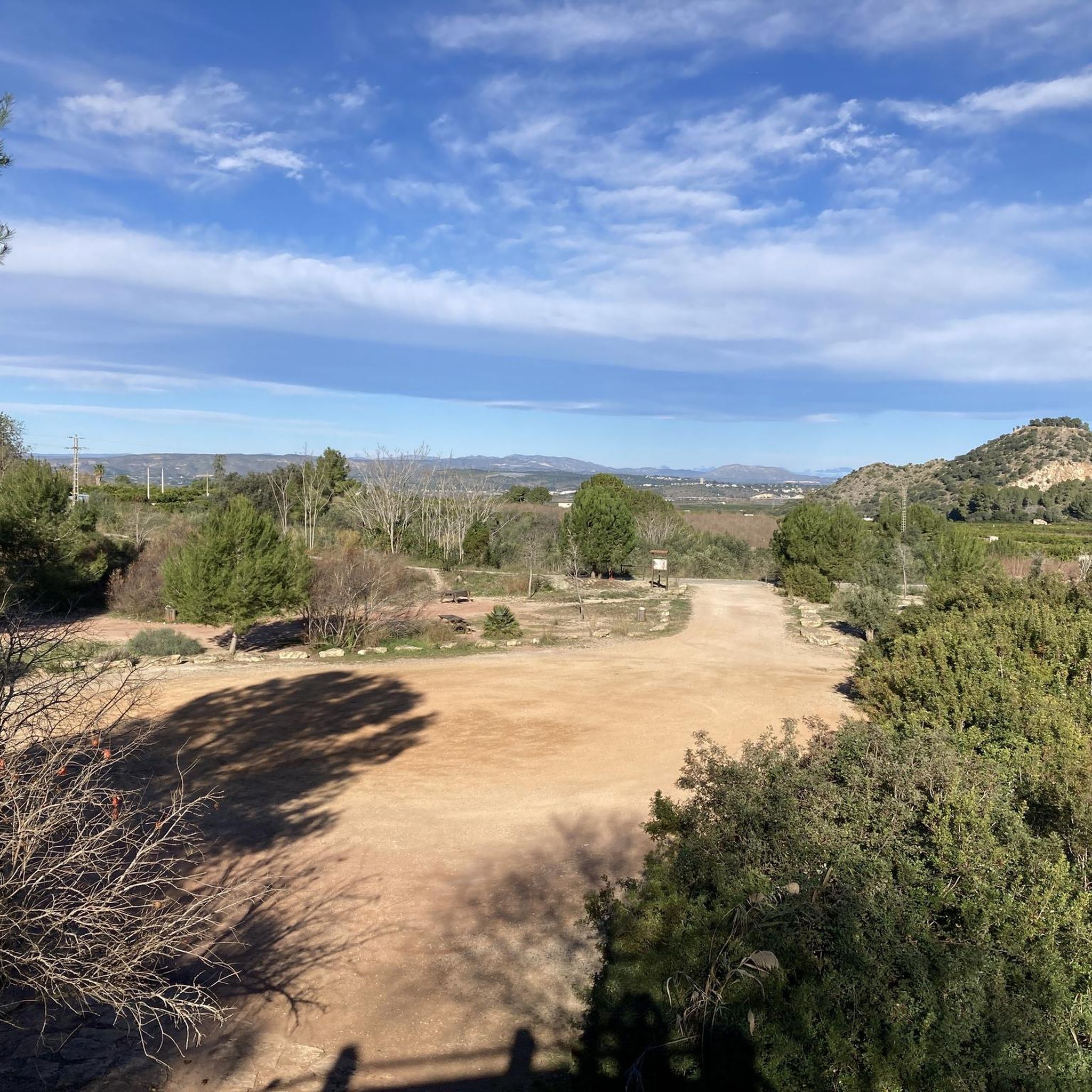
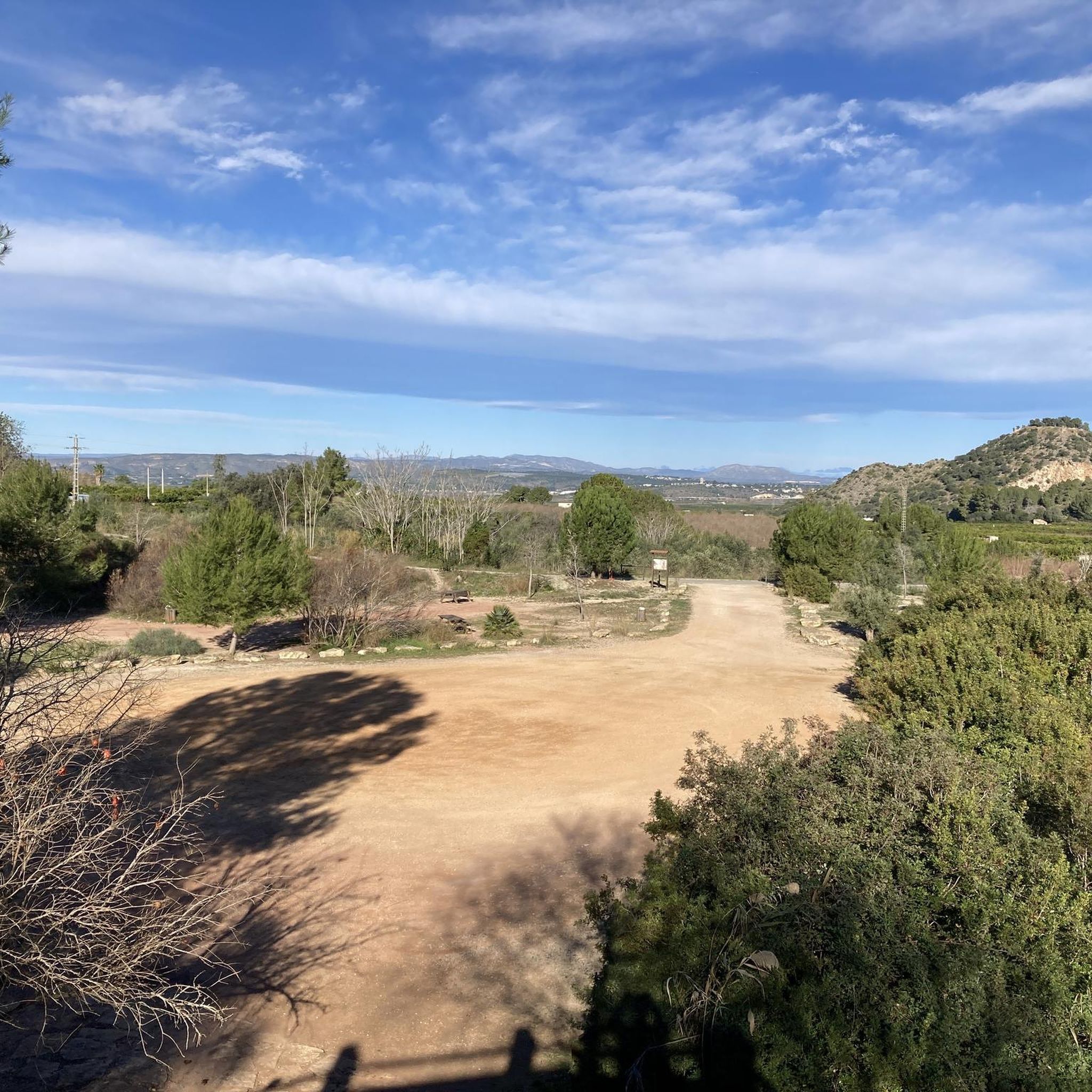
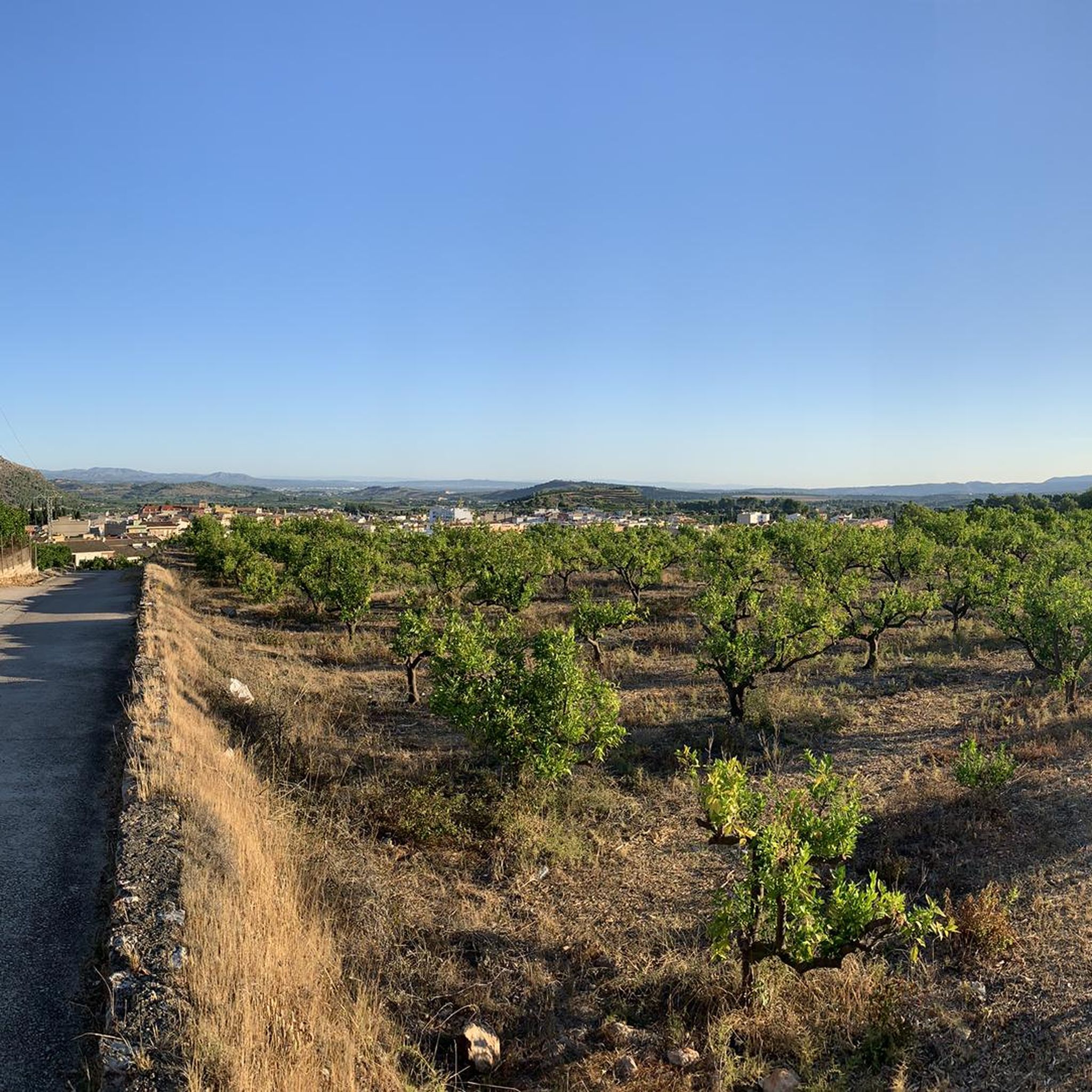
Hiking trails around L'Ènova offer a blend of natural beauty and historical significance within the Valencian Community of Spain. The region features gentle undulations and elevated points, particularly in its southern zone, providing varied topography and scenic vistas. Trails often traverse areas with Roman heritage, including ancient quarries and cart tracks, alongside natural recreational spots. The landscape, while generally flat, includes distinct hills that contribute to diverse hiking experiences.
Best hiking trails around L'Ènova
- The most popular hiking route is Senda Andaluza (PR-CV 193) loop from el Genovés, a 3.2 miles (5.1 km) trail that takes 1 hour 50 minutes to complete, offering a moderate challenge through varied terrain.
- Another top favourite among local hikers is High Cross – Pi d'Ambrosio loop from L'Ènova - Manuel, a moderate 8.5 miles (13.6 km) path that includes a recreational area and historical markers.
- Local hikers also love the Genovés Train Station – Albaida River Crossing loop from Antiga Estació del Genovés, a 9.0 miles (14.5 km) trail leading through riverine landscapes, often completed in about 3 hours 55 minutes.
- Hiking around L'Ènova is defined by gentle hills, historical Roman sites, and natural recreational areas. The network offers options for various ability levels, from easy walks to more moderate excursions.
- The routes in L'Ènova are highly rated by the komoot community with an average score of 4.7 stars from over 189 reviews. More than 1200 hikers have used komoot to explore L'Ènova's varied terrain.
Last updated: July 8, 2026
14
hikers
5.14km
01:50
220m
220m
Moderate hike. Great for any fitness level. Mostly accessible paths. Sure-footedness required.
4.7
(3)
13
hikers
13.6km
03:45
220m
220m
Moderate hike. Good fitness required. Easily-accessible paths. Suitable for all skill levels.

Sign up for free
11
hikers
4.43km
01:44
220m
220m
Moderate hike. Great for any fitness level. Mostly accessible paths. Sure-footedness required.
7
hikers
14.0km
03:47
170m
170m
Moderate hike. Good fitness required. Easily-accessible paths. Suitable for all skill levels.
5
hikers
13.7km
03:43
180m
180m
Moderate hike. Good fitness required. Mostly accessible paths. Sure-footedness required.
Get access to more routes and recommendations from other explorers.
Sign up for free
Already have an account?
Our route recommendations are based on thousands of hikes, rides, and runs completed by other people on komoot.
Start today with a free account
Your next adventure awaits.
Login or Signup

Tips from the Community

The La Cova Negra municipal natural area is located in the municipality of Játiva, province of Valencia. In the Cova Negra is the Middle Paleolithic site in which remains of Homo Neanderthal have appeared. This natural area is located in the narrow valley formed by the Albaida River, as it crosses the reliefs of the Sierra Grossa, at the exit of the so-called Estret de les Aigües. In the widest meander formed by the Albaida River, at the height of Pico del Paller, you can see the Cova Negra, named for the blackish appearance of its walls.
2
1

The temperature was just below 30 degrees and that was fine for this walk, which was most of the time in the sun. The first part of the walk was more challenging than the second part. In this case that was good because of the temperature. There were no other people taking this walk, so it was very quiet. There were some nice views to other places like Xativa.
2
0

I would suggest this being a good place to plan and start your hikes from. Easy access to the river and points of interest.
1
0
One of the ways to cross the river itself. I tried several others in the vicinity which were not suitable as the river flow to high
1
0

The Quatre Camins quarry, also known as the Llosar dels Francs, is an archaeological site 500m away. of the Roman villa, known as Villa Cornelius, located in Partida dels Franks. These are quarries that, according to some scholars (such as the archaeologist Miquel Ramon Martí), could be considered the most important of the Roman period in the Iberian Peninsula. The commercialization of the marble extracted from these quarries was the main source of wealth for the Iunii family, of the Galeria Tribe, owners of the plantation and the Cornelius town. The transport of the stone was done through the carriladas, that is to say, grooves in the rocks that channeled the wheels of the carts, which can still be seen on the road that leads from Énova to Barxeta. The planter has preserved marks that show that the marble was extracted forming rectangular blocks. These large blocks were transported in oxcarts to the town, where the work of stonemasons or stonemasons continued, who would fragment them and shape them into specific pieces, according to the order that needed to be served. This marble was used to make tombstones, monuments of different sizes and even slabs to pave the Roman theater in Zaragoza or the plinths of the Romanesque door of the Cathedral of Valencia.
1
0

La Cova Negra is a cavity that is located in a gorge called the Strait of Waters. Its black color is mainly due to the smoke from the bonfires made by its former inhabitants, the Neanderthals who occupied it for a few months of the year. An important amount of flint tools and other archaeological remains have been found here.
3
0
The Les Arcades bridge is a magnificent example of centuries-old structures that are still standing all over the east. In this case it is probably an aqueduct. The oldest irrigation systems in the area date back to Roman times.
3
0
It is advisable to take advantage of rail transport to travel to the starting point of the planned routes on foot or by bike. From L'Énova you can take interesting routes on foot through its territory and also by bike through the regions of Ribera and Costera.
2
0
Frequently Asked Questions
What kind of hiking trails can I expect in L'Ènova?
L'Ènova offers a diverse range of hiking trails, characterized by gentle hills, historical Roman sites, and natural recreational areas. While generally flat, the southern zone features elevated points like the Cabezo, providing varied topography and scenic vistas. You'll find options suitable for various ability levels, from easy walks to more moderate excursions.
Are there many hiking routes available in L'Ènova?
Yes, L'Ènova boasts a comprehensive network of hiking routes. There are over 80 trails available, with 23 classified as easy, 54 as moderate, and 7 as difficult, ensuring options for every hiker's preference and skill level.
What historical sites can I explore while hiking in L'Ènova?
L'Ènova's trails are rich in history, particularly Roman heritage. You can explore significant ruins like the Villa Cornelius, a Roman villa with unearthed mosaics and artifacts, and a well-preserved Roman quarry. Ancient cart tracks, known as 'Carriladas ibero-romanas,' also mark the historical significance of these routes. Additionally, you might encounter the Church of Mare de Déu de Gràcia with its Roman tombstones and the unfinished Ermita del Calvario.
Are there any family-friendly hiking options in L'Ènova?
Many trails in L'Ènova are suitable for families, offering accessible paths and interesting points of interest. The region's flagship route, the 'Senda Histórica-Paisajística de L'Ènova,' is designed to be family-friendly, combining natural beauty with historical exploration. For a shorter, moderate option, consider the Senda Andaluza (PR-CV 193) loop from el Genovés, which is about 5.1 km.
What natural attractions can I discover on the trails?
Beyond historical sites, L'Ènova's trails feature notable natural attractions. The Pi d'Ambrosio is a recreational area perfect for resting, while the Cova Negra (a small but beautiful cave) offers interesting rock formations and local legends. The region's gentle undulations, like the Lloma del Baladre and Cabezo, also provide scenic viewpoints.
Are there any circular hiking routes in L'Ènova?
Yes, L'Ènova offers several circular routes, which are popular among hikers for their convenience. A notable example is the High Cross – Pi d'Ambrosio loop from L'Ènova - Manuel, a moderate 13.6 km path that includes both recreational areas and historical markers. Another option is the Mirador de la Creu loop from el Genovés, which is a moderate 4.3 km trail.
What do other hikers say about the trails in L'Ènova?
The hiking trails in L'Ènova are highly regarded by the komoot community, holding an impressive average rating of 4.7 stars from over 189 reviews. Hikers frequently praise the blend of natural scenery with rich historical elements, as well as the well-maintained paths that cater to various skill levels.
Are there any trails that follow riverine landscapes?
Yes, you can find trails that lead through riverine landscapes. The Genovés Train Station – Albaida River Crossing loop from Antiga Estació del Genovés is a 14.5 km moderate trail that specifically takes you through areas alongside the Albaida River.
Where can I find parking for hiking trails in L'Ènova?
While specific parking areas for each trailhead are not detailed, L'Ènova is a municipality with various access points. For routes starting from towns like el Genovés or L'Ènova - Manuel, you can typically find public parking within the village or near the designated starting points of the trails. It's advisable to check local signage upon arrival.
What is the highest point I can reach on a hike in L'Ènova?
The highest point you can reach on a hike in L'Ènova is the Cabezo, which stands at an altitude of 180 meters. This elevated point, located in the southern part of the municipality, offers expansive views of the surrounding area and is often incorporated into the longer historical-scenic routes.
Can I find any caves to explore near L'Ènova?
Yes, there are caves to explore in the vicinity of L'Ènova. The Cova Negra is a notable natural highlight featuring interesting rock formations and local legends. Another option is the Cavern of Quatretonda, which is also nearby.
Are there any gorges or canyons to visit around L'Ènova?
While L'Ènova itself is characterized by gentler terrain, the surrounding area offers opportunities to explore gorges and canyons. You can find highlights like the Pou de Francés and Barranco de Agulló, which provide a different kind of natural landscape to discover.
Most popular attractions around L'Ènova

Get inspired with the komoot mobile app


Explore more
Browse the best Hikes in other regions.
