The 15 Most Amazing Peaks around San Juan De Plan
Best mountain peaks around San Juan De Plan are located in the Aragonese Pyrenees, providing access to the Posets-Maladeta Natural Park. This region is characterized by mountains generally ranging between 2,000 and 3,000 meters in height, with some exceeding 3,000 meters. The area offers diverse opportunities for outdoor enthusiasts, featuring towering peaks, extensive forests, and glacial lakes. It is a destination for those seeking majestic mountains and challenging terrain.
Best mountain peaks around San Juan De Plan
- The most popular…
Last updated: June 29, 2026
Collado de Sahún
Highlight • Mountain Pass
Translated by Google •
Tip by

Portillon Refuge
Highlight • Mountain Hut
Translated by Google •
Tip by

Sign up now to discover places like this
Get recommendations on the best single tracks, peaks, & plenty of other exciting outdoor places.
Sign up for free
Posets Summit (3,369 m)
Highlight • Summit
Translated by Google •
Tip by

Esquierry Pass
Highlight • Mountain Pass
Tour to the highlight: komoot.de/tour/340617536?ref=itd
Translated by Google •
Tip by

Tuca de Posets (Llardana Peak)
Highlight • Summit
Translated by Google •
Tip by

Sign up for free to discover even more peaks around San Juan De Plan.
Sign up for free
Already have an account?
Start today with a free account
Your next adventure awaits.
Login or Signup
Popular around San Juan De Plan
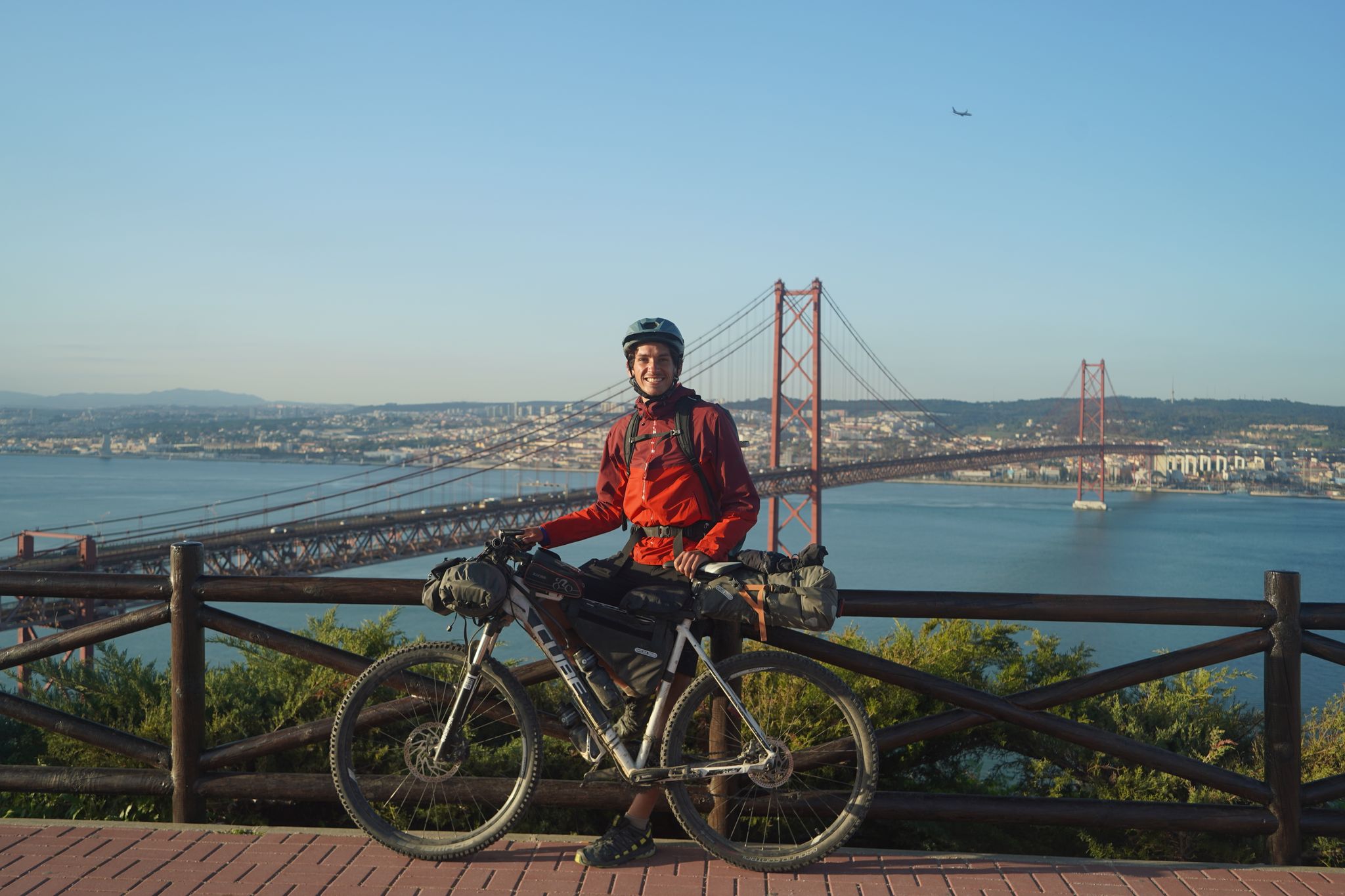
Road to Lisbon – bikepacking the Alps, Pyrenees and Picos de Europa
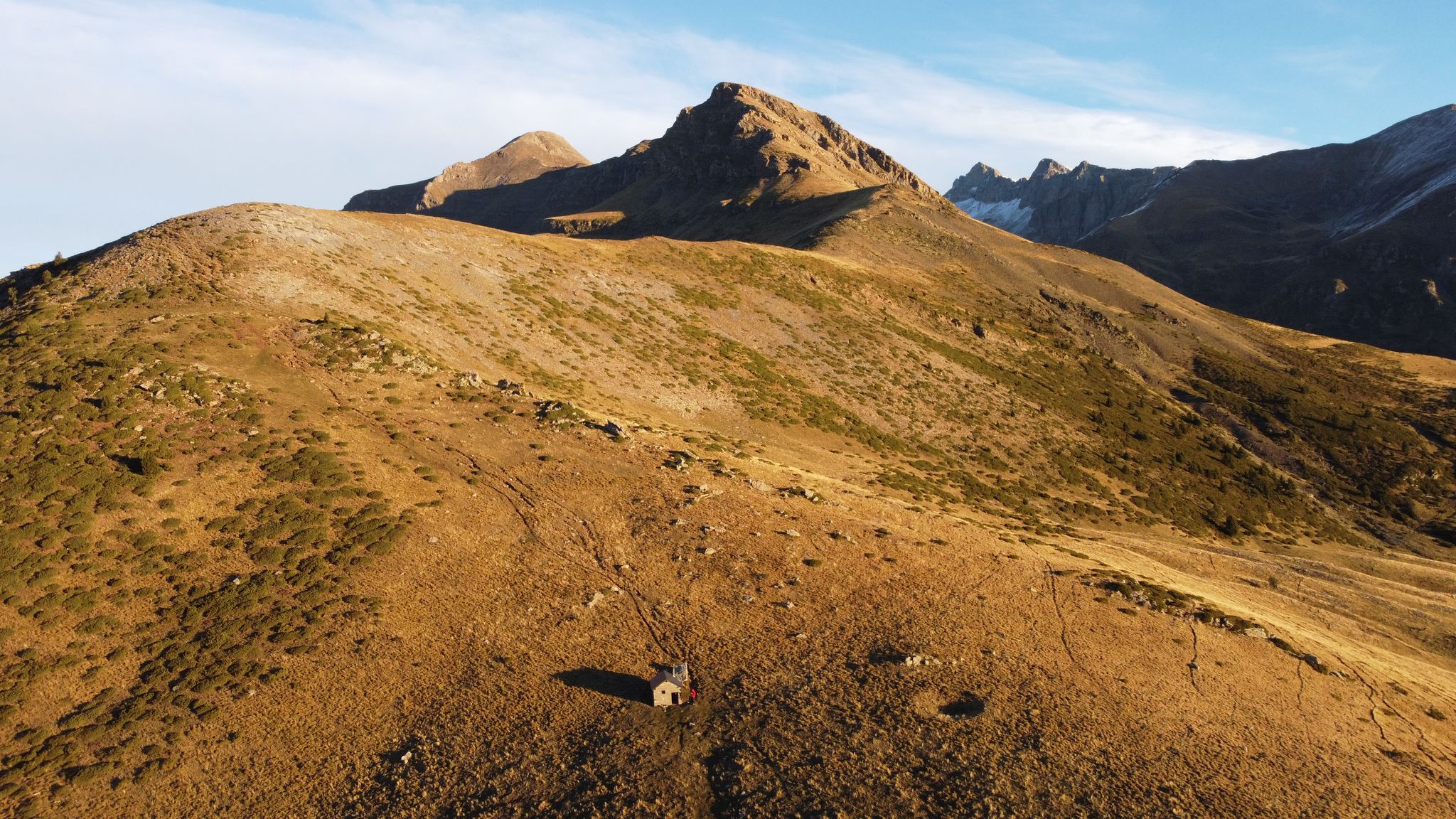
Rutas de alta montaña en el municipio de Sahún — Valle de Benasque
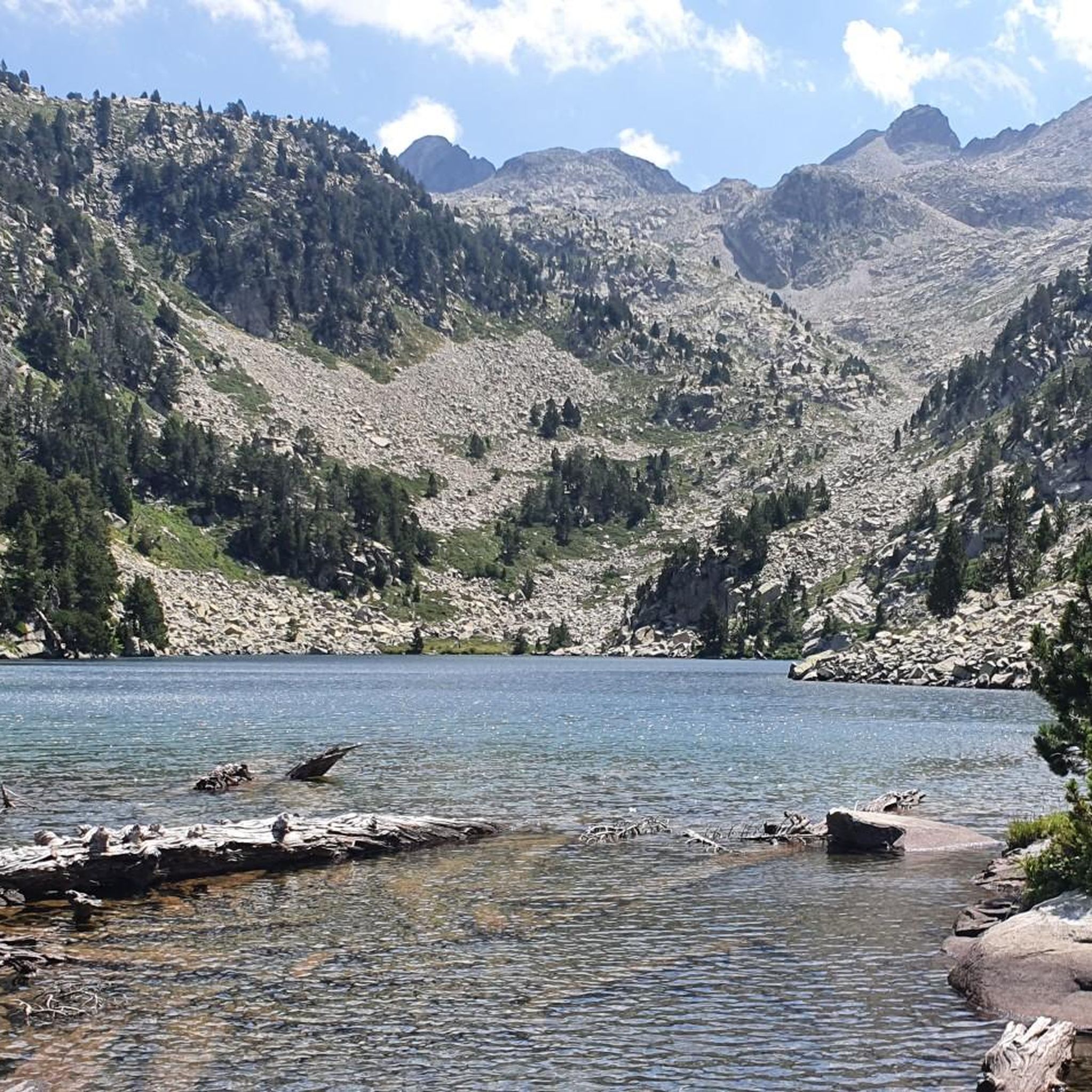
MTB Trails around San Juan De Plan
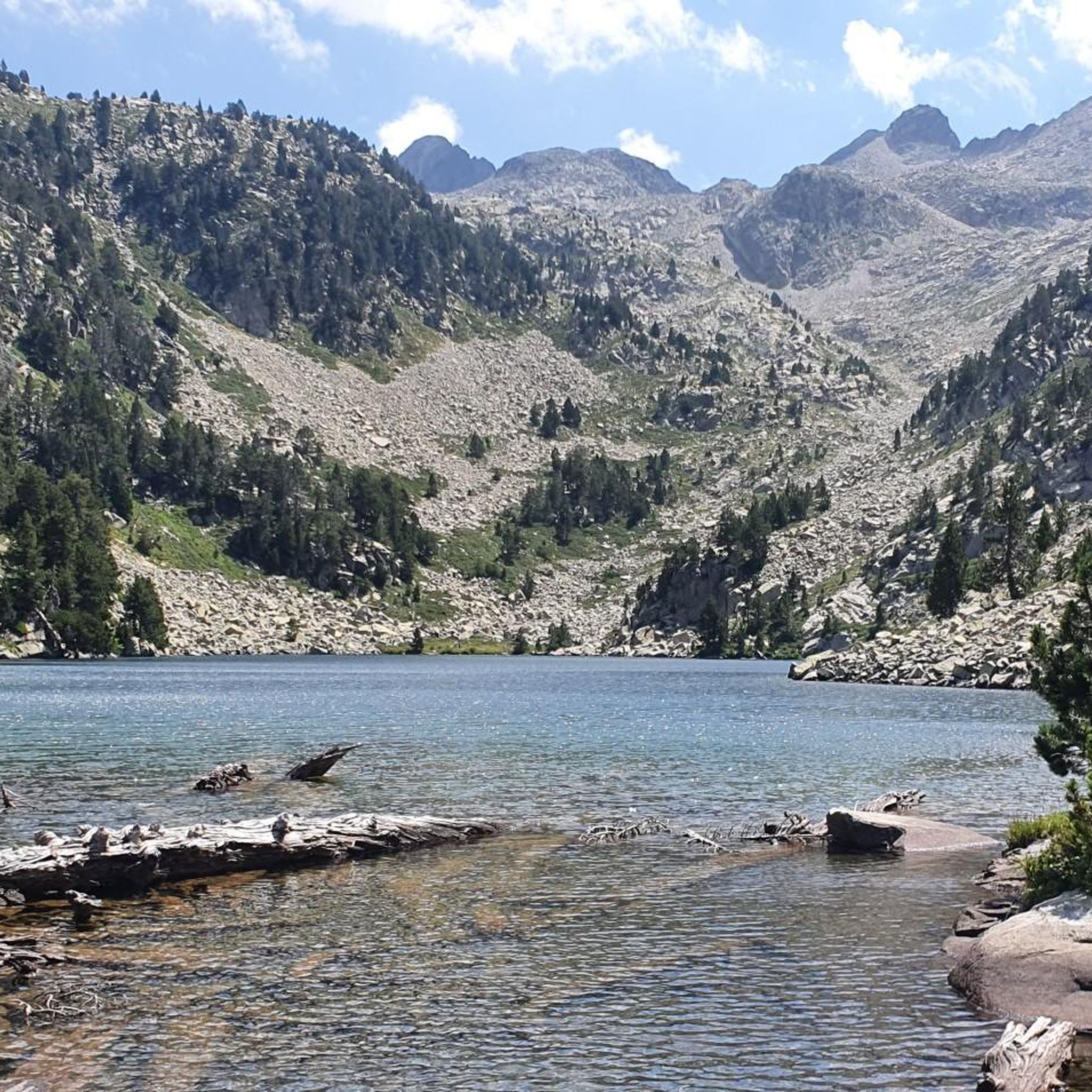
Hiking around San Juan De Plan
Running Trails around San Juan De Plan
Cycling around San Juan De Plan
Road Cycling Routes around San Juan De Plan
Gravel biking around San Juan De Plan

Mountain Hikes around San Juan De Plan


Tips from the Community

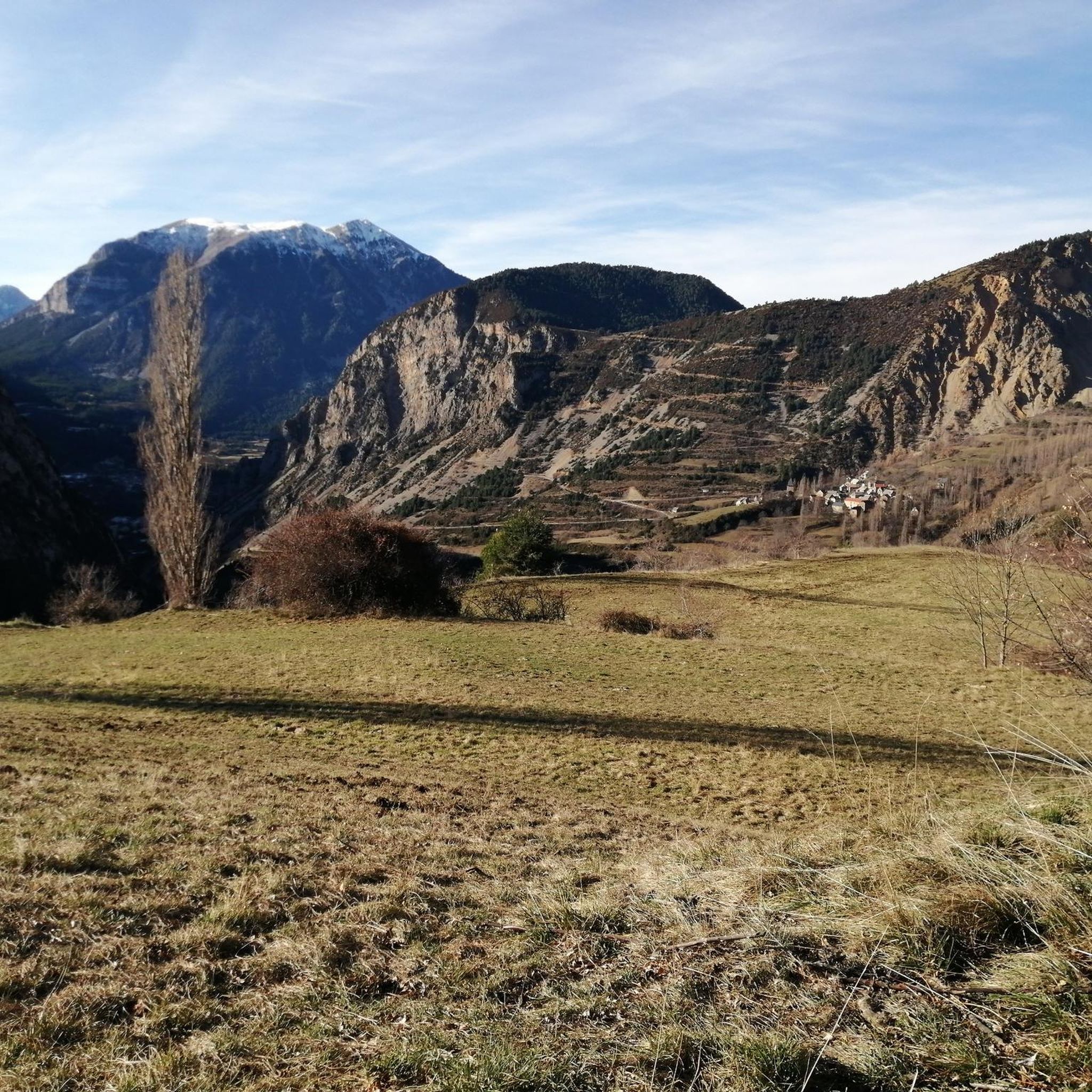
A legendary mountain pass in the Pyrenees. A crossing point between the Chistau and Benasque valleys, linking Sobrarbe and Ribagorza at an altitude of 2000m.
0
0

There is a camping option behind the hut. Hot meals and drinks can be ordered. Dinner and breakfast must be reserved.
1
0


The second highest peak in the Pyrenees, whose ascent is increasingly popular due to the overcrowding of Aneto and being a little more affordable for those who run up it.
0
0

Access is via forest tracks in good condition. Obviously, to reach 2000m it takes a little time but the reward is worth it: the views are magnificent over the valleys and peaks at 360 degrees. A delight !
1
0

The Couret d'Esquierry is a pretty mountain pass located on the GR 10 trail. Culminating at 2,131 meters above sea level, it offers a magnificent panorama of the two valleys it separates.
0
0
The Portillon refuge is located at an altitude of 2,570 meters on the edge of the lake of the same name. Its position allows access to 12 peaks over 3,000 meters, including the Perdhigero peak, the Gourgs Blancs peak, and the Grand Quayrat. The refuge has 80 beds. For more information: https://refugeduportillon.ffcam.fr/
1
0
This is the natural pass between the valleys of Chistau and Benasque. As such, it has been used for millennia and proof of this is the megalithic circle next to the track, which even then served to delimit border limits called "mugas".
0
0
Frequently Asked Questions
What are some of the most prominent mountain peaks and viewpoints around San Juan De Plan?
The region around San Juan De Plan, within the Aragonese Pyrenees, offers several notable peaks and viewpoints. Among the highest are Pico Posets (3,369 m), the second-highest in the Pyrenees, and the challenging Pico Aneto (3,404 m), the highest in the entire range. Other significant peaks include Pico Maldito and Maladeta (3,312 m). For stunning panoramas, consider visiting Collado de Sahún, which offers views of Aneto, Posets, and Monte Perdido, or Esquierry Pass on the GR 10 trail.
What natural features can I expect to see when exploring the mountains near San Juan De Plan?
The area is rich in natural beauty, characterized by towering peaks, extensive pine forests, and pristine glacial lakes, known locally as *ibones*. You can discover picturesque spots like Ibón de Plan (Basa de la Mora), considered one of the most beautiful glacial lakes in the Pyrenees, or the tranquil Ibón del Sen. The region also features impressive cirques and, unfortunately, shrinking glaciers, such as the one on Pico Aneto.
What is the difficulty level of mountain peaks in the San Juan De Plan area?
The mountain peaks around San Juan De Plan offer a range of difficulties. While some routes to glacial lakes like Ibón de Plan or Ibón del Sen are considered difficult, requiring good physical condition and several hours to complete, ascents to major peaks like Pico Aneto or Pico Posets are very demanding and require significant mountaineering experience. These high-altitude climbs often involve considerable elevation gain, long durations, and may necessitate equipment like crampons, even in summer, due to snow and steep sections.
When is the best time to visit the mountain peaks around San Juan De Plan?
The best time to visit the mountain peaks around San Juan De Plan is generally during the warmer months, from late spring to early autumn. This period offers more favorable weather conditions for hiking and climbing. However, even in summer, high-altitude peaks can retain snow, and weather can change rapidly, so it's essential to be prepared for varying conditions. Winter hiking is possible but requires specialized equipment and experience.
Are there any mountain huts or refuges available for overnight stays in the area?
Yes, there are mountain huts that provide accommodation for those undertaking multi-day treks or challenging ascents. A notable example is the Portillon Refuge, situated at 2,570 meters on the edge of a lake. It serves as a base for accessing several 3,000-meter peaks, including Perdiguero Peak. The refuge offers beds and hot meals, with camping options also available nearby.
What kind of hiking trails are available near San Juan De Plan's mountain peaks?
The region offers a diverse network of hiking trails catering to various skill levels. You can find challenging routes to high-altitude glacial lakes like Ibón de Plan and Ibón del Sen, or demanding ascents to major summits. For those seeking multi-day adventures, the "three shelters route" around Posets is popular. You can explore many options, including difficult mountain hikes, by checking the Mountain Hikes around San Juan De Plan guide.
Are there family-friendly mountain hikes around San Juan De Plan?
While many of the high-altitude routes are challenging, there are options suitable for families with some mountain hiking experience. For instance, the trail to Ibones de Barbarisa from Puerto de Sahún is well-signposted and often completed in about 5 hours, passing by the Prats waterfall. It's always advisable to check the specific route details and difficulty before embarking on a hike with children.
What other outdoor activities can I do near these mountain peaks?
Beyond hiking and mountaineering, the area around San Juan De Plan offers opportunities for other outdoor sports. Road cycling is popular, with routes like the Eriste Reservoir loop or the Castejón de Sos loop. For more details on cycling routes, refer to the Road Cycling Routes around San Juan De Plan guide.
What do visitors particularly enjoy about the mountain peaks around San Juan De Plan?
Visitors are consistently drawn to the breathtaking panoramic views offered from various passes and summits, such as those from Collado de Sahún or Perdiguero Peak. The sense of accomplishment from conquering challenging ascents, the tranquility of less-visited glacial lakes like Ibón del Sen, and the sheer natural beauty of the Posets-Maladeta Natural Park are frequently highlighted as major attractions.
Which are the most challenging mountain peaks for experienced climbers in the region?
For experienced climbers, the region offers formidable challenges. Pico Aneto, at 3,404 meters, is the highest peak in the Pyrenees and requires a demanding 21-kilometer route. Pico Posets (3,369 m), the second-highest, also presents a significant mountaineering challenge, often requiring crampons. The Maladeta massif, including Pico Maldito and Maladeta (3,312 m), is another area renowned for its rugged terrain and is considered a 'heaven-on-earth' for climbing enthusiasts.
Are there any historical or cultural stories associated with the mountains in this area?
Yes, the region holds some interesting historical and cultural notes. The name 'Maladeta' itself originates from 'Montes Malditos,' meaning 'Damned Mountains,' reflecting the imposing nature of the range. Additionally, the beautiful Ibón de Plan (Basa de la Mora) is steeped in local folklore, with a tale of a Moorish princess appearing to dance on its surface on Saint John's Eve, adding a mystical allure to its natural splendor.
Most popular routes around San Juan De Plan
Most popular attractions around San Juan De Plan

Get inspired with the komoot mobile app


Explore more
See even more amazing summits around San Juan De Plan with these guides:
