Top 12 Gorges around San Juan De Plan
Best canyons around San Juan De Plan are found in a region known for its rugged Pyrenean terrain and natural ravines. This area, nestled in Huesca, Spain, offers access to a unique natural landscape with numerous marked paths through valleys and forests. The grandeur of the mountains in the Chistau Valley contributes to the formation of these natural features. Canyoning routes near San Juan de Plan Spain are a major draw, with the broader Huesca province boasting a high concentration…
Last updated: June 29, 2026
Tica del León Gorge
Highlight • Gorge
Translated by Google •
Tip by

Estós Valley
Highlight • Gorge
Translated by Google •
Tip by

Sign up now to discover places like this
Get recommendations on the best single tracks, peaks, & plenty of other exciting outdoor places.
Sign up for free
Valle de Estós
Highlight • Gorge
Translated by Google •
Tip by
Gorgas de Calantes Waterfall
Highlight • Waterfall
Translated by Google •
Tip by
Fuen d'Aranda and Barranco Sobarriba
Highlight • Natural Monument
Translated by Google •
Tip by
Sign up for free to discover even more gorges around San Juan De Plan.
Sign up for free
Already have an account?
Start today with a free account
Your next adventure awaits.
Login or Signup
Popular around San Juan De Plan
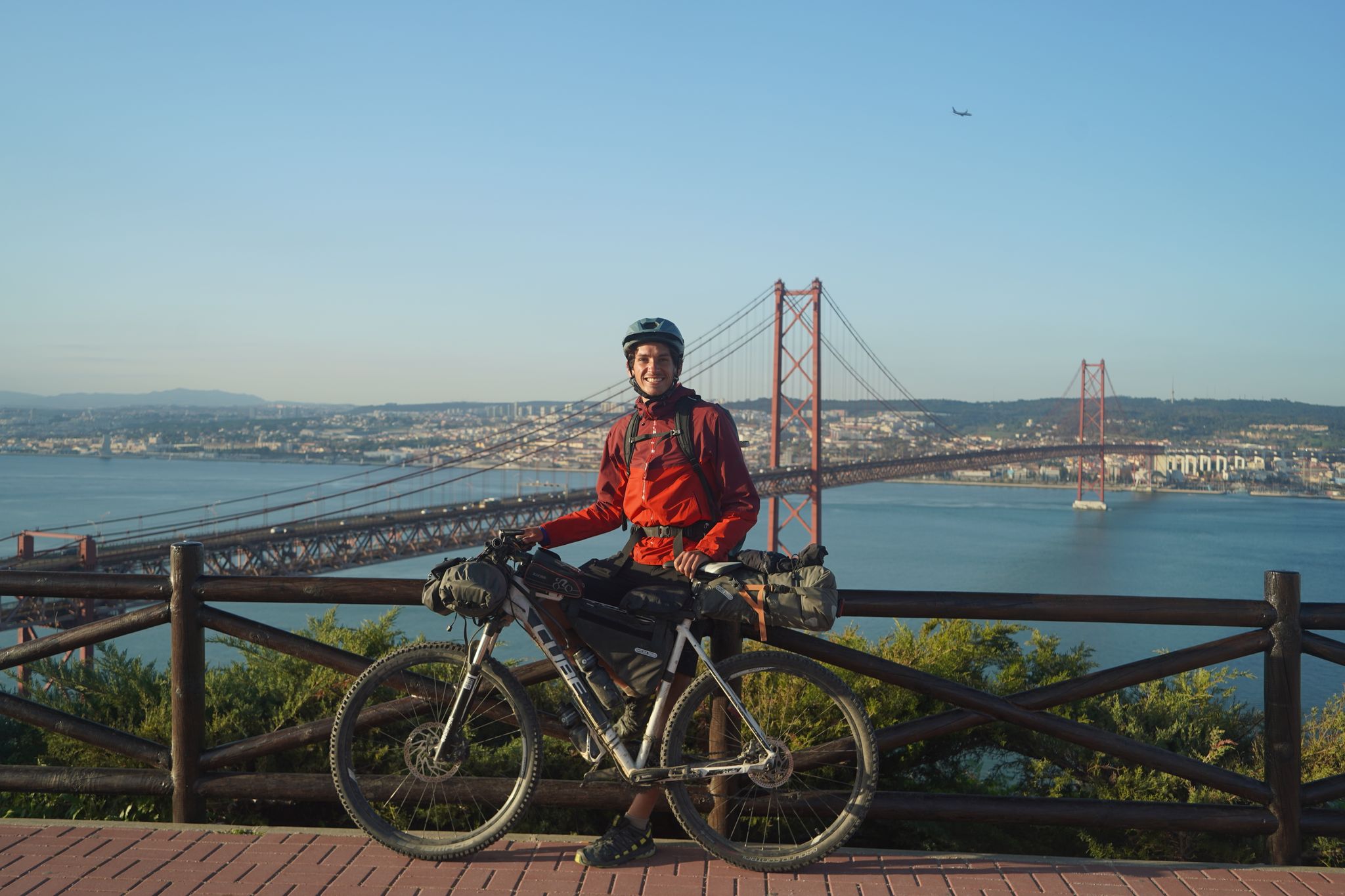
Road to Lisbon – bikepacking the Alps, Pyrenees and Picos de Europa
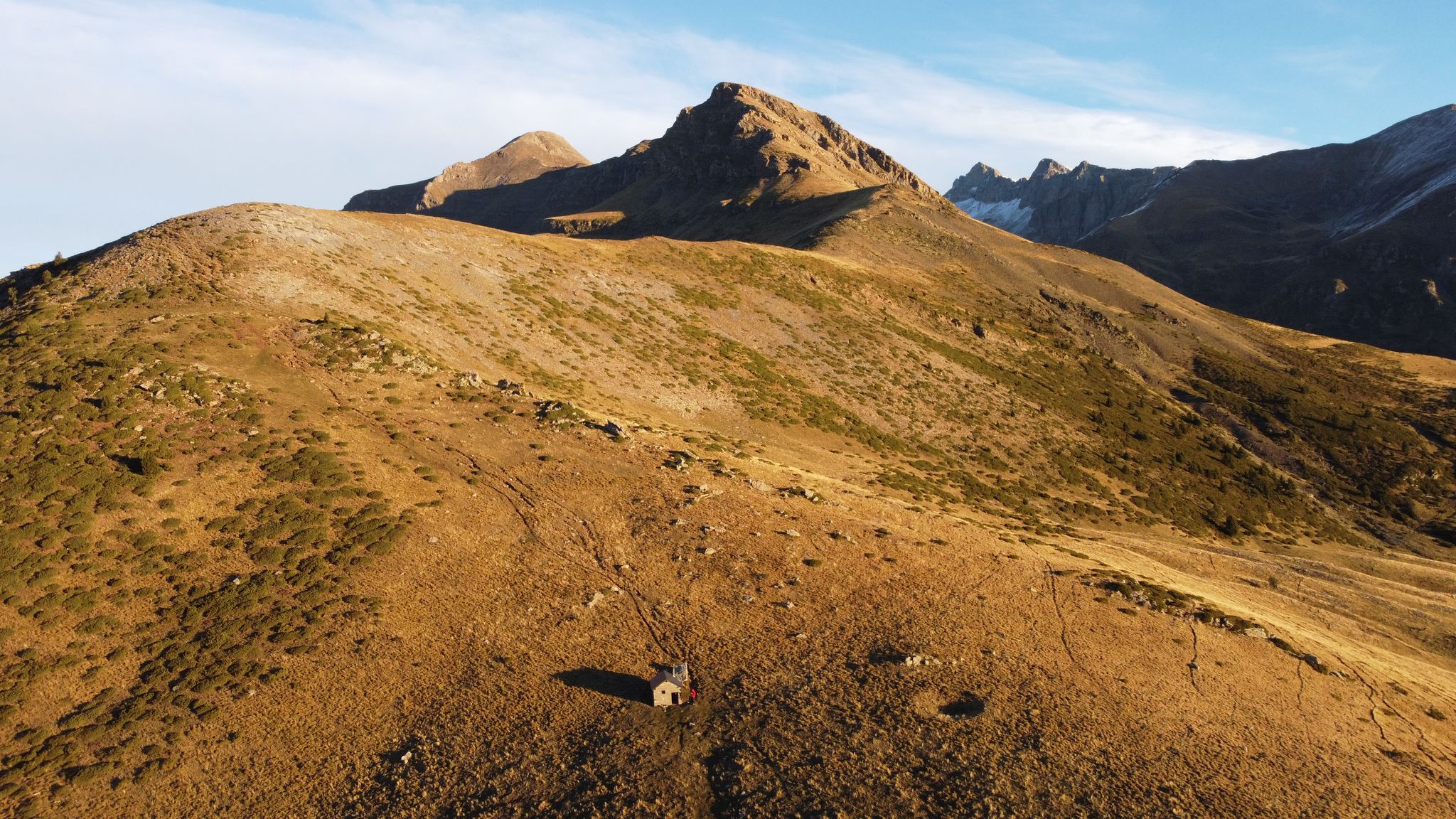
Rutas de alta montaña en el municipio de Sahún — Valle de Benasque
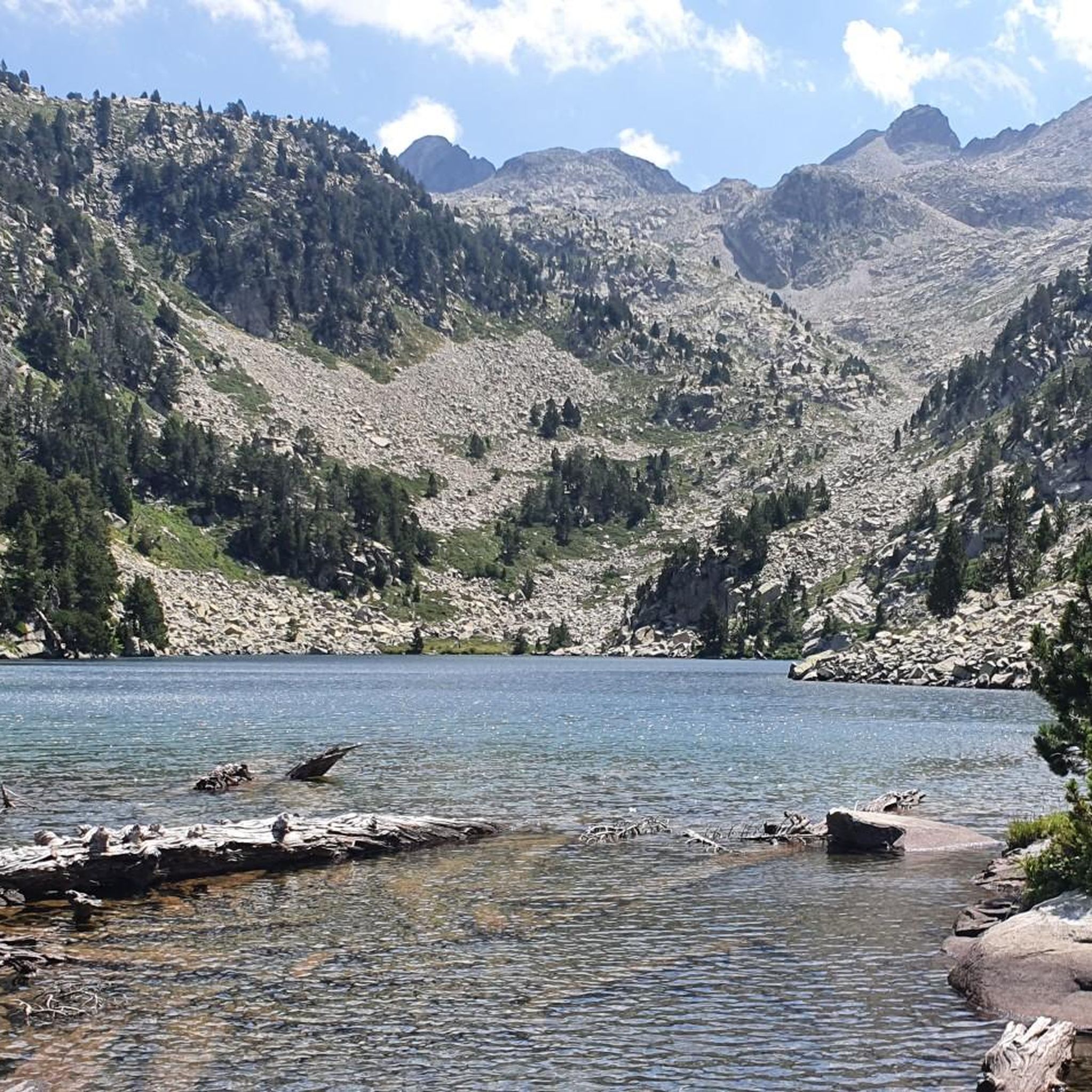
MTB Trails around San Juan De Plan
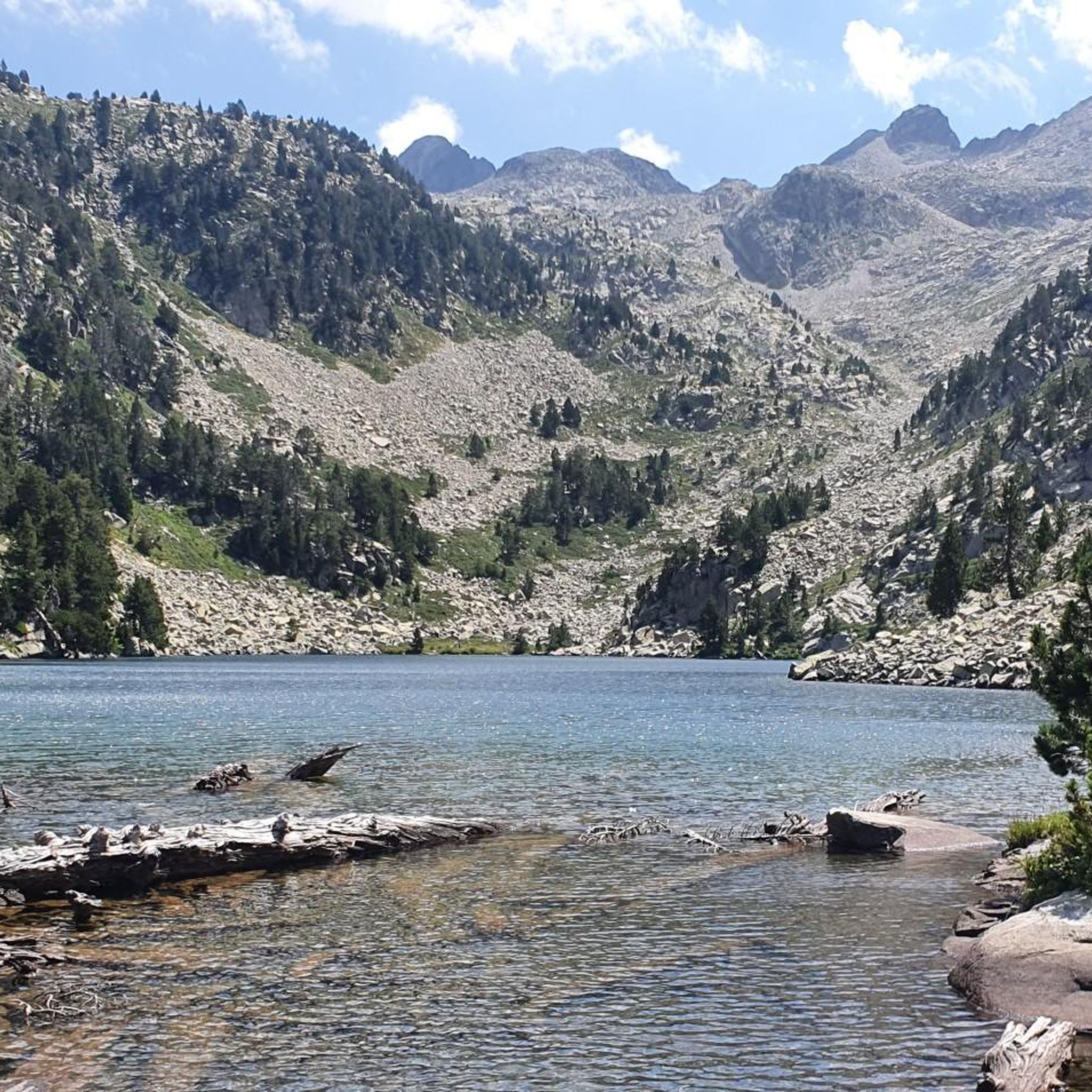
Hiking around San Juan De Plan
Running Trails around San Juan De Plan
Cycling around San Juan De Plan
Road Cycling Routes around San Juan De Plan
Gravel biking around San Juan De Plan

Mountain Hikes around San Juan De Plan


Tips from the Community

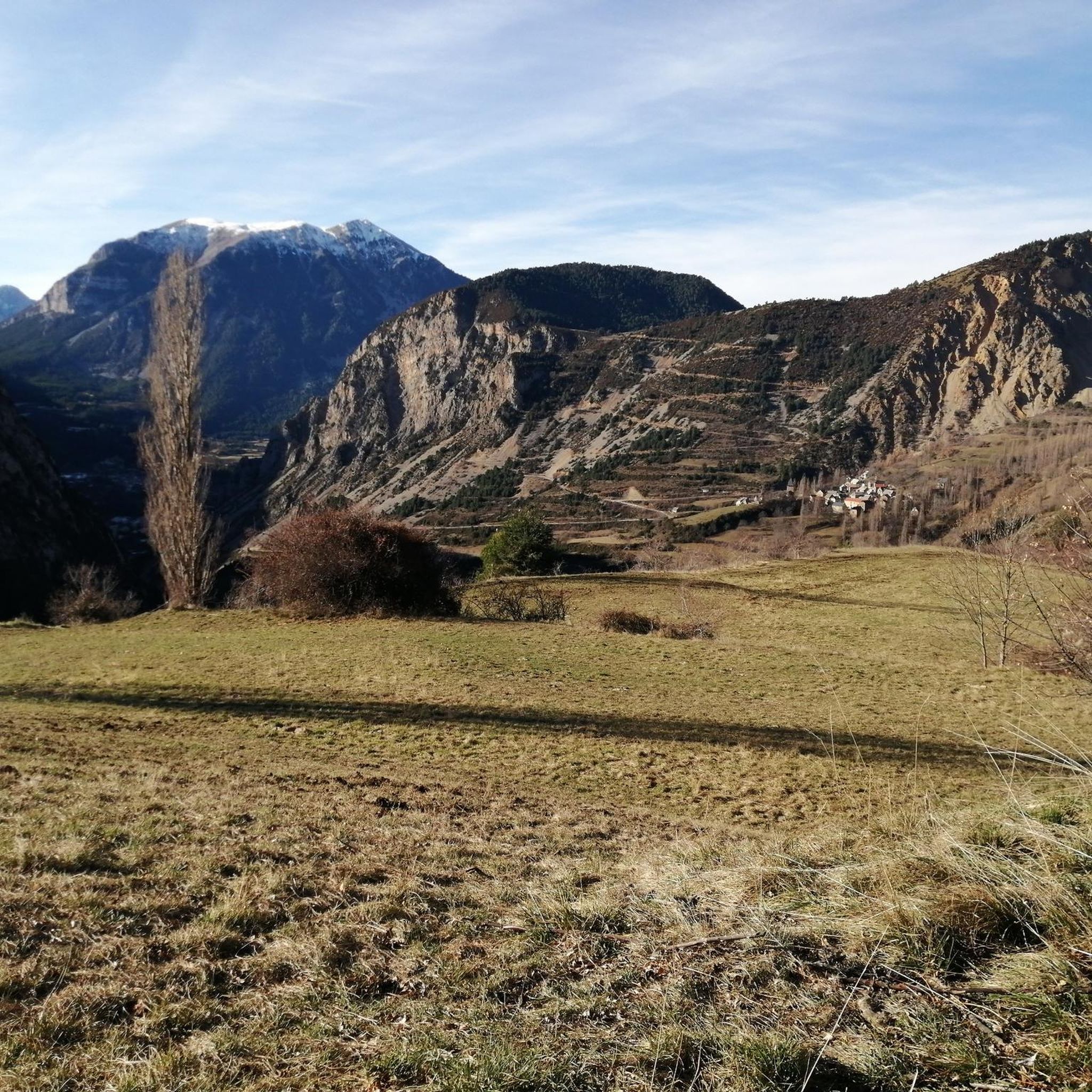
This will be the first or third ravine you find on the Three Barrancos route, depending on the direction in which you take the route. This route runs through the foothills of Tuca del Mon(t) and is a popular activity among residents and visitors to Benasque due to its relatively short duration. It offers very good views of the towns of Benasque and Anciles, the Ésera river and the Remáscaro ravine in front, descending from Cerler.
0
0
In the second ravine of the Tres Barrancos route you will also find the Fuen d'Aranda in a leafy corner with its own microclimate fed by the fountain itself.
0
0
One of the main tributary valleys of the Benasque Valley, which connects with the Chistau Valley to the west and is the starting point for numerous lakes and peaks.
1
0

The Galantes Gorge is a narrowing of the river that is trapped between rocks, creating a large thundering waterfall
1
0
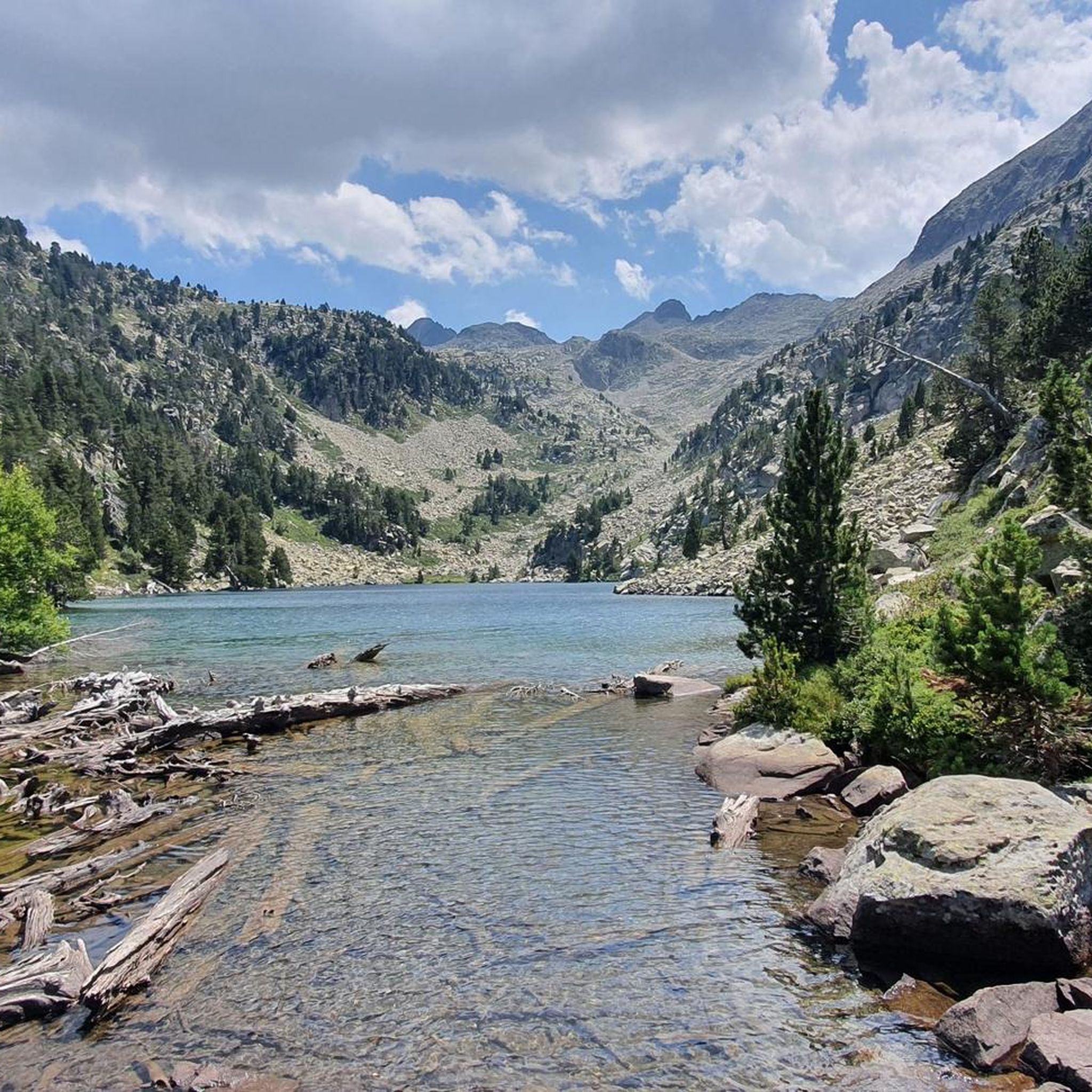
The valley is about 12 km long. The river Estós flows through the valley, surrounded by the peaks, which are also over 3,000 m high and border on France. The altitude of the valley is between 1,400 m and 3,375 m. Since 1994 the valley has been part of the Posets-Maladeta Natural Park. Several plant and animal species occur here. Running along the valley floor is the Estós River, which is the source of numerous gorges and streams from the numerous ibones (glacial lakes), perennial snow and some of Europe's southernmost glaciers.
1
0
Valle de Estos gives access to many well-known peaks, which are climbed from Refugio de Estos. A high alpine landscape forms a wonderful backdrop for an easy hike.
2
0
Frequently Asked Questions
What are some notable canyons and gorges to explore around San Juan De Plan?
The region around San Juan De Plan, nestled in Huesca, Spain, offers a variety of impressive natural ravines. Highlights include the Estós Valley, a 12 km long gorge within the Posets-Maladeta Natural Park, and the Tica del León Gorge, known for its views of Benasque and Anciles. Another significant area is the Valle de Estós, a high alpine valley that serves as a backdrop for exploration.
What is the best time of year to visit the canyons near San Juan De Plan?
The spring and summer seasons are ideal for visiting the canyons and engaging in activities like canyoning (descenso de barrancos) around San Juan De Plan. The Cinqueta River is a focal point for aquatic activities during these warmer months. The clear, blue-green waters, especially during low water periods, are particularly striking.
Are there family-friendly canyoning options or trails suitable for families?
While specific family-friendly canyoning routes in San Juan de Plan itself are not detailed, the broader Huesca province, including areas like Ordesa and Monte Perdido National Park, offers canyons that cater to all experience levels, including families. Many marked paths through valleys and forests are suitable for family hikes, allowing you to enjoy the canyon scenery.
Can I bring my dog to the canyons or on nearby trails?
Information on dog-friendly canyoning specifically in San Juan de Plan is limited. However, many natural areas in the Pyrenees are generally dog-friendly for hiking, provided dogs are kept on a leash and waste is properly managed. It's always best to check local regulations for specific trails or protected areas before bringing your dog.
What kind of natural features can I expect to see in the canyons around San Juan De Plan?
The canyons around San Juan De Plan are characterized by rugged Pyrenean terrain, dramatic geological formations, and clear waters. You'll encounter narrow river sections, broader valleys, and impressive waterfalls like the Gorgas de Calantes Waterfall, where the river is trapped between rocks. The region is also known for its karst landscapes with striking limestone formations, especially in the wider Huesca province.
What other outdoor activities are available near the canyons of San Juan De Plan?
Beyond canyon exploration, the area offers a range of outdoor activities. You can find numerous hiking trails, such as the challenging routes to Ibon de Plan (Basa de la Mora) or Ibón del Sen. For cycling enthusiasts, there are both mountain biking trails and road cycling routes. You can explore more options in the guides for Hiking around San Juan De Plan, MTB Trails around San Juan De Plan, and Road Cycling Routes around San Juan De Plan.
What are the difficulty levels for canyoning routes in the San Juan De Plan region?
Canyoning routes in the broader Huesca province, including areas like Sierra de Guara and Ordesa, cater to various skill levels. Some canyons are suitable for beginners and families, while others, like the Pazosa Ravine or Furco Ravine, offer more challenging experiences for seasoned adventurers. It's advisable to check specific route descriptions or consider guided tours for routes like Barranco del Sen to match your experience.
Do I need permits for canyoning or hiking in the San Juan De Plan area?
For certain canyoning routes, especially within protected areas like national parks or specific natural monuments, permits may be required. This is common in popular canyoning regions like Sierra de Guara. For general hiking on marked paths, permits are typically not needed, but it's always wise to check with local tourist information centers or park authorities for the most current regulations, especially for specific barrancos like Barranco del Sen.
Where can I find parking when visiting the canyons?
Parking availability varies depending on the specific canyon or trailhead you plan to visit. For popular areas and trailheads, designated parking lots are often available. For more remote barrancos, you might find informal parking spots. It's recommended to research the specific access points for your chosen route, such as those for canyoning in Val de Gistaín, to plan your parking in advance.
What do visitors enjoy most about the canyons around San Juan De Plan?
Visitors frequently appreciate the stunning natural beauty and the sense of adventure offered by the canyons. The Fuen d'Aranda and Barranco Sobarriba, for instance, is noted for its leafy corner and unique microclimate. The opportunity for engaging outdoor sports like canyoning, combined with the tranquil beauty of the Pyrenean environment, makes these areas truly memorable. The komoot community has also upvoted these routes and shared photos, highlighting their appeal.
Are there any hidden gem canyons or less-known spots worth exploring?
While the broader Huesca province is renowned for its well-known canyons, the rugged terrain around San Juan De Plan and the Chistau Valley likely holds many less-frequented ravines. Exploring marked paths through valleys and forests can lead to discovering unique natural features and quieter sections of the Cinqueta River, offering a more secluded experience away from the most popular canyoning spots.
What should I wear for canyoning in the San Juan De Plan region?
For canyoning, appropriate gear is crucial. This typically includes a wetsuit for thermal protection, a helmet for head safety, a harness with descenders and carabiners for rappelling, and sturdy, closed-toe shoes with good grip that can get wet. It's also advisable to bring a waterproof backpack for essentials and a first-aid kit. Always consider hiring a local guide who can provide necessary equipment and ensure safety.
Most popular routes around San Juan De Plan
Most popular attractions around San Juan De Plan

Get inspired with the komoot mobile app


Explore more
Already discovered everything in this region? See additional gorges around San Juan De Plan for your next adventure:
