Attractions and Places To See around Sant Joanet - Top 20
Attractions and places to see around Sant Joanet include historical landmarks and natural features within the Ribera Alta comarca of the Valencian Community, Spain. The area is characterized by its local heritage, offering insights into the region's past through its historical buildings. Nearby, visitors can explore significant historical sites and natural beauty spots. This region provides a blend of cultural exploration and outdoor activities.
Best attractions and places to see around Sant Joanet
- The most popular attractions is Castell de…
Last updated: May 26, 2026
Castell de Xàtiva
Highlight • Castle
Translated by Google •
Tip by

Collegiate Basilica of Santa María (La Seu), Xàtiva
Highlight • Religious Site
Translated by Google •
Tip by

Sign up now to discover places like this
Get recommendations on the best single tracks, peaks, & plenty of other exciting outdoor places.
Sign up for free
Natural Trail of the Old Little Train
Highlight (Segment) • Cycleway
Translated by Google •
Tip by
Fountain of the 25 Spouts
Highlight • Monument
Translated by Google •
Tip by

Hermitage of Saint Joseph
Highlight • Religious Site
Translated by Google •
Tip by
Sign up for free to discover even more attractions around Sant Joanet.
Sign up for free
Already have an account?
Start today with a free account
Your next adventure awaits.
Login or Signup
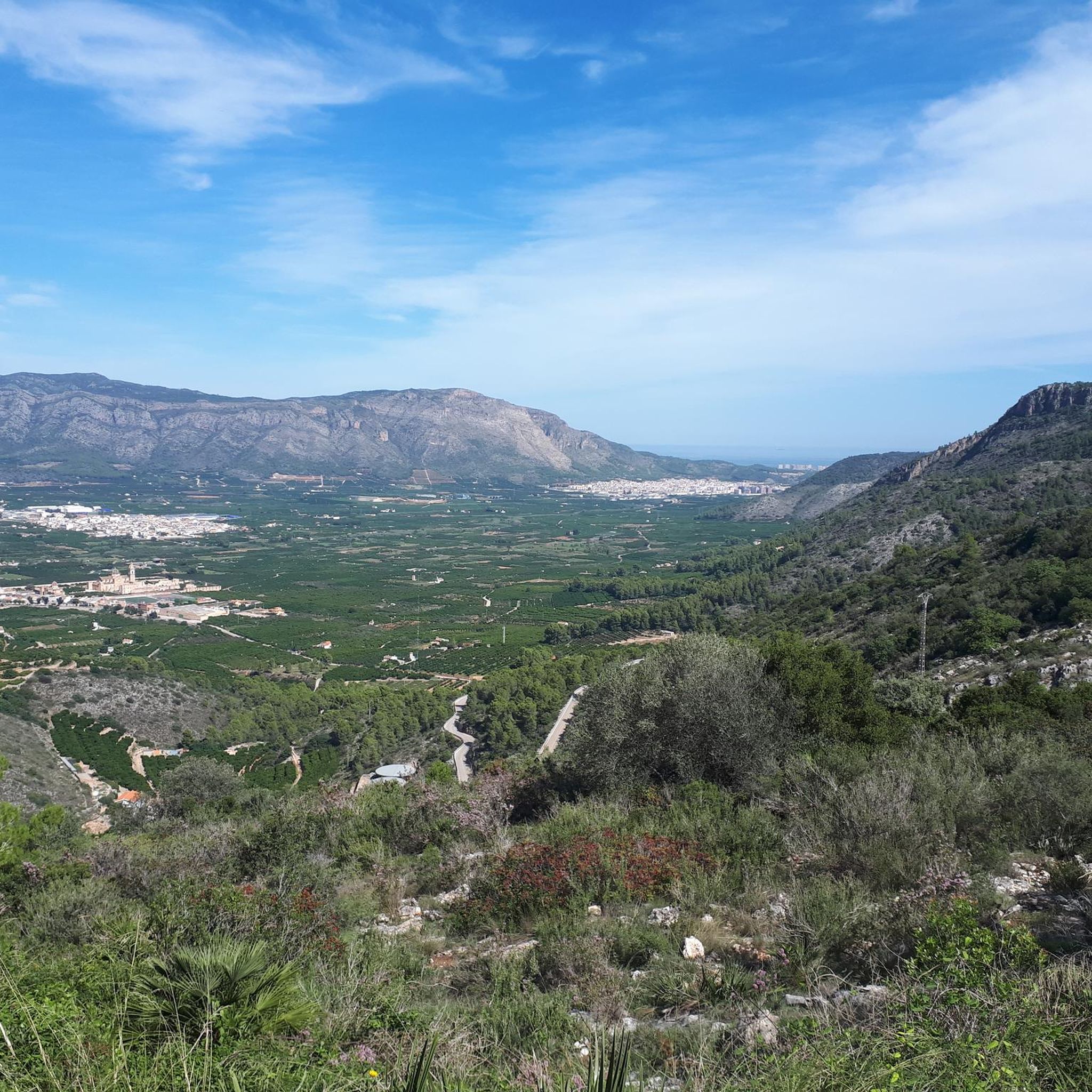
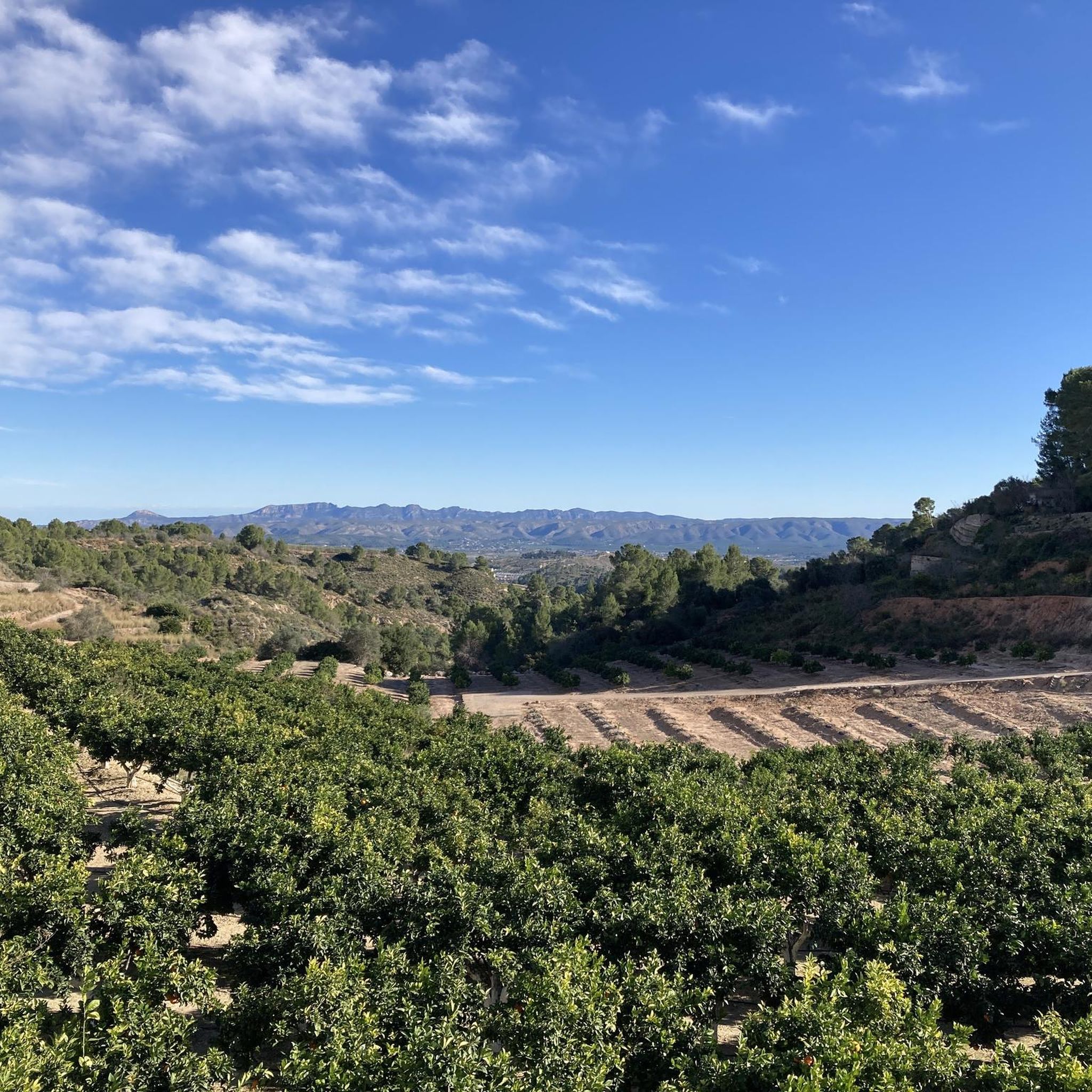
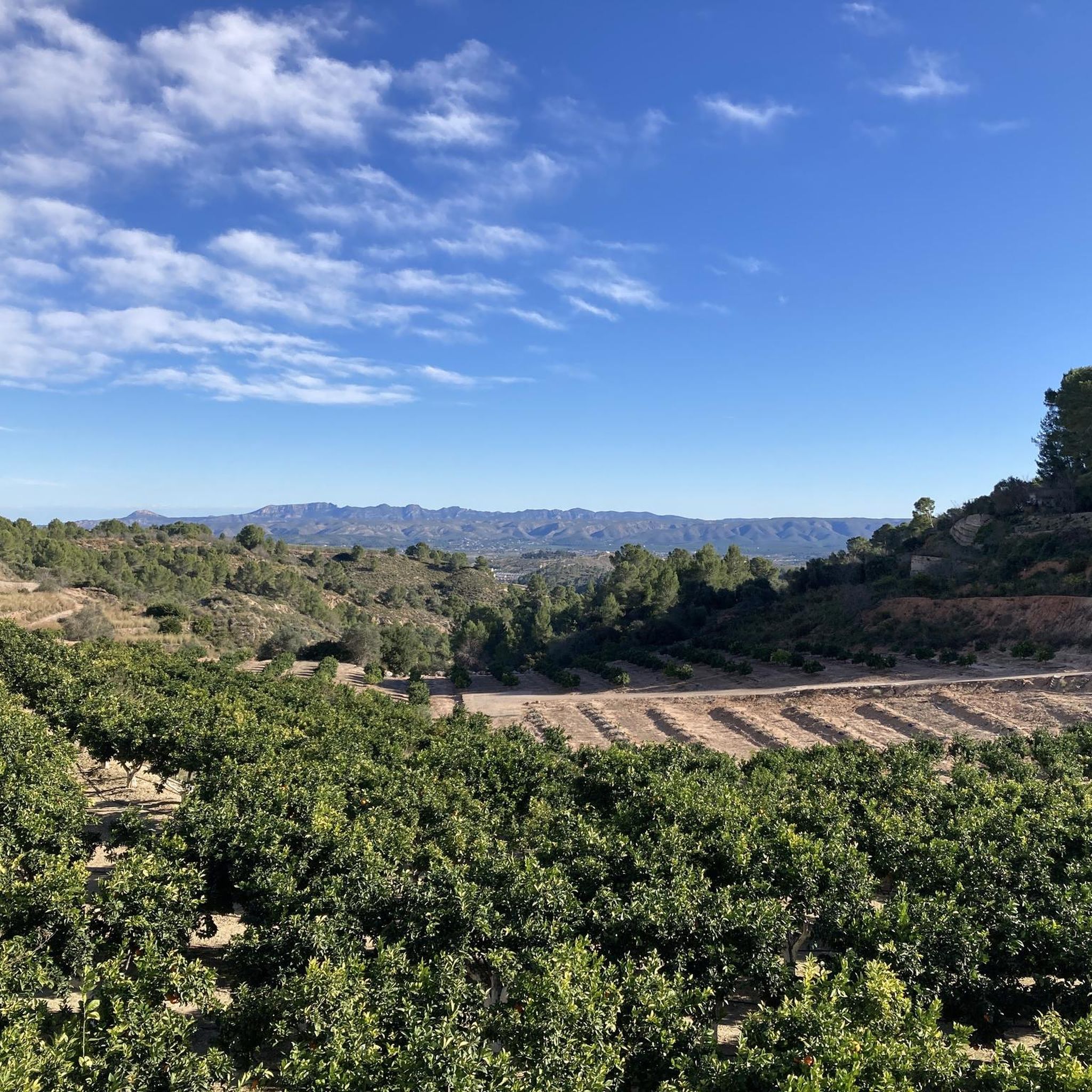
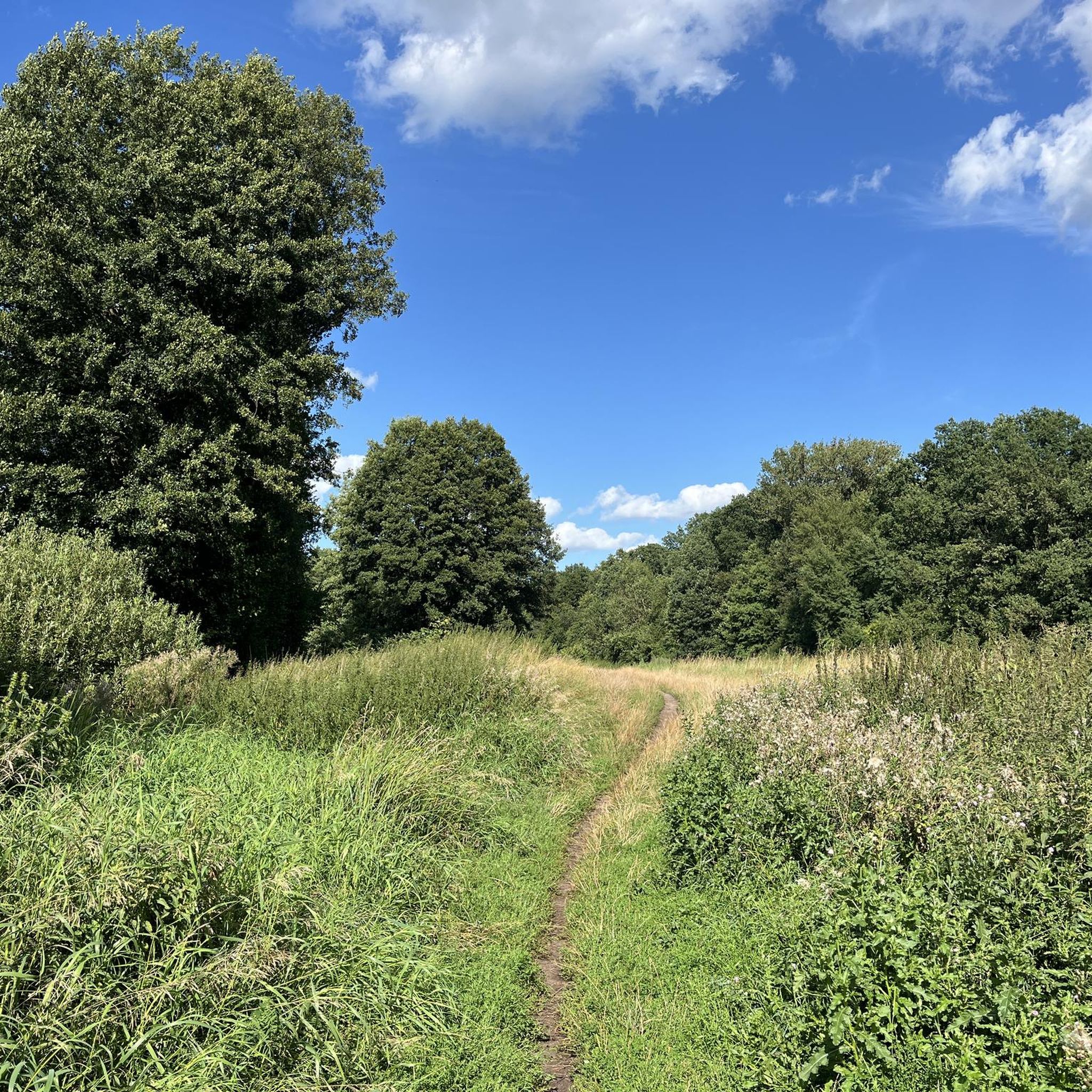

Tips from the Community

nice town
1
0

Impressive facility and fantastic views
1
0

Nice to look at, very interesting object. The Fountain of the Twenty-Five Fountains (in Valencian Font dels vint-i-cinc "xorros") is a fountain from the late 18th century in the town of Játiva, right near the church of San Pedro. The fountain has twenty-five spouts, which give it its name. The central spout depicts the face of a bearded person with water flowing from his mouth, while the remaining spouts are in the shape of a snake.
5
0
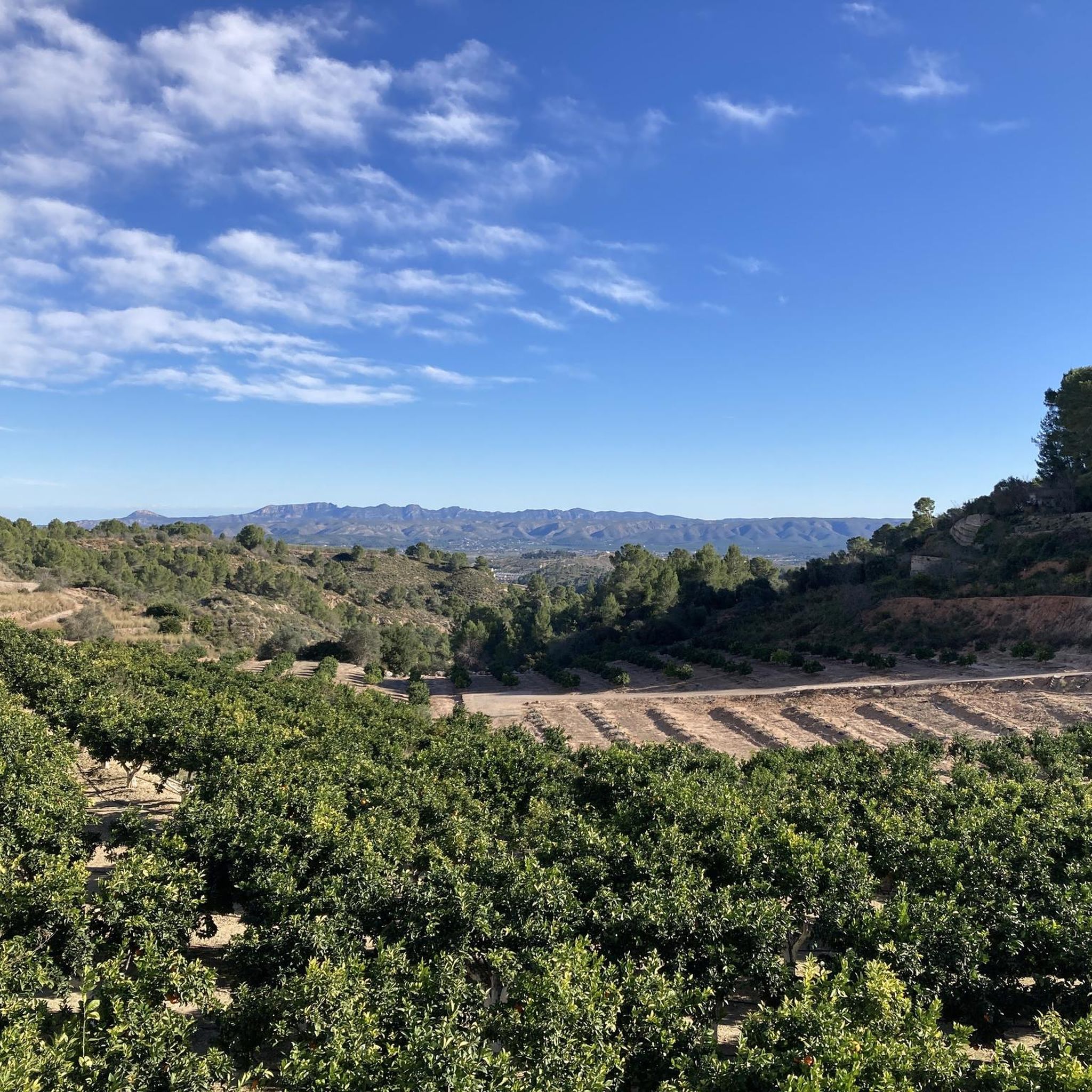
Nice route through a beautiful landscape. The route runs on agricultural, paved paths and occasionally asphalt. Nice section.
1
0


The Fountain of the Twenty-Five Dolls or Royal Font of the Twenty-Five Canelles is a late 18th century fountain fed by the Bellús spring. The fountain has twenty-five jets that give it its name, representing the central spout a face of a bearded person in stone from which water comes out of his mouth, while the rest of the spouts, made of bronze, have the shape of a snake. It was built between 1788 and 1804 in neoclassical style. For its construction, the material from the old Portal de Cocentaina or Portal dels Banys was used, and its original function was to replace the trough, an old Islamic sink from the 11th century that can now be seen exposed in the Almodí Museum. In 2008 it was restored using the sandblasting technique. There is a known concession by King James the Conqueror in 1264 of the use of the Arab baths, which were already in ruins, and of a fountain in the location where the fountain of the twenty-five jets is currently located. In it a plate says: "Quench the thirst of the thirsty labrador. With my crystals Sétabis blooms. Trade grows, agriculture grows. Population and harvests increase”.
2
0
The Basilica Collegiate Church of Santa Maria, known as La Seu, is the main church of the city of Xàtiva. It began to be built in 1596 and is the most important religious building in the city. After the conquest of Xàtiva by Jaume I, the old mosque became a Christian church, dedicated to Santa Maria, as was the king's custom, making it the head of one of the three archdeaconries and archdeaconry of the diocese. In 1413, Pope Benedict XIII elevated it to the category of collegiate, creating in it fifteen canons, a dean, a sacristan and a bishop. It has been a national monument since 1931 and a minor basilica since 1973.
1
0

Wonderful place worth visiting and exploring. The Castell has a unique value for the entire Valencian Community since it was once one of the strongest and strategic points of the ancient Kingdom of Valencia. Today it offers amazing views of the entire La Costera valley and you cannot miss visiting it from the inside. To get there you will travel part of the Via Augusta, an ancient and well-known route that linked Rome with Cartagena and Cádiz, running along the Mediterranean coast and crossing the Pyrenees.
2
0
Frequently Asked Questions
What historical landmarks can I explore in Sant Joanet itself?
Within Sant Joanet, you can discover the 14th-century Gothic Tower of the former Palace of the Marquis of Bélgida, which is the town's emblem. Also notable are the 16th-century Church of San Juan Bautista, the historical Casa Motor (old well dependencies), and a distinctive Ceramic Altarpiece on Calle San José.
Are there significant historical sites near Sant Joanet?
Yes, the region boasts several important historical sites. A must-see is the Castell de Xàtiva, a grand fortress with a strategic position on the ancient Vía Augusta. Another significant site is the Collegiate Basilica of Santa María (La Seu), Xàtiva, a 16th-century church with strong ties to the Borgia family.
What natural features or scenic trails are available for outdoor activities?
For scenic outdoor activities, consider the Natural Trail of the Old Little Train. This route follows an old train line, offering beautiful landscapes for cycling or hiking without technical difficulty. The broader region also features natural beauty spots like Anna's Lake and parks such as Parc de l'Alquenència in Alzira.
Are there any family-friendly attractions or activities around Sant Joanet?
Many attractions in the area are suitable for families. The Castell de Xàtiva and the Collegiate Basilica of Santa María (La Seu), Xàtiva are both marked as family-friendly historical sites. Additionally, the Natural Trail of the Old Little Train is an accessible and enjoyable option for families to cycle or walk.
What kind of outdoor routes can I find near Sant Joanet?
Near Sant Joanet, you can find a variety of outdoor routes for different activities. For mountain biking, there are routes like the 'Bitter Spring – Camí de la Creu loop' or 'El Palmeral – Viewpoint of the Tous Reservoir loop'. Runners can enjoy trails such as the 'Bitter Spring loop'. Road cyclists have options like the 'Tous Reservoir Loop'. You can find more details on these and other routes in the MTB Trails around Sant Joanet, Running Trails around Sant Joanet, and Road Cycling Routes around Sant Joanet guides.
What do visitors particularly enjoy about the attractions near Sant Joanet?
Visitors frequently praise the historical significance and impressive architecture of sites like the Castell de Xàtiva, noting its grandeur and strategic views. The Natural Trail of the Old Little Train is appreciated for its beautiful landscapes and ease of access for cycling and hiking. The overall blend of cultural exploration and accessible outdoor activities is a major draw.
Are there any viewpoints offering panoramic scenery?
Yes, the Castell de Xàtiva offers fantastic panoramic views, especially from its older section, the Castell Menor, overlooking the Bixquert valley. The Hermitage of Saint Joseph also provides very nice views of Xàtiva and its castle.
Is there anything unique or a 'hidden gem' to discover?
While not exactly hidden, the Fountain of the 25 Spouts in Xàtiva is a unique and interesting object. This late 18th-century fountain, with its twenty-five spouts including a central bearded face and snake-shaped bronze spouts, offers a distinctive piece of local history and artistry.
What is the best time of year to visit Sant Joanet and its surrounding attractions?
The region generally enjoys a Mediterranean climate. Spring (April-May) and autumn (September-October) are often ideal, offering pleasant temperatures for exploring historical sites and engaging in outdoor activities without the intense heat of summer. Winter can also be mild, making it suitable for visits, though some outdoor activities might be less appealing.
Are there any religious buildings of note in the area?
Absolutely. The Collegiate Basilica of Santa María (La Seu), Xàtiva is a prominent 16th-century church with significant historical connections. Also, the Hermitage of Saint Joseph, a neoclassical construction from the 18th century, holds cultural and historical importance and offers great views.
What kind of accessibility can I expect for attractions?
While many historical sites may have varying levels of accessibility due to their age, some attractions offer better access. For instance, the Fountain of the 25 Spouts is marked as wheelchair accessible. For trails, the Natural Trail of the Old Little Train is generally flat and without technical difficulty, making it accessible for a wider range of visitors.
Most popular routes around Sant Joanet
Most popular attractions around Sant Joanet

Get inspired with the komoot mobile app


Explore more
Still not found the Highlight you’re looking for? See guides of the top attractions in other regions:
