The best road cycling routes around Alosno
209
riders
27
rides
Road cycling routes around Alosno traverse an undulating landscape of rolling hills and extensive plains within the El Andévalo region of Huelva, Andalusia. The area is characterized by a mix of agricultural lands, cork oak and holm oak forests, and a dense network of ravines and watercourses like the River Oraque. Cyclists encounter varied terrain, including historical mining landscapes with abandoned open-pit mines, adding a unique visual dimension to the natural environment. This region offers diverse road cycling opportunities across…
Last updated: May 27, 2026
25
riders
114km
04:54
1,020m
1,020m
This difficult 70.7-mile (113.8 km) road cycling route in Huelva province offers a challenging ride with mining heritage views.
15
riders
Moderate road ride. Good fitness required. Some segments of this route may be unpaved and difficult to ride.

Sign up for free
10
riders
83.8km
03:41
750m
750m
Moderate road ride. Good fitness required. Some segments of this route may be unpaved and difficult to ride.
27
riders
57.7km
02:39
620m
620m
Moderate road ride. Good fitness required. Mostly well-paved surfaces and easy to ride.
23
riders
102km
04:37
1,150m
1,150m
Hard road ride. Very good fitness required. Mostly well-paved surfaces and easy to ride.
Get access to more routes and recommendations from other explorers.
Sign up for free
Already have an account?
Our route recommendations are based on thousands of hikes, rides, and runs completed by other people on komoot.
Start today with a free account
Your next adventure awaits.
Login or Signup
Popular around Alosno

Tips from the Community

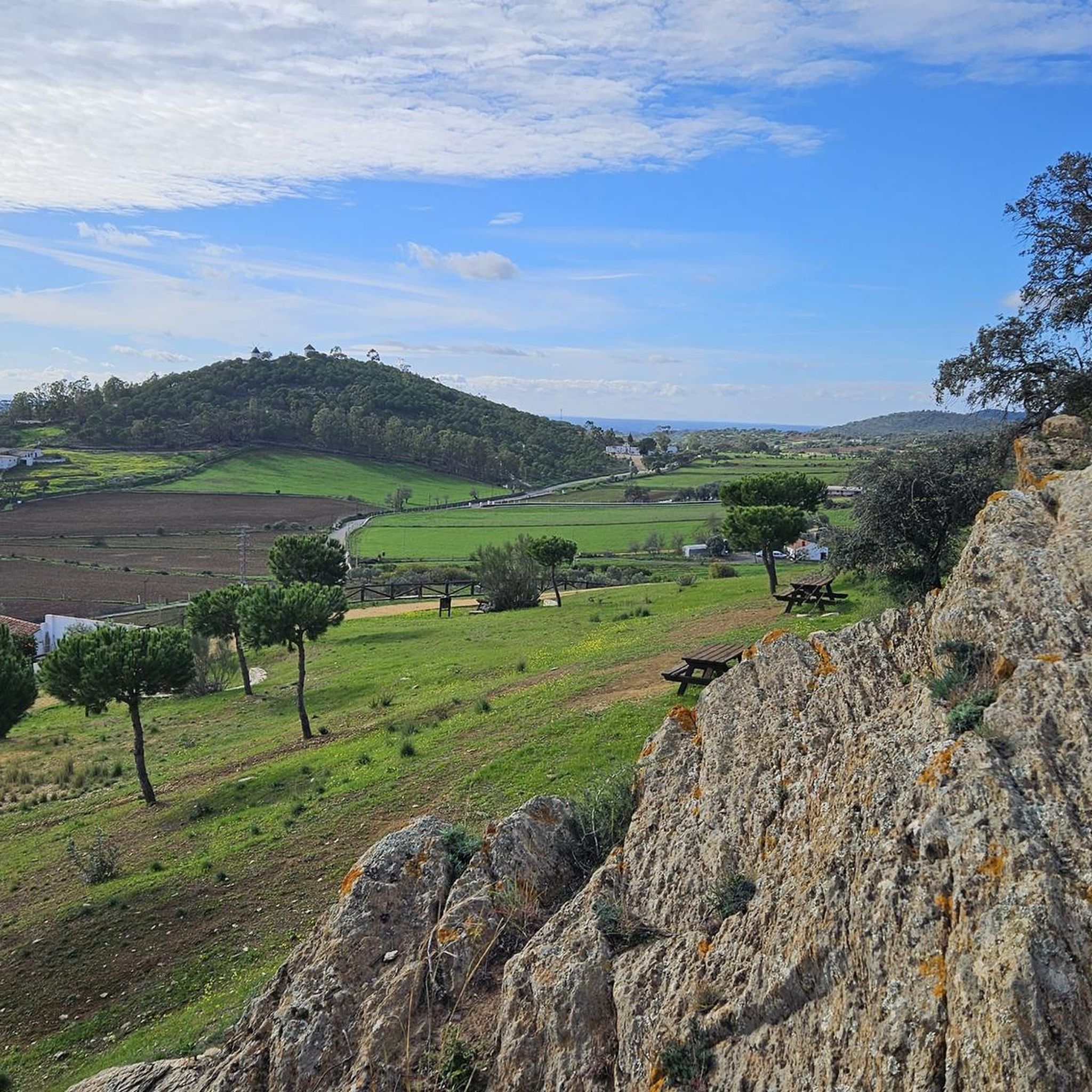
Eagle Hill offers spectacular views of the Andévalo region, the Sierra de Aracena, the Huelva coast, and even Portugal. The natural surroundings and the hill's altitude make the hermitage a privileged viewpoint.
1
0
The Hermitage of Our Lady of La Peña in Puebla de Guzmán (Huelva) is one of the most emblematic sites in the Andévalo region, both for its religious significance and its cultural and scenic importance. It is located on Cerro del Águila (Eagle Hill), about 4 km from the town center of Puebla de Guzmán. Origin: Probably built in the 16th century, although the most significant works were carried out in the 17th century. Style: Latin cross floor plan, with a single nave covered by a wooden truss roof. The crossing is crowned by a hemispherical dome on pendentives.
1
0
The Hermitage of Our Lady of La Peña in Puebla de Guzmán (Huelva) is one of the most emblematic sanctuaries in the Andévalo region of Huelva province, with a deep spiritual, artistic, and cultural tradition. Location: On Cerro del Águila (Eagle Hill), about 4 km from the town center. Origin: Probably built in the 16th century, with significant renovations in the 17th century, 1960, and 1992. Founding legend: According to tradition, the Virgin Mary appeared to the shepherd Alonso Gómez in the 15th century, who was instructed to build a hermitage on that site.
4
0

A beautiful spot from which you can anticipate the crossing from Portugal to Spain, crossing under the Chanza reservoir dam, next to the Guadiana River.
2
0

Along the Ribeira do Geraldo, the Tapada Grande Dam Reservoir holds an unexpected treasure: this serene river beach, with golden sands, fresh lawns, and every comfort for leisure. Once a vital reservoir for the old mining industry, today it is a setting for rest and harmony. Nearby stands the town of Minas de São Domingos, born of the mining past and still marked by the memory of this unique heritage.
1
0
This mill, built in the 18th century, was restored to its original state in 1996. It is made of stone and clay and stands approximately seven and a half meters tall. Its structure comprises two floors: the lower floor served as the miller's dwelling, while the upper floor housed the grain-grinding machinery.
2
0

It is not a border town, since the urban centre is 20 km from the border line, although the municipal area is a border town.
0
1

Elegant church with LED lights. Without a doubt, a modern touch that surprises everyone who visits it.
1
0
Frequently Asked Questions
How many road cycling routes are available around Alosno?
There are over 25 road cycling routes around Alosno, offering a variety of experiences for cyclists. These routes range from moderate to difficult, catering to different skill levels.
What kind of terrain can I expect on road cycling routes in Alosno?
Road cycling routes around Alosno feature an undulating landscape of rolling hills and extensive plains. You'll encounter a mix of agricultural lands, cork oak and holm oak forests, and a dense network of ravines and watercourses. The terrain provides both climbs and descents, making for varied and engaging rides.
What are the difficulty levels of road cycling routes in Alosno?
The road cycling routes in Alosno are categorized as moderate to difficult. There are 17 moderate routes and 8 difficult routes, ensuring options for cyclists looking for both challenging climbs and scenic, less strenuous rides.
Are there any circular road cycling routes in the Alosno area?
Yes, several popular routes around Alosno are circular. For example, the Villanueva de los Castillejos, Puebla de Guzmán, Tharsis, San Bartolomé de la Torre – circular route offers varied scenery, and the Tharsis, Puebla de Guzmán, Cabezas Rubias – circular route takes you through agricultural lands and historical mining areas.
What natural features or landmarks can I see while road cycling near Alosno?
While cycling, you can explore the unique historical mining landscapes with abandoned open-pit mines like the Tharsis Open-Pit Mine, which adds a distinct visual dimension. The region also features green valleys, extensive plains, and the picturesque River Oraque. You might also find quiet country roads, perfect for peaceful rides.
What is the best time of year for road cycling in Alosno?
The westernmost Huelva province, including Alosno, benefits from Atlantic winds, resulting in greener landscapes. Spring offers lush, multi-colored blooms, and summers are generally cooler and more verdant than other parts of Andalusia, making these seasons particularly pleasant for cycling.
Are there any particularly long or challenging road cycling routes in Alosno?
For a challenging ride, consider the Tharsis, Gibraleón – return via Trigueros route. This difficult trail spans over 70 miles (113 km) and features more than 3,340 feet (1018 meters) of elevation gain, typically taking nearly 5 hours to complete.
What cultural or historical points of interest are near the cycling routes?
Beyond the natural beauty, Alosno itself is known as the 'Cuna del Fandango' (Cradle of Fandango) and features historic architecture like the 18th-century Parroquia de Nuestra Señora Gracia. The well-preserved 19th-century Medio Millar railway station, part of the historic Tharsis Railway, is also noteworthy and can be found along some routes.
Can I find routes that offer elevated views or viewpoints?
The undulating landscape of Alosno, with its rolling hills, naturally provides elevated sections that offer scenic views of the surrounding countryside. While specific viewpoints are not detailed for every route, the varied terrain ensures many opportunities for panoramic vistas, especially in areas like Cabezo Juré, known for its elevated positions.
What is the typical elevation gain on road cycling routes around Alosno?
The elevation gain on routes around Alosno varies significantly with difficulty. Moderate routes might see around 600-750 meters (2,000-2,500 feet) of ascent, while more difficult routes, such as Tharsis, Gibraleón – return via Trigueros, can feature over 1,000 meters (3,300 feet) of elevation gain.
Are there any routes that pass through multiple towns or villages?
Yes, some routes are designed to connect several local towns and villages, offering a glimpse into the regional culture and architecture. The Villanueva de los Castillejos, Puebla de Guzmán, Tharsis, San Bartolomé de la Torre – circular route is a great example, providing varied scenery as you cycle through different communities.
What do other road cyclists enjoy the most about road cycling in Alosno?
Road cyclists frequently praise the varied terrain, which includes rolling hills and extensive plains, and the unique visual dimension added by historical mining landscapes. The green countryside and quiet roads are also often highlighted for providing a peaceful and engaging cycling experience.
Most popular routes around Alosno
Most popular attractions around Alosno

Get inspired with the komoot mobile app


Explore more
Browse the best Road cycling routes in other regions.
