The best running trails around Puebla De Sanabria
5.0
(2)
120
runners
26
runs
Jogging routes around Puebla De Sanabria offer diverse terrain within a region characterized by expansive glacial lakes, winding river trails, and forested mountains. The landscape features the largest glacial lake on the Iberian Peninsula, surrounded by paths suitable for running. Runners can explore trails along the Tera River and through deciduous forests, providing varied natural environments. The area presents a mix of accessible paths and more challenging routes with significant elevation gains.
Best jogging routes around Puebla De Sanabria
- The…
Last updated: July 12, 2026
5.0
(1)
38
runners
13.5km
01:48
360m
360m
This difficult 8.4-mile (13.5 km) jogging route in Lago de Sanabria Natural Park offers stunning views and a challenging ascent.
5.0
(1)
6
runners
12.6km
02:11
570m
570m
This difficult 7.8-mile jogging route in Parque Natural del Lago de Sanabria y Alrededores leads to Sotillo Waterfall and Laguna de Sotillo.

Sign up for free
16
runners
58.0km
07:44
1,590m
1,590m
Hard run. Very good fitness required. Sure-footedness, sturdy shoes and alpine experience required.
12
runners
30.9km
04:05
830m
830m
Hard run. Very good fitness required. Sure-footedness, sturdy shoes and alpine experience required.
6
runners
19.5km
03:02
720m
730m
Hard run. Very good fitness required. Sure-footedness, sturdy shoes and alpine experience required.
Get access to more routes and recommendations from other explorers.
Sign up for free
Already have an account?
Our route recommendations are based on thousands of hikes, rides, and runs completed by other people on komoot.
Start today with a free account
Your next adventure awaits.
Login or Signup
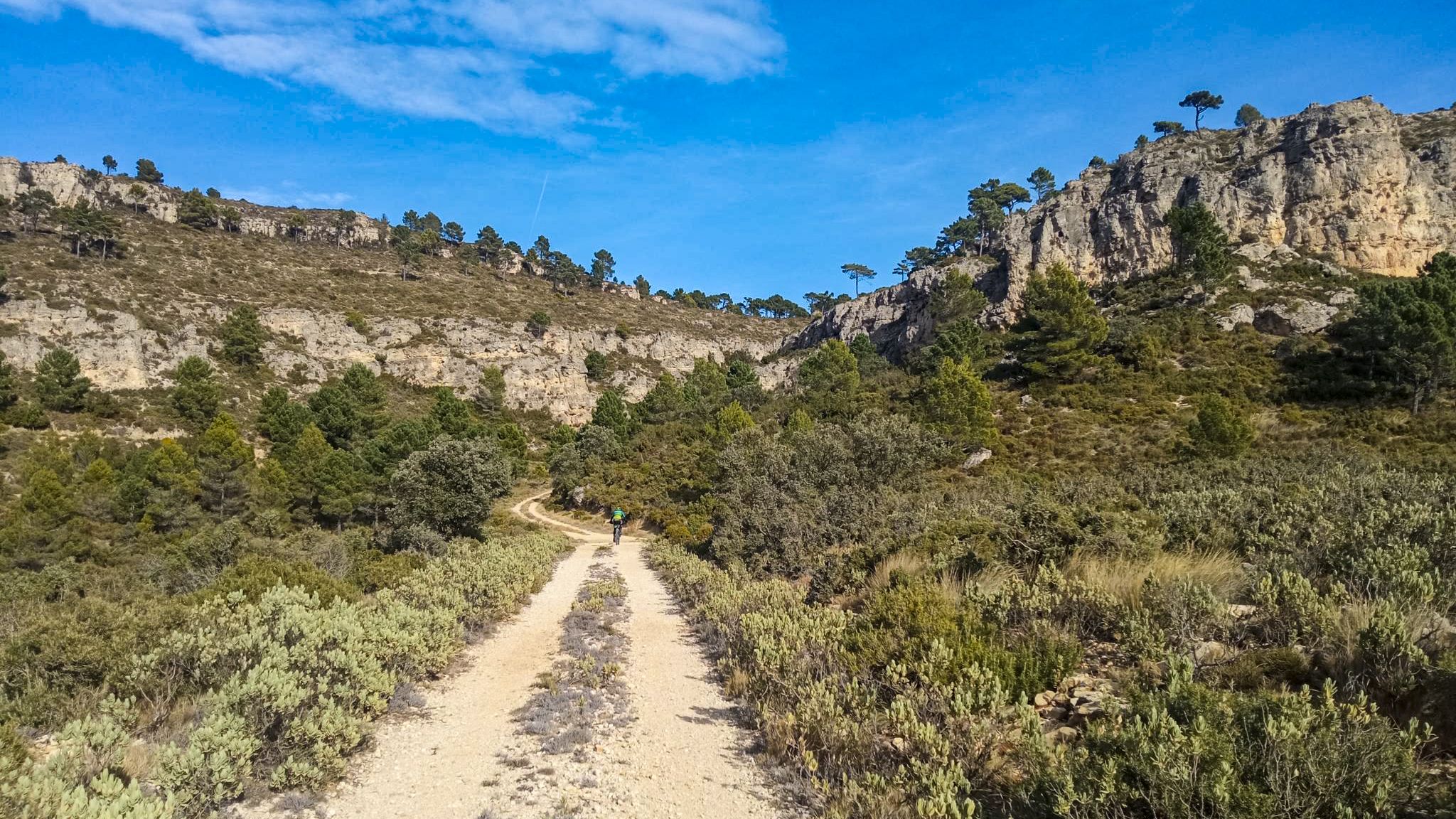
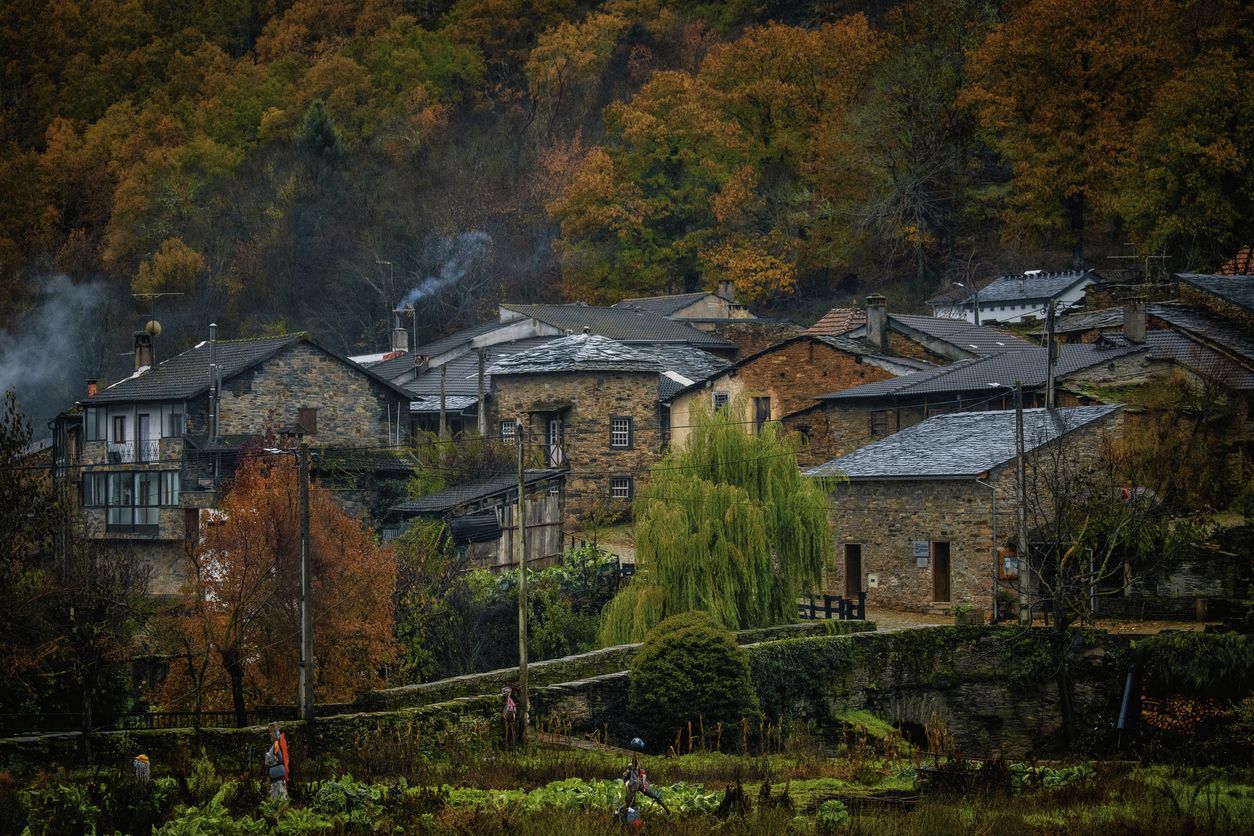
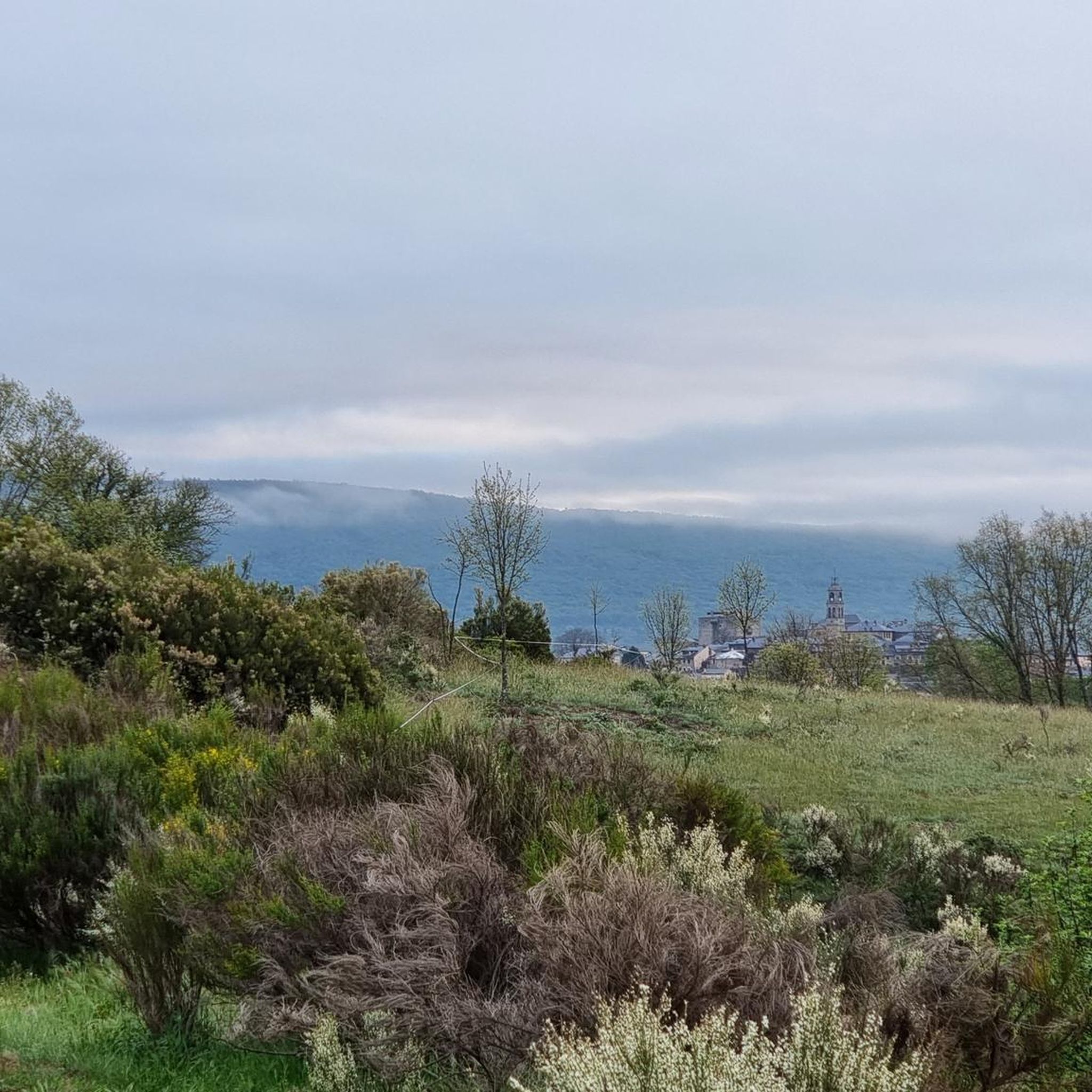
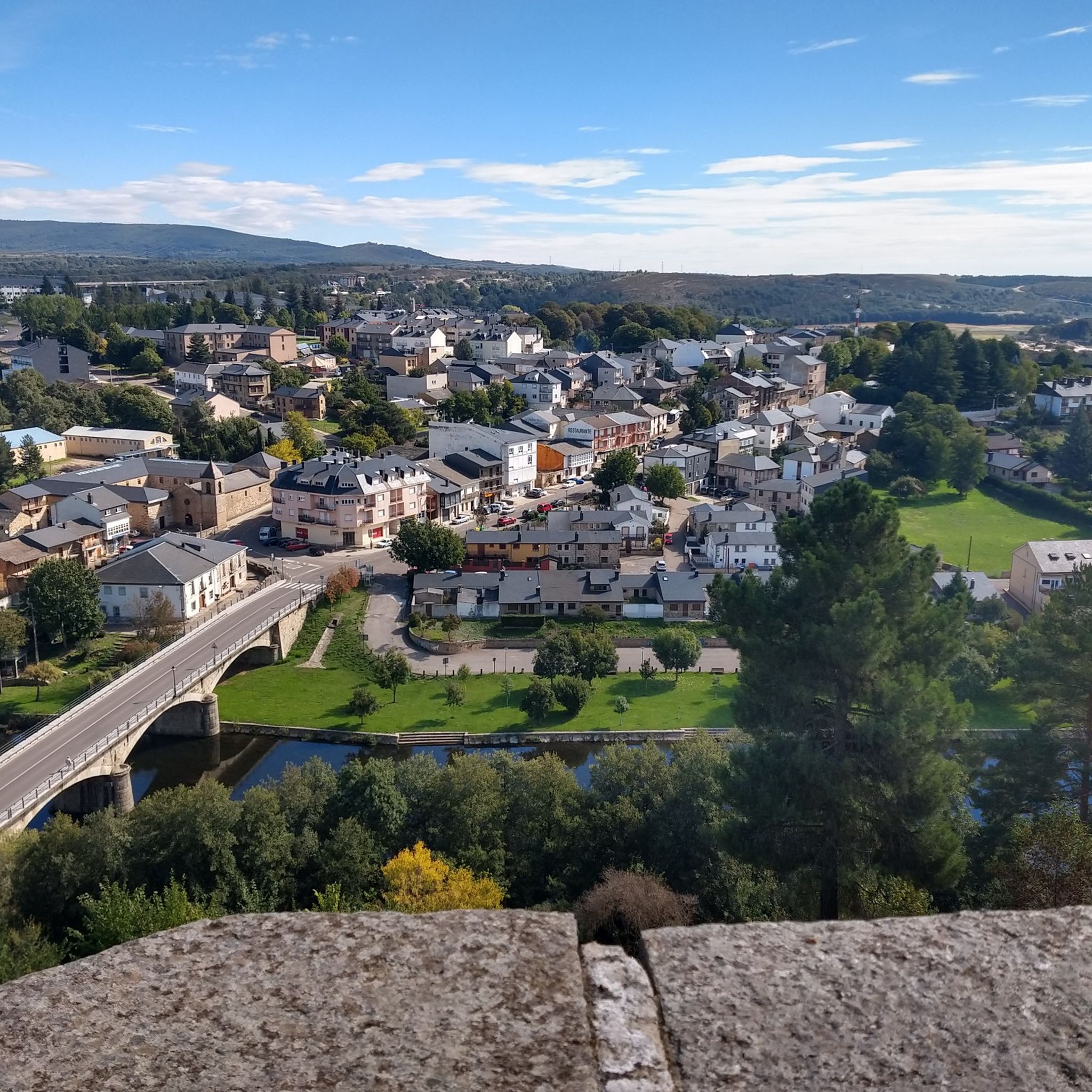


Tips from the Community

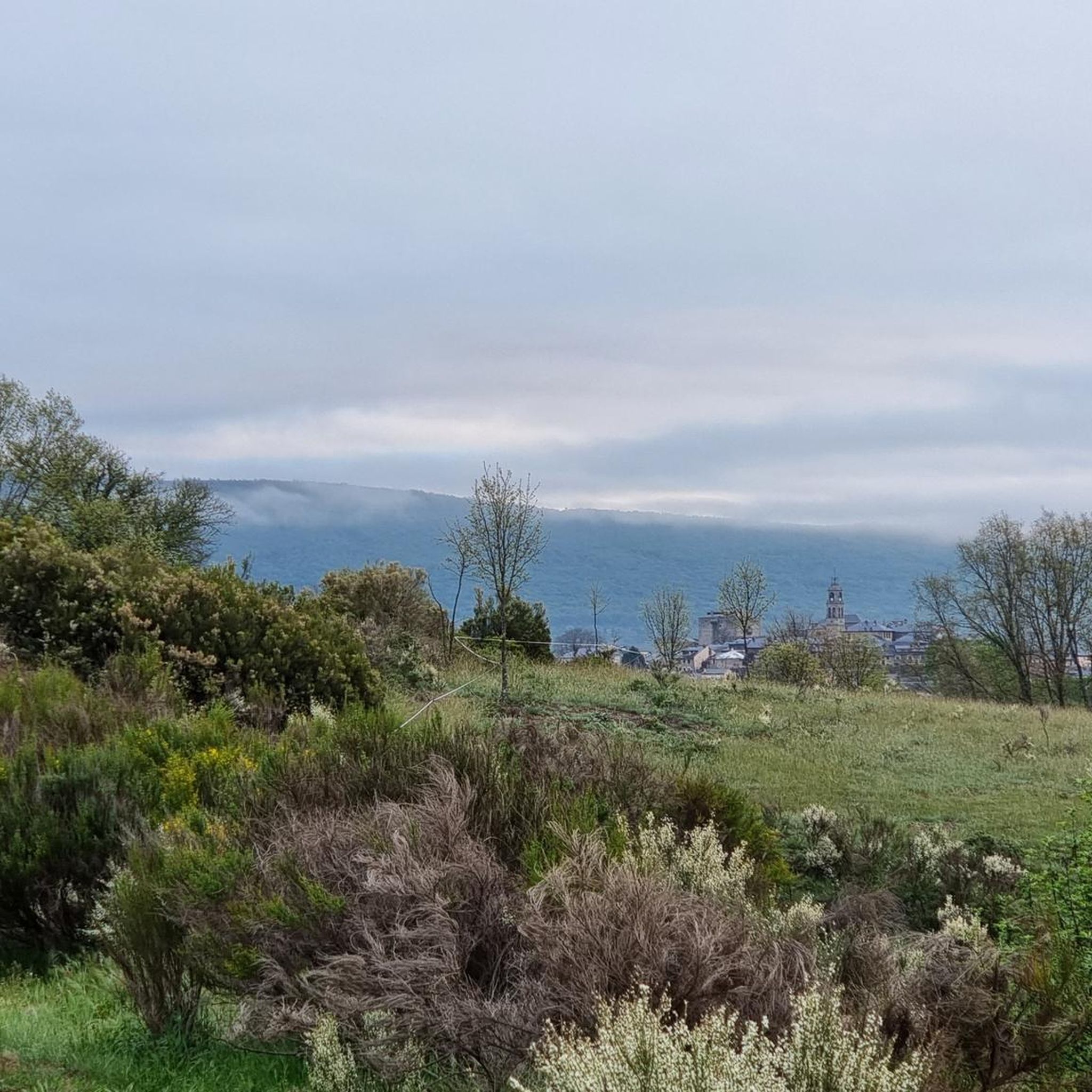
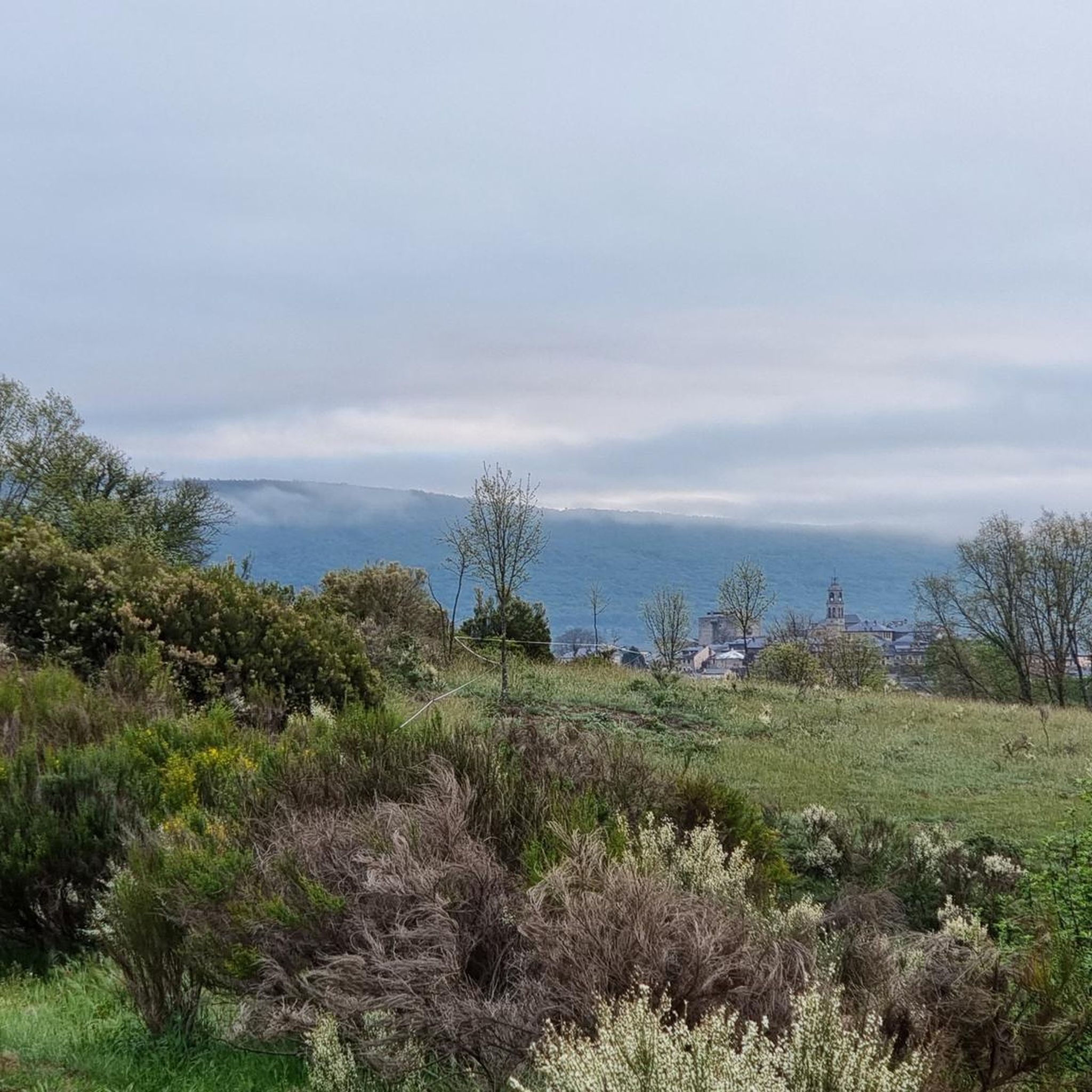
From this point on the trail, you can enjoy spectacular views of Lake Sanabria. Located in the province of Zamora, at over 1,000 meters above sea level, it is the largest glacial lake on the Iberian Peninsula and the heart of the natural park that bears its name. Its clear, deep waters, surrounded by oak forests and peat bogs, unusual at this latitude, create a natural environment of great ecological richness. To make the most of your getaway, it is recommended to wear comfortable shoes and warm clothing, as the mountain weather can change rapidly.
2
0

Rio de Onor is not just a beautiful village; it's a "living museum" of a way of life that has almost disappeared in Europe. It's worth visiting because it is possibly the village with the most fascinating social history in Portugal. Here are the 4 main reasons to go there: 1. It's a Community Village ("Communitarianism") This is Rio de Onor's great trademark. For centuries, the village lived under a system of total sharing among neighbors, something very rare: Sharing of Goods: The bread oven, the watermill, and even the village bull belonged to everyone. The "Rod of Justice": Decisions and fines for infractions in the village were marked on a wooden rod, managed by the "judge" elected by the people. You can see this history explained at the Casa do Touro (House of the Bull), a small, unmissable museum in the village. 2. One Village, Two Countries Rio de Onor is a village bisected by the international border. On this side is Rio de Onor (Portugal); on the other side is Rihonor de Castilla (Spain). For the inhabitants, the border never really existed: they share land, livestock, and even speak their own dialect (Rionorês), an ancient mixture of Portuguese and Castilian. It's very curious to cross from one country to the other on foot in the middle of the main street. 3. The Schist Landscape and Nature Located in the Montesinho Natural Park, the village is visually stunning. The houses are made of dark schist with wooden balconies, typical of Trás-os-Montes, and are very well preserved. The Onor River, which crosses the village, has clear waters and creates a very pleasant natural river beach in the summer, perfect for picnics. 4. The "Roman" Bridge The old stone bridge (which is actually from the 19th century, despite its popular name) is the village's postcard image. The reflection of the arches in the water with the schist houses in the background creates one of the most photogenic landscapes in Northern Portugal. Visiting Rio de Onor is like stepping back in time and understanding how communities survived in isolation in the mountains, supporting each other. It's a lesson in life and history in an incredible natural setting.
2
0

The view of Lake Sanabria from the Neveira Viewpoint is one of the most spectacular in the natural park. This viewpoint is located near the Monastery of San Martín de Castañeda, on a route that combines history, nature, and breathtaking panoramas.
3
0
Sotillo Waterfall, located in Sotillo de Sanabria (Cobreros municipality, Zamora), is one of the natural gems of the Sanabria Lake Natural Park and one of the most spectacular hiking trails in Castile and León. Its waterfall is approximately 20 meters high, making it particularly impressive in spring and after rain.
2
0
The view of Lake Sanabria from Galende is one of the most impressive in northwestern Spain. This glacial lake, the largest in the Iberian Peninsula, is located in the heart of the Sanabria Lake Natural Park, in the province of Zamora.
3
0

The trail follows the banks of the River Onor until it takes you to a charming weir, or small dam, where you can cross the river with the water murmuring beneath your feet. An idyllic spot, where the landscape is dazzling and the sound of the stream soothes you.
2
0
Guadramil, lost among the mountains of the Montesinho Natural Park, is one of the most isolated villages in Portugal, so remote that not even a mobile phone signal can reach it. Located in the district of Bragança, it preserves the charm of the most authentic villages in Trás-os-Montes.
1
0

Rio de Onor is a sleepy little village right on the Portugal/Spain border. The drive through it is a challenging one and absolutely not recommended for larger campervans.
3
1
Frequently Asked Questions
What kind of terrain can I expect on jogging routes around Puebla de Sanabria?
The region offers a diverse range of terrain, from accessible paths to more challenging routes with significant elevation gains. You'll find trails winding through forested mountains, along riverbanks like the Tera River, and around expansive glacial lakes, including the largest glacial lake on the Iberian Peninsula, Lake Sanabria.
Are there any running routes that feature waterfalls?
Yes, the area is home to impressive natural features like the Sotillo Waterfall. You can explore the Sotillo Waterfall and Lake Trail, a challenging 12.6 km (7.8 miles) path that leads directly to this 20-meter high cascade, especially beautiful in spring or after rain.
What are some scenic highlights I can see while jogging in Puebla de Sanabria?
Jogging routes often provide stunning views of the natural landscape and historic sites. You can enjoy breathtaking vistas around Lake Sanabria, explore trails with views of the Tera River, or even start your run from the charming Old Town of Puebla de Sanabria, with its dominant Castle of the Counts of Benavente providing a picturesque backdrop.
Are there any long-distance running options in the area?
For those looking for a significant challenge, the region offers longer routes. One notable option is the Rio de Onor Village – Weir and Boardwalk of the Rio Onor loop from Riomanzanas, which spans approximately 58 km (36 miles) and takes around 7 hours 44 minutes to complete, leading through river valleys and scenic village landscapes.
What do other runners say about the trails in Puebla de Sanabria?
The running routes in Puebla de Sanabria are highly rated by the komoot community, with an average score of 5.0 stars from 2 reviews. Runners often praise the varied natural environments, from glacial lakes to forested mountains, and the options available for different ability levels.
Are there any circular jogging routes available?
Yes, many routes in the region are circular, allowing you to start and end in the same location. A popular example is the Lake Sanabria and Path of the Monks Loop, an 13.5 km (8.4 miles) trail that offers a scenic loop around the lake.
Can I find routes suitable for a more challenging run?
Absolutely. Puebla de Sanabria is known for its more demanding trails, with 11 out of 14 routes classified as difficult. These often feature significant elevation gains and varied terrain, perfect for experienced runners seeking a rigorous workout amidst stunning natural beauty.
What is the best time of year for jogging in Puebla de Sanabria?
The region's natural beauty, including its deciduous forests and waterfalls, suggests that spring and autumn would be particularly scenic for jogging. Spring offers lush greenery and full waterfalls, while autumn provides vibrant foliage. Summer is also popular, especially around Lake Sanabria, but be mindful of warmer temperatures.
Are there any routes that pass through traditional villages?
Yes, some routes offer a blend of natural landscapes and cultural exploration. For instance, the Guadramil Village – Rio de Onor Village loop from Guadramil is a 30.8 km (19.2 miles) route that takes you through charming village scenery, allowing you to experience the local culture alongside your run.
How many jogging routes are there in total around Puebla de Sanabria?
There are over 10 dedicated jogging routes available around Puebla de Sanabria, offering a wide variety of distances and difficulty levels to suit different preferences and fitness levels.
Are there any routes that offer views of glacial lakes other than Lake Sanabria?
While Lake Sanabria is the most prominent, the region is characterized by numerous glacial lakes and lagoons. Many trails within the Sanabria Lake Natural Park and surrounding areas will provide views of these unique glacial formations, offering diverse lakeside running experiences.
Are there any routes that are particularly good for exploring the natural park?
The Lake Sanabria and Path of the Monks Loop is an excellent choice for exploring the heart of the Sanabria Lake Natural Park. This route not only circles the largest glacial lake on the Iberian Peninsula but also takes you through varied landscapes characteristic of the park.
Most popular attractions around Puebla De Sanabria

Get inspired with the komoot mobile app


Explore more
Browse the best Running Trails & Routes in other regions.
