The best road cycling routes around Porto
5.0
(1)
140
riders
19
rides
Road cycling routes around Porto offer a diverse range of landscapes, from serene coastal paths to challenging mountainous terrains. The region is characterized by its river valleys, including the Douro, Minho, and Lima, which provide scenic routes through vineyards and rural areas. Cyclists can also encounter undulating terrain and significant elevation gains in the broader Porto district, particularly in areas like Serra do Pilar and towards glacial lakes. This varied topography ensures a wide array of road cycling experiences.
Best…
Last updated: October 29, 2026
1
riders
97.5km
05:01
1,690m
1,690m
44.1km
02:36
1,020m
1,020m

19
riders
41.0km
02:09
690m
690m
Moderate road ride. Good fitness required. Some segments of this route may be unpaved and difficult to ride.
3.0
(1)
16
riders
73.2km
03:58
1,110m
1,110m
Hard road ride. Very good fitness required. Some segments of this route may be unpaved and difficult to ride.
11
riders
60.7km
03:03
900m
900m
Moderate road ride. Good fitness required. Mostly well-paved surfaces and easy to ride.
Get access to more routes and recommendations from other explorers.
Already have an account?
Our route recommendations are based on thousands of hikes, rides, and runs completed by other people on komoot.
Start today with a free account
Your next adventure awaits.
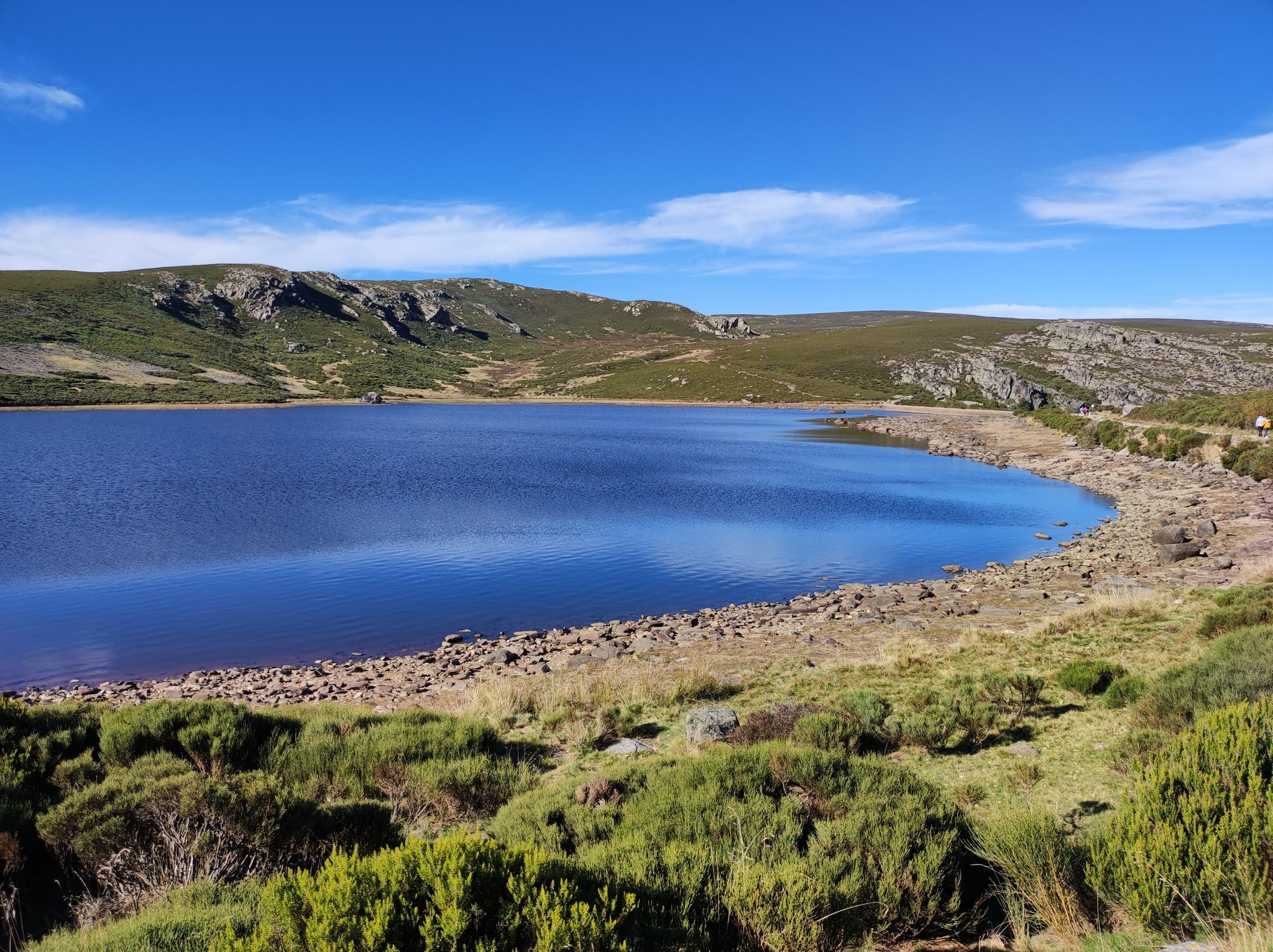
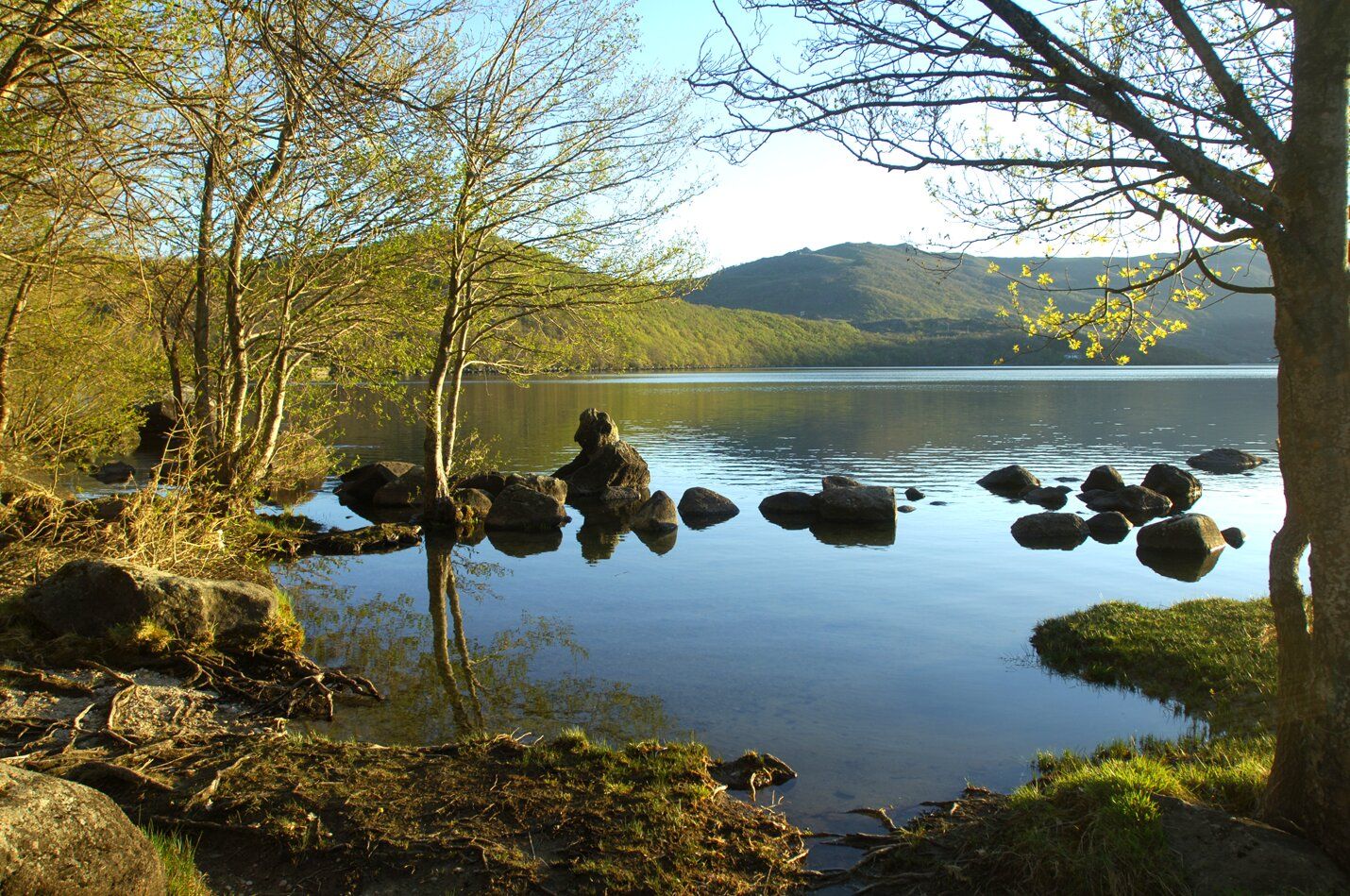


Tips from the Community

The Portela da Canda Pass, also known as the Canda Pass or simply A Canda, is a mountain pass of great geographical, historical, and cultural value that connects Galicia (province of Ourense) with Castile and León (province of Zamora). Located in the Sierra Segundera mountain range, within the Galician Massif, it has traditionally been a crossing point for travelers, merchants, and pilgrims. It forms part of the Sanabrés Way of St. James, an extension of the Silver Route (Vía de la Plata), and is the entry point into Galicia for pilgrims coming from the south. The surrounding area features Jacobean sculptures and wayside crosses (cruceiros) that guide the route, the work of the artist Nicanor Carballo.
5
0

a spectacular area for nature sports
0
0

Founded in the s. X by a group of Mozarabic monks, this monastery is the last preserved of the Zamora Cistercian buildings. Consolidated in the s. XII on a possible ancient Visigothic foundation, this late Romanesque monastery with a Renaissance façade embedded in the 16th century. XVI, still presides over Lake Sanabria. It is visitable, having a museum of sacred art and the well-preserved church.
0
0

Last town where you can get water, it has a convent and the water from the fountain is cold
1
0

The information center and entrance to the Lago Sanabria Natural Park. The lake is one of the largest natural lakes in Spain and a special conservation area that attracts many nature lovers and adventure seekers.
1
0
On the way up, after passing the town of San Justo, you will see the Sanctuary of La Alcobilla. A 16th century church has a small bell tower. There is a water fountain in the churchyard to fill your bottles.
1
0
Small town next to the Tera river in the Sanabria region, in the extreme northwest of the province of Zamora. Located at an altitude of almost 1000m, be sure to check the weather before setting out on your route.
1
0
Portilla de la Canda is a mountain pass at 1260m above sea level and is the crossing point between the provinces of (Ourense) Galicia and Zamora (Castilla y León). There is a water feature and great views of the mountains and the highway road tunnel below.
1
1
Frequently Asked Questions
What types of terrain can I expect on road cycling routes around Porto?
The Porto region offers a diverse range of road cycling terrains. You can find serene coastal paths, particularly south of Porto with views of beaches like Lavadores and Espinho. Inland, routes follow river valleys such as the Douro, Minho, and Lima, often passing through vineyards and rural areas. For more challenging rides, expect undulating terrain and significant elevation gains in areas like Serra do Pilar and towards glacial lakes, as seen on routes like the Porto and San Sebastián Dam Loop from Lubián.
Are there any easy road cycling routes suitable for beginners or families in the Porto area?
While many routes in the broader Porto region feature significant elevation, there are options for less strenuous rides. Coastal paths like the Ciclovia da Foz offer pleasant, flatter sections. River ecovias, such as those along the Minho or Tâmega rivers, often follow old railway lines, providing gentler gradients and a close-to-nature experience. These are generally more accessible for those seeking an easier ride.
When is the best time of year for road cycling around Porto?
Spring and fall are generally considered the best seasons for road cycling in the Porto District. During these months, temperatures are mild and rainfall is minimal, creating comfortable conditions for riding. While winter cycling is possible, be prepared for cooler temperatures and potentially more rain, especially if heading inland.
What kind of natural features or landmarks can I see along road cycling routes near Porto?
Road cycling routes around Porto offer a variety of natural and cultural sights. Along the coast, you can see the Felgueiras Lighthouse and the unique Capela do Senhor da Pedra. Inland, routes often pass through picturesque vineyards, charming villages, and along scenic river valleys. Some routes, like the View of the Tera River – Lake Sanabria loop, offer stunning views of glacial lakes, such as Lake Sanabria, and even waterfalls like the Sotillo Waterfall.
Are there challenging road cycling routes with significant climbs near Porto?
Yes, the broader Porto region offers several challenging routes with considerable elevation gains. For instance, the Alto do Ladiairo and Hermisende Loop is a difficult 44.1 km path with over 1000 meters of climbing. Other routes, like the Puerto de Las Gobernadas – La Baña loop, feature nearly 1900 meters of ascent, taking cyclists through rugged, mountainous terrain that requires good fitness.
Can I find loop trails for road cycling around Porto?
Yes, many road cycling routes around Porto are designed as loops, allowing you to start and finish at the same point. Examples include the Porto and San Sebastián Dam Loop and the Alto do Ladiairo and Hermisende Loop. These circular routes are convenient for exploring the region without needing to retrace your path.
Are there road cycling routes that offer coastal views near Porto?
Absolutely. The coastline south of Porto provides excellent opportunities for road cycling with ocean views. The Ciclovia da Foz, for example, follows the coast from Parque da Cidade towards the Douro estuary, offering pleasant rides past beaches and the Felgueiras Lighthouse. The Portuguese Coastal Way also provides a stunning journey along the coastline, showcasing diverse natural beauty.
What are some cultural highlights or historic towns accessible by road bike from Porto?
Beyond Porto's UNESCO World Heritage center, road cycling routes can lead you to charming historic towns. You can explore places like Guimaraes, Braga, Ponte de Lima, and Valença do Minho, known for their cobblestone streets, medieval architecture, and fortresses. Many routes also pass through the Vinho Verde wine region, offering a chance to experience local gastronomy and vineyards.
Are there any specific attractions or points of interest near the road cycling routes?
Yes, several attractions are located near the road cycling routes. You might encounter religious buildings like the Sanctuary of La Tuiza or the Parish of Saint James the Apostle. Natural highlights include the Sotillo Waterfall, various viewpoints of Lake Sanabria, and unique geological formations like the San Martín Cave.
What is the general cycling environment like in Porto and its surroundings?
Porto's cycling scene is growing, with an increasing number of eco-friendly and traffic-free routes. While the city center has challenging cobbled lanes, dedicated cycle routes are available. Drivers in the region are generally accustomed to cyclists. The diverse landscapes, from coastal paths to river valleys and hilly terrains, ensure a wide array of road cycling experiences for all abilities.
Are there road cycling routes that go towards the Douro Valley?
Yes, many road cycling routes in the Porto region extend inland along the Douro River. These routes head through undulating terrain, past small villages, orchards, and the famous picturesque vineyards of the Douro Valley. Cycling tours often conclude in Porto along this river, showcasing its bridges, riverfront neighborhoods, and historic streets.
Most popular attractions around Porto

Get inspired with the komoot mobile app


Explore more
Browse the best Road cycling routes in other regions.
