Attractions and Places To See around Trabada - Top 20
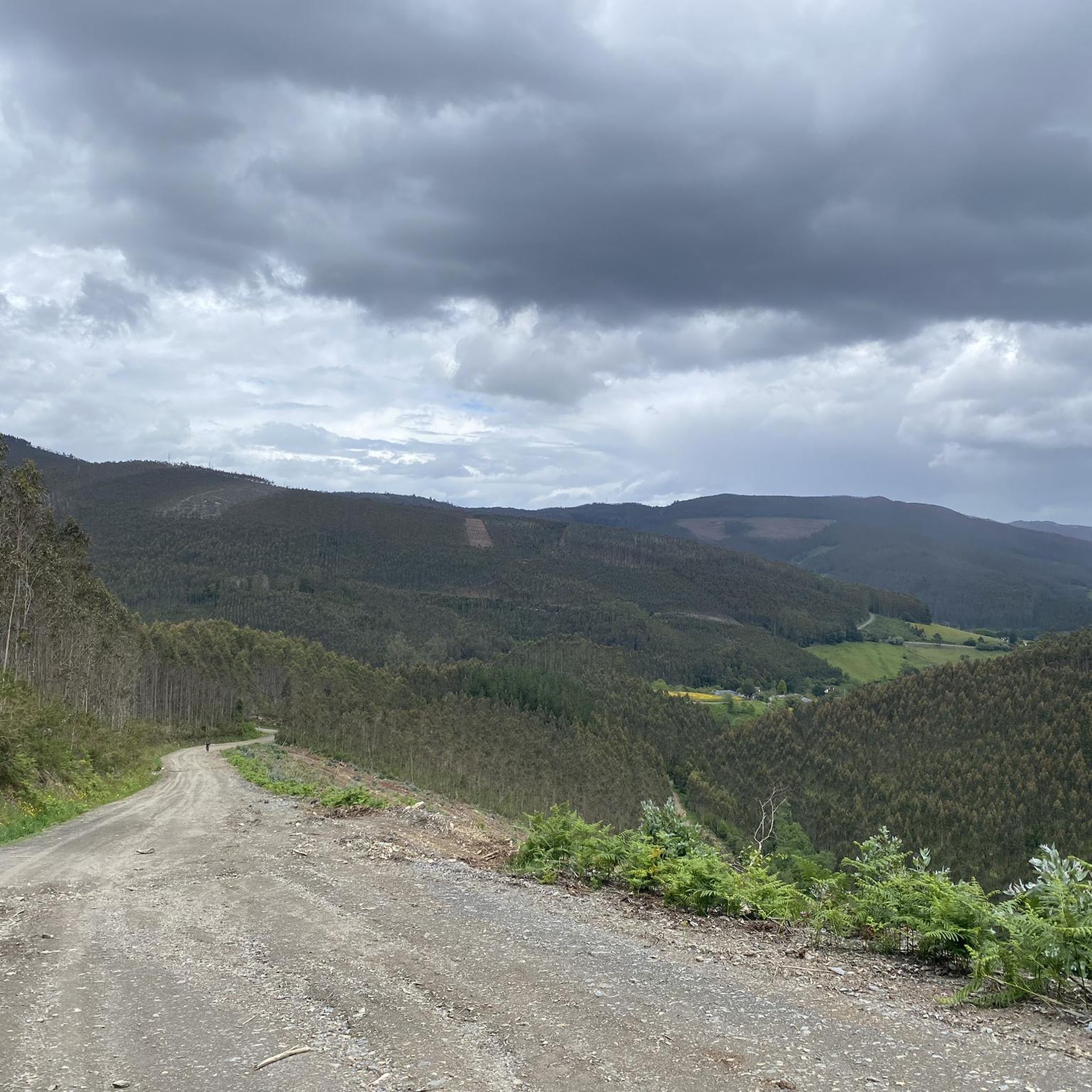
Best attractions and places to see around Trabada include its green landscapes and connection to nature. This municipality in Lugo, Galicia, is characterized by a peaceful lifestyle and is bordered by the Eo River to the west. The region offers opportunities for outdoor activities amidst forests, rivers, and hills, reflecting a rich Galician culture. Visitors can explore both natural features and historical sites in the surrounding area.
Best attractions and places to see around Trabada
- The most popular attractions is…
Last updated: May 9, 2026
Ribadeo
Highlight • Settlement
Translated by Google •
Tip by

Beach of the Cathedrals
Highlight • Beach
Translated by Google •
Tip by

Sign up now to discover places like this
Get recommendations on the best single tracks, peaks, & plenty of other exciting outdoor places.
Sign up for free
Monastery of San Salvador
Highlight • Religious Site
Translated by Google •
Tip by
Mondoñedo Cathedral
Highlight • Religious Site
Translated by Google •
Tip by

Praia das Illas
Highlight • Beach
Translated by Google •
Tip by
Sign up for free to discover even more attractions around Trabada.
Sign up for free
Already have an account?
Start today with a free account
Your next adventure awaits.
Login or Signup

Tips from the Community

Mondoñedo Cathedral, also known as the Basilica of the Virgin of the Assumption, is one of Galicia's most important monuments, both for its historical and artistic value. Construction began in 1219 and was completed in the 14th century.
3
0
The Playa de las Catedrales, known in Galician as Praia das Catedrais, is an impressive natural monument located on the coast of the province of Lugo, in Galicia, Spain. Its official name is Playa de Aguas Santas, but it is popularly known as Playa de las Catedrales due to the appearance of its cliffs, which are reminiscent of the arches and vaults of a cathedral.
8
0
Praia das Illas is a beautiful beach located near Ribadeo, in the province of Lugo, Galicia. It is known for its stunning natural scenery and its tranquility compared to the more famous Playa de las Catedrales.
7
0
Mondoñedo Cathedral, also known as the Cathedral Basilica of the Virgin of the Assumption, is an impressive cathedral located in the town of Mondoñedo, in Galicia, Spain. This cathedral combines Romanesque and Gothic architectural styles, and its main construction took place between 1219 and 1243. The façade was remodeled in the 18th century, and the towers that give it its current appearance were added.
6
0

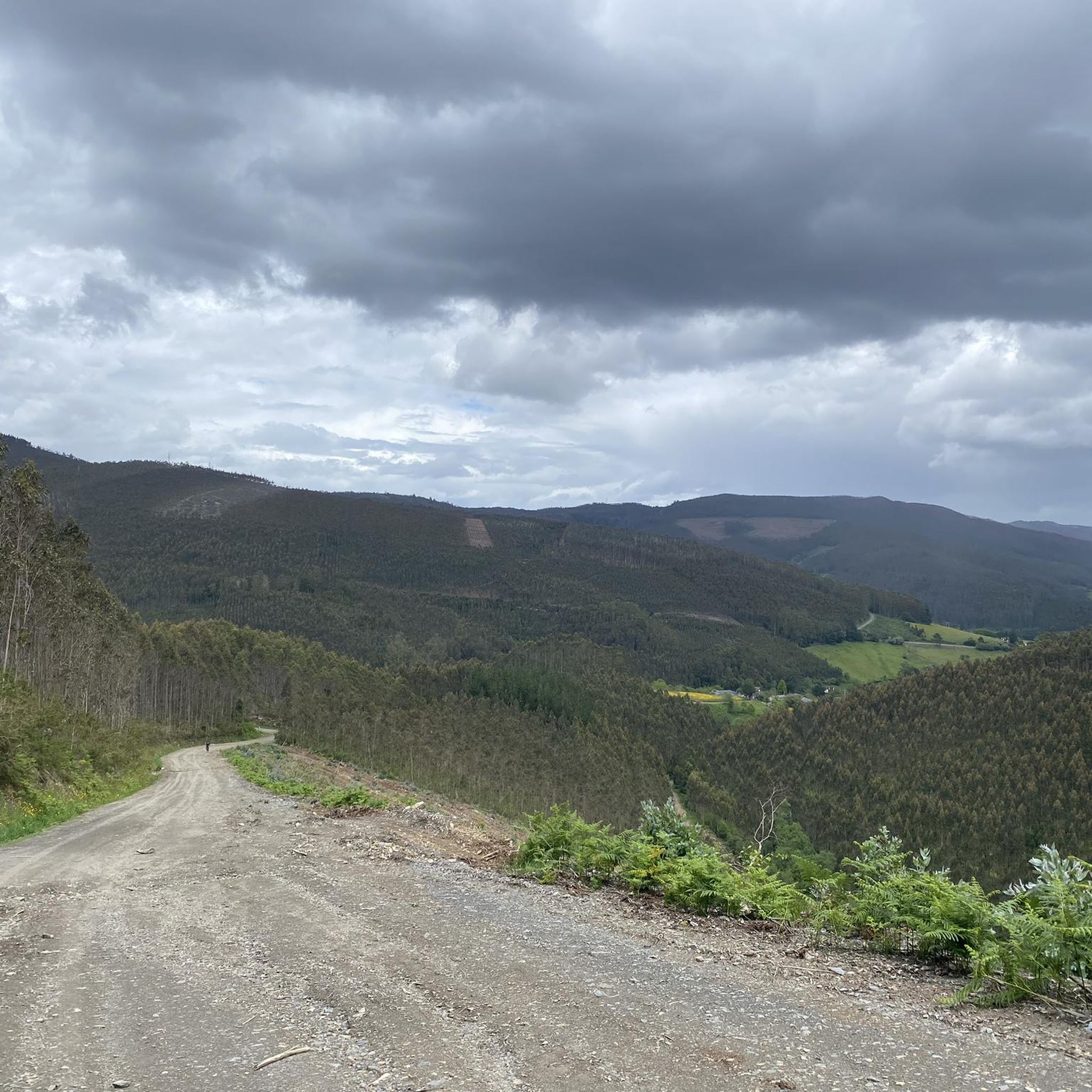
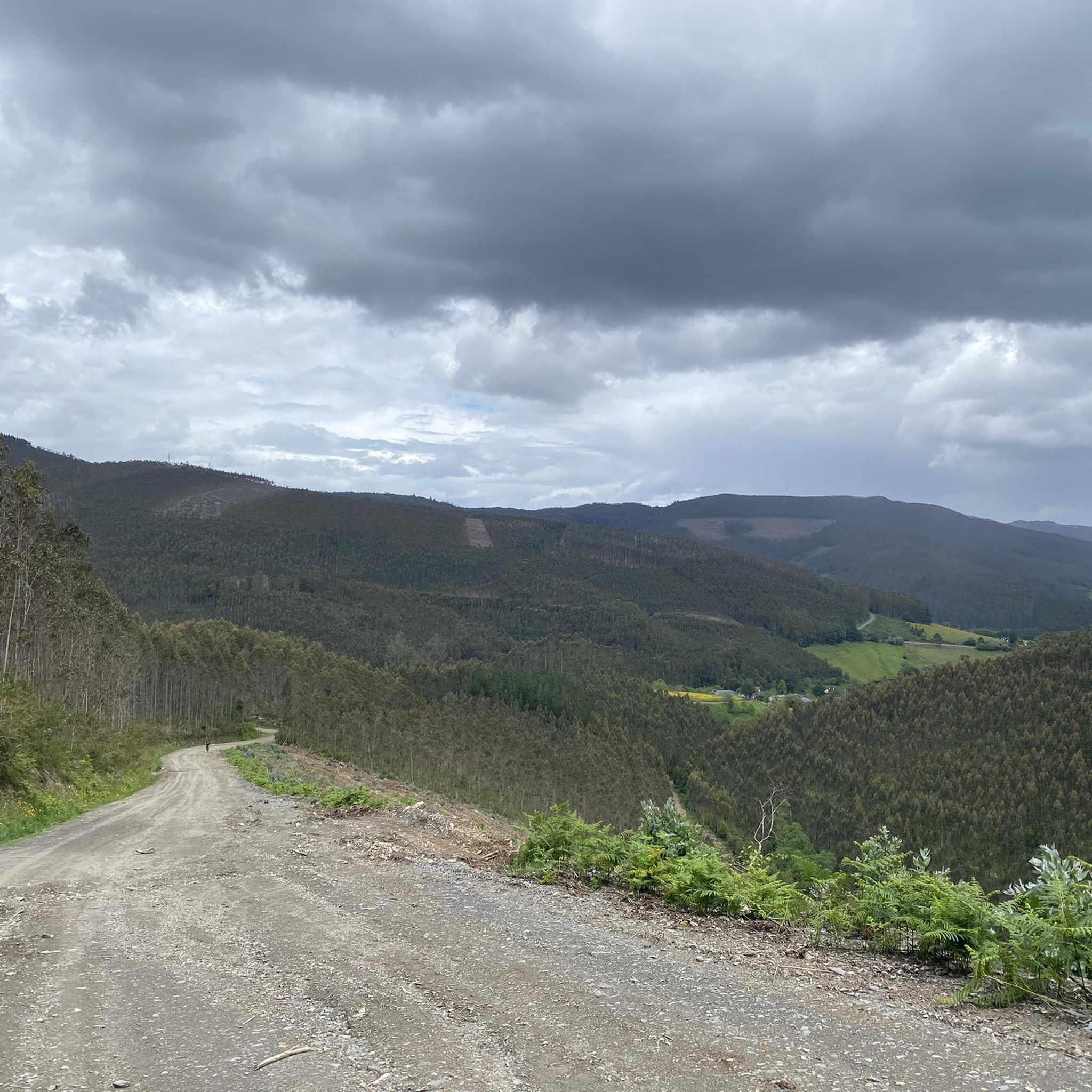
It's truly worth a One-Day-Off from the Camino del Norte 😍
3
0

Las Catedrales beach is a natural monument of extraordinary dimensions. All you have to do is wait for low tide, take off your shoes, start walking... and you'll feel like you're in heaven. There's nothing like enjoying the view of the 30-metre-high flying buttresses, discovering unusual perspectives of arches within other arches. Or simply, letting yourself be carried away by the sandy corridors between slate walls, like in an imposing and whimsical central nave.
4
0

small viewing summit at Playa des Illas. only accessible at low tide (on dry feet) it is not as crowded here as the completely overcrowded As Catedrais beach, but almost as Instagrammable warning: as of 08/24, the Portuguese man o' war is hanging around here, which can be very painful (at least) if touched
1
0
Frequently Asked Questions
What types of natural attractions can I explore around Trabada?
The region around Trabada is rich in natural beauty. You can visit the spectacular Beach of the Cathedrals, known for its sea-carved arches and caves visible at low tide. Another beautiful coastal spot is Praia das Illas, which features stunning rock formations and tranquil surroundings near Ribadeo. The area also boasts forests, rivers, and hills, perfect for nature walks.
Are there any historical or cultural sites to visit near Trabada?
Yes, the area offers several significant historical and cultural sites. The Monastery of San Salvador, founded in the 10th century, houses the sarcophagus of its founder, Osorio Gutiérrez. Further afield, the impressive Mondoñedo Cathedral, with its Romanesque, Gothic, and Baroque elements, dates back to the 13th century and is a major episcopal see in Galicia.
What outdoor activities can I do near these attractions?
Trabada's green landscapes and natural features make it ideal for outdoor activities. You can find various routes for running, gravel biking, and mountain biking. For example, there are running trails like the 'A Pontenova Mines Trail' and gravel biking routes such as the 'Tunnel with holes – Iron bridge loop from A Pontenova'. Explore more options on the Running Trails around Trabada, Gravel biking around Trabada, and MTB Trails around Trabada guide pages.
Are there family-friendly attractions around Trabada?
Absolutely. The Beach of the Cathedrals and Praia das Illas are both considered family-friendly, offering unique natural formations that children often enjoy exploring, especially at low tide. The settlement of Ribadeo, with its historic center and sports harbor, also provides a pleasant environment for families.
What is Ribadeo known for?
Ribadeo is a nearby municipality known for its historic center, which was declared a Site of Cultural Interest. It features a variety of architectural buildings, a sports harbor, and offers connections to Galicia and Asturias via a large bridge over the Eo River mouth. You can find fish restaurants there serving regional delicacies like Pulpo.
What is the best time to visit Trabada for outdoor activities?
Trabada is characterized by its green landscapes and opportunities for outdoor activities amidst forests, rivers, and hills. While specific 'best times' aren't detailed, generally, spring and summer offer the most pleasant weather for hiking, biking, and exploring the natural attractions like the beaches and river areas.
Are there any easy hiking trails suitable for families or casual walkers?
While specific 'easy' trails are not detailed in the provided routes, the region's natural environment with forests, rivers, and hills suggests many opportunities for pleasant nature walks. For more structured routes, you can check the Running Trails around Trabada guide, which includes routes of varying difficulties, some of which may be suitable for walking.
What makes the Beach of the Cathedrals so special?
The Beach of the Cathedrals is a natural monument renowned for its spectacular sea-carved arches and caves. It's considered one of Spain's most beautiful and unique beaches because at low tide, you can walk through these impressive stone formations that resemble cathedral vaults. Its official name is Playa de Aguas Santas, but it's popularly known for its cathedral-like appearance.
What can I expect to see at the Monastery of San Salvador?
At the Monastery of San Salvador, you can see the sarcophagus of its founder, Osorio Gutiérrez, located in the Valdeflores chapel. The monastery itself was founded in the 10th century and has a rich history, with its ornate adjoining church facade dating back to the Baroque period. Today, the city administration occupies parts of the former monastery complex.
What do visitors enjoy most about the attractions around Trabada?
Visitors particularly appreciate the unique natural beauty of sites like the Beach of the Cathedrals, often describing it as breathtaking. The historical significance of places like the Monastery of San Salvador and the charm of settlements like Ribadeo are also highly valued. The overall peaceful, nature-connected lifestyle and green landscapes of the region contribute to a memorable experience.
Are there any specific viewpoints or scenic spots in the area?
Yes, the Beach of the Cathedrals offers stunning views of its unique rock formations, especially at low tide. Praia das Illas also provides beautiful coastal scenery with its large rock formations. The general landscape around Trabada, with its forests, rivers, and hills, offers numerous picturesque spots for nature observation.
Most popular routes around Trabada
Most popular attractions around Trabada

Get inspired with the komoot mobile app


Explore more
Still not found the Highlight you’re looking for? See guides of the top attractions in other regions:
