Attractions and Places To See around San Tirso De Abres - Top 20
Best attractions and places to see around San Tirso De Abres offers a blend of natural beauty and cultural heritage in western Asturias. The municipality is characterized by its lush river valleys, mountainous landscapes, and historical significance, having been recognized as an "Exemplary Town of Asturias." The area provides diverse opportunities to explore its natural features, including the Eo River, and numerous cultural sites. Visitors can discover a rich history embedded in its architecture and traditions.
Best attractions and places…
Last updated: October 10, 2026
Igrexa da Ponte
Highlight • Religious Site
Translated by Google •
Tip by

Hornos de Vilaoudriz
Highlight • Monument
Translated by Google •
Tip by

Sign up now to discover places like this
Get recommendations on the best single tracks, peaks, & plenty of other exciting outdoor places.
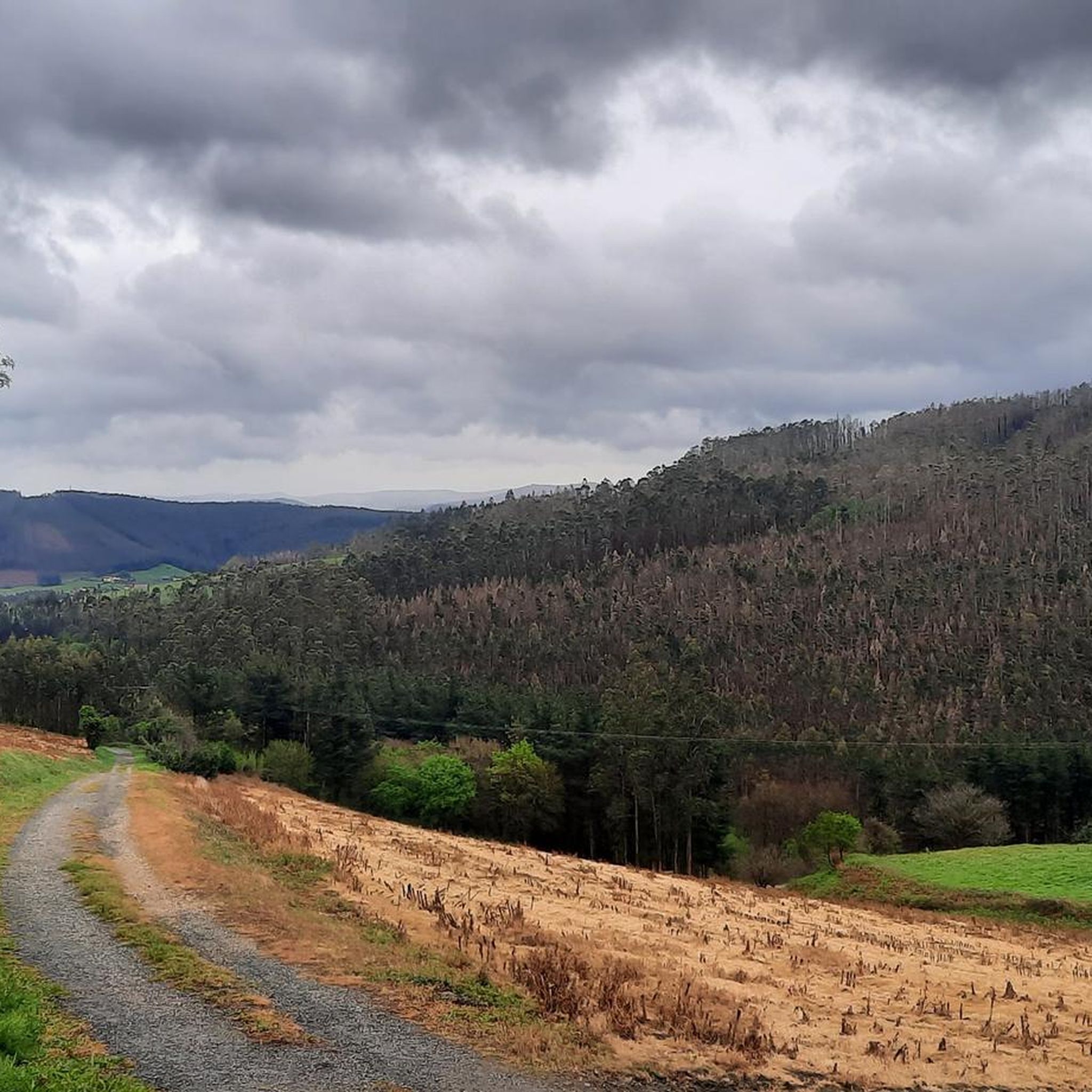
Through the eucalyptus forest
Highlight • Forest
Translated by Google •
Tip by

Church of San Martín (Taramundi)
Highlight • Religious Site
Translated by Google •
Tip by

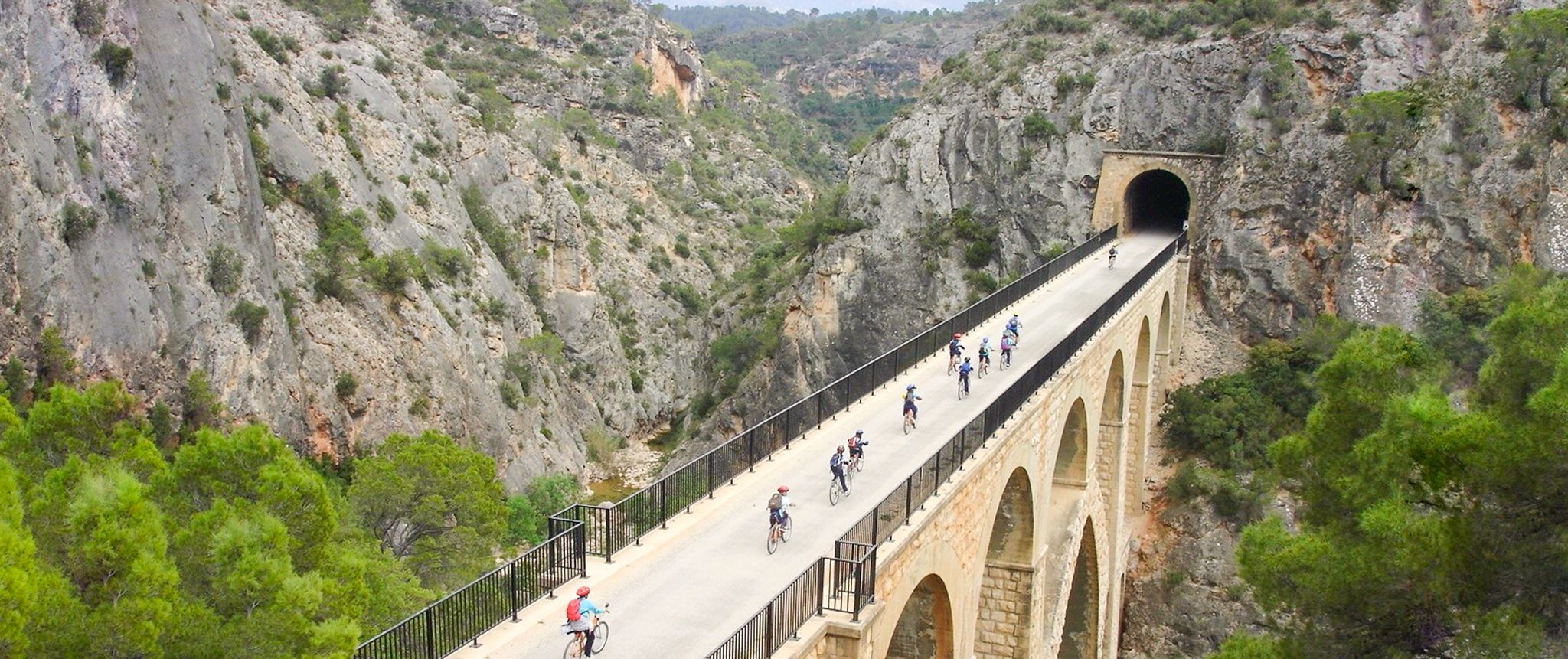
Northern Way of the Camino de Santiago
Highlight • Trail
85 kilometers. 1,590 positive meters.
A good way to find inspiration at the beginning of a cycling trip is to pedal slowly following the universal yellow arrows …
Translated by Google •
Tip by

Sign up for free to discover even more attractions around San Tirso De Abres.
Already have an account?
Start today with a free account
Your next adventure awaits.
Other adventures around San Tirso De Abres

Tips from the Community

Stage 1. Ribadeo/Burela 85 kilometers. 1,590 positive meters. A good way to find inspiration at the beginning of a cycling trip is to pedal slowly following the universal yellow arrows of the Camino de Santiago. In Ribadeo the Natural Path of the Cantabrian Route begins and it is also the entrance to Galicia of the Camino del Norte or Camino de la Costa from Asturias, in both ways the Camino de Santiago is known, which runs along the Cantabrian coast from Irún to Santiago. of Compostela. The Jacobean route leaves the Cantabrian coast and faces the first stage through the interior of Galicia, the landscape, the language and the cultural signs change but the faithful yellow arrows remain along with the inseparable Compostela scallop along the Camiño Norte. The main purpose of including this variant in the trip is to connect with the San Rosendo Natural Trail and get to know the landscapes and towns that this ancient pilgrimage route runs between Mondoñedo and Foz. The connection point between the Camino de Santiago and the Natural Route is in Vilanova de Lourenzá, the old town of Puente from other times, when pilgrims sought asylum and protection in the inn of the Benedictine monastery of San Salvador. The meeting between the two routes is precisely at the medieval bridge of the Baos River, at the entrance to the town, and you could continue directly along the San Rosendo Natural Path towards the coast, but a visit to the historic city of Mondoñedo is essential , former seat of courts, manors and bishoprics, has an old town declared a Historic-Artistic Site with arcades, cobbled streets and facades decorated with shields and coats of arms.
0
0

«This chapel and nave made parishioners and a priest. Year 1714». The inscription printed on a slab dates the church of San Martín, located in the heart of Taramundi; a religious temple that, due to its large dimensions, can be seen from any point in the town or from the mountains. A church, which three hundred years later the descendants of those parishioners from the 18th century, keep standing by financing its rehabilitation. Its high, square and solid tower stands out, topped by a slate capital, although it is not the original one that was destroyed by lightning. The current one dates from 1952. Inside there are six altarpieces, all of them in Neoclassical style, except for the main altarpiece in Baroque style.
0
0

The Vilaoudriz kilns, made up of five kilns built in different stages, are the largest set of calcination kilns in the northwest of the peninsula and a visit is highly recommended. The two oldest were built in brick, while the other three used masonry. With 11 meters high and 4 meters in diameter each, and four loading entrances, this construction also preserves a mine entrance from where the mineral extracted from the Vieiro Mine came.
2
0
The Vilaoudriz kilns, made up of five kilns built in different stages, are the largest set of calcination kilns in the northwest of the peninsula and a visit is highly recommended. The two oldest were built in brick, while the other three used masonry. With 11 meters high and 4 meters in diameter each, and four loading entrances, this construction also preserves a mine entrance from where the mineral extracted from the Vieiro Mine came.
2
0

The ancestry of the eucalyptus trees along the northern Camino de Santiago.
6
2
Located on the side of the Camino Norte de Santiago, the old Camino Real. The origin of this temple dates back to the end of the 14th century, although it was reformed in later centuries. This sanctuary is a construction of a single nave with a gabled roof, with interior wooden framework, just like the nave. On the altar there is a Renaissance altarpiece with images of Our Lady of Virtues and a Santiago Matamouros. In the 1970s, a magnificent set of mural paintings from the late-medieval period were left open to the sky, including: various scenes from the infancy of Christ, a figure of "active death" opposed to the figure of a man luxuriously dressed and headdressed ; in addition, a Marian trio and a votive offering that alludes to the sea.
7
1

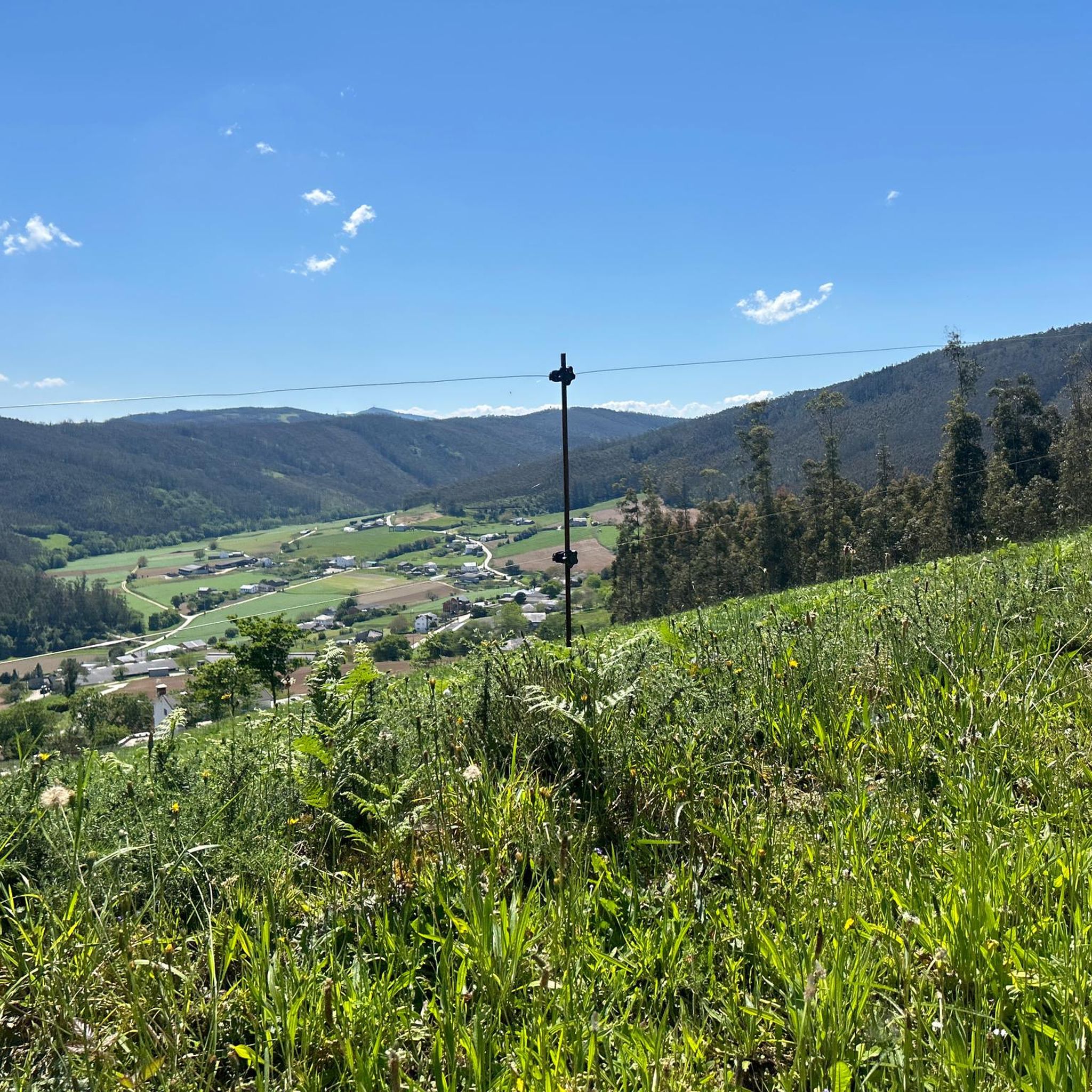
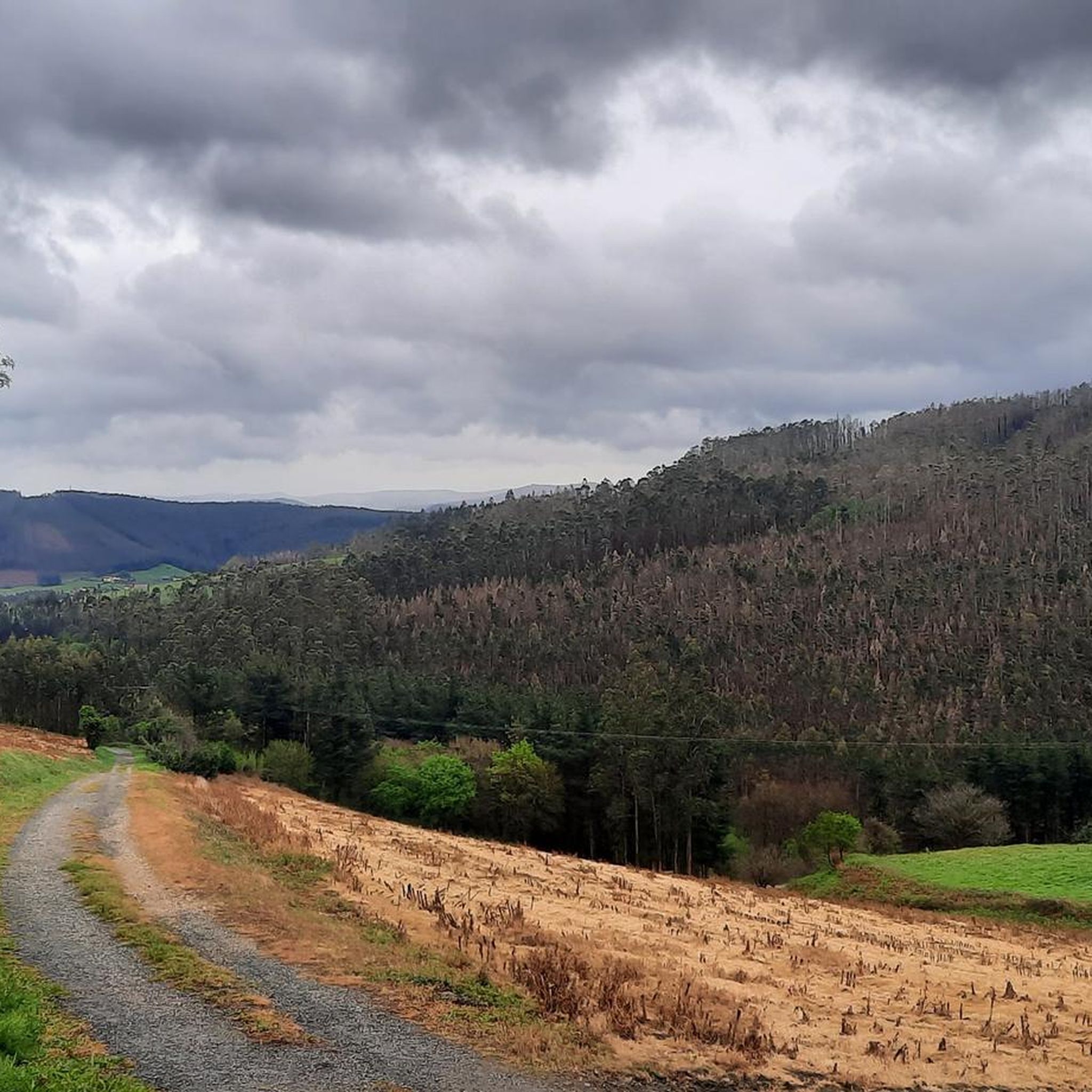
The forests are not very special, but offer shade on the tour.
4
0

During your walk through Galicia, you will walk through eucalyptus forests again and again. These trees, which are actually native to Australia, were brought to Galicia in the 19th century. In recent years, they have experienced a great reforestation. This is discussed regionally controversial, since they dig up the other trees, among other things, the water. For you this means above all hiking with eucalyptus scent in the nose.
4
0
Frequently Asked Questions
What natural features can I explore in San Tirso de Abres?
San Tirso de Abres is rich in natural beauty. You can explore the Eo River, known for its lush gallery forests and clear waters, ideal for fishing and riverside walks. Don't miss a walk Through the eucalyptus forest, which offers a distinct scent and shade. The area also features the scenic Ruta del Ferrocarril, a greenway along an old mining railway, and the Ruta de la Pena del Encanto, leading to a beautiful waterfall.
Are there historical sites or cultural landmarks to visit?
Yes, San Tirso de Abres boasts several significant historical and cultural sites. Visit the Igrexa da Ponte, a late 14th-century church on the Northern Way of St. James, featuring magnificent late-medieval mural paintings. Explore the impressive Hornos de Vilaoudriz, the largest set of calcination kilns in the northwest Iberian Peninsula. The Mazonovo Mill Museum offers insights into traditional water mills, and the Eo Fishing Interpretation Center highlights the river's role in local life. You can also find the Capilla de San Juan with its ancient Roman milestone and the Iglesia Parroquial de San Salvador with Baroque images.
What outdoor activities can I do near these attractions?
The region offers diverse outdoor activities. You can enjoy hiking on numerous trails, including the linear Ruta del Ferrocarril, perfect for walking or cycling. For more structured routes, explore the hiking routes around San Tirso de Abres, or consider the moderate circular Water Route PR-AS-17 (Taramundi). Cycling enthusiasts can find various options among the cycling routes around San Tirso de Abres, and there are also MTB trails for mountain biking.
Are there family-friendly attractions around San Tirso de Abres?
Absolutely! Many attractions are suitable for families. The eucalyptus forest provides a pleasant and shaded walk. The Mazonovo Mill Museum is an engaging way for children to learn about traditional life. The Paseo Fluvial (River Walk) in El Llano offers a recreational area with a summer swimming pool, perfect for relaxation. The Ruta del Ferrocarril is a low-difficulty greenway ideal for family walks or bike rides.
Can I find easy walking routes in the area?
Yes, there are several easy walking options. The Paseo Fluvial along the Eo River in El Llano is an accessible and pleasant river walk. The Ruta del Ferrocarril, following an old mining railway line, is a linear, low-difficulty route, approximately 14 km round trip, suitable for easy walks or cycling. You can also find other easy trails among the hiking routes around San Tirso de Abres.
What is the significance of the Eo River in San Tirso de Abres?
The Eo River is a defining natural feature of San Tirso de Abres. It's renowned for its lush gallery forests, fertile river valley, and clear waters, making it famous for salmon, trout, and sea trout fishing. The river also features a more than two-kilometer river walk with a bio-healthy park and a recreational area, including a summer swimming pool. The Eo Fishing Interpretation Center in El Llano further highlights the river's significant role in the lives of local riverside communities and the evolution of sport fishing.
Is San Tirso de Abres part of the Camino de Santiago?
Yes, San Tirso de Abres is a stopping point for pilgrims. The Igrexa da Ponte is specifically located on the Northern Way of St. James (Camino Norte de Santiago). The municipality's religious heritage, including chapels like Capilla de San Juan, also reflects its connection to pilgrimage routes.
What kind of traditional architecture can I see?
Throughout San Tirso de Abres, you can observe examples of traditional Asturian architecture. This includes charming stone houses with slate roofs, cabozos (traditional granaries), fountains, washing places, dovecotes, and various chapels. These elements offer a glimpse into the region's rich cultural heritage and traditional way of life.
Can I learn about the region's industrial past?
Yes, the region's industrial past is well-preserved. The Hornos de Vilaoudriz are a prime example, showcasing five calcination kilns that represent the largest set in the northwest of the Iberian Peninsula. The site also includes a preserved mine entrance. Additionally, the Ruta del Ferrocarril follows an old mining railway line, offering glimpses of 20th-century industrial architecture like bridges, tunnels, and power plants.
What do visitors enjoy most about San Tirso de Abres?
Visitors particularly enjoy the blend of natural beauty and historical charm. The serene walks through the eucalyptus forests and along the Eo River are highly appreciated. The historical significance of sites like the Igrexa da Ponte with its ancient murals, and the impressive Hornos de Vilaoudriz, also leave a lasting impression. The overall peaceful atmosphere and opportunities for outdoor activities like hiking and cycling are frequently highlighted by the komoot community.
Are there any museums in San Tirso de Abres?
Yes, San Tirso de Abres is home to a couple of interesting museums. The Mazonovo Mill Museum is dedicated to the traditional water mills used for grinding cereals, offering a unique insight into local heritage. Additionally, the Eo Fishing Interpretation Center in El Llano provides detailed information about the salmon-rich Eo River and the history of sport fishing in the area.
Where can I find a pleasant recreational area?
The Paseo Fluvial (River Walk) and Recreational Area in El Llano is an excellent spot. Located along the Eo River, it offers a pleasant walk, a bio-healthy park, and a recreational space that includes a summer swimming pool. It's surrounded by various trees like birch, ash, and chestnut, making it a perfect place for relaxation and enjoying the fluvial ecosystem.
Most popular routes around San Tirso De Abres

Get inspired with the komoot mobile app


Explore more
Still not found the Highlight you’re looking for? See guides of the top attractions in other regions:
