Attractions and Places To See around La Canonja - Top 20
Best attractions and places to see around La Canonja include a mix of historical landmarks, cultural sites, and significant archaeological areas. This municipality in the province of Tarragona offers insights into its past, from Roman constructions to Civil War history. The region is also notable for its proximity to major Roman sites in Tarragona, providing a diverse range of points of interest.
Best attractions and places to see around La Canonja
- The most popular attractions is Tarragona Roman Amphitheatre,…
Last updated: August 16, 2026
Tarragona Roman Amphitheatre
Highlight • Historical Site
Tip by

Les Ferreres Aqueduct (Devil's Bridge)
Highlight • Bridge
Translated by Google •
Tip by

Sign up now to discover places like this
Get recommendations on the best single tracks, peaks, & plenty of other exciting outdoor places.
Sign up for free
Cathedral of Tarragona
Highlight • Religious Site
Translated by Google •
Tip by

Salou Lighthouse
Highlight • Monument
Translated by Google •
Tip by

Statue of King Jaume I
Highlight • Monument
Translated by Google •
Tip by

Sign up for free to discover even more attractions around La Canonja.
Sign up for free
Already have an account?
Start today with a free account
Your next adventure awaits.
Login or Signup
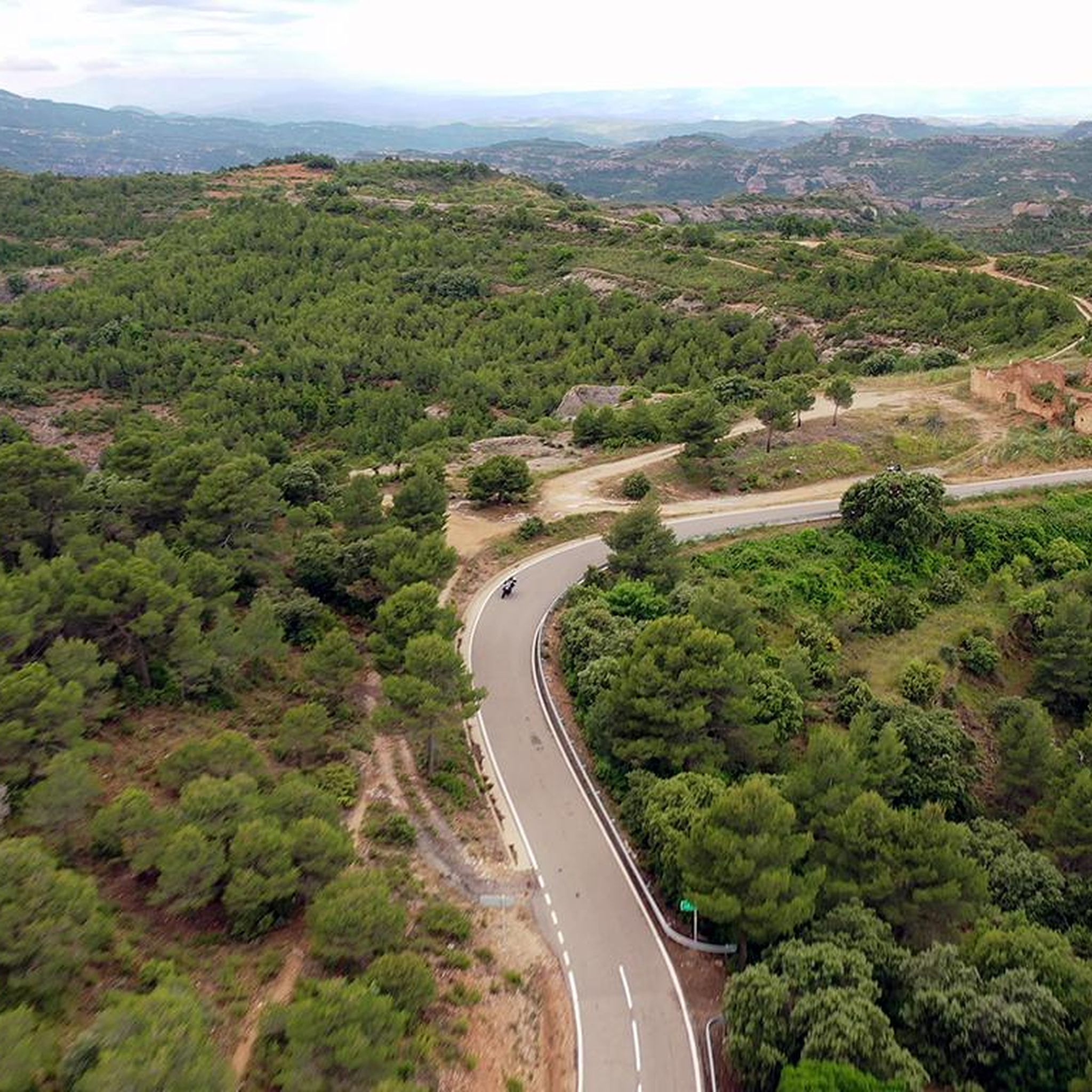
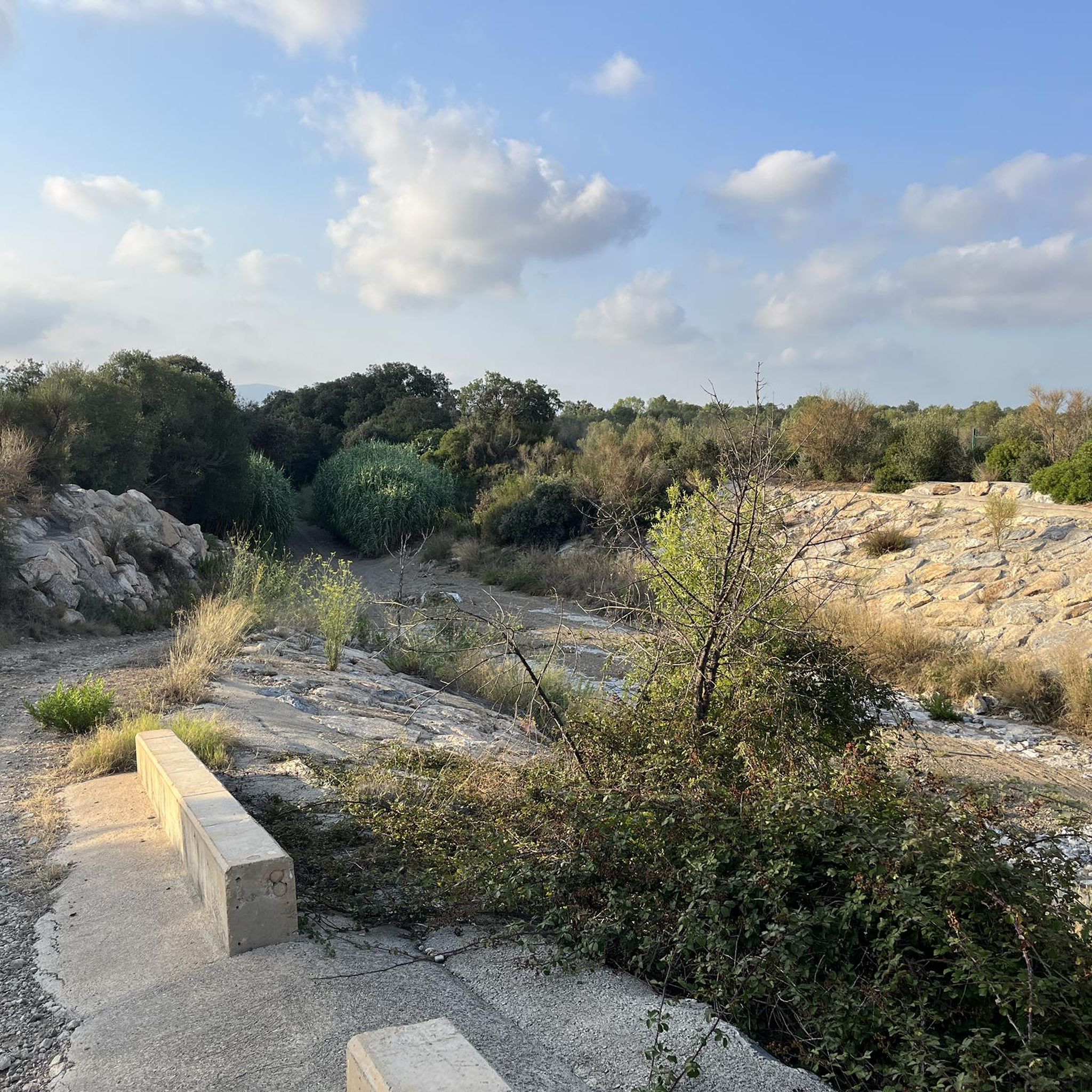
Tips from the Community

It was opened in April 1858 and has a red central tower that still illuminates the Gulf of Sant Jordi on the Costa Daurada today. It had a white light powered by olive oil and can be seen from 14 miles away. https://www.visitsalou.eu/de/entdecken-sie-salou/was-finden-sie/der-leuchtturm-von-salou
0
0

James I the Conqueror (Aragonese: Chaime o Conqueridor, Catalan: Jaume el Conqueridor, Spanish: Jaime el Conquistador; * 2 February 1208 in Montpellier; † 27 July 1276 in Alzira) was King of Aragon, King of Valencia, King of Majorca, Count of Barcelona (Catalonia), Count of Urgell, and Lord of Montpellier from the House of Barcelona from 1213 to 1276. He was one of the most important monarchs of the Spanish Middle Ages and, due to his conquests, became the true founder of the naval power of the Crown of Aragon in the western Mediterranean, which enabled Aragon to establish itself alongside Castile and Portugal as one of the three leading Christian powers on the Iberian Peninsula. (Wikipedia)
1
0

"...James I was the first great promoter and patron of Catalan folk literature. He himself can even be called "the first Catalan prose writer." [12] James composed or dictated, at various stages, a chronicle of his own life in Catalan, Llibre dels fets..." Source: https://en.m.wikipedia.org/wiki/James_I_of_Aragon
1
1

Great building, very well preserved. You can cross it at the top. It's definitely worth a visit 🤩
2
1
Super beautiful building. Very well preserved. Definitely worth a visit 🤩
2
0


From the street of William J. Bryan, which connects the beach with the historic center and upper area of Tarragona, you have a privileged view of the amphitheater of Tarraco, ruins of the Roman town.
1
0

Unfortunately, the museum was closed..... Very nice to hike along the cliffs
3
1
Frequently Asked Questions
What historical sites can I visit in La Canonja?
La Canonja offers a rich history. You can explore the late Gothic Castell de Masricart, a 15th-16th century stately home now used as a cultural center. Additionally, the town features unique Civil War Air-Raid Shelters discovered in Plaça de la O, offering a glimpse into a poignant period of history.
Are there any significant religious buildings to see in the area?
Yes, La Canonja is home to several notable religious buildings. The Església de la Mare de Déu de l'Esperança in Masricart dates back to the 13th century with 15th-century reforms, showcasing neoclassical and Rococo styles. Another significant ecclesiastical building is the Església de Sant Sebastià.
What archaeological sites are there around La Canonja?
The most significant archaeological site is the Jaciment del Barranc de la Boella. This site is crucial for its prehistoric remains, providing insights into early inhabitants and yielding tools and remains of large mammals like mammoths. You can learn more at the Archaeological Interpretation Center housed in the remodeled Mas de l'Hort de l'Abeurador.
Are there family-friendly attractions around La Canonja?
Many attractions near La Canonja are suitable for families. For instance, the Tarragona Roman Amphitheatre and Les Ferreres Aqueduct (Devil's Bridge) are both considered family-friendly historical sites. The aqueduct, in particular, offers idyllic hiking trails and picnic spots for all ages.
What outdoor activities can I do near La Canonja's attractions?
The area around La Canonja is excellent for outdoor activities, especially cycling and mountain biking. You can find various routes for different skill levels. For cycling, explore options like the 'Route Salou-La Pineda-Vila-Seca-Salou' or the 'Platja de l'Arrabassada – Banya Lighthouse loop'. You can find more details on the Cycling around La Canonja guide.
Are there mountain biking trails near La Canonja?
Yes, there are several mountain biking trails available. Routes like 'Mas d'en Pastor – Vegetal Tunnel of Reeds loop' or 'Bamboo Tunnel – Angel of Mas dels Arcs loop' offer diverse experiences. Check out the MTB Trails around La Canonja guide for more options.
Where can I find good viewpoints in the area?
For panoramic views, consider visiting the Cathedral of Tarragona, which is located at the highest point of Tarragona and offers a very nice city view from its tallest tower. The Hermitage of Sant Pere del Puig also provides a privileged position as a viewpoint of the Camp and the Sierra de la Mussara mountains.
Are there any wheelchair-accessible attractions?
Yes, the Statue of King Jaume I is noted as wheelchair-accessible, offering an impressive sculpture in a beautiful setting.
What cultural sites are there in La Canonja?
La Canonja has a vibrant cultural scene. The Orfeó Canongí - Teatre Municipal, housed in a historic building, has been a cultural and social hub since 1930. Additionally, the Edifici ÈPOCA (Espai POlivalent CAnongí) is a modern, versatile building designed for various social activities and includes a public cafeteria.
What do visitors enjoy most about the attractions around La Canonja?
Visitors particularly appreciate the historical significance and the well-preserved Roman constructions. The Les Ferreres Aqueduct (Devil's Bridge) is loved for its historical importance and the surrounding paths perfect for exploration. The Tarragona Roman Amphitheatre is also highly regarded for its scale and historical context.
What is the best time to visit attractions around La Canonja?
The region generally enjoys a Mediterranean climate. Spring (April-May) and autumn (September-October) are often ideal, offering pleasant temperatures for exploring historical sites and engaging in outdoor activities without the intense heat of summer.
How does La Canonja relate to the Roman sites in Tarragona?
La Canonja is very close to Tarragona, allowing easy access to its world-renowned Roman attractions. These include the impressive Tarragona Roman Amphitheatre, the magnificent Les Ferreres Aqueduct (Devil's Bridge), and the historic Cathedral of Tarragona, which incorporates Romanesque and Gothic styles.
Most popular routes around La Canonja
Most popular attractions around La Canonja

Get inspired with the komoot mobile app


Explore more
Still not found the Highlight you’re looking for? See guides of the top attractions in other regions:
