The best running trails around Palomera
4.8
(16)
1,184
runners
105
runs
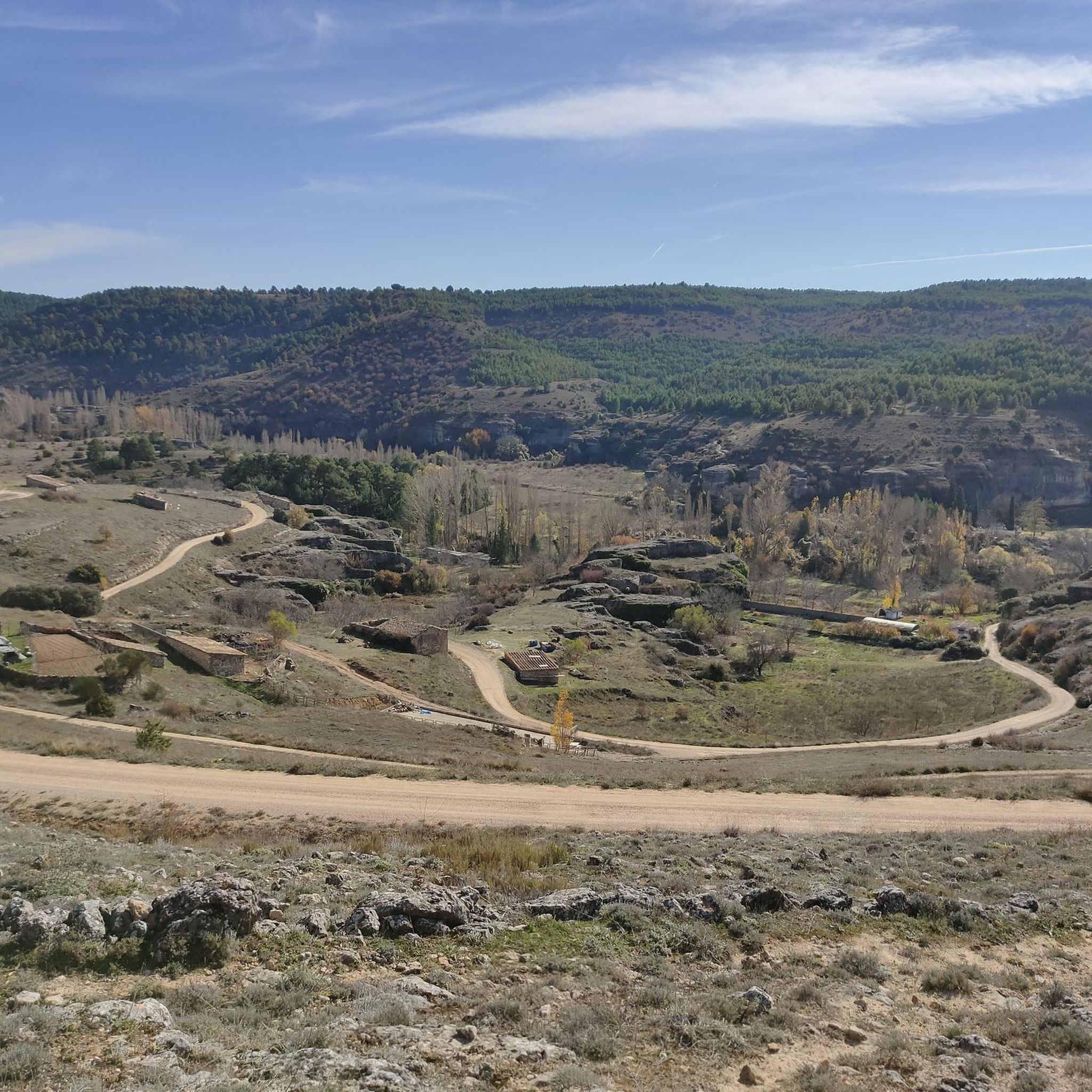
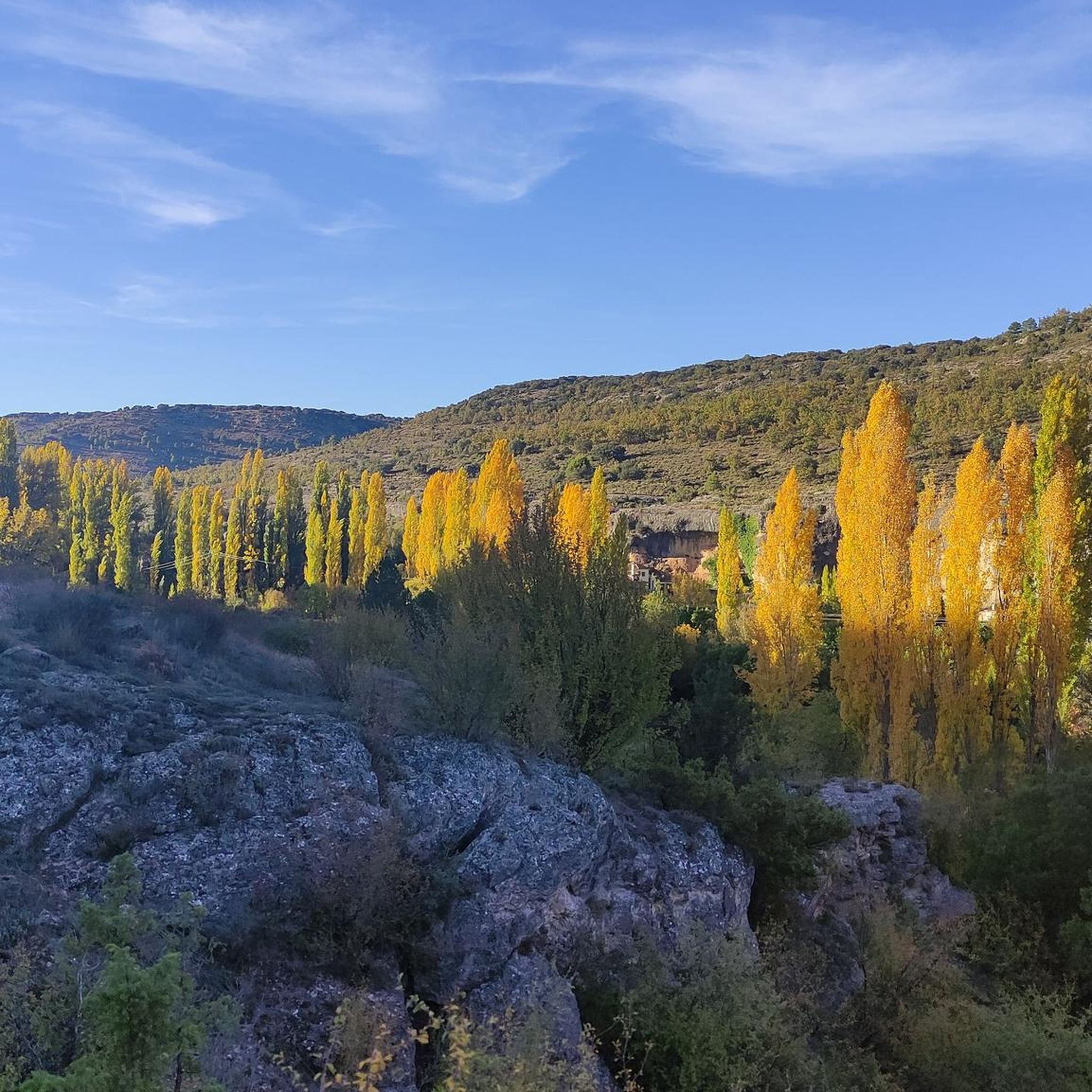
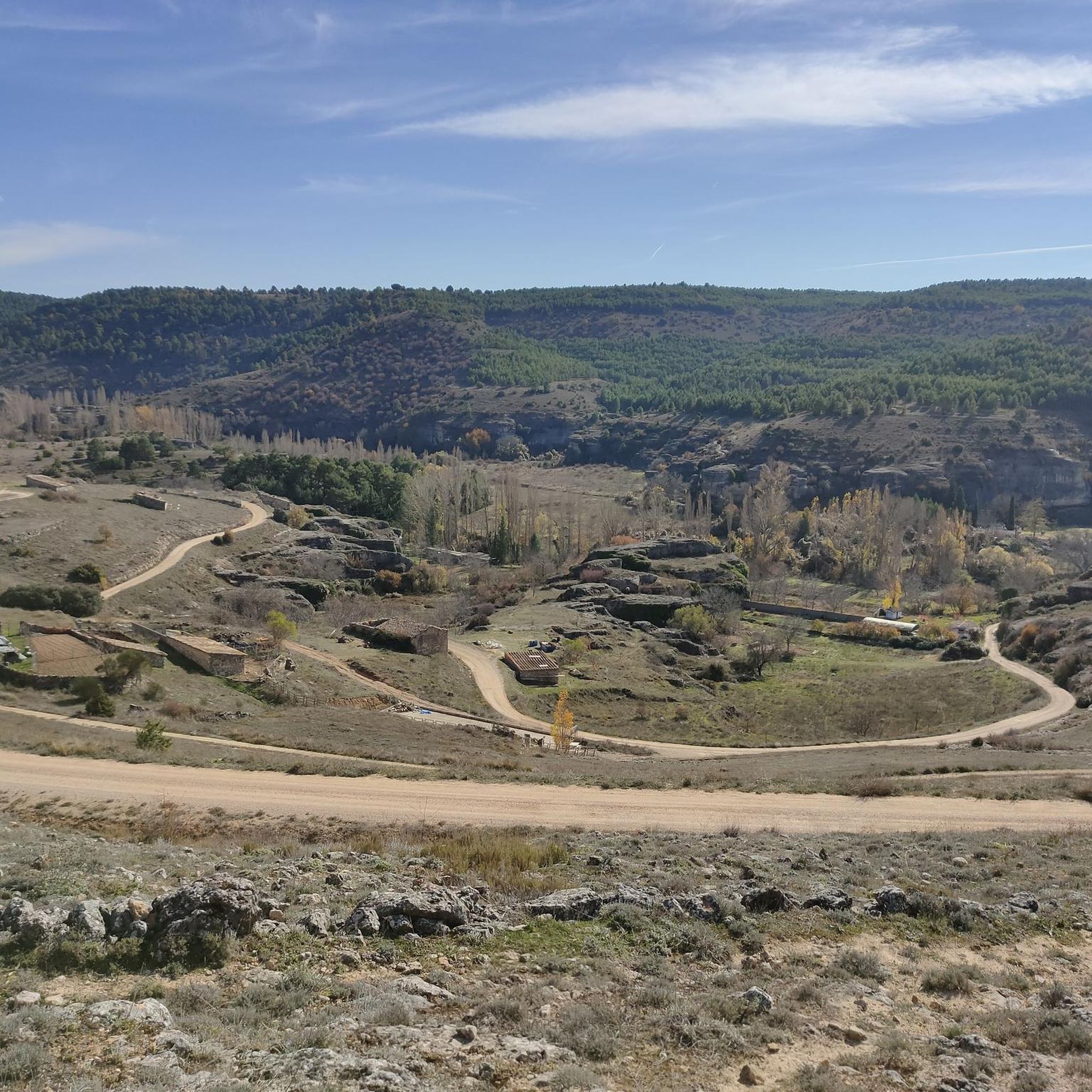
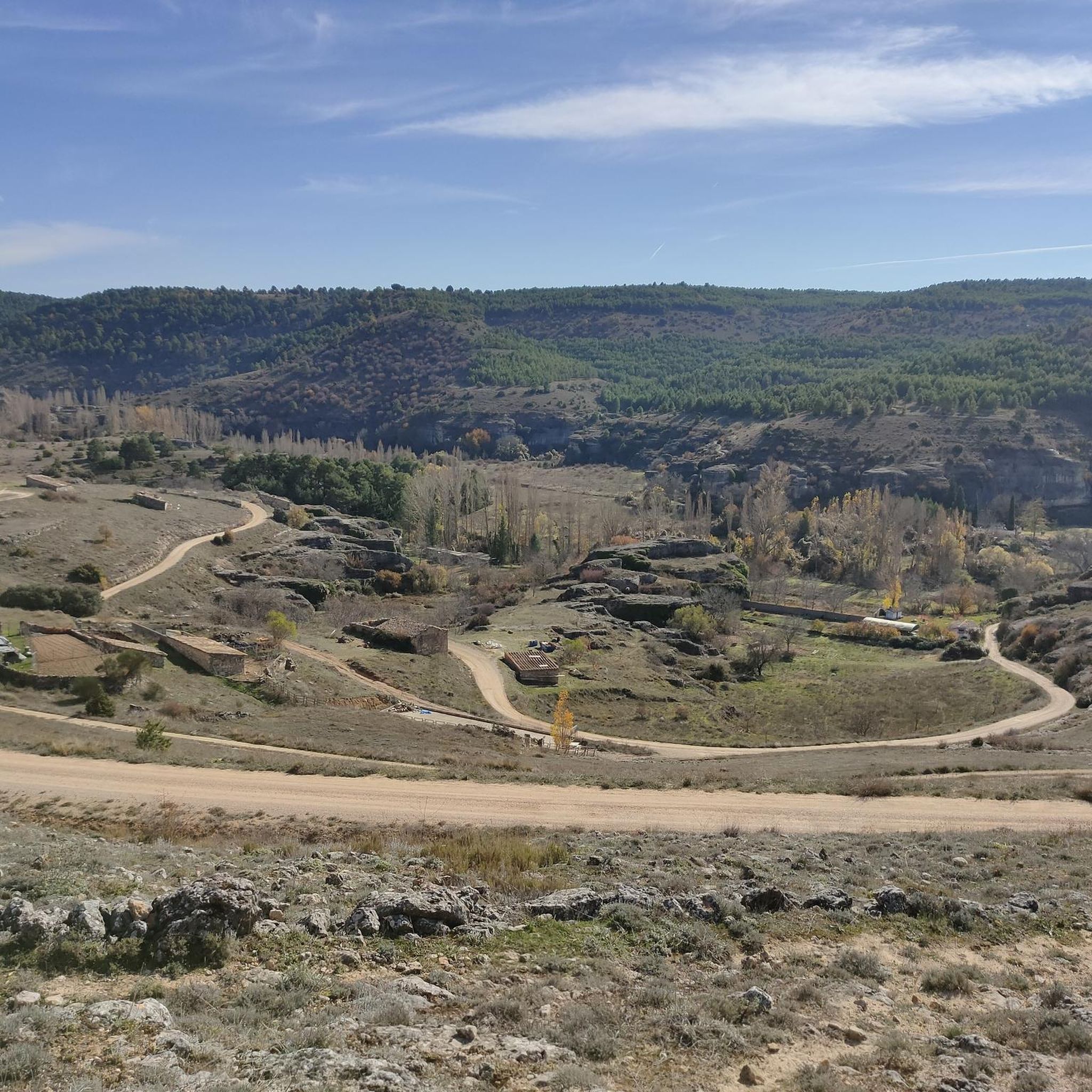
Jogging around Palomera, located in the Cuenca region of Spain, offers a diverse landscape for runners. The area is characterized by river gorges, such as the Huécar Gorge, and varied terrain including valleys and hills. Running routes often feature a mix of natural paths and sections near urban areas, providing different experiences. The region's geography supports both moderate and more challenging running, with elevation gains present on many trails.
Best jogging routes around Palomera
- The most popular jogging route is…
Last updated: May 10, 2026
4
runners
8.22km
01:01
140m
140m
Jog a moderate 5.1-mile circular route through La Hoz del Huécar gorge from Palomera, enjoying karstic landscapes and river views.
4
runners
Moderate run. Good fitness required. Mostly accessible paths. Some sure footedness required.

Sign up for free
3.0
(1)
60
runners
11.9km
01:15
100m
100m
Moderate run. Good fitness required. Mostly paved surfaces. Suitable for all skill levels.
5.0
(2)
58
runners
12.1km
01:18
200m
200m
Moderate run. Good fitness required. Mostly paved surfaces. Suitable for all skill levels.
5.0
(1)
11
runners
16.3km
02:13
660m
660m
Hard run. Very good fitness required. Sure-footedness, sturdy shoes and alpine experience required.
Get access to more routes and recommendations from other explorers.
Sign up for free
Already have an account?
Our route recommendations are based on thousands of hikes, rides, and runs completed by other people on komoot.
Start today with a free account
Your next adventure awaits.
Login or Signup

Tips from the Community

The Plaza Mayor of Cuenca is a historic center and one of the most emblematic places in the city of Cuenca, in Castilla-La Mancha. This square is known for its Baroque architecture and its importance as a meeting point and hub of communication in the old part of the city. Main buildings: The Cathedral of Santa María and San Julián, the Cuenca City Hall, and the Convent of San Pedro. The most notable monument in Cuenca began construction at the end of the 12th century after the conquest of the city, but its core took shape in the 13th century. The naves, from the transept to the façade, date from the 14th century, and the ambulatory was transformed in the 16th century to adapt its original structure to new aesthetic trends. Its first façade also dates from this period, replaced in the 18th century by another that had to be demolished at the beginning of the 20th century, when the current Neo-Gothic façade, designed by Vicente Lampérez, was built.
7
0

Common crossing point for going to or returning from the Júcar gorge trail.
3
0
In the square that also houses the Cathedral.
1
0
I have always been struck by the front view of this Cathedral.
3
0
The best viewpoint of the Hanging Houses.
1
0
The most emblematic streets of Cuenca are concentrated in the Old Town, declared a World Heritage Site, and are ideal for strolling and discovering the history and architecture of the city.
7
0
Cuenca's Plaza Mayor is the heart of the city's old town and one of its most emblematic sites. Architecture and Monuments Cathedral of Santa María and San Julián: This is one of the first French-inspired Gothic churches built in Spain. Its impressive Norman Neo-Gothic façade dominates the square. [Cuenca ️ O...de Cuenca], [Plazas de...de Mangana] Cuenca Town Hall: An 18th-century Baroque building, built in 1762. Its ground floor consists of three semicircular arches that connect to Alfonso VIII Street. Convent of Las Petras (or San Pedro de las Justinianas): A 16th-century religious complex that spans three streets.
16
0
The San Antón Bridge in Cuenca is a structure steeped in history and symbolism for the city. The current bridge was built in the 18th century, replacing a much older one, probably of Muslim origin.
9
0
Frequently Asked Questions
How many running routes are available around Palomera?
Palomera, situated in the Cuenca region, offers a wide selection of over 100 running routes, catering to various fitness levels. You'll find everything from moderate paths to more challenging trails with significant elevation gains, often traversing river gorges and varied natural terrain.
Are there easy running routes suitable for beginners in Palomera?
While many routes in Palomera feature moderate to difficult terrain due to the region's river gorges and hills, there are a few easier options available. Overall, the area has 3 easy routes, 42 moderate, and 63 difficult routes. Look for paths along the Vega del Huécar for less challenging sections.
Can I find circular running routes in the Palomera area?
Yes, Palomera offers several excellent circular running routes. A popular choice is the Ruta de los Ceños - running circular desde Palomera por la Vega del Huécar, which is a moderate 11.8 km path exploring the scenic Vega del Huécar. Another option is the San Antón Bridge – Bridge over the Huécar River loop from Cuenca, a 11.9 km trail through urban and natural landscapes.
What kind of scenery can I expect on the running trails near Palomera?
The running trails around Palomera are characterized by diverse scenery, including river gorges like the Huécar Gorge, lush valleys, and rolling hills. You'll encounter a mix of natural paths and sections near urban areas, offering engaging views of the landscape and historical sites. The broader Cuenca region is known for its unique geological formations.
Are there any notable landmarks or attractions along the running routes?
Yes, many routes offer views of or pass by significant landmarks. You might see the impressive Júcar Gorge or the La Hoz del Huécar. In nearby Cuenca, you can spot the Cuenca Cathedral, the iconic Hanging Houses of Cuenca, and the San Pablo Bridge.
What do other runners enjoy most about jogging in Palomera?
The running routes in Palomera are highly rated by the komoot community, with an average score of 4.9 stars from over 20 reviews. Runners often praise the varied terrain, the scenic river gorges, and the mix of natural and urban landscapes that provide diverse experiences.
Are there any longer, more challenging running routes for experienced runners?
Absolutely. For experienced runners seeking a challenge, Palomera offers several difficult routes. The Palomera Village – La Hoz del Huécar loop from Palomera is a demanding 16.1 km trail with significant elevation gain, taking you through the dramatic La Hoz del Huécar. There are 63 difficult routes in total in the area.
Can I combine my run with exploring the city of Cuenca?
Yes, several running routes seamlessly connect with or pass through parts of Cuenca. The Cuenca Cathedral – Cuenca City Hall loop from huertas del Huecar is a 12.1 km route that takes you past key urban landmarks while enjoying the natural surroundings of the Huécar River.
What is the best time of year for running in the Palomera region?
The Cuenca region, where Palomera is located, offers good running conditions for much of the year. Spring and autumn generally provide the most pleasant temperatures for outdoor activities. Summers can be warm, so early morning or late evening runs are advisable, while winters are cooler but often still suitable for running, especially on less exposed trails.
Are there any viewpoints along the running trails in Palomera?
Yes, the hilly terrain and gorges provide several opportunities for panoramic views. You might encounter viewpoints such as the San Julián Cross Viewpoint or the View of Cuenca from Cerro del Socorro, offering stunning vistas of the surrounding landscape and the city.
What kind of wildlife might I encounter while running in Palomera?
Given the natural environment of river gorges and varied terrain, you might encounter local wildlife typical of the Spanish countryside. This could include various bird species, small mammals, and reptiles. The natural areas provide habitats for diverse flora and fauna, making for an engaging outdoor experience.
Are there any specific routes that follow river paths?
Many of Palomera's running routes are defined by its river valleys and gorges. The Huécar Gorge Trail is a prime example, following the scenic Huécar Gorge for 8.2 km. Other routes also run alongside the Huécar River, offering picturesque waterside paths.
Most popular attractions around Palomera

Get inspired with the komoot mobile app


Explore more
Browse the best Running Trails & Routes in other regions.
