Attractions and Places To See around Navalvillar De Pela - Top 20
Best attractions and places to see around Navalvillar De Pela include a mix of historical sites, cultural centers, and natural landscapes. Located in the province of Badajoz, Extremadura, the municipality sits at the foot of the Sierra de Pela, serving as an entry point to the ecologically significant La Siberia region. The area features diverse natural environments, including the Guadiana River and extensive Mediterranean forests, alongside traditional architecture and ancient Roman ruins.
Best attractions and places to see around Navalvillar…
Last updated: May 21, 2026
Vía Verde Vegas del Guadiana
Highlight (Segment) • Cycleway
Translated by Google •
Tip by

Birdwatching viewpoint
Highlight • Viewpoint
Translated by Google •
Tip by
Sign up now to discover places like this
Get recommendations on the best single tracks, peaks, & plenty of other exciting outdoor places.
Sign up for free
Stork nests
Highlight • Natural
Translated by Google •
Tip by

Church of San Pedro Apóstol, Casas de Don Pedro
Highlight • Religious Site
Translated by Google •
Tip by

Natural Trail Greenway of the Vegas del Guadiana
Highlight • Cycleway
118 kilometers. 1,520 meters of elevation gain.
The departure from Orellana la Vieja is fantastic; the terrain is favorable, and the trail runs through hills …
Translated by Google •
Tip by

Sign up for free to discover even more attractions around Navalvillar De Pela.
Sign up for free
Already have an account?
Start today with a free account
Your next adventure awaits.
Login or Signup
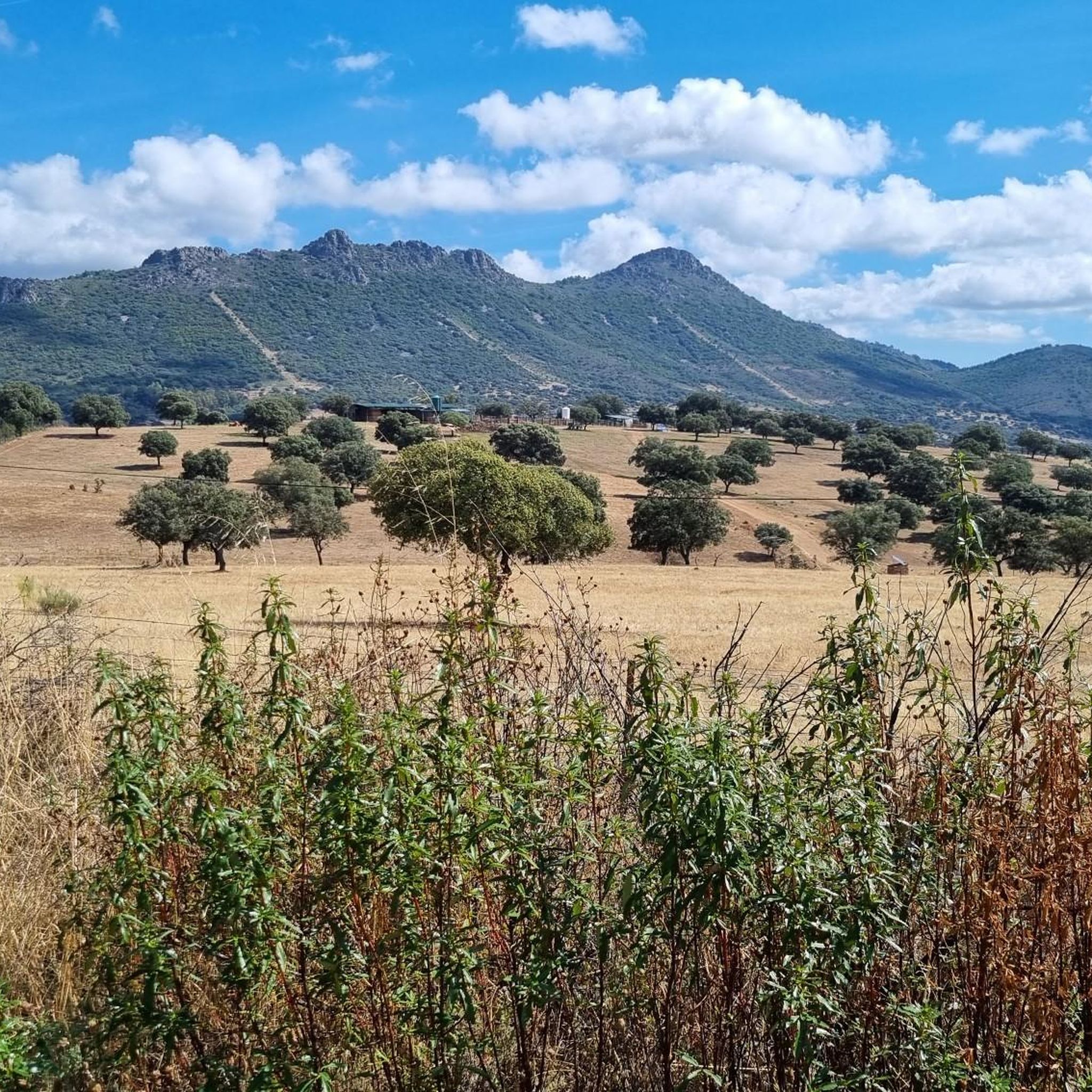
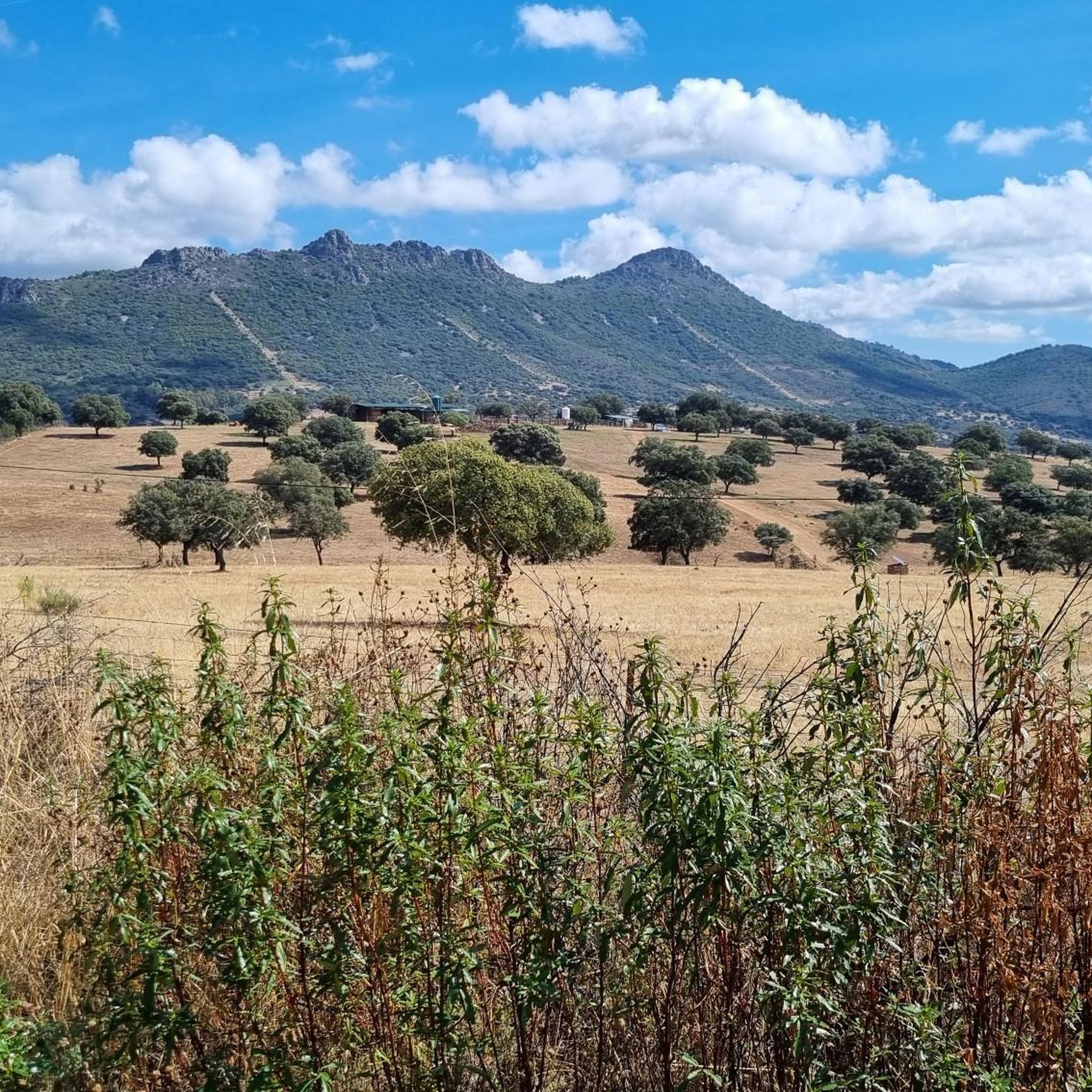
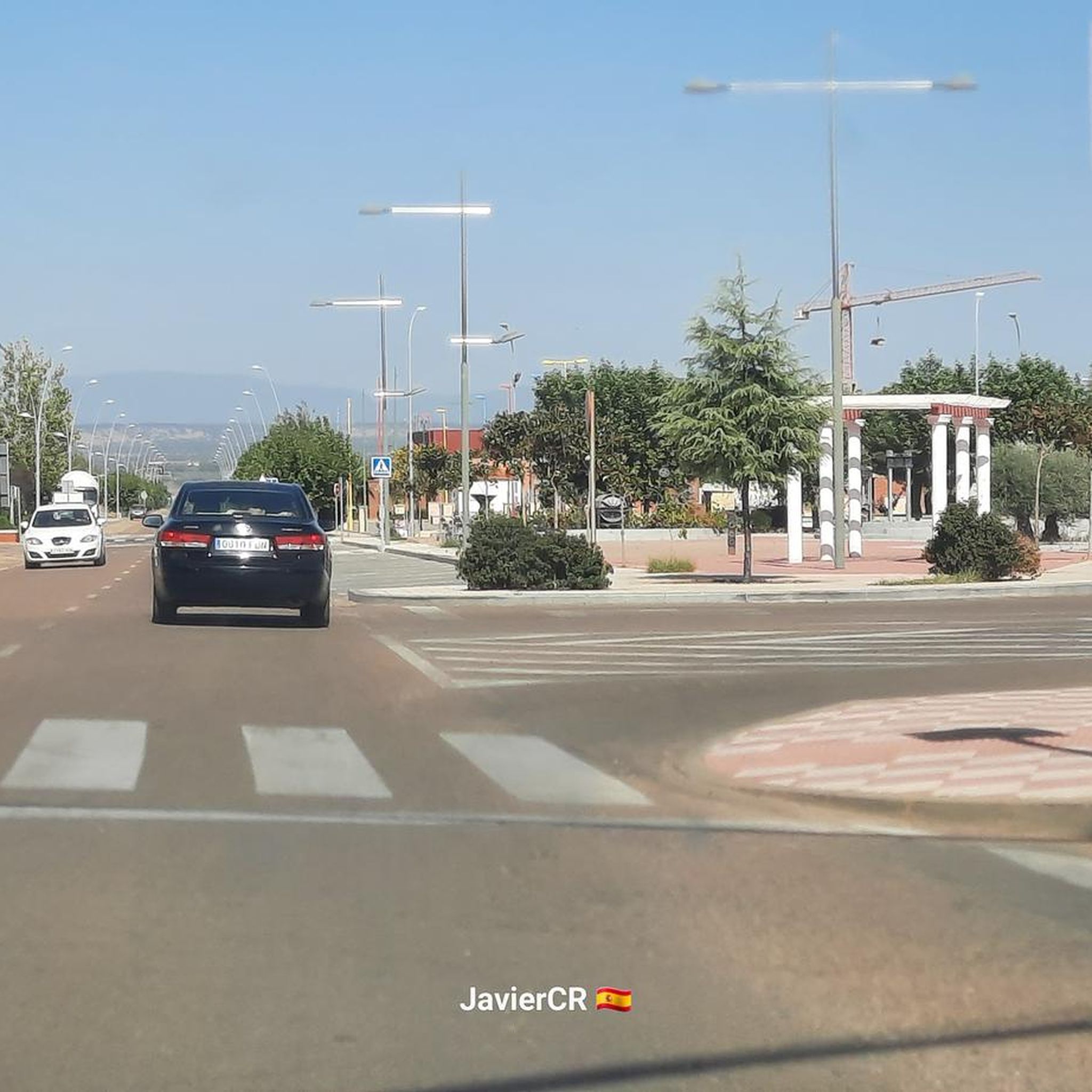
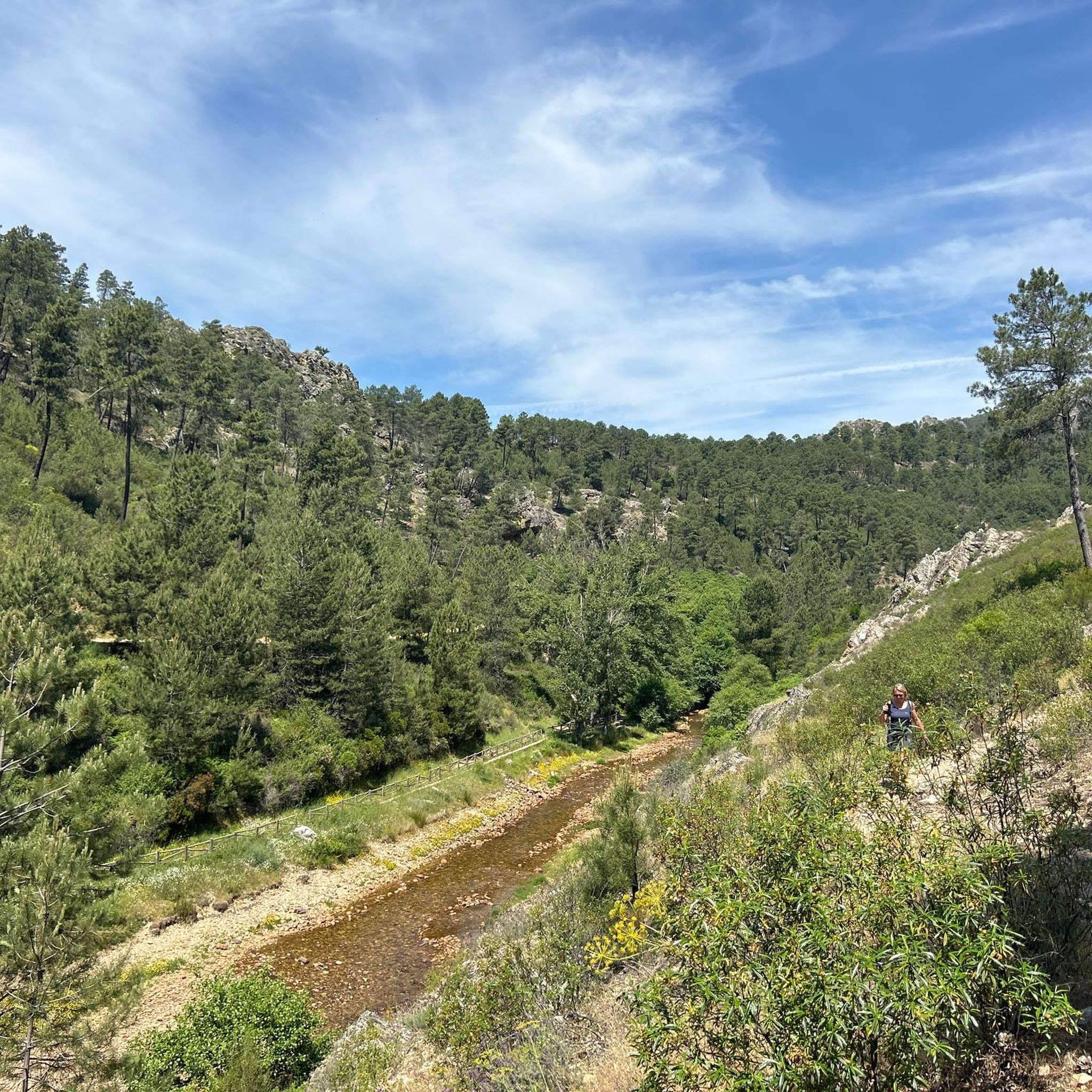
Tips from the Community

Stage 3. Orellana la Vieja/Guadalupe 118 kilometers. 1,520 meters of elevation gain. The departure from Orellana la Vieja is fantastic; the terrain is favorable, and the trail runs through hills resembling Tibetan steppes as the tracks descend toward the banks of the Guadiana River. The river landscape of irrigated crops continues along the Secondary Canal to the curious circular street network of Entrerríos, a small farming and livestock town located at the confluence of the Guadiana and Zújar rivers. It was built entirely in the 1950s according to the designs of architect Alejandro de la Sota. It was part of the National Colonization Plan of the government of the time to revitalize rural populations in disadvantaged regions. The Trail crosses the unique oval plaza in the center of the town and descends to the eerie ford of the Zújar River. The crossing has a concrete surface and is designed to facilitate traffic at high water levels, but it is always important to assess the current's intensity before entering the riverbed. The best way to avoid crossing the ford by bicycle is to continue along the right bank of the river, following a dirt road to the road bridge leading to Villanueva de la Serena. At the Zújar River bridge, the main route joins the flood-season variant, and two route options open up. A variant of the Guadiana Nature Trail continues along the road, passes through the town of Villanueva de la Serena, and at the train station connects with the Vegas del Guadiana Greenway. This is the appropriate route to visit the town if you need any services, supplies, or even to finish the stage. The trail continues along the banks of the Zújar River to its junction with the Guadiana River and continues along an entertaining riverside path near the riverbank to the old railway bridge built over the Guadiana River. In 1865, the first trains arrived in the Vegas Altas del Guadiana region, the result of a comprehensive plan to link Madrid and Ciudad Real with Badajoz by rail. The idea was to boost the agricultural and livestock economy of the rural population, but the line's true success lay in the exploitation of the Logrosán phosphate mines, which produced fifty percent of all agricultural fertilizers in Spain while it was in operation, between 1917 and 1946. The profitability of the mining train sparked interest in continuing the railway through the isolated and rugged terrain of Las Villuercas and the Toledo region of La Jara to Talavera de la Reina, opening tunnels, building viaducts, and laying rails that had never been able to carry a train. A World Bank study at the time underestimated the efficiency and usefulness of the railway, and the line was closed before its inauguration.
0
1

Idyllic cycle path on a former railway line, with many insights into nature and the (planned but never completed) railway infrastructure. However, nature is gradually reclaiming the path, so a somewhat more robust bike is recommended.
0
0

The church "San Pedro Apostol" was dedicated to Saint Peter (Peter). Simon, nicknamed Peter (Rock), was a fisherman on the Sea of Galilee when he - together with his brother Andrew - was called by Jesus Christ to be "fishers of men". According to Catholic understanding, he is the supreme apostle, and the two millennia-long line of popes - currently Francis - are his successors. In statues and paintings, Peter is almost always depicted with two keys in his hand; this attribute refers to the biblical saying in Matthew: “I will give you the keys of the kingdom of heaven; Whatever you bind on earth will be bound in heaven, and whatever you loose on earth will be loosed in heaven” (Chapter 16, verse 19). Peter and Paul are also known as the “Princes of the Apostles”; their common feast day in the saints’ calendar is June 29th.
3
0

They have a market around it.
26
0
It is located in the Plaza del Sagrado Corazón and according to the information available, it was built at the end of the 14th century, although it has subsequently been renovated in various moments or phases. Its style is Civil Gothic and the south façade from the last period of Gothic, around 1499.
34
0
The urban complex of Casas de Don Pedro is based on popular architecture that is evident in the different ancestral and stately houses that make up the town, with elements present in them such as grilles or noble shields. There are also some notable monuments in the urban center, such as the sculpture “Help the fallen” by Juan de Ávalos. In the main square we find the town hall, with a portico, and near it the Plaza del Sagrado Corazón, in which the church of San Pedro Apóstol is located. Both squares would once be the administrative center and the religious center of the population, respectively.
31
0

When you return to Casas de Don Pedro, I suggest you stop by the parish church of San Pedro Apóstol and walk through the narrow streets of the town.
6
0

On a wonderfully navigable path, the Vía Verde leads you consistently flat and completely off the road through the vast landscape of wetlands and agricultural areas. The small, old railway viaducts on which you cross the streams and rivers are particularly beautiful.
0
0
Frequently Asked Questions
What natural features can I explore around Navalvillar De Pela?
The region offers diverse natural landscapes. You can explore the Sierra de Pela, a mountain range with dense Mediterranean forest, or visit the Embalse de Orellana, the largest reservoir in the middle section of the Guadiana River, known for its rich ecosystems and a blue-flag beach. The Dehesa de Moheda Alta is also a notable peri-urban park, particularly famous for crane sighting from autumn to winter.
Are there good spots for birdwatching in the area?
Yes, Navalvillar De Pela is excellent for birdwatching. The Sierra de Pela is a Special Protection Area for Birds (ZEPA), where you might spot griffon vultures and golden eagles. The Embalse de Orellana hosts numerous colonies of aquatic birds in spring, and the Dehesa de Moheda Alta is a prime location for observing cranes. Additionally, the Birdwatching viewpoint along the Vía Verde Vegas del Guadiana offers chances to see storks, egrets, and ibises.
What historical and cultural sites can I visit in Navalvillar De Pela?
The town and its surroundings boast several historical and cultural points of interest. You can visit the Iglesia Parroquial Santa Catalina de Alejandría, the 17th-century Ermita de la Virgen de la Caridad, or the Ermita de San Antón, which was once the town's parish church. The ruins of the ancient Roman city of Lacimurga also offer a glimpse into the region's past.
Are there any ancient ruins or archaeological sites to explore?
Yes, you can visit the ruins of the Antigua Ciudad Romana de Lacimurga in the Cogolludo area, which provides insight into the region's Roman history. Additionally, Cuevas de Villavieja, located within the Sierra de Pela area, holds archaeological remnants of pre-Roman constructions.
What hiking opportunities are available near Navalvillar De Pela?
The region offers various hiking trails. You can find routes through the Sierra de Pela, such as the moderate 'Las Torretas from Navalvillar de Pela – round trip via Sierra de Pela'. For more options, explore the Hiking around Navalvillar De Pela guide, which includes trails ranging from easy to difficult, like the 'Reservoir of Sierra Brava (PR-CC 234)'.
Are there cycling routes suitable for different skill levels?
Yes, the area provides diverse cycling opportunities. The Vía Verde Vegas del Guadiana is an accessible and mostly flat cycle path, ideal for a relaxed ride through wetlands. For more challenging rides, you can find various MTB and road cycling routes in the MTB Trails around Navalvillar De Pela and Road Cycling Routes around Navalvillar De Pela guides, with options ranging from easy to difficult.
Where can I find panoramic views of the region?
For stunning panoramic views, head to Monte Sierra del Bravo, which features a viewpoint offering expansive vistas of La Siberia and parts of La Serena. The Birdwatching viewpoint along the Vía Verde also provides scenic outlooks over the fertile wetlands.
What family-friendly activities are available in Navalvillar De Pela?
Families can enjoy several activities. The blue-flag beach at Embalse de Orellana is perfect for nature lovers and outdoor activities. The Vía Verde Vegas del Guadiana offers an accessible and enjoyable cycling or walking path. Observing the Stork nests on old pillars is also a unique experience for all ages.
What is the best time to visit Navalvillar De Pela for outdoor activities?
The best time to visit for outdoor activities largely depends on your interests. For birdwatching, autumn to winter is ideal for crane sightings at Dehesa de Moheda Alta, and spring is excellent for aquatic birds at Embalse de Orellana. Generally, spring and autumn offer milder temperatures, making them comfortable for hiking and cycling. Summers can be very hot in Extremadura.
What do visitors enjoy most about the attractions around Navalvillar De Pela?
Visitors particularly appreciate the opportunity to observe wildlife, especially the numerous rare birds like storks, egrets, and ibises along the Vía Verde Vegas del Guadiana. The unique sight of an entire stork family settled on old building pillars at the Stork nests is also a highlight. The blend of natural beauty and historical insights along the cycle paths is frequently mentioned.
Are there any notable religious buildings in the area?
Yes, Navalvillar De Pela has several significant religious buildings. The Iglesia Parroquial Santa Catalina de Alejandría is a prominent church in the town. You can also visit the 17th-century Ermita de la Virgen de la Caridad, which houses a carving of the patroness, and the Ermita de San Antón, a beloved local hermitage that was once the town's parish church. Further afield, the Church of San Pedro Apóstol in Casas de Don Pedro, dating back to the 14th century, is another notable example of Civil Gothic architecture.

Get inspired with the komoot mobile app


Explore more
Still not found the Highlight you’re looking for? See guides of the top attractions in other regions:
