Attractions and Places To See around Casas De Don Antonio - Top 19
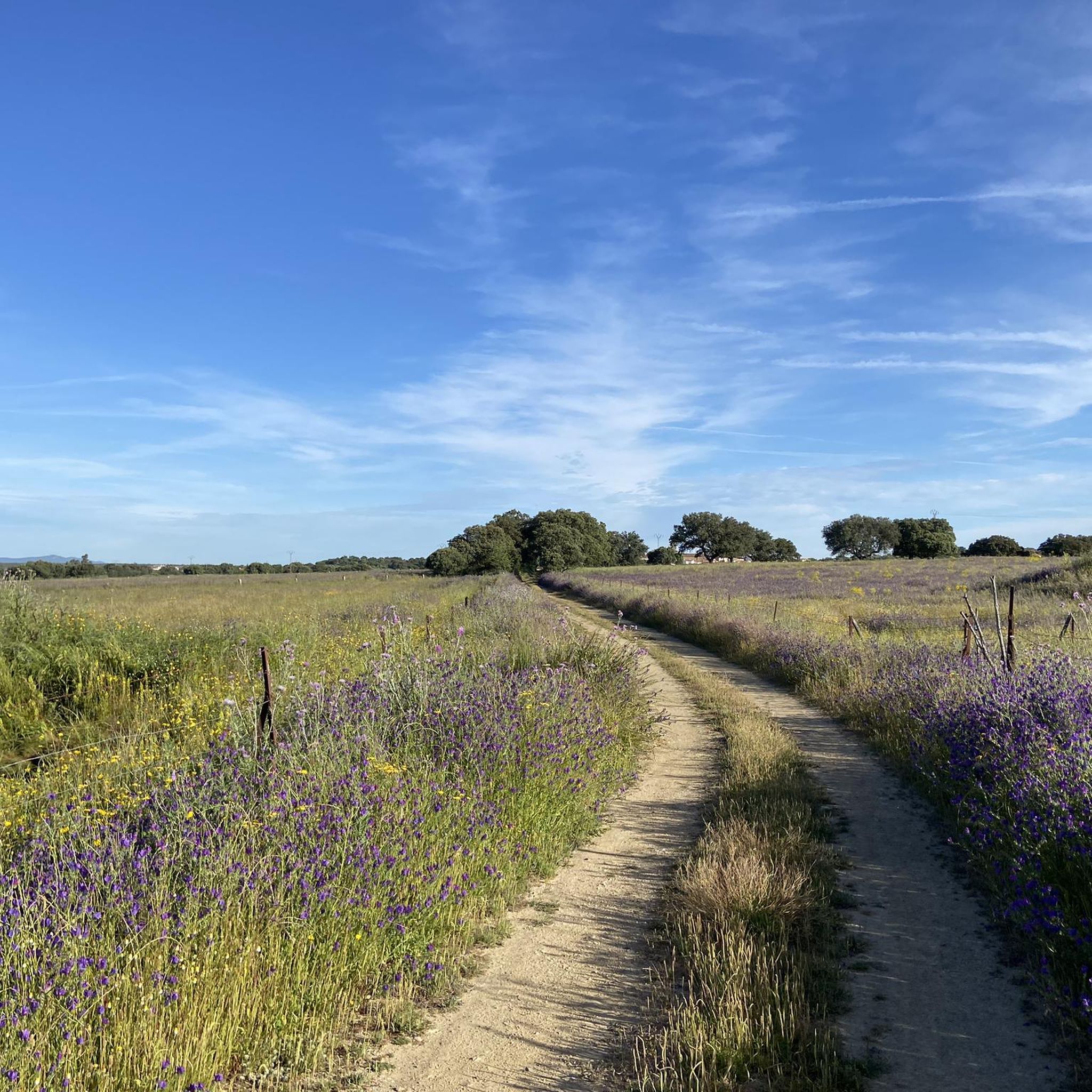
Best attractions and places to see around Casas De Don Antonio, a municipality in Cáceres, Extremadura, Spain, are shaped by its location along the historic Vía de la Plata. The area features a landscape of gentle undulations, extensive dehesas with holm oaks and cork oaks, and the Ayuela Reservoir. Roman and medieval influences are evident throughout the region, offering a blend of historical and natural points of interest.
Best attractions and places to see around Casas De Don Antonio
- The…
Last updated: July 8, 2026
Montánchez Castle
Highlight • Castle
Translated by Google •
Tip by

Stone Cross on the Camino
Highlight • Monument
Translated by Google •
Tip by

Sign up now to discover places like this
Get recommendations on the best single tracks, peaks, & plenty of other exciting outdoor places.
Sign up for free
Ruta de los Molinos (PR-CC 27) – Sierra de Montánchez y Tamuja
Highlight • Trail
Translated by Google •
Tip by
Santiago de Bencáliz Bridge
Highlight • Bridge
Translated by Google •
Tip by
Basilica of Santa Lucía del Trampal
Highlight • Religious Site
Translated by Google •
Tip by

Sign up for free to discover even more attractions around Casas De Don Antonio.
Sign up for free
Already have an account?
Start today with a free account
Your next adventure awaits.
Login or Signup
Tips from the Community

It is located atop a hill in the Sierra de Montánchez, also known as the "balcony of Extremadura," at an altitude of approximately 700–900 meters above sea level. Founded on the site of an earlier Roman fortress, its main structure dates back to the Caliphate period of the 9th century (Almohad era). It preserves three underground cisterns built between the 11th and 13th centuries. Captured around 1156–1230, it passed to the Order of Santiago after being granted by Alfonso XI. Walls, a keep, and defensive enclosures were added. 17th century: A hermitage and an interior pond were added. In 1620, it served as a prison for Don Rodrigo Calderón.
1
0

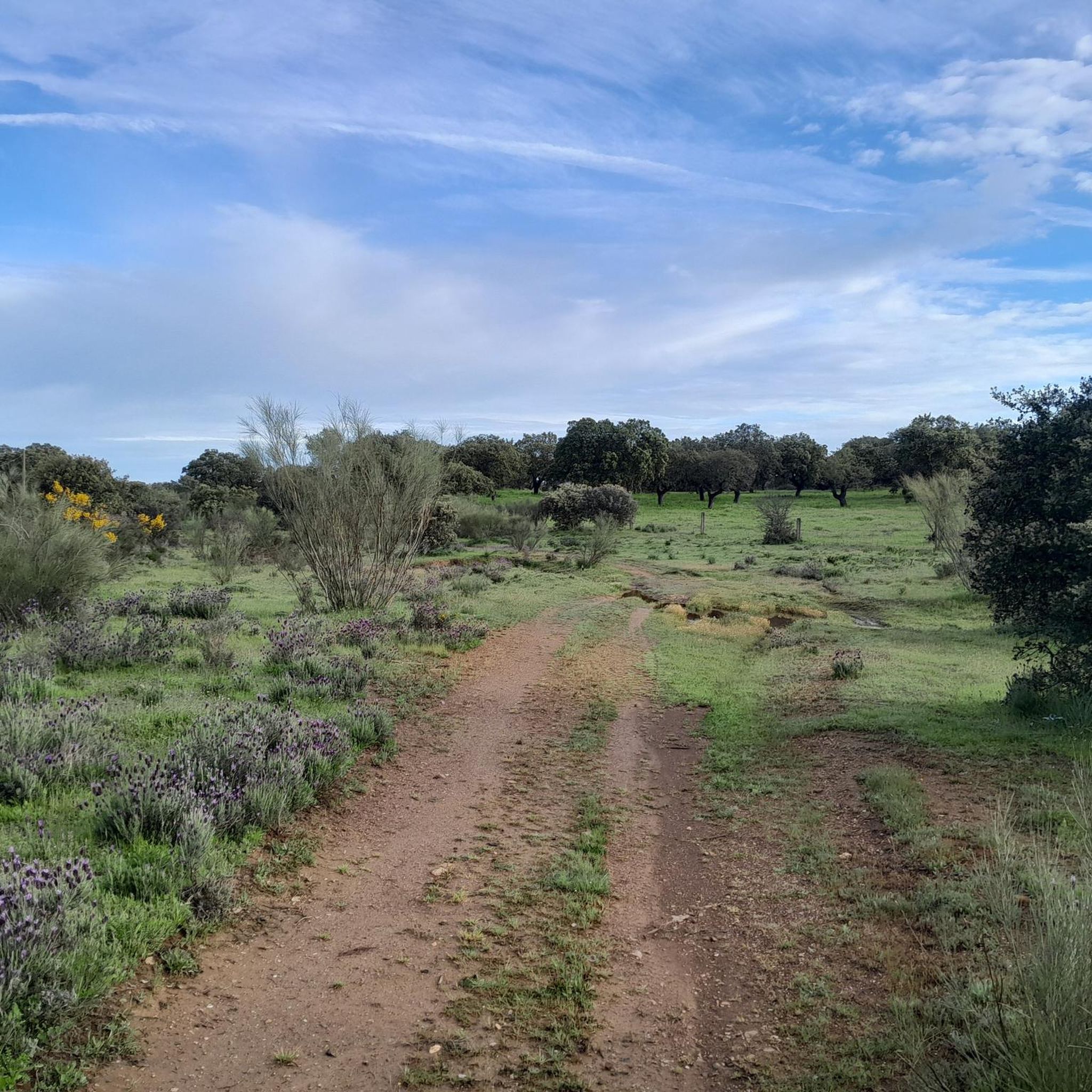
Visigothic Basilica with easy access via a paved track. If you leave the Basilica on the right and continue straight, you will reach a track that runs along the mountain with beautiful views of the surroundings.
0
1
The basilica is located in a stunning natural setting, making it an ideal destination for those who enjoy historical and cultural tourism,
2
0

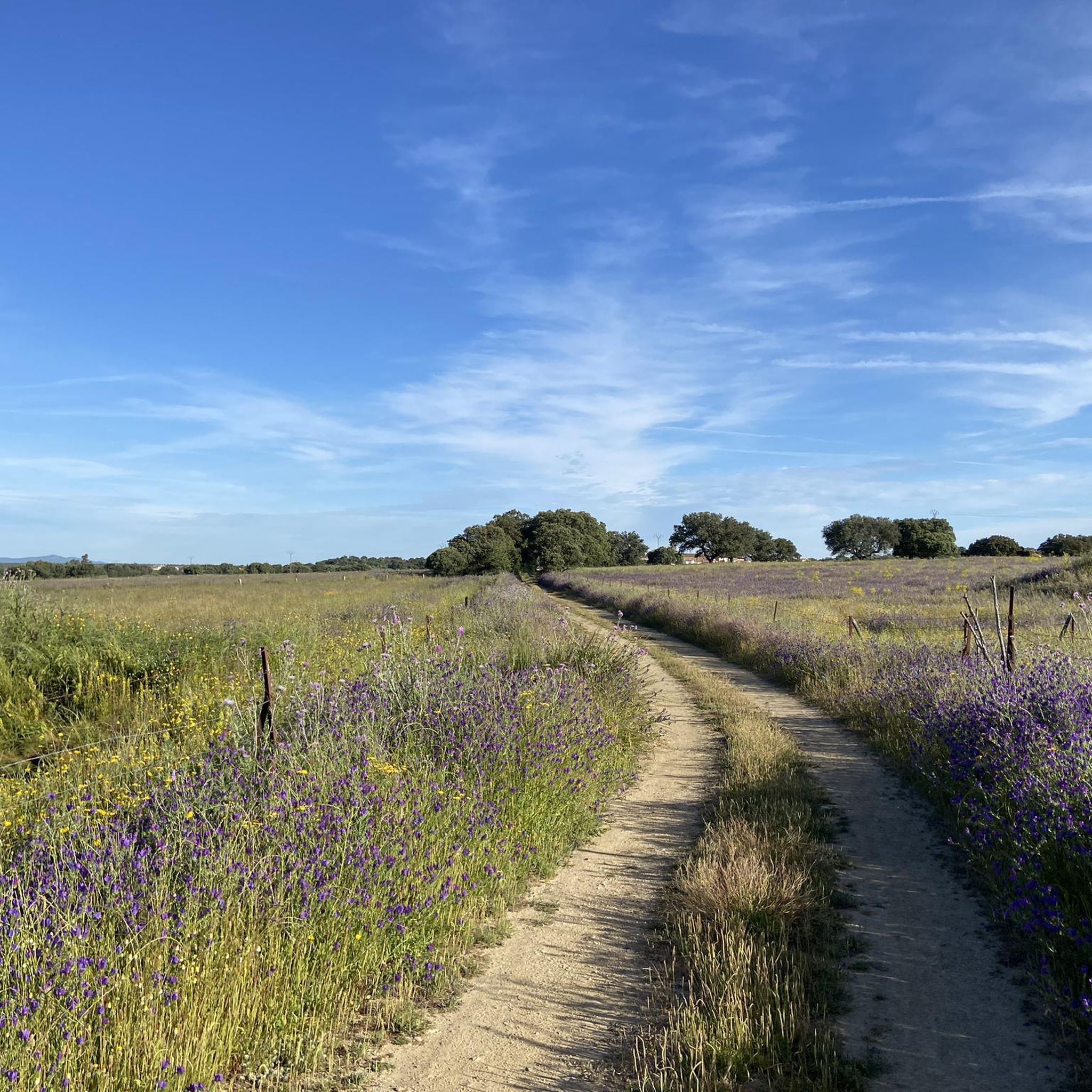
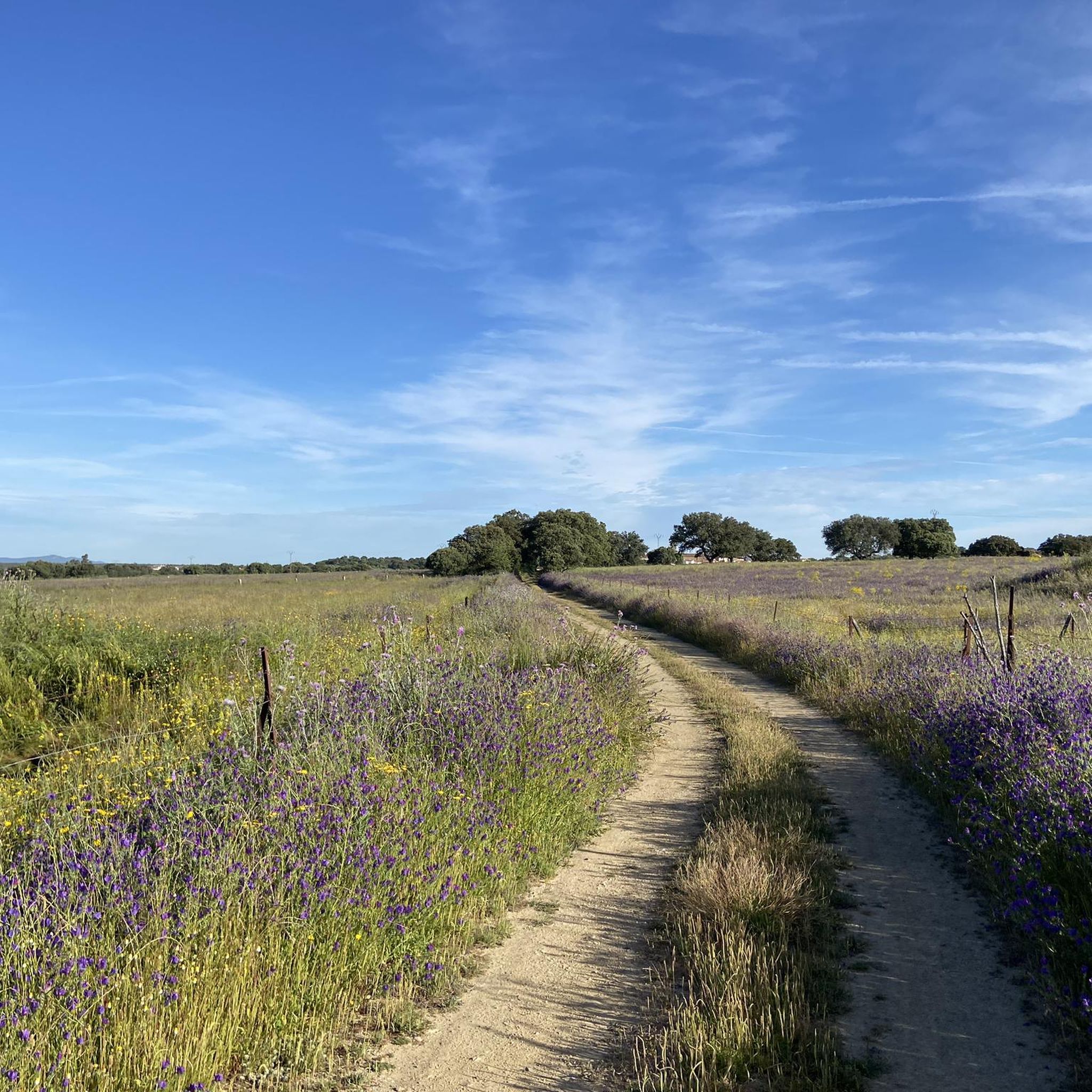
Beautiful route, even for children, preferably autumn, winter
1
0
A magnificent place to see and hear how the water falls in this old mill that in its time offered us numerous advances and that is currently obsolete. It's in ruins; but it allows you to appreciate its wall, the waterfall and the building where said mill was located.
10
0

Unique church with preserved parts of 700.
2
0

Spectacular located on a hill at the top of the town that has the same name as the castle, Montánchez. It is worth going through its walls, all of which are straight.
0
1

Beautiful walled castle and well-preserved defensive hill on the town of Montánchez. The castle was built in the 12th century to protect the trade route between Merida and Trujillo.
1
1
Frequently Asked Questions
What historical sites can I explore in and around Casas de Don Antonio?
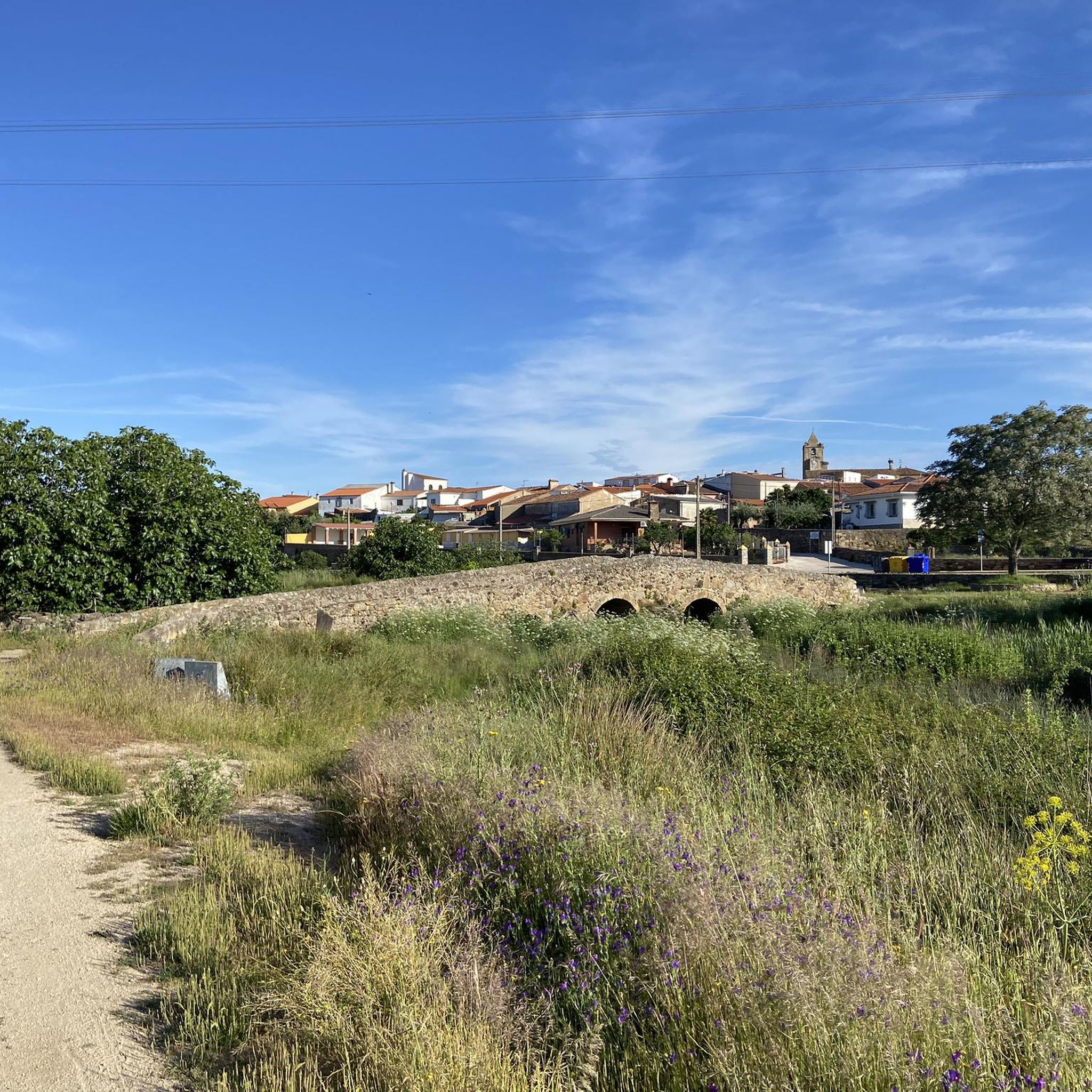
The region is rich in history, particularly due to its location on the Vía de la Plata. You can visit the ancient Santiago de Bencáliz Bridge, a Roman structure crossing the Santiago stream. The town also features the 16th-century Parish Church of Nuestra Señora de la Asunción and The Rollo (Pillory), symbolizing its past as a villa. Further afield, the impressive Montánchez Castle, with Roman and Almohad origins, offers historical insights and panoramic views.
What natural features are prominent in the landscape around Casas de Don Antonio?
The area is characterized by a 'penillanura cacereña' landscape, featuring gentle undulations and extensive dehesas with holm oaks and cork oaks. The Embalse de Ayuela (Ayuela Reservoir) is a significant natural highlight, known for its diverse aquatic bird population, including mallards, common teals, and grey herons. The Sierra de Montánchez and Sierra de San Pedro mountain ranges also define the southern landscape.
Are there good hiking opportunities near Casas de Don Antonio?
Yes, the natural surroundings offer numerous hiking trails. A notable option is the Ruta de los Molinos (PR-CC 27) – Sierra de Montánchez y Tamuja, an approved route that winds through picturesque chestnut groves with no technical difficulty. You can also find Roman milestones along the old Vía de la Plata, such as the 'Correo' milestone, which are great for historical walks. For more options, explore the running trails around Casas De Don Antonio, which often double as scenic walking paths.
What unique cultural experiences can I find in Casas de Don Antonio?
Casas de Don Antonio offers a glimpse into traditional Extremaduran culture. You can observe the typical whitewashed houses and experience local festivals like the Fiestas in Honor of the Virgen del Pilar in October or the Romería de Santiago de Bencáliz on May 1st. The 'Rachón' on Christmas Eve, a large communal bonfire, is a curious local tradition. The presence of an old olive oil mill at the village entrance also speaks to its agricultural heritage.
Are there any family-friendly attractions or activities in the area?
Many of the natural trails, such as sections of the Ruta de los Molinos (PR-CC 27), are considered suitable for families, especially in autumn or winter. Exploring the Roman bridge or the Ayuela Reservoir for birdwatching can also be engaging for children. The town's traditional architecture and local festivals offer cultural experiences for all ages.
What is the significance of the Vía de la Plata in Casas de Don Antonio?
The Vía de la Plata, an ancient Roman road and later a pilgrimage route, is central to the identity of Casas de Don Antonio. It passes directly through the municipality, influencing its history and character. The Roman Bridge over the Ayuela River and several Roman milestones along the route are direct testaments to this historical connection. Pilgrims on the Camino de Santiago still utilize parts of this route.
Where can I find mountain biking or road cycling routes near Casas de Don Antonio?
The region provides excellent terrain for cycling. You can find various mountain biking trails, including routes like 'Almoharín, Montánchez y Valdemorales' or the 'Santiago de Becáliz Bridge loop'. For road cycling, options include ascents to the Cancho Blanco Radar Station or scenic loops around Montánchez Castle. Explore detailed routes on the MTB Trails around Casas De Don Antonio and Road Cycling Routes around Casas De Don Antonio guide pages.
What is the best time of year to visit Casas de Don Antonio for outdoor activities?
While the guide doesn't specify a single 'best' time, the region's climate suggests that spring and autumn would be ideal for outdoor activities like hiking and cycling, offering milder temperatures. The Ruta de los Molinos is particularly recommended for autumn and winter. Birdwatching at the Ayuela Reservoir is good during winter for spotting great cormorants.
Are there any religious sites or pilgrimage points in the area?
Yes, the Parish Church of Nuestra Señora de la Asunción, dating to the 16th century, is a significant religious landmark in the town. Additionally, the Hermitage of the Virgen del Pilar is another important religious site. For pilgrims, the Pilgrims' Hostel Casa de la Misericordia Alcuéscar offers hospitality to those traveling the Vía de la Plata.
What kind of wildlife can I expect to see around Casas de Don Antonio?
The Embalse de Ayuela is a prime spot for birdwatching, home to aquatic birds such as mallards, common teals, little egrets, and grey herons. During winter, great cormorants can also be observed. The extensive dehesas with holm and cork oaks provide habitats for various other species, contributing to the region's biodiversity.
What is the 'balcony of Extremadura' and where can I find it?
The 'balcony of Extremadura' refers to the elevated position of the Montánchez Castle. Located on the highest point of a hill in the Sierra de Montánchez, it offers expansive views of the surrounding landscape, making it a popular viewpoint.
Most popular routes around Casas De Don Antonio

Get inspired with the komoot mobile app


Explore more
Still not found the Highlight you’re looking for? See guides of the top attractions in other regions:
