Attractions and Places To See around Mata De Alcántara - Top 20
Best attractions and places to see around Mata De Alcántara include a blend of historical landmarks, cultural heritage, and natural features. This municipality is situated within the dehesas surrounding the Tagus River in Cáceres, Extremadura, and is part of the Tajo Internacional Biosphere Reserve. The area is characterized by its dehesa ecosystem, which features cork oaks, pastures, and diverse wildlife. Its history is closely linked to the Military Order of Alcántara, offering insights into the region's past.
Best attractions and…
Last updated: July 2, 2026
Alcántara Roman Bridge
Highlight • Bridge
Translated by Google •
Tip by

Roco-Campofrío Palace (Alcántara)
Highlight • Historical Site
Translated by Google •
Tip by
Sign up now to discover places like this
Get recommendations on the best single tracks, peaks, & plenty of other exciting outdoor places.
Sign up for free
Santa María de Almocóvar Church
Highlight • Bridge
Translated by Google •
Tip by
Perero House (Alcántara)
Highlight • Historical Site
Translated by Google •
Tip by
Roman Bridge of Alcántara
Highlight • Bridge
Translated by Google •
Tip by
Sign up for free to discover even more attractions around Mata De Alcántara.
Sign up for free
Already have an account?
Start today with a free account
Your next adventure awaits.
Login or Signup
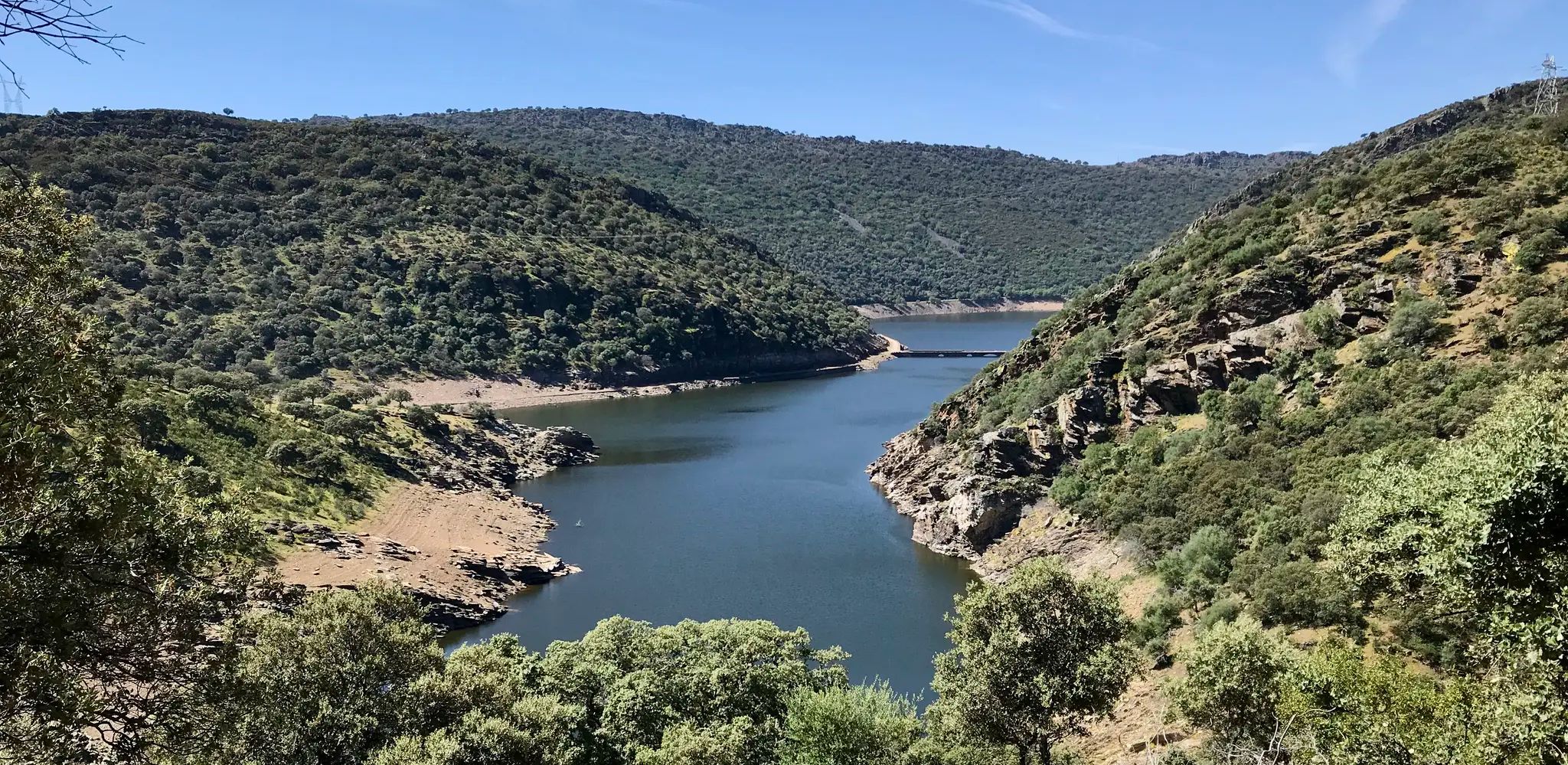
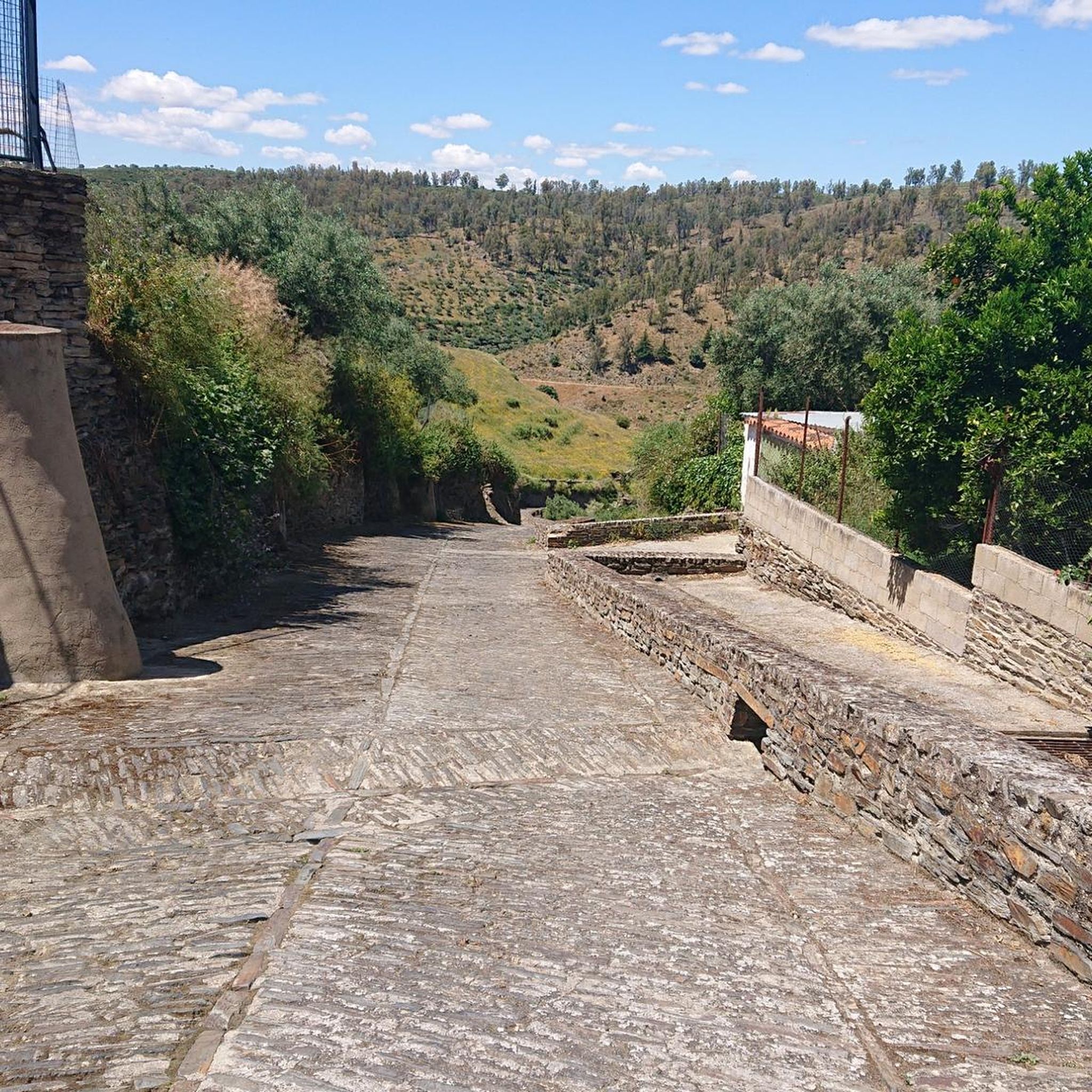
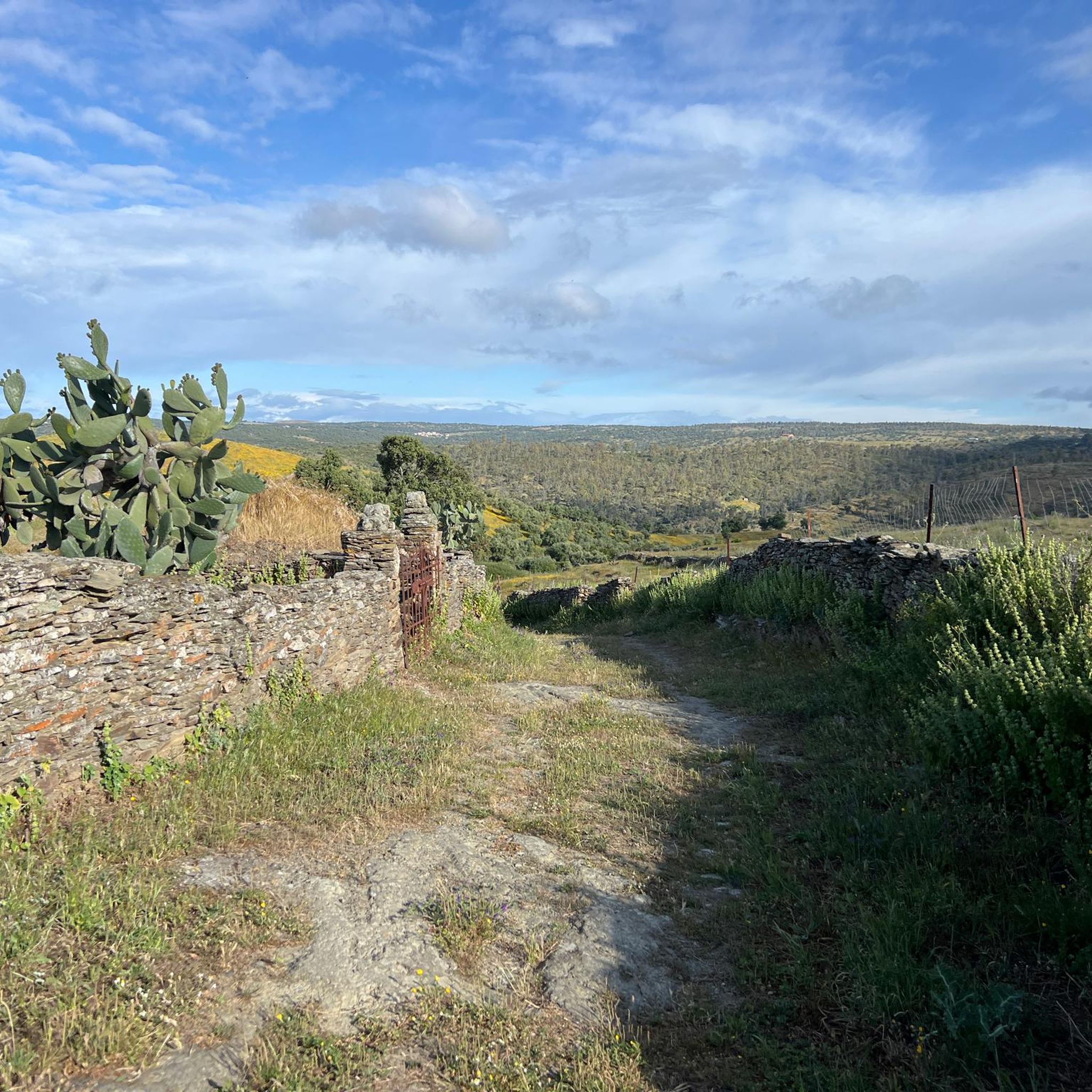
Other adventures around Mata De Alcántara

Tips from the Community

Built over the Tagus River near the current Alcántara, in the province of Cáceres, the Alcántara bridge is one of the most beautiful and important examples of Roman civil engineering. Despite being shorter than the one in Mérida and with fewer arches, it is much higher and above all more impressive. The complex is made up of three very different parts: the bridge, the central triumphal arch and a small rectangular temple measuring 5.60 x 4.10 metres. This building consists of a staircase, two Tuscan columns, an entablature and a classical pediment. A restored plaque indicates the name of its builder and reminds us that the bridge will last “as long as the world lasts”:
16
0
The Church of Santa María de Almocóvar, located in the Plaza de España in Alcántara (Cáceres), is one of the most emblematic churches in Extremadura and has been declared a Site of Cultural Interest since 1987. Inside, several pieces of interest are preserved: the tomb of Commander Antonio Bravo de Jerez, made by Lucas Mitata; five panels by Luis de Morales; a recumbent Christ, attributed to Martínez Montañés; a sculpture by Sebastián de Paz from 1639; the tomb of Master Yáñez de la Barbuda; and the baptismal font where Saint Peter of Alcántara was baptized.
10
0

Enjoy a peaceful walk in nature and enjoy the beautiful surroundings.
1
0
Small rectangular temple measuring 5.60 x 4.10 meters. This building consists of a staircase, two Tuscan columns, an entablature and a classical pediment. A restored plaque indicates the name of its builder and reminds us that the bridge will last “as long as the world lasts”:
29
0
Built over the Tagus River near present-day Alcántara, in the province of Cáceres, the Alcántara Bridge is one of the most beautiful and important examples of Roman civil engineering. Despite being shorter than that of Mérida and with fewer arches, it is much higher and above all more impressive. The complex is made up of three distinct parts: the bridge, the central triumphal arch and a small rectangular temple measuring 5.60 x 4.10 meters. This building consists of a staircase, two Tuscan columns, an entablature and a classical pediment. A restored plaque indicates the name of its builder and reminds us that the bridge will last “as long as the world lasts”:
36
1
Its current state is a ruin, although on the facade of the monument you can see the coat of arms presiding over the door. It is a work that was never completed, although despite everything the façade shows the desired purpose that its promoters had. The façade symmetrically divides the composition, oriented into three floors, with three openings on each side. The central structure opens on the lower floor framed with two superb columns of Tuscan order that support a classic frieze of triglyphs and metopes, with an entablature for a balcony with two new columns of the same style as the lower ones. The finish on the third floor is a curvilinear pediment split to place a marble shield with the arms of the Roco. The first and second floors are decorated with triangular pediments, and the corners are crossed by boxed pilasters.
34
0
Some pieces of interest are preserved inside: the tomb of Commander Antonio Bravo of Jerez, made by Lucas Mitata; five panels by Luis de Morales; a Recumbent Christ, attributed to Martínez Montañés; a carving by Sebastián de Paz from 1639; the tomb of Master Yáñez de la Barbuda, and the font where San Pedro de Alcántara was baptized.
35
1
Manor houses and palaces. An example of the construction boom promoted by the rich nobility and clergy linked to the Military Order and settled in Alcántara since the 13th century, numerous palaces were built such as: Casa de Bernardo de Aldana, Casa de los Aldana, Casa de los Arias QuintanaDueñas, House of the Perero, House of Vélez Suárez, House of the Cabrera, House of the Pacheco, Palace of the Barco, House of the Clavería, House of the Barrantes Maldonado, one of the oldest families in Alcántara, Palace of the Roco Campofrío, with a monumental façade that indicates the importance of this lineage, Palacio de los Aponte where the heraldic shields of the Aldana, Zúñiga, Rocha, Ovando and Aponte families stand out, Palace of the Topete Escobar, House of the Oviedo, popularly known as “Casa de los Calderones”, due to the cauldron on the shields of its façade, it has two topless towers.
33
0
Frequently Asked Questions
What historical and cultural sites can I explore in Mata de Alcántara?
Mata de Alcántara offers a rich historical and cultural experience. You can visit the Renaissance-style Iglesia de Nuestra Señora de Gracia in Plaza de España, a declared Asset of Cultural Interest. The Ermita de San Lorenzo, dedicated to the town's patron saint, is surrounded by interesting anthropomorphic granite tombs and unique rock formations. Don't miss the pre-Roman rock sanctuary of Peña Carnicera or the intriguing archaeological remains of Paleo-Christian or late Roman tombs carved into granite on the outskirts of the municipality. Additionally, traditional agro-livestock constructions known as Buhíos are scattered throughout the landscape, showcasing local heritage.
What natural features define the landscape around Mata de Alcántara?
The area around Mata de Alcántara is characterized by its unique dehesa ecosystem, a blend of Mediterranean woodland with cork oaks, pastures, and olive groves, all within the Tajo Internacional Biosphere Reserve. The Ribera de la Mata (La Fresneda) is an ecological corridor with riparian forests and abundant birdlife, including white and black storks. For recreation and birdwatching, visit Charca de Cueto and La Laguna, popular spots for fishing and picnics.
Are there family-friendly attractions around Mata de Alcántara?
Yes, several attractions are suitable for families. The impressive Alcántara Roman Bridge is a fascinating historical site that children can enjoy exploring. The natural areas like Charca de Cueto and La Laguna offer pleasant spots for picnics and birdwatching. Additionally, the general dehesa landscape provides opportunities for easy walks and enjoying nature together.
What outdoor activities can I do near Mata de Alcántara?
The region is excellent for outdoor enthusiasts. You can find numerous routes for hiking, mountain biking (BTT), and horse riding. For specific trails, consider exploring the routes listed in the nearby guides, such as the Hiking around Mata De Alcántara guide, the MTB Trails around Mata De Alcántara guide, or the Cycling around Mata De Alcántara guide.
Where can I find panoramic views of the dehesa landscape?
For expansive panoramic views of the 'dehesa matiega' and its diverse birdlife, visit the modern stone Mirador. This viewpoint, approximately 6 meters high, offers an excellent vantage point to appreciate the unique ecosystem of the region.
What is the best time of year to visit Mata de Alcántara?
While specific recommendations depend on your preferred activities, the region's climate suggests that spring and autumn are ideal for outdoor activities like hiking and cycling, offering pleasant temperatures. Summer can be hot, but it's when the Festival de Teatro Clásico de Alcántara takes place in the nearby town, offering cultural events.
Are there any notable historical sites in the nearby town of Alcántara?
Absolutely. Just a short distance from Mata de Alcántara, the town of Alcántara boasts the magnificent Alcántara Roman Bridge, a remarkable example of ancient civil engineering. You can also visit the Conventual de San Benito, a significant Renaissance architectural complex, and the Roco-Campofrío Palace (Alcántara), a 17th-century historical site with a monumental facade.
What kind of hiking trails are available near Mata de Alcántara?
There are various hiking trails catering to different preferences. You can find routes like the 'Balcón del Mundo Route' (moderate, 6.3 km), 'Alto Peña Carnicera desde Mata de Alcántara' (moderate, 8.7 km), and the 'Puente de Alcántara Trail' (easy, 5.2 km). For more options and details, consult the Hiking around Mata De Alcántara guide.
What is the significance of Brozas, a nearby settlement?
The nearby settlement of Brozas is recognized for its rich historical civil, religious, and military architectural heritage. Its urban complex was declared an Asset of Cultural Interest. It also lies on the Vía de la Estrella (GR-112), an excellent cycling path through the Extremaduran countryside.
What local culinary specialties should I try in Mata de Alcántara?
Mata de Alcántara offers a rich gastronomy. Be sure to try local dishes featuring tencas (a type of carp) from its ponds. Lamb preparations like frite and chanfaina de cordero are also traditional. For sweets, look out for mormenteras and frito huevo.
Are there opportunities for birdwatching in the area?
Yes, Mata de Alcántara is an excellent destination for birdwatching. The Ribera de la Mata (La Fresneda), an ecological corridor along the river, is known for white and black storks and herons. The Charca de Cueto and La Laguna ponds are also prime spots. Several dedicated Birdwatching Viewpoints exist within the dehesas and near Embalse Laguna to optimize your observation experience.
What is the Santa María de Almocóvar Church known for?
The Santa María de Almocóvar Church, located in Alcántara, is a historical site and religious building declared a Site of Cultural Interest. It preserves significant pieces, including the tomb of Commander Antonio Bravo of Jerez, five panels by Luis de Morales, and the baptismal font where Saint Peter of Alcántara was baptized.
Most popular attractions around Mata De Alcántara

Get inspired with the komoot mobile app


Explore more
Still not found the Highlight you’re looking for? See guides of the top attractions in other regions:
