The best walks and hikes around Villa Del Rey
4.2
(15)
44
hikers
17
hikes
Hiking around Villa Del Rey offers diverse landscapes, characterized by a mix of plains, Mediterranean woodlands (dehesas), and rocky areas. The region provides access to the Tajo Internacional Natural Park, featuring varied ecosystems and the prominent Tagus River with its impressive gorges. Wetlands and historical sites, including megalithic remains, also contribute to the area's natural and cultural appeal.
Best hiking trails around Villa Del Rey
- The most popular hiking route is Balcón del Mundo Route, a 3.9 miles (6.3…
Last updated: May 15, 2026
5.0
(2)
8
hikers
6.32km
01:45
110m
110m
Hike the moderate 3.9-mile Balcón del Mundo Route in Tajo Internacional Natural Park, featuring the Alcántara Roman Bridge and scenic viewpo
5.0
(1)
2
hikers
16.8km
04:44
350m
350m
Moderate hike. Good fitness required. Mostly accessible paths. Sure-footedness required.

Sign up for free
3
hikers
5.74km
01:28
20m
20m
Easy hike. Great for any fitness level. Easily-accessible paths. Suitable for all skill levels.
5.0
(1)
2
hikers
8.74km
02:22
120m
120m
Moderate hike. Good fitness required. Easily-accessible paths. Suitable for all skill levels.
19.3km
05:00
110m
120m
Hike the challenging 12.0-mile (19.3 km) Villa del Rey y La Quebrada circular route through dehesa landscapes and historical Vía de la Estre
Get access to more routes and recommendations from other explorers.
Sign up for free
Already have an account?
Our route recommendations are based on thousands of hikes, rides, and runs completed by other people on komoot.
Start today with a free account
Your next adventure awaits.
Login or Signup
Popular around Villa Del Rey
Tips from the Community

It is an irregularly shaped square, surrounded by stately homes and palaces that reflect the splendor of Brozas in the 16th and 17th centuries, when it was the center of power for the Order of Alcántara. The arcades and facades with wrought-iron balconies are particularly noteworthy, as is the presence of noble buildings such as the Argüellos Carvajal Palace and the Orive Salazar Palace nearby.
5
0
The Plaza Mayor of Brozas (Cáceres, Extremadura) is the historic heart of this town, known for its rich heritage and traditional atmosphere. Although not as monumental as those of Cáceres or Trujillo, it has a special charm due to its history and vernacular architecture.
8
0

Enjoy a peaceful walk in nature and enjoy the beautiful surroundings.
1
0
The Church of Santiago in Estorninos, a district of the municipality of Alcántara, in the province of Cáceres, Autonomous Community of Extremadura, Spain, is a building with a rich history. Although its origin dates back to the 15th century, it has undergone modifications over time.
2
0
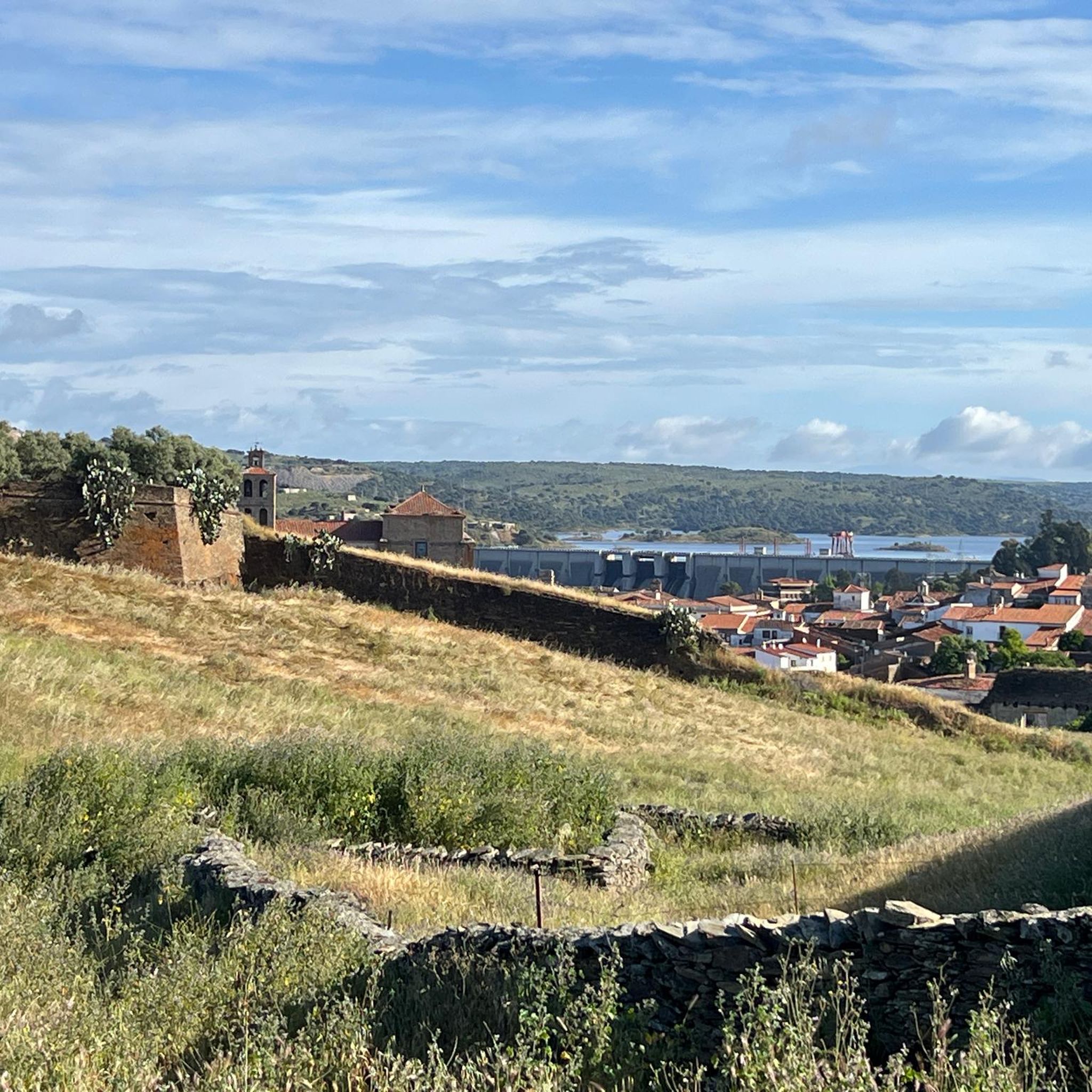
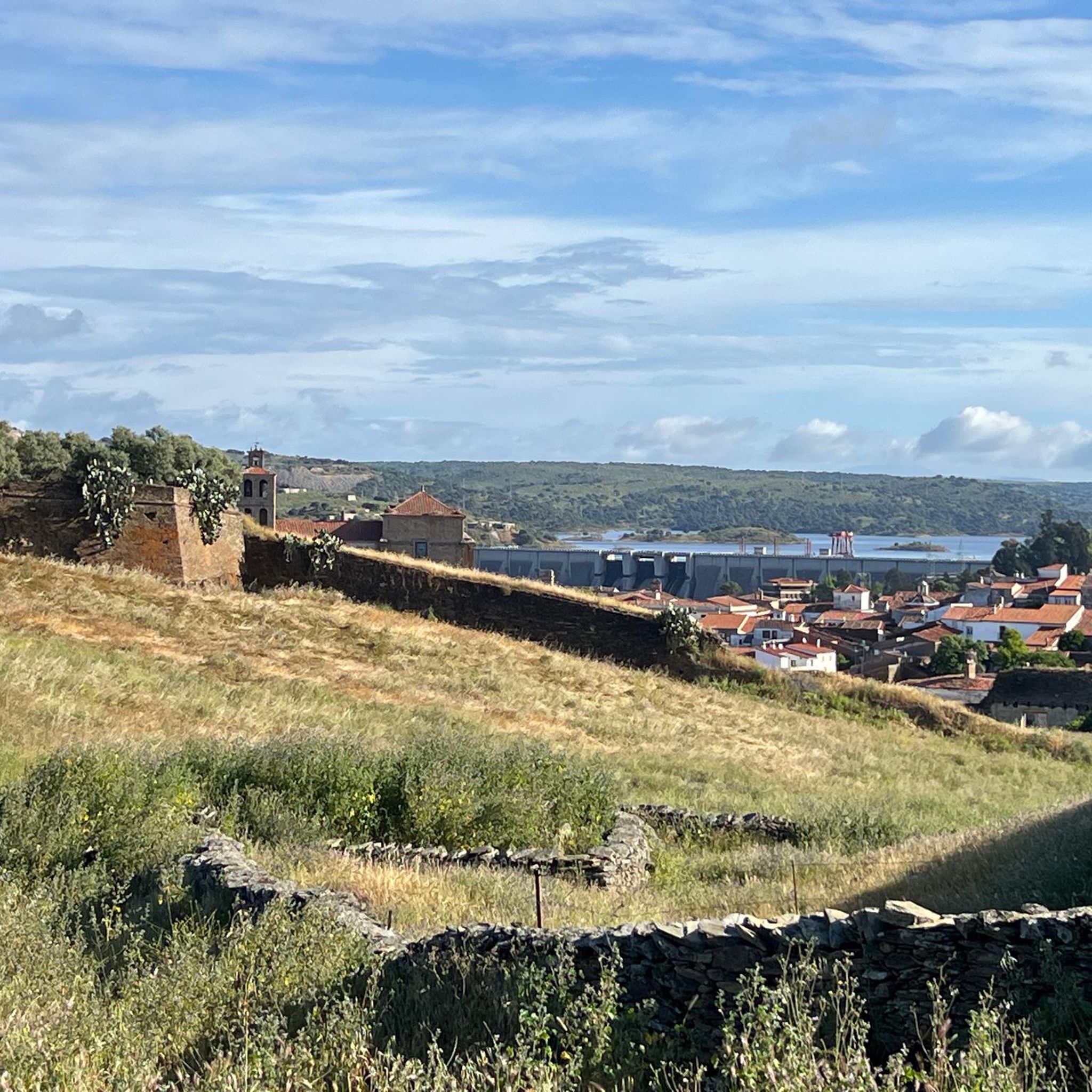
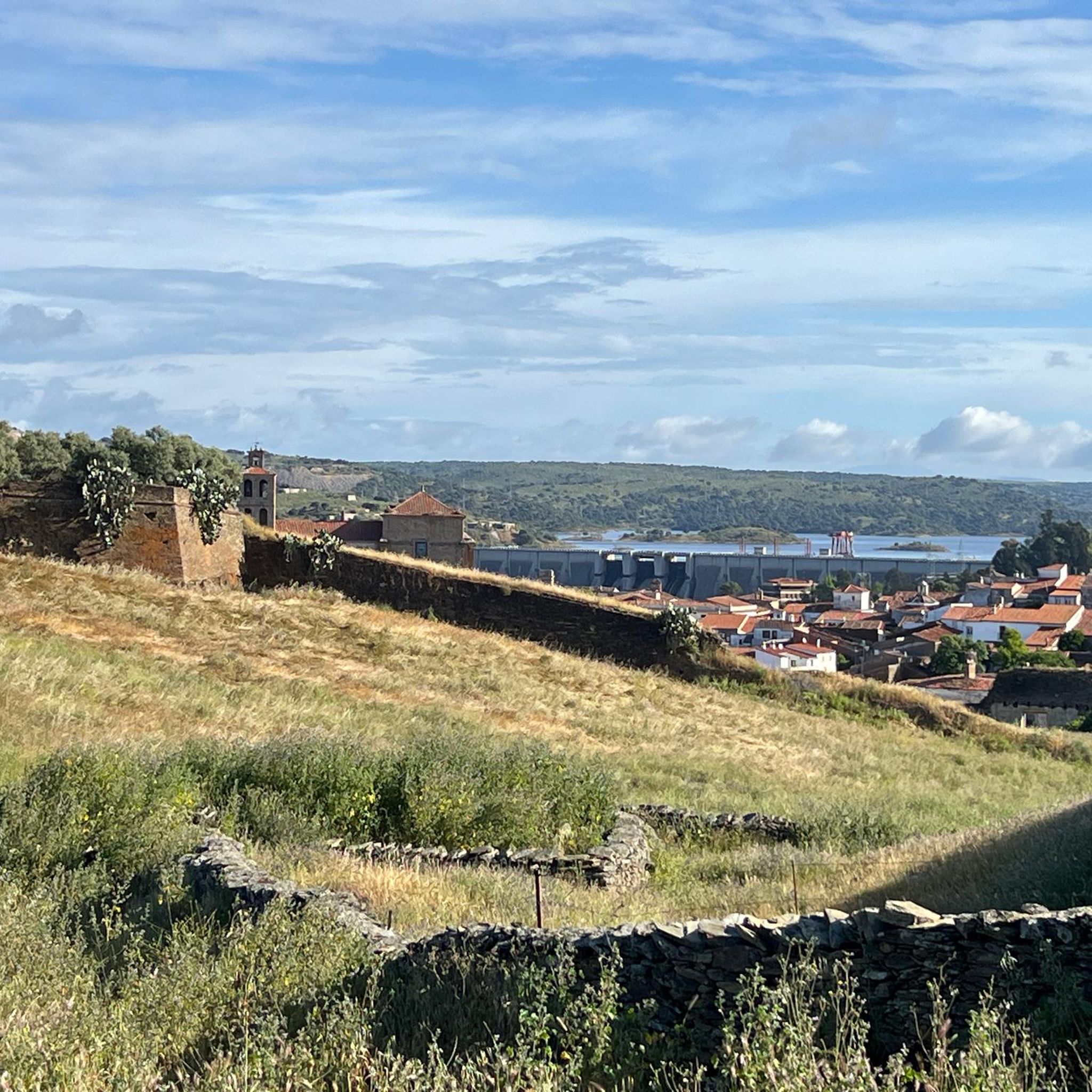
Villa del Rey is a Spanish municipality located in the province of Cáceres, in the autonomous community of Extremadura. Its orography is characterized by wide plains with gentle slopes, and the entire municipality is contained by the hydrographic basin of the Tagus River, with the Jartín River being its main aquifer.
5
0
This square, named in honor of the Prince of Asturias, is a meeting point for the inhabitants and visitors of Brozas. Its design, surrounded by historic buildings and with a cozy atmosphere, invites you to walk and enjoy local life.
6
0
Brozas Castle, also known as “Castillo de la Comienda Mayor de la Orden de Alcántara” and popularly called “the Palace”, is a fortification located in the Spanish town of Brozas, in the province of Cáceres. Its history dates back to the 14th century, although its current appearance comes from a reconstruction carried out in the 16th-17th centuries.
7
0

If it is worth visiting I recommend
1
0
Frequently Asked Questions
How many hiking trails are available around Villa Del Rey?
There are over 15 hiking routes in the Villa Del Rey area, offering a variety of experiences from easy strolls to more challenging treks. You'll find 8 easy routes, 7 moderate, and 2 difficult options to explore.
Are there any easy, family-friendly hiking trails in Villa Del Rey?
Yes, for an easy and family-friendly option, consider the Brozas — circular through the city and La Quebrada. This 5.7 km trail takes about 1 hour 28 minutes and leads through both urban areas and natural landscapes, with minimal elevation gain.
What kind of landscapes can I expect to see while hiking around Villa Del Rey?
The region around Villa Del Rey is characterized by diverse landscapes, including expansive plains, traditional Mediterranean woodlands known as 'dehesas,' and rocky areas. You'll also encounter the impressive gorges of the Tagus River and wetlands, particularly near Brozas, which are important for birdlife.
Are there any circular hiking routes in the area?
Yes, several routes are circular. For a moderate experience, the Starlings from Alcántara — circular by the Tagus River offers a 16.8 km loop along the Tagus River. Another circular option is Alto Peña Carnicera desde Mata de Alcántara — circular, a moderate 8.7 km trail.
What historical or natural attractions can I see along the hiking trails?
Hikers can discover several notable attractions. The iconic Alcántara Roman Bridge is a must-see, and you can find it along routes like the Balcón del Mundo. Other points of interest include the ruins of Castillo de Belvís, megalithic remains, and the naturalized lagoon of the Brozas Reservoir.
What do other hikers say about the trails in Villa Del Rey?
The hiking trails in Villa Del Rey are highly regarded by the komoot community, with an average rating of 4.2 stars from 14 reviews. Hikers often praise the varied terrain, from riverine landscapes to historical sites, and the opportunities for birdwatching within the Tajo Internacional Natural Park.
Are there any viewpoints or scenic spots on the hikes?
Absolutely. The Tajo Internacional Natural Park, which is accessible from Villa Del Rey, offers numerous scenic spots, especially along the Tagus River with its impressive gorges. You can also find a dedicated Viewpoint of the José María de Oriol - Alcántara II Dam, providing expansive views of the reservoir.
Which trail offers a longer, more challenging hiking experience?
For a longer and more challenging hike, consider the Vía de la Estrella and La Quebrada Lake Loop. This difficult route spans over 19 km and takes approximately 5 hours to complete, traversing a steppe environment and passing by La Quebrada Lake.
Is the area suitable for birdwatching while hiking?
Yes, the region is excellent for birdwatching, particularly within the Tajo Internacional Natural Park and around the wetlands near Brozas, such as Charca del Cueto. These areas are known for their diverse ecosystems and support a variety of birdlife.
Are there any trails that pass through historical towns or villages?
Yes, the Brozas — circular through the city and La Quebrada trail takes you through the historical center of Brozas, allowing you to experience its architectural heritage. The Vía de la Estrella itself is also a medieval road with historical significance.
What is the best time of year to go hiking in Villa Del Rey?
The region's climate, characterized by plains and Mediterranean woodlands, generally makes spring and autumn ideal for hiking. Temperatures are milder, and the natural landscapes are vibrant. Summers can be very hot, and winters, while generally mild, might have cooler, wetter conditions.
Most popular routes around Villa Del Rey
Most popular attractions around Villa Del Rey

Get inspired with the komoot mobile app


Explore more
Browse the best Hikes in other regions.
