The best road cycling routes around Torre De Santa María
5.0
(10)
220
riders
21
rides
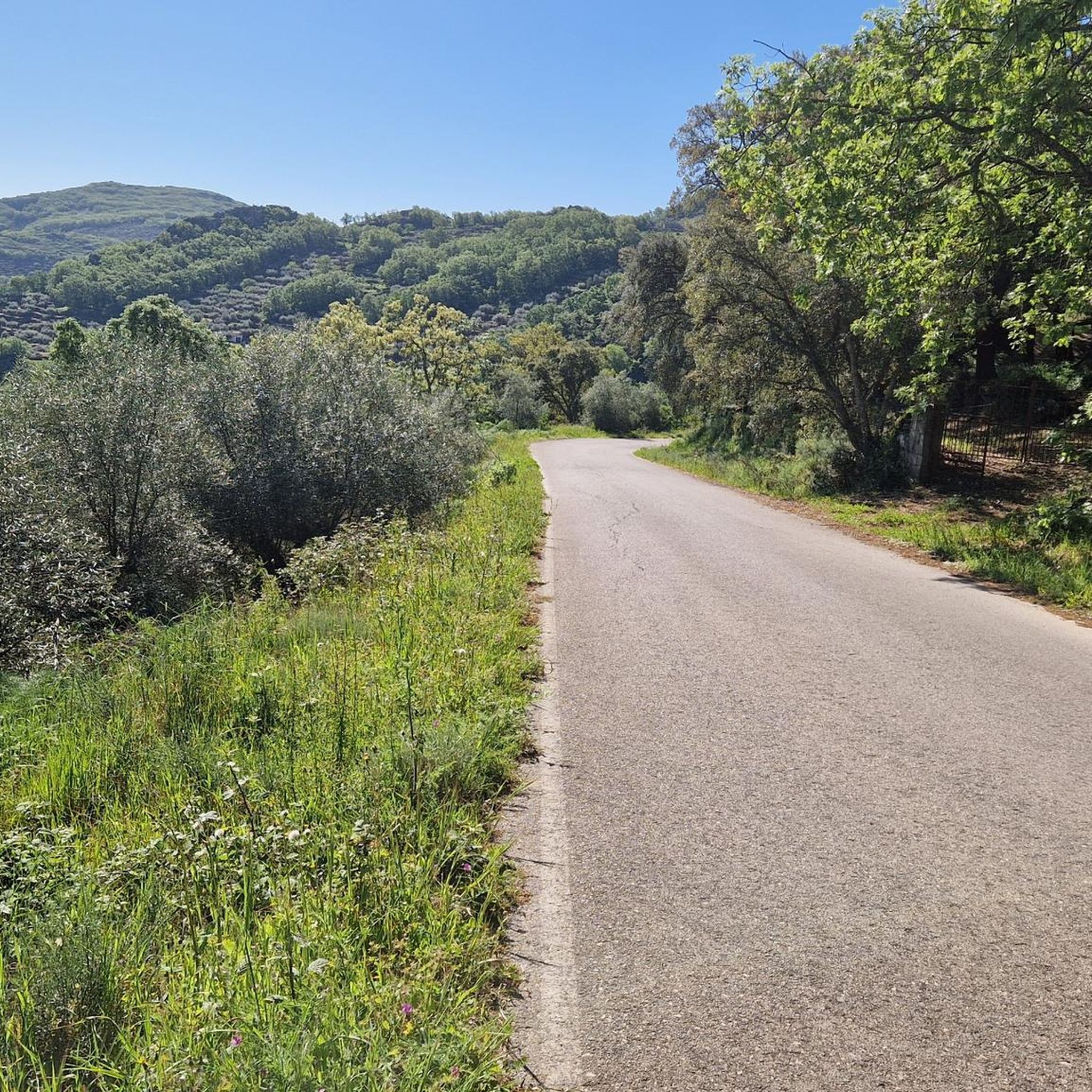
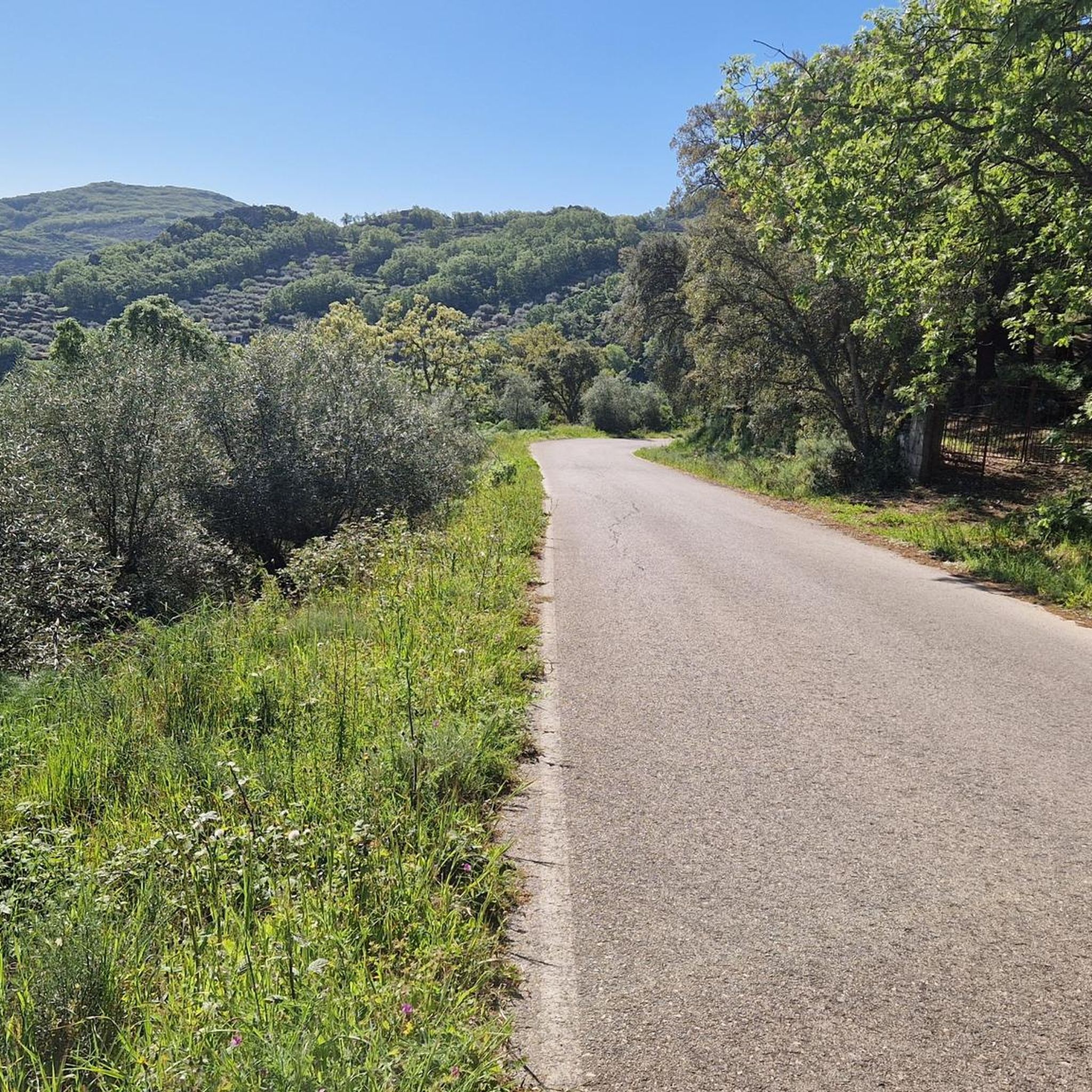
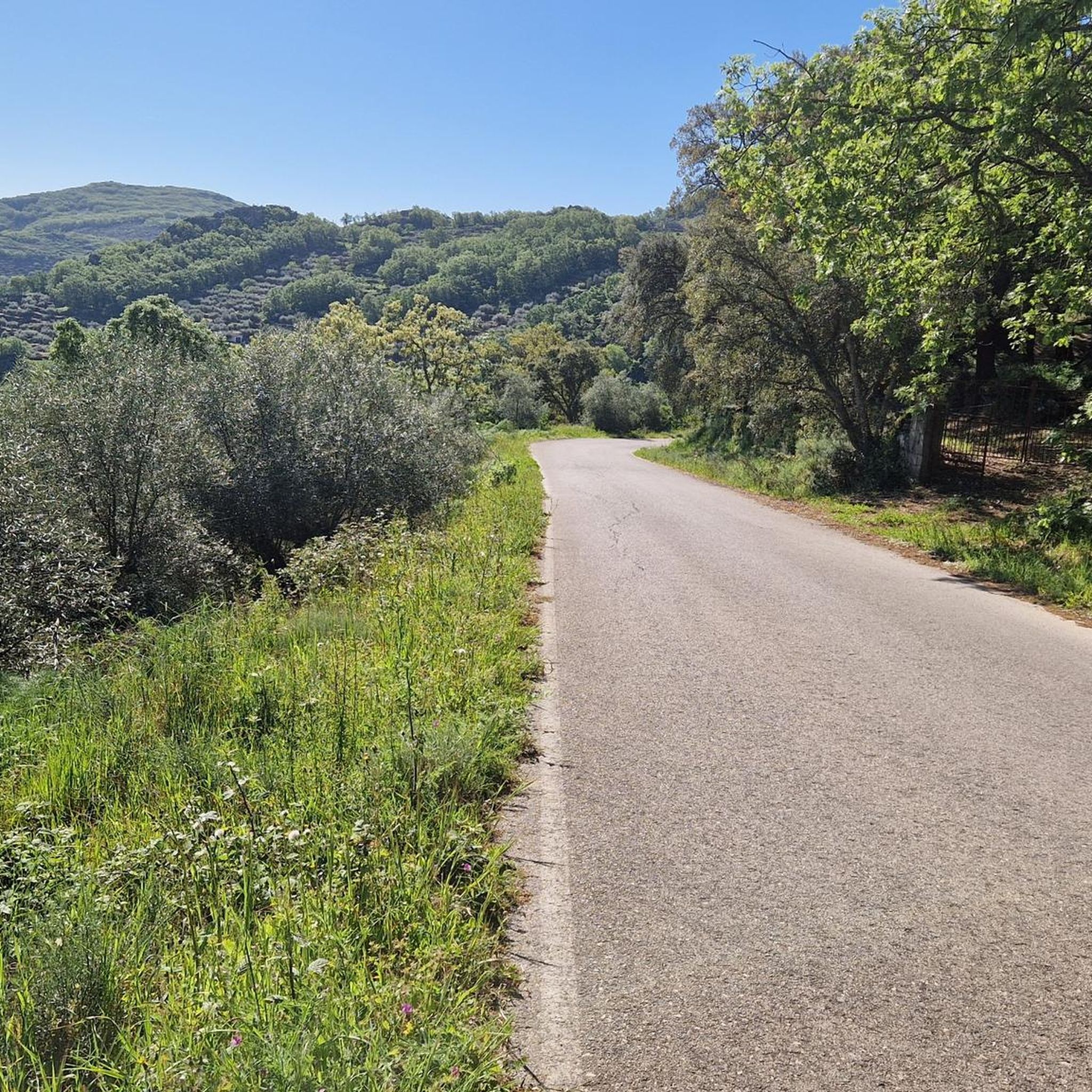
Road cycling around Torre De Santa María, located in the province of Cáceres, Spain, offers diverse landscapes for cyclists, ranging from river valleys to mountainous terrain within the Sierra de Montánchez. The area features an extensive network of roads, often with restricted circulation, traversing cork oak and holm oak forests, olive groves, and ancient paths. This varied topography includes challenging ascents and descents along mountain ridges, alongside more undulating paths through valleys. The region provides a blend of natural features…
Last updated: July 7, 2026
5.0
(1)
56
riders
110km
05:02
890m
890m
Hard road ride. Very good fitness required. Mostly well-paved surfaces and easy to ride.
5.0
(1)
12
riders
29.3km
01:30
450m
450m
Moderate road ride. Good fitness required. Mostly well-paved surfaces and easy to ride.

Sign up for free
13
riders
58.5km
04:15
1,310m
1,310m
Hard road ride. Very good fitness required. Some segments of this route may be unpaved and difficult to ride.
13
riders
77.3km
04:10
1,080m
1,080m
Hard road ride. Very good fitness required. Mostly well-paved surfaces and easy to ride.
8
riders
77.4km
03:24
600m
600m
Moderate road ride. Good fitness required. Mostly well-paved surfaces and easy to ride.
Get access to more routes and recommendations from other explorers.
Sign up for free
Already have an account?
Our route recommendations are based on thousands of hikes, rides, and runs completed by other people on komoot.
Start today with a free account
Your next adventure awaits.
Login or Signup

Tips from the Community

The Puente Romano crosses the Guadiana river and, with its 64 granite arches and a length of 800m, is one of the most striking remains from this period.
14
0
After Tarragona, Mérida has the most Roman remains, each one worth the effort. The city of Mérida is on the UNESCO World Heritage list.
12
0

It is located atop a hill in the Sierra de Montánchez, also known as the "balcony of Extremadura," at an altitude of approximately 700–900 meters above sea level. Founded on the site of an earlier Roman fortress, its main structure dates back to the Caliphate period of the 9th century (Almohad era). It preserves three underground cisterns built between the 11th and 13th centuries. Captured around 1156–1230, it passed to the Order of Santiago after being granted by Alfonso XI. Walls, a keep, and defensive enclosures were added. 17th century: A hermitage and an interior pond were added. In 1620, it served as a prison for Don Rodrigo Calderón.
1
0

Traffic-free climb to Montánchez, between farms. There are some difficult sections, but overall it's moderate.
0
0


Nice gentle climb and one of the longest in Montanchez
0
1
quite a steep climb the last 3.5 kms
0
0
The Roman Bridge of Mérida is one of the most important architectural jewels of the ancient Roman colony of Emerita Augusta, today known as Mérida, in Spain. Built in the 1st century AD, this bridge has stood the test of time and has become a symbol of the city and its rich history.
13
0
Frequently Asked Questions
What types of terrain can I expect on road cycling routes around Torre de Santa María?
The region offers a diverse range of terrains, from picturesque river valleys to more challenging mountainous areas within the Sierra de Montánchez. You'll encounter routes with significant ascents and descents, as well as undulating paths through extensive cork oak and holm oak forests, olive groves, and ancient paved roads.
Are there road cycling routes suitable for beginners or families in Torre de Santa María?
Yes, while many routes feature challenging ascents, there are options for various ability levels. The guide includes 1 easy route and 13 moderate routes that might be more suitable for beginners or families looking for a less strenuous ride. These often traverse agricultural lands and river plains.
Are there any circular road cycling routes in the area?
Yes, the region is known for its circular routes. A notable example is the 'Cheese route' in the northern Sierra de Montánchez, which guides cyclists through scenic pasture areas and along rivers. Many of the routes listed in this guide are also loops, such as the Montánchez Castle – Plaza de España, Montánchez loop from Almoharín.
What are some scenic viewpoints or natural features I can see while road cycling?
Road cycling routes often provide panoramic views of the Sierra de Montánchez. You'll ride through landscapes characterized by cork oak and holm oak forests, Mediterranean scrubland, olive groves, and chestnut woods. The region is also a hotspot for birdwatching, particularly in areas like the Llanos de Cáceres-Sierra de Fuentes.
What historical or cultural attractions can I visit along the road cycling routes?
The area is rich in history. You can cycle past traditional Extremaduran villages like Valdefuentes, Albalá, and Benquerencia. A prominent landmark is Montánchez Castle, a medieval fortress offering stunning views, which is a feature of several routes, including the View of Montánchez Castle – Montánchez Castle loop from Almoharín. Sections of historical paths like the Vía de la Plata can also be incorporated into itineraries.
How long do road cycling routes typically take in Torre de Santa María?
Route durations vary significantly based on distance and difficulty. For example, the challenging Montánchez Castle – Plaza de España, Montánchez loop from Almoharín, which is 62.3 km, typically takes around 3 hours 44 minutes. Longer routes, like the 110.3 km Road through fields – Roman Theatre of Mérida loop from Valdefuentes, can take over 5 hours.
What do other road cyclists say about the routes in Torre de Santa María?
The road cycling routes in Torre de Santa María are highly rated by the komoot community, with an average score of 5.0 stars from over 15 reviews. Cyclists often praise the varied terrain, the scenic beauty of the Sierra de Montánchez, and the extensive network of roads with restricted circulation, making for an enjoyable and safe experience.
Are there any specific natural monuments or unique geological features to see?
Yes, beyond the general landscape, you might encounter unique features such as The Rock That Moves, a natural monument, or the historical Canaleja de la Torre Spring and Ruins, offering interesting points of interest during your ride.
What is the best time of year for road cycling in Torre de Santa María?
The region's climate makes spring and autumn particularly pleasant for road cycling, with milder temperatures and lush landscapes. Summers can be hot, especially in the valleys, while winters are generally mild but can have cooler, wetter periods. Always check local weather forecasts before heading out.
How many road cycling routes are available in the Torre de Santa María area?
There are over 19 road cycling routes documented in the Torre de Santa María area, offering a wide range of distances and difficulty levels to explore the diverse landscapes of the Sierra de Montánchez.
Are there any routes that pass through significant natural protected areas?
Yes, the Sierra de Montánchez itself is a serene, mountainous protected area. Additionally, nearby, the Llanos de Cáceres-Sierra de Fuentes is recognized as a protected natural space and a Special Protection Area for Birds, offering opportunities to cycle through areas rich in biodiversity.
Most popular routes around Torre De Santa María
Most popular attractions around Torre De Santa María

Get inspired with the komoot mobile app


Explore more
Browse the best Road cycling routes in other regions.
