Attractions and Places To See around Casar De Cáceres - Top 20
Best attractions and places to see around Casar De Cáceres include a mix of historical, cultural, and natural sites. This municipality in Extremadura has origins dating back to the Bronze Age and developed significantly along the Vía de la Plata. The area offers a tranquil rural experience, featuring ancient Roman roads, wetlands for birdwatching, and landscapes suitable for outdoor activities. It is located just 10 kilometers from the city of Cáceres.
Best attractions and places to see around Casar De…
Last updated: July 7, 2026
Co-Cathedral of Santa María, Cáceres
Highlight • Religious Site
The origin of this church dates …
Translated by Google •
Tip by

Cáceres Main Square
Highlight • Historical Site
Translated by Google •
Tip by
Sign up now to discover places like this
Get recommendations on the best single tracks, peaks, & plenty of other exciting outdoor places.
Sign up for free
Historic center of Cáceres
Highlight • Historical Site
Translated by Google •
Tip by

Cáceres Museum and Cistern
Highlight • Historical Site
Inaugurated in February 1933, the Cáceres Museum occupies two palace-houses in the Monumental City: the Palacio de …
Translated by Google •
Tip by
Hermitage of Santiago
Highlight • Religious Site
Translated by Google •
Tip by
Sign up for free to discover even more attractions around Casar De Cáceres.
Sign up for free
Already have an account?
Start today with a free account
Your next adventure awaits.
Login or Signup
Popular around Casar De Cáceres
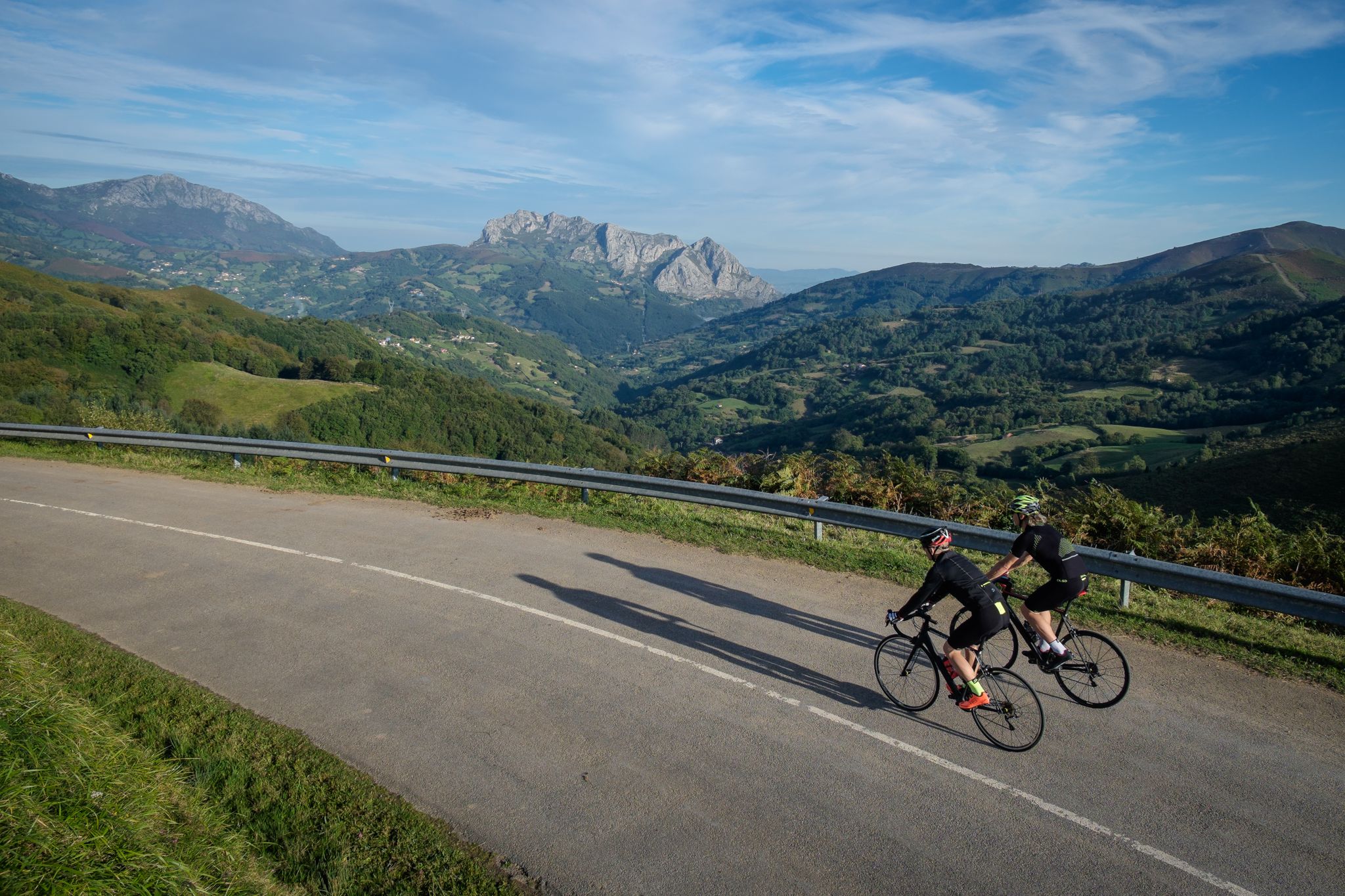
Explore Spain’s monuments and landscapes – cycle the Via de la Plata
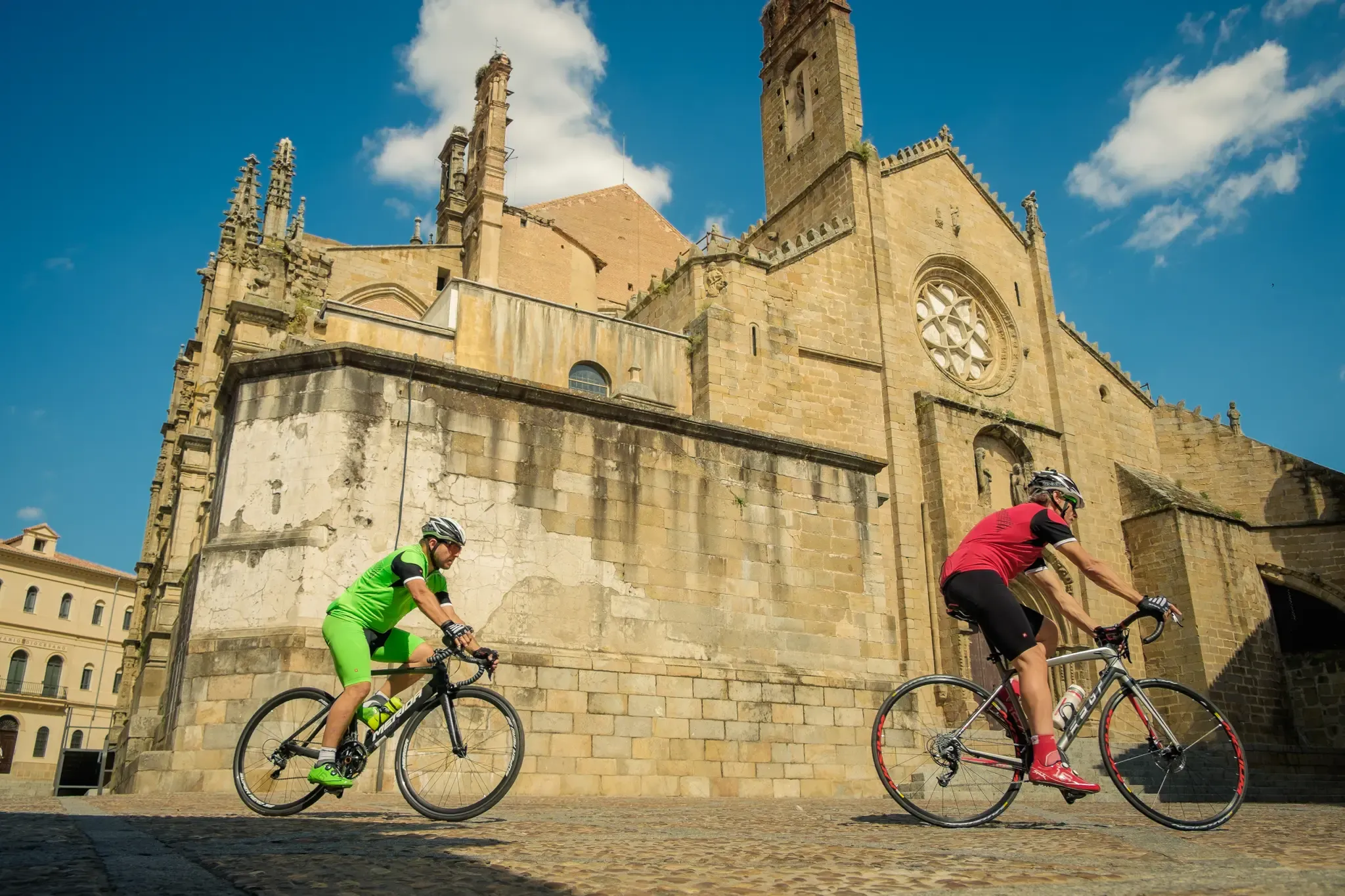
Vía de la Plata – from Seville to Gijón by bike
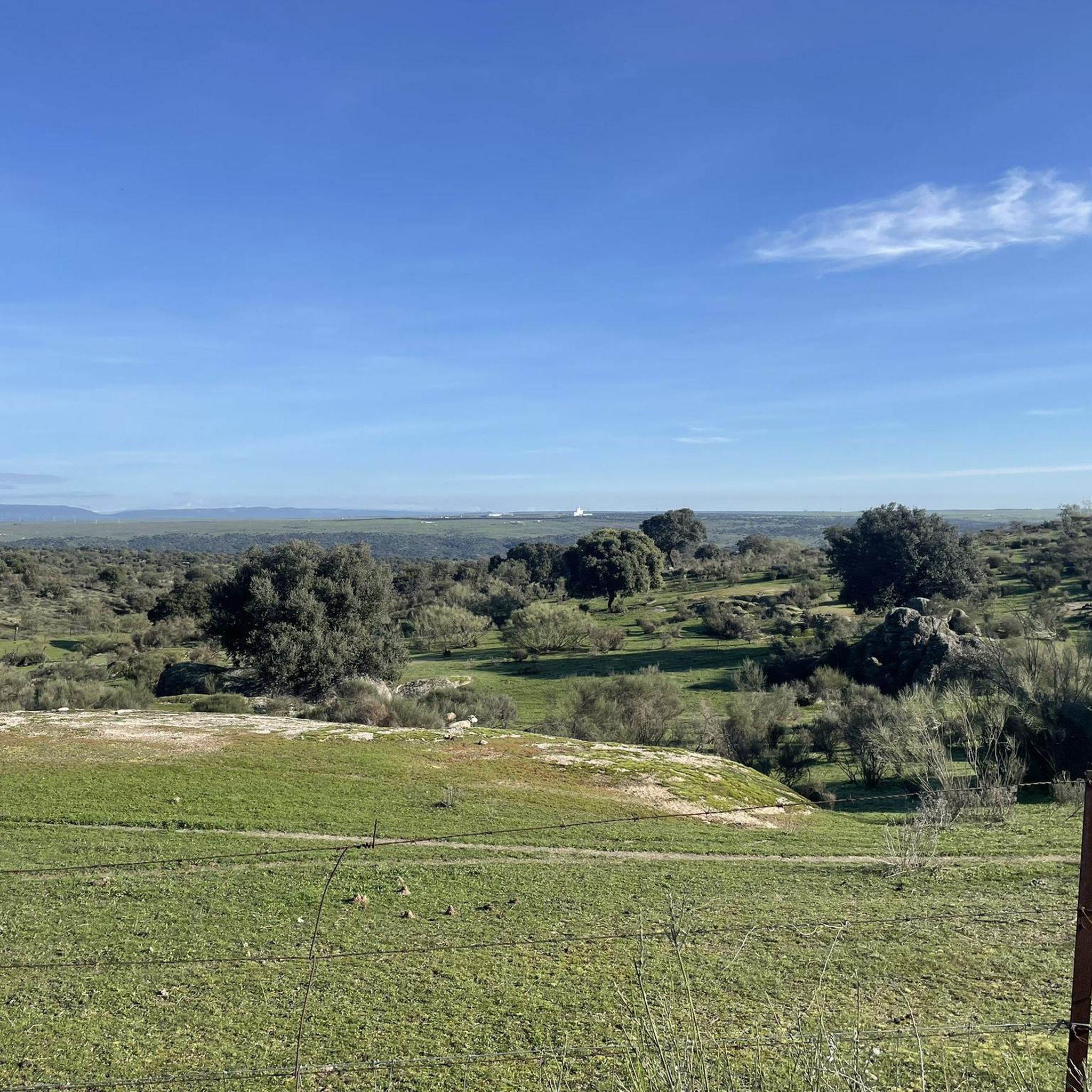
MTB Trails around Casar De Cáceres
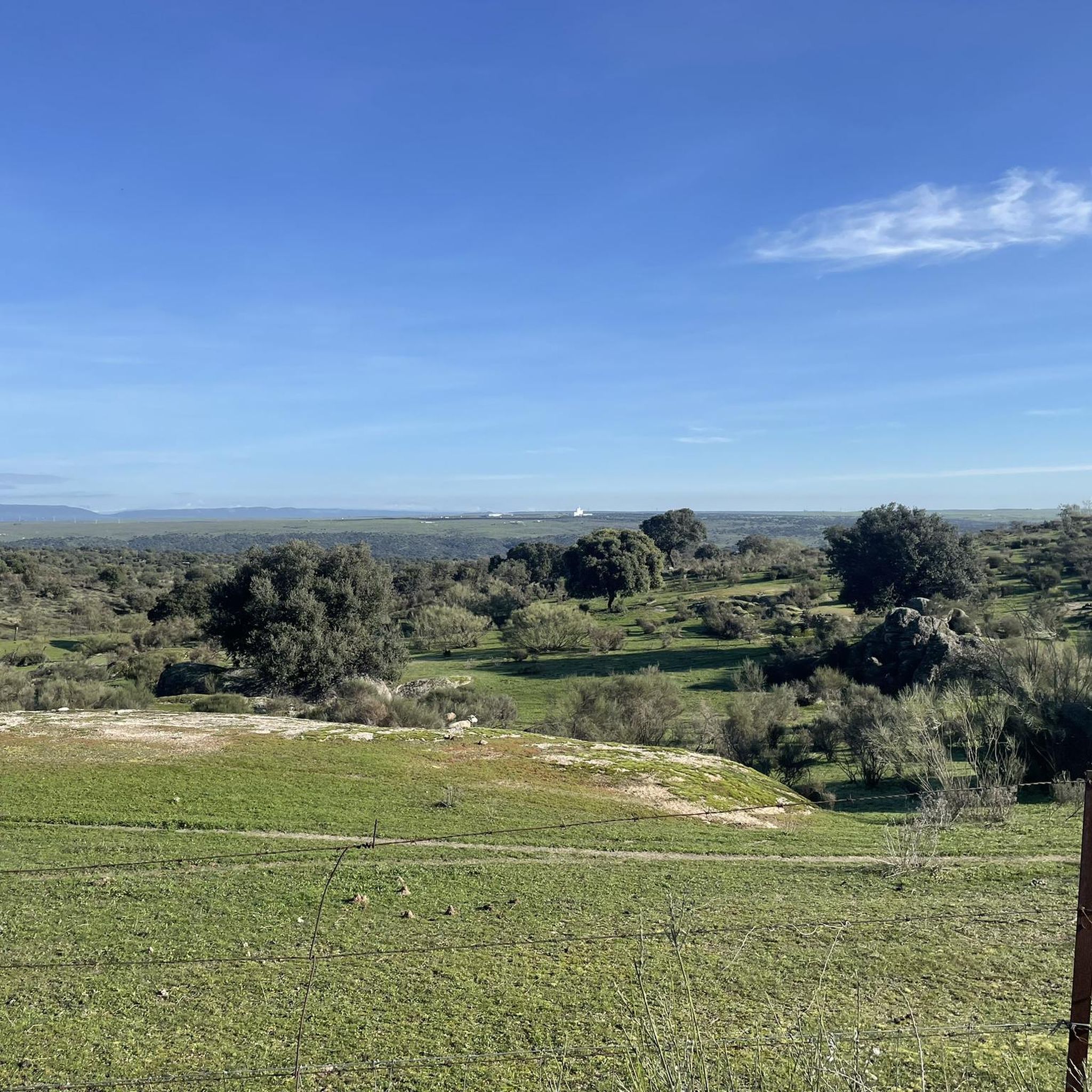
Running Trails around Casar De Cáceres
Road Cycling Routes around Casar De Cáceres
Cycling around Casar De Cáceres
Hiking around Casar De Cáceres

Gravel biking around Casar De Cáceres


Tips from the Community

This 16th-century building, with its simple rectangular nave and the absence of an apse, is a small structure that was renovated in the 18th century. The oldest preserved document of the brotherhood dates from 1578.
11
1
Small museum. With extremely friendly staff, free admission.
3
0

The historic center of Cáceres, declared a UNESCO World Heritage Site, is one of the most impressive monumental complexes in Spain. Walking through its cobbled streets is like traveling to the Middle Ages, thanks to its excellent state of preservation and the absence of modern buildings that alter its aesthetics.
14
1
In 2011, the redevelopment and remodeling works of the Plaza Mayor were completed, led by architects Antonino Antequera, Francisco Pol Méndez and Asunción Rodríguez Montejano. The project included the creation of several spaces, such as the Summer Plaza, a shady place with trees and fountains; the Winter Square, flanked by a fountain wall and a continuous stone bench; the new Music Forum, in the Balbos Forum, next to the Town Hall, for chamber concerts; and a large central free space for events, whose pavement formally recalls the vernacular Cáceres brick vault, and which has water fountains to combat the summer heat. If you visit Cáceres, you cannot miss exploring this emblematic Plaza Mayor and admiring its rich history and architecture.
9
0
Being able to walk anywhere through its narrow cobbled streets is like traveling to another era. You will be surrounded by mansions, Renaissance palaces and churches crowned with stork nests and you will understand why Cáceres is a World Heritage City. Prepare your camera to photograph one of the most beautiful historic centers in Spain.
14
1
It is presided over by the Town Hall built in 1869 by Ignacio María de Michelena. In it you can see such emblematic monuments as the Torre de la Hierba, the Torre de los Púlpitos and especially the Torre de Bujaco next to the Hermitage of Peace.
33
0

This hermitage, located at the northern end of the town, is part of the Ruta de la Plata, also known as the Camino de las Barcas. Although its origins date back to the 15th century and construction continued in subsequent centuries, a renovation had to be carried out in the 60s of the 20th century given the poor condition it was in.
3
1
The interior has a rectangular plan with three naves, with pointed arches and ribbed vaults. Its altarpiece stands out, from the 16th century, made of cedar and pine without polychrome dedicated to the Assumption of the Virgin, made by Roque Balduque and Guillén Ferrant. Also worth highlighting is the Carvajal chapel, with a baroque altarpiece with Saint Michael the Archangel, and the Black Christ chapel, whose image is the protagonist of one of the most important processions of Holy Week in Caceres.
29
1
Frequently Asked Questions
What historical and cultural sites can I explore in Casar de Cáceres?
Casar de Cáceres offers a rich historical tapestry. You can visit the 16th-century Iglesia de Nuestra Señora de la Asunción, known for its altarpiece, or the historic Casa del Pósito near Plaza de España. The Ermita de Santiago is also significant, having served pilgrims on the Ruta de la Plata. Beyond the town, the nearby Historic Centre of Cáceres, a UNESCO World Heritage Site, offers a journey back to the Middle Ages with its cobblestone streets, mansions, and palaces.
Are there any natural attractions or places for birdwatching in the area?
Yes, Casar de Cáceres is home to several natural spots perfect for birdwatching. The Laguna del Casar and Charca del Casar are wetlands integrated into the urban landscape, attracting various bird species like cranes, storks, and herons throughout the year. The Pantano Nuevo del Casar (New Reservoir) also provides rural paths ideal for observing local wildlife.
What outdoor activities, like hiking or cycling, are available near Casar de Cáceres?
The natural surroundings of Casar de Cáceres, characterized by holm oaks and Mediterranean scrub, are excellent for outdoor activities. You can find numerous routes for hiking and mountain biking, including sections of the ancient Vía de la Plata and trails around the reservoirs. For more detailed routes, you can explore the Hiking around Casar De Cáceres, MTB Trails around Casar De Cáceres, and Road Cycling Routes around Casar De Cáceres guides.
Can I find family-friendly attractions around Casar de Cáceres?
Many attractions in the vicinity are suitable for families. The Co-Cathedral of Santa María and the Historic Centre of Cáceres are both listed as family-friendly, offering engaging historical experiences. Additionally, the Cáceres Main Square is a vibrant central point for all ages, and the Cáceres Museum and Cistern provides an interesting educational outing.
What is the significance of the Vía de la Plata in Casar de Cáceres?
The Vía de la Plata, an ancient Roman road connecting Mérida to Astorga, played a crucial role in the development of Casar de Cáceres. The town was an obligatory stop for pilgrims using the Camino Mozárabe and Vía de la Plata on their journey to Santiago de Compostela. Remnants of this historic route can still be found traversing the town, and the Ermita de Santiago historically offered refuge to these pilgrims.
Where can I learn about the local gastronomy, specifically the famous Torta del Casar cheese?
To delve into the local culinary heritage, visit the Cheese Museum (Museo del Queso) in Casar de Cáceres. This museum is dedicated to the region's renowned Torta del Casar, a protected designation of origin cheese made from sheep's milk, offering insights into its production and history.
Are there any accessible attractions for visitors with mobility needs?
The Cáceres Main Square is noted as wheelchair accessible, making it a good starting point for exploring the city's historical core. While specific accessibility details for all sites in Casar de Cáceres may vary, central public spaces often offer better access.
What is the best time of year to visit Casar de Cáceres for outdoor activities?
The natural surroundings of Casar de Cáceres are suitable for outdoor activities throughout much of the year. For hiking and mountain biking, spring and autumn generally offer the most pleasant temperatures. Birdwatching at the wetlands is rewarding year-round, with different species present depending on the season.
What unique architectural sites can be found in Casar de Cáceres?
Beyond its historical churches, Casar de Cáceres features some notable architectural pieces. The Bus Station Justo García Rubio is recognized as an unexpected contemporary architectural highlight in the town. The Casa del Pósito, with its distinctive 16th-century granite façade, also stands out as a significant example of the town's heritage architecture.
Is there a place to learn about the historical transhumance routes in the region?
Yes, the Transhumance Routes Interpretation Centre in Casar de Cáceres provides detailed information about the historical transhumance routes that passed through the area. This offers a fascinating look into the traditional movement of livestock and its impact on the region's culture and landscape.
What is the Los Barruecos Natural Monument, and how close is it to Casar de Cáceres?
The Los Barruecos Natural Monument, famous for its unique granite rock formations and as a filming location for *Game of Thrones*, is a significant natural attraction located in the vicinity of Casar de Cáceres, primarily in Malpartida de Cáceres. It also features archaeological remains and the Vostell Malpartida Museum of Contemporary Art, offering a blend of nature, history, and art.
Most popular routes around Casar De Cáceres
Most popular attractions around Casar De Cáceres

Get inspired with the komoot mobile app


Explore more
Still not found the Highlight you’re looking for? See guides of the top attractions in other regions:
