Attractions and Places To See around Ezcabarte - Top 20
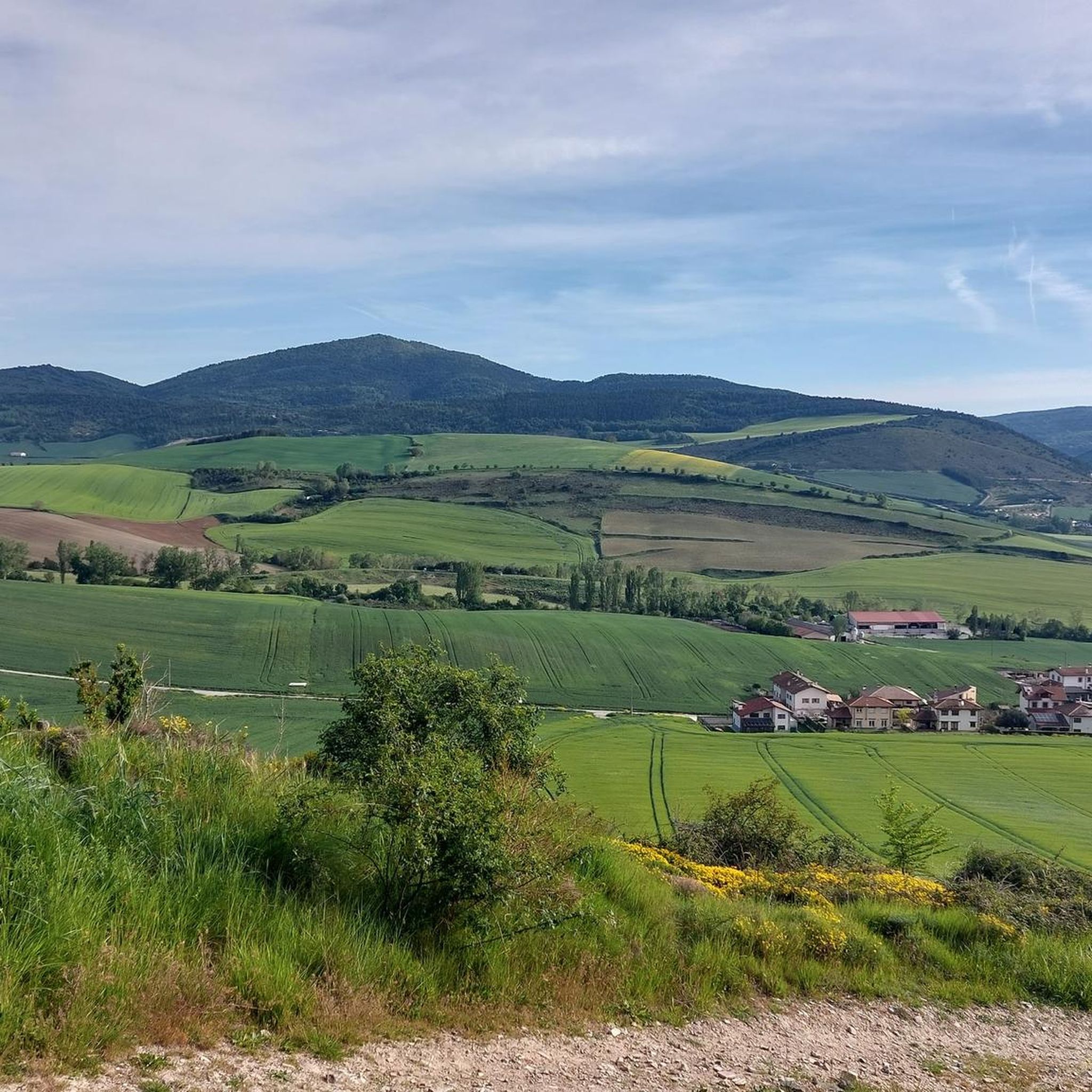
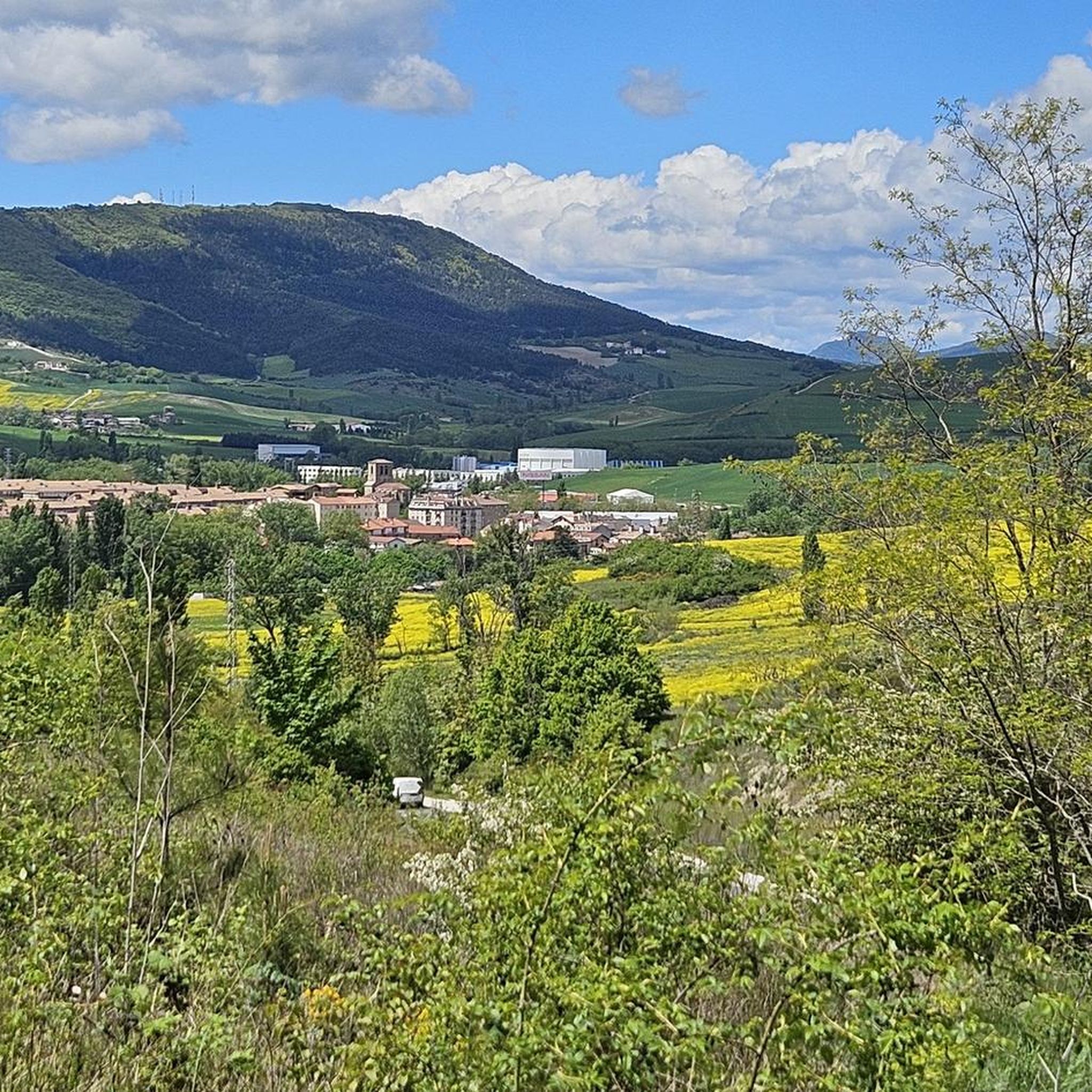
Best attractions and places to see around Ezcabarte include a blend of historical and cultural sites, alongside natural landscapes. This municipality in Navarra, Spain, offers points of interest ranging from ancient bridges to significant churches. The area is also recognized for its natural potential, with features like Monte Ezkaba and the Arga River, providing diverse landmarks and natural attractions Ezcabarte.
Best attractions and places to see around Ezcabarte
- The most popular attractions is Rabies Bridge, a bridge that is…
Last updated: August 16, 2026
Rabies Bridge
Highlight • Bridge
Translated by Google •
Tip by

Pamplona
Highlight • Historical Site
Translated by Google •
Tip by

Sign up now to discover places like this
Get recommendations on the best single tracks, peaks, & plenty of other exciting outdoor places.
Sign up for free
Portal de Francia
Highlight • Monument
Translated by Google •
Tip by
Gazebo in Plaza del Castillo
Highlight • Monument
Translated by Google •
Tip by

Magdalena Bridge
Highlight • Bridge
Tip by

Sign up for free to discover even more attractions around Ezcabarte.
Sign up for free
Already have an account?
Start today with a free account
Your next adventure awaits.
Login or Signup
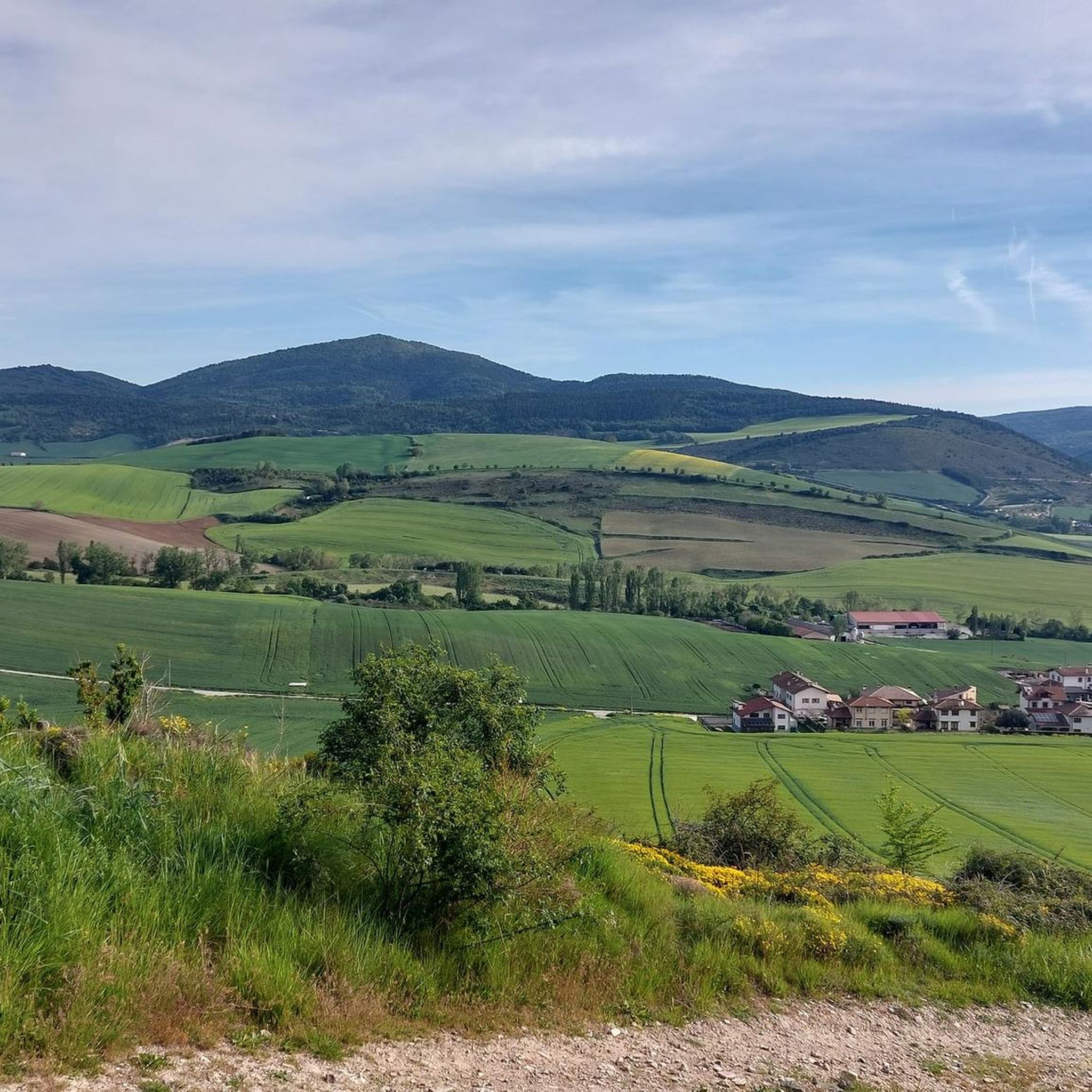
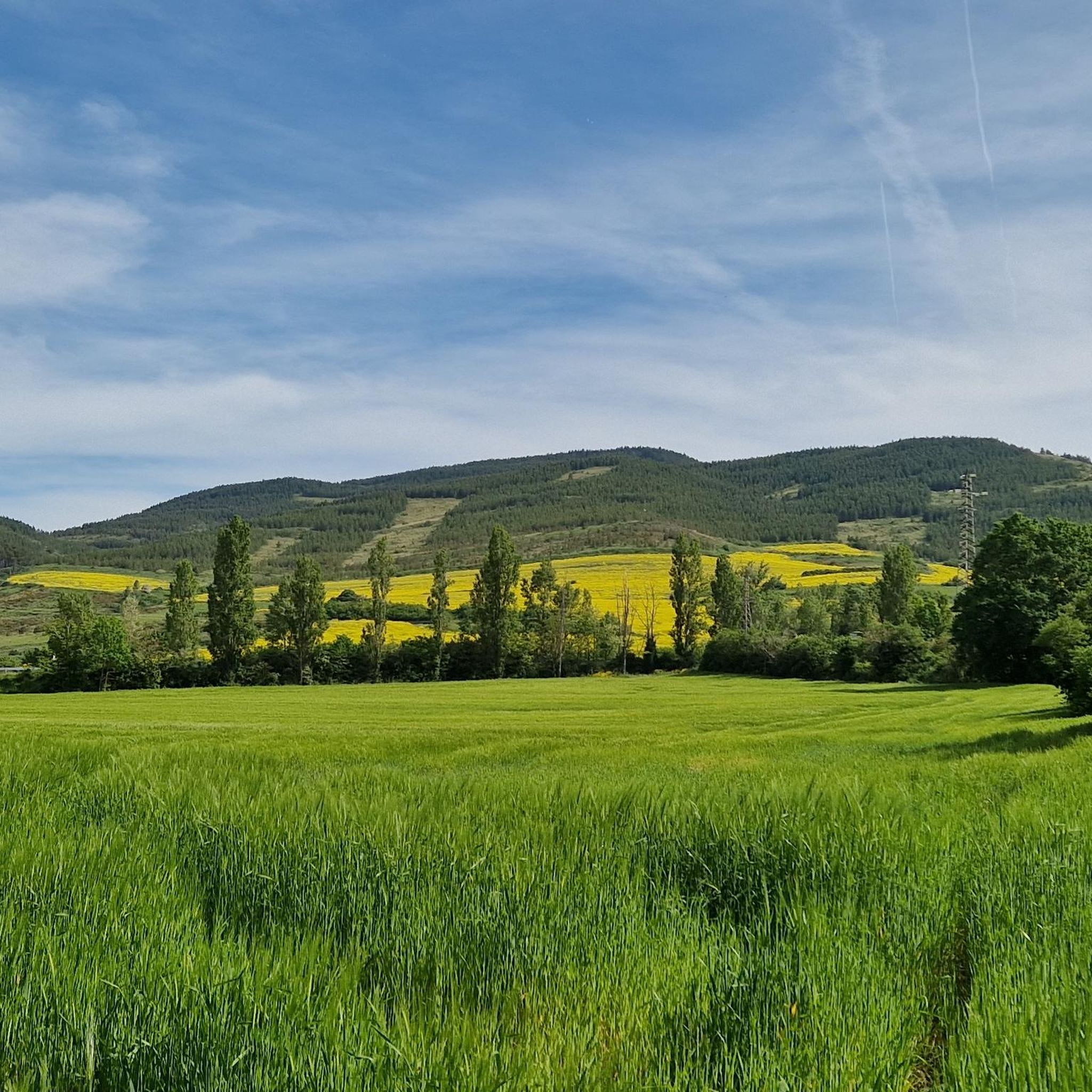
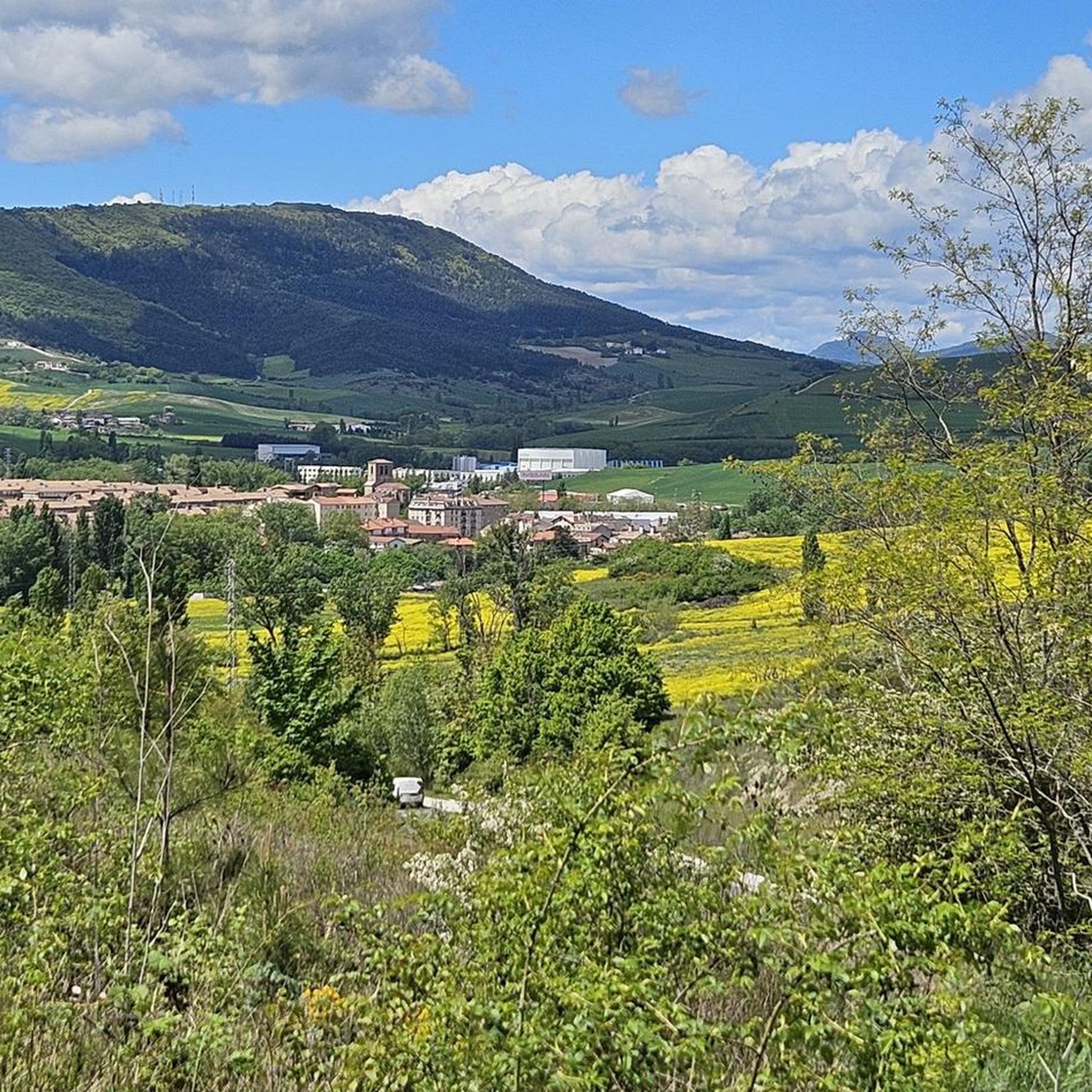
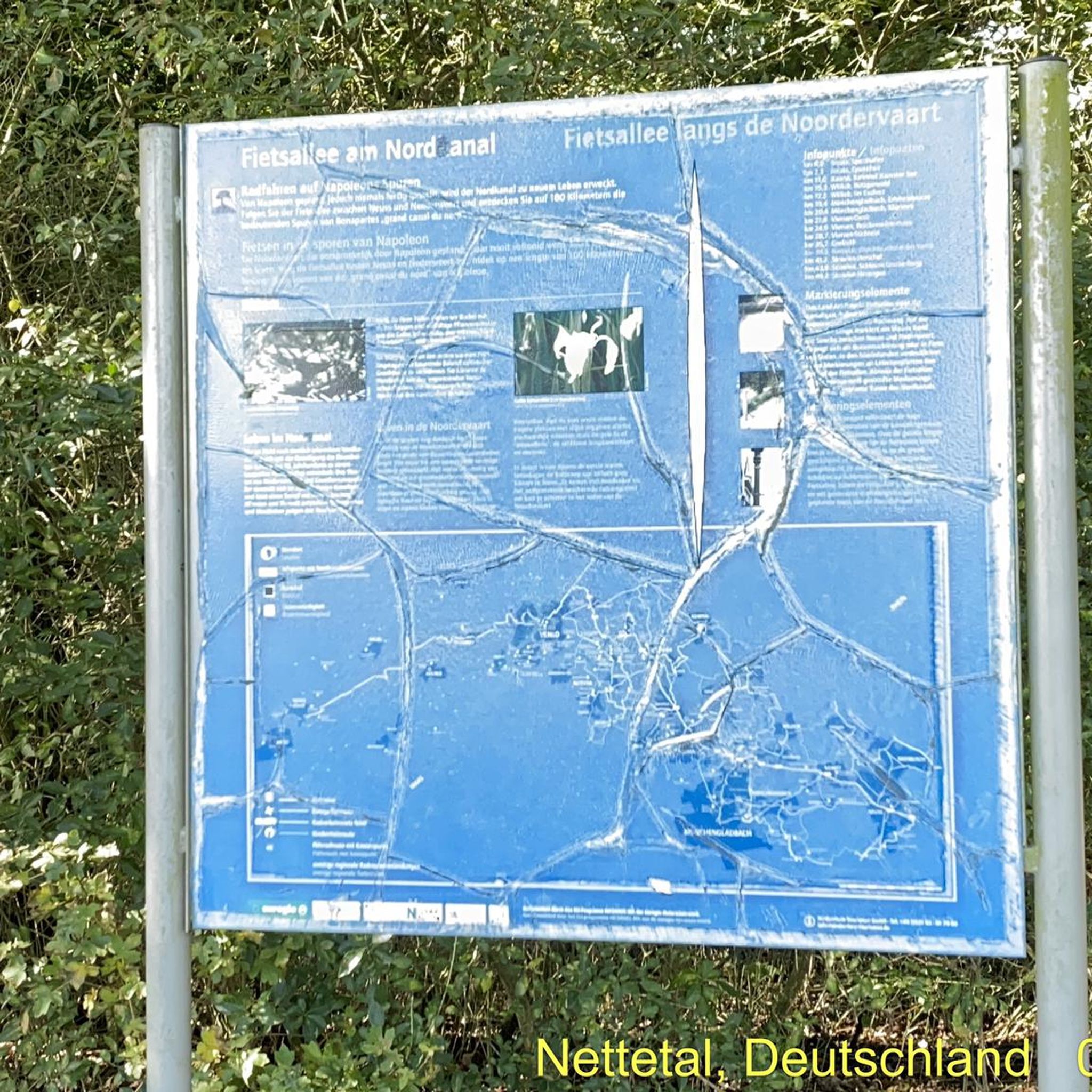
Tips from the Community

In the Pamplona bull run, young men in particular risk their health and sometimes their lives. Despite protests from animal rights activists, the "Sanfermines" festival attracts millions of visitors every year. Around 6,000 bulls are said to have died in the arena in the past 100 years. Since 1911, a total of 16 deaths have been linked to the Pamplona bull runs and fights.
2
1

The centre of the ''Plaza do Castillo'' has been occupied since 28 June 1943 by an 18-metre-high bandstand raised on a stepped drum and whose dome is supported by Ionic columns. Previously, there was a wooden one that replaced the Beneficencia fountain in 1910, the work of Luis Paret, known in Pamplona as "La Mariblanca", which currently adorns the city's Taconera gardens.
1
0

Beautiful charming and ancient bridge over which the Santiago de Compostela trail passes.
0
0
Beautifully restored city gate through which all Santiago de Compostela walkers pass. Even the mechanism to open and close the gate is still there (with counterweights).
1
0

An almost authentic pilgrimage on the Frances, because this is where streams of pilgrims came to the city in the Middle Ages. One of the impressive walls of the fortified city and here you can also see the silver Bicigrino symbols embedded in the ground that lead to the exit: a great feature!
2
0

Imagine yourself on a horse and living in the Middle Ages... entering this gate... what will happen to you?
2
0

Although this is the most populous city on the Camino de Santiago, crossing it is relatively pleasant. We enter the Old Town directly, are led through it to the Citadel Park, and quickly leave the city after a short stretch through the Neustadt.
3
0

Completion of the 2nd stage on the Camino Francés
0
0
Frequently Asked Questions
What historical and cultural sites can I explore in Ezcabarte?
Ezcabarte is rich in history. You can visit the Romanesque Basilica of La Trinidad in Arre, dating back to the 12th or 13th century, and the 20th-century neo-Gothic Church of San Andrés Apóstol in Sorauren, which has a medieval stone bridge nearby. Other notable Romanesque churches include San Esteban in Eusa, San Lorenzo in Azoz, and San Román in Arre. Don't miss the medieval Rabies Bridge, a 12th-century stone structure crossing the Arga River, which is also part of the Camino Frances pilgrimage route.
What natural features and viewpoints can I find in Ezcabarte?
The area offers significant natural beauty. Monte Ezkaba is known for its regenerating pubescent oak forests, large holm oaks, and diverse shrubland, offering potential for scenic viewpoints. The Arga River flows through or near the municipality, contributing to the natural environment. The region's diverse vegetation also supports a variety of wildlife.
Are there family-friendly attractions around Ezcabarte?
Yes, several attractions are suitable for families. The medieval Rabies Bridge is a fascinating historical site for all ages. In nearby Pamplona, the Pamplona Cathedral and the Citadel, as well as the Portal de Francia, offer engaging historical experiences. The Gazebo in Plaza del Castillo in Pamplona is also a popular spot for families to relax and enjoy the city's atmosphere.
What outdoor activities can I do near these attractions?
Ezcabarte and its surroundings offer various outdoor activities. You can find numerous routes for running, hiking, and gravel biking. For example, there are running routes like the 'Monte Ezkaba Loop' and 'Wooden Bridge – Magdalena Bridge loop from Pamplona'. Hiking options include the 'Sorauren Stone Bridge – Sorauren loop from Arre' and the 'Trinidad de Arre Bridge loop from Arre'. Gravel biking enthusiasts can explore routes such as the 'Plazaola Greenway – Gulina Viaduct loop from Pamplona / Iruña'. You can find more details on these activities in the dedicated guides for running, hiking, and gravel biking around Ezcabarte.
Are there any accessible attractions for visitors with mobility needs?
In nearby Pamplona, the Gazebo in Plaza del Castillo is noted as wheelchair accessible, making it a comfortable spot for all visitors to enjoy the city's central square. While specific accessible trails within Ezcabarte itself are not detailed, many urban areas and main pathways in Pamplona are generally accessible.
What is the best time to visit Ezcabarte for sightseeing and outdoor activities?
Navarra, where Ezcabarte is located, experiences diverse climates. Generally, spring (April-June) and autumn (September-October) offer pleasant temperatures for exploring historical sites and engaging in outdoor activities like hiking and biking. Summer can be warm, especially in July and August, while winters are cooler. For specific weather forecasts, it's always best to check closer to your travel dates.
What are some significant landmarks in the broader Navarra region that are accessible from Ezcabarte?
While Ezcabarte has its own charm, its location in Navarra provides easy access to many regional highlights. The capital city of Pamplona is a major draw, featuring historic buildings like the Pamplona Cathedral and the Citadel, and the Portal de Francia. Other notable sites in Navarra include the Castle of Olite, the medieval town of Ujué, the semi-desert Bardenas Reales, and the Irati Forest, known for its epic hikes. The Camino de Santiago (French Way) also traverses the region.
Where can I find accommodation or places to eat near Ezcabarte?
Ezcabarte is a municipality with several small towns. While specific cafes, pubs, or accommodations within Ezcabarte are not detailed, the nearby city of Pamplona offers a wide range of options for dining and lodging, from traditional restaurants to modern hotels. Many smaller villages along the Camino de Santiago also provide pilgrim-friendly accommodations and eateries.
Are there any unique or 'hidden gem' attractions in Ezcabarte?
Beyond the well-known sites, the charm of Ezcabarte lies in its rural Romanesque churches, such as the Church of San Esteban in Eusa with its preserved portico, or the Church of San Lorenzo in Azoz housing late 16th-century altarpieces. These smaller, less-frequented churches offer a glimpse into the region's architectural heritage and a peaceful experience away from larger crowds.
What do visitors enjoy most about the attractions around Ezcabarte?
Visitors appreciate the blend of historical significance and natural beauty. The medieval Rabies Bridge is often highlighted for its history and its role on the Camino Frances. In Pamplona, the Plaza del Castillo is loved as the 'living room' of the city, offering a vibrant atmosphere with many bars and terraces. The historical depth of sites like the Portal de Francia also captivates visitors, allowing them to imagine life in medieval times.
Is public transport available to reach attractions in Ezcabarte and nearby Pamplona?
Public transport options are available, particularly for reaching Pamplona from Ezcabarte and for navigating within Pamplona itself. Local bus services connect the smaller towns within Ezcabarte to Pamplona. For specific routes and schedules to trailheads or attractions, it's advisable to check local transport information closer to your visit.
Most popular routes around Ezcabarte
Most popular attractions around Ezcabarte

Get inspired with the komoot mobile app


Explore more
Still not found the Highlight you’re looking for? See guides of the top attractions in other regions:
