Attractions and Places To See around La Llosa - Top 20
Attractions and places to see around La Llosa, a village in Castellón, include historical landmarks and natural landscapes. The region features cultural sites, peaceful beaches, and unique natural features. Visitors can explore ancient fortresses, historical aqueducts, and diverse wetlands. The area offers a variety of experiences, from cultural exploration to natural observation.
Best attractions and places to see around La Llosa
- The most popular attractions is Castro Castle, a castle that consists of the ruins of an ancient Arab…
Last updated: July 6, 2026
Castro Castle
Highlight • Castle
Translated by Google •
Tip by

Pic de la Font de Cabres
Highlight • Summit
Translated by Google •
Tip by

Sign up now to discover places like this
Get recommendations on the best single tracks, peaks, & plenty of other exciting outdoor places.
Sign up for free
L'Arquet of the Rambla
Highlight • Bridge
Translated by Google •
Tip by

XYZ Line Machine Gun Nest (La Creueta)
Highlight • Historical Site
The XYZ Line was constructed as a final defensive barrier preventing Franco's advance towards Valencia. Its construction meant a boost in morale for those fighting a …
Translated by Google •
Tip by
Marianet Pass
Highlight • Mountain Pass
It is an ideal section for warming up, it does not have …
Translated by Google •
Tip by
Sign up for free to discover even more attractions around La Llosa.
Sign up for free
Already have an account?
Start today with a free account
Your next adventure awaits.
Login or Signup
Tips from the Community

L'Arquet is an emblematic arch with a controversial origin (some say it is Roman and others, Arab). Through here the water was transported to the Molinet de Castro, which no longer exists, but was very close.
2
1

Fortress of La Creueta The XYZ Line was constructed as a final defensive barrier preventing Franco's advance towards Valencia. Its construction meant a boost in morale for those fighting a few kilometers away and a moral duty for those who fortified the fortress while their comrades lost their lives in the trenches on the front line of fire. Although it was caught in time, it largely achieved its objective, being crucial to the defense during the Battle of the Levante and preventing the fighting from reaching the lines closest to Valencia. This resistance is now viewed by many historians as a defensive victory.
10
0

After the Reconquista, many castles in the region were modified or rebuilt to adapt to Christian styles and needs.
7
0
The Castro Castle, an Arab fortress with an impressive watchtower at a height of about 780 m, was a fundamental bastion of the Moorish resistance at the time of their expulsion. It was taken by the Duke of Segorbe and General Cavanilles after the Castillo de Aín had also fallen. It was also used in the Carlist Wars. The castle covers an area of about 2,000 m2, where two parts can be distinguished: the "Albacar", a fortified refuge for the inhabitants of the towns dependent on the fortress; and on the other side, the castle itself, which presided surrounded by a large keep that was demolished in 1938 during the Civil War. The views are impressively beautiful.
9
0
The path leads us along the red rocks to the Pic de la Font de Cabres. Sure-footedness and a head for heights are required.
6
0
L'Arquet is an arch of disputed origin (some sources date it back to Roman times, while others attribute it to the Arab people) through which water was channeled from a pond at the entrance to the ravine to transport it to the Molinet de Castro, a flour mill downstream, currently disappeared, on the other side of the Belcaire river. This symbol of the town is part of a series of arches and bridges visible along the river. It indicates the great importance of the irrigation systems for the economy of Alfondeguilla.
7
0

Place with unbeatable views of the Castellón plain.
0
1

XYZ line machine gun nest. Defensive belt built by the army of the Republic in 1938 in order to stop the advance of the coup troops towards Valencia
2
0
Frequently Asked Questions
What historical sites can I explore in La Llosa?
La Llosa offers several historical sites. You can visit the ruins of Castro Castle, an ancient Arab fortress with an impressive watchtower that played a significant role in historical conflicts and offers panoramic views. Another notable site is L'Arquet of the Rambla, an emblematic arch of disputed Roman or Arab origin that once channeled water to an old flour mill. Additionally, the 17th-century El Salvador Parish Church in the village center showcases Gothic and Baroque architectural styles. For more recent history, explore the Spanish Civil War fortifications like the XYZ Line Machine Gun Nest (La Creueta) and the Baix de La Cova Fortress.
Where can I find natural viewpoints with scenic views around La Llosa?
For breathtaking panoramic views, head to Pic de la Font de Cabres. From its 570 meters above sea level, you can see the coast, the valleys of La Plana Baixa, and even the province of Valencia in the distance. The ruins of Castro Castle also provide incredible mountain vistas. The Baix de La Cova Fortress, a historical site, also offers a good vantage point.
Are there any beaches or wetlands for nature lovers in La Llosa?
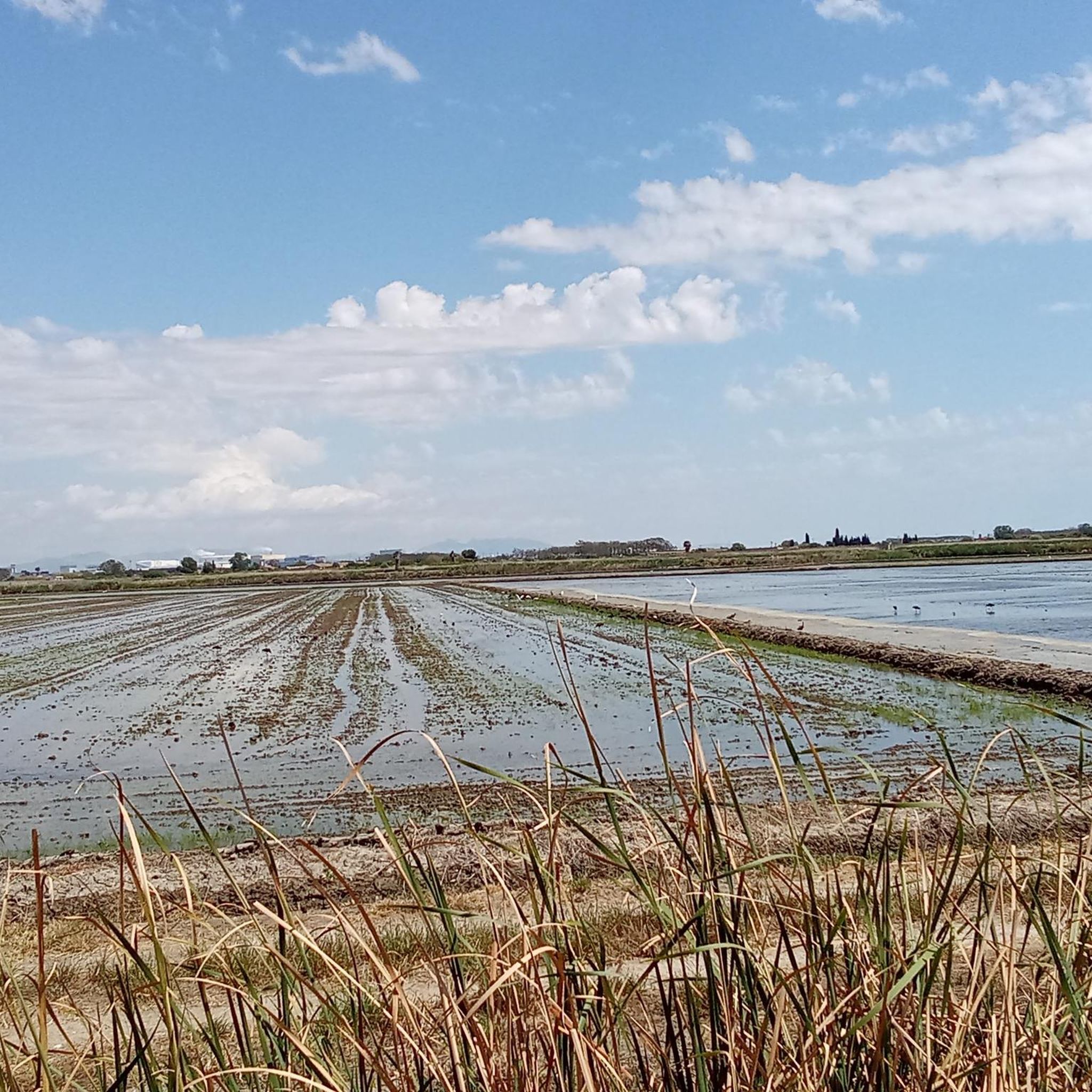
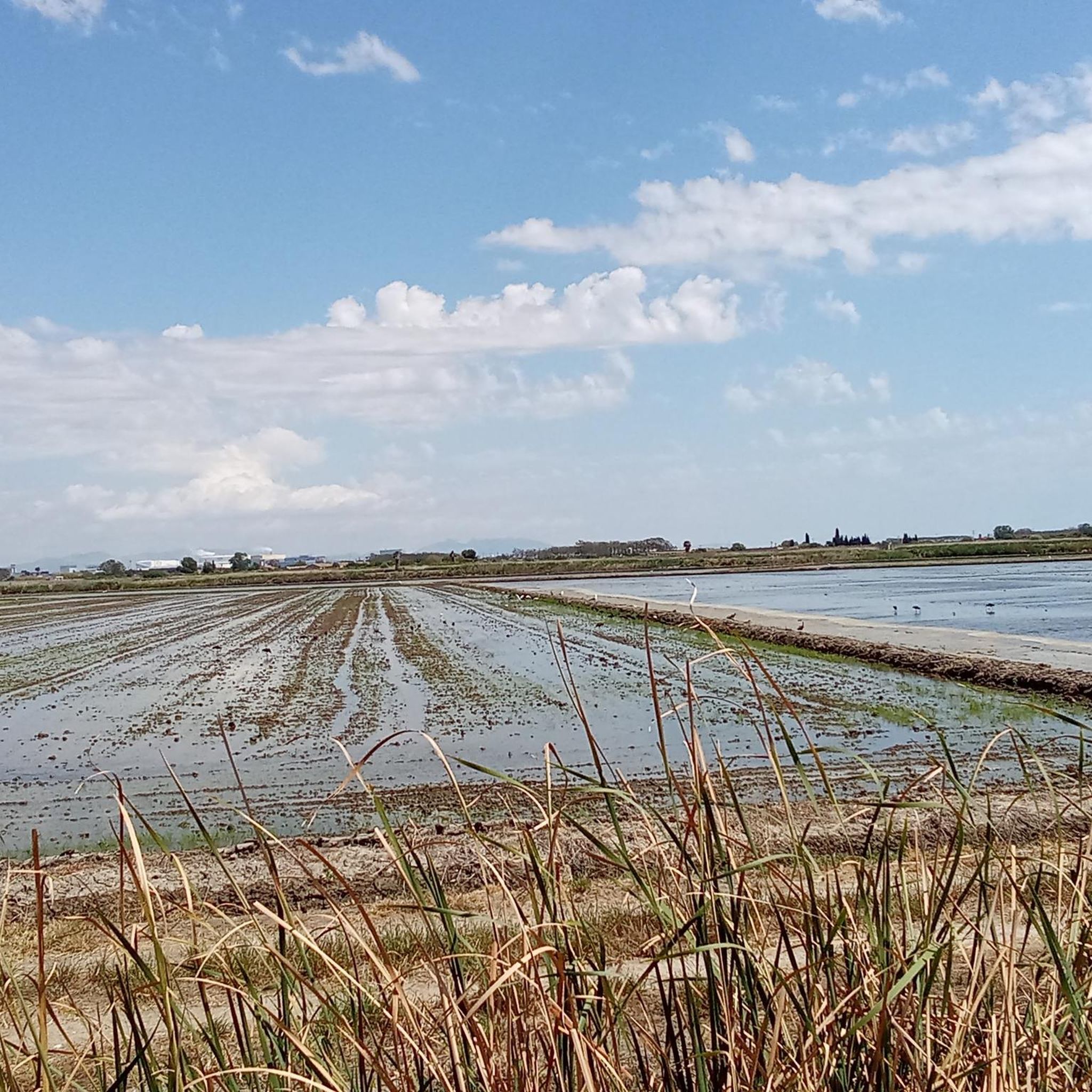
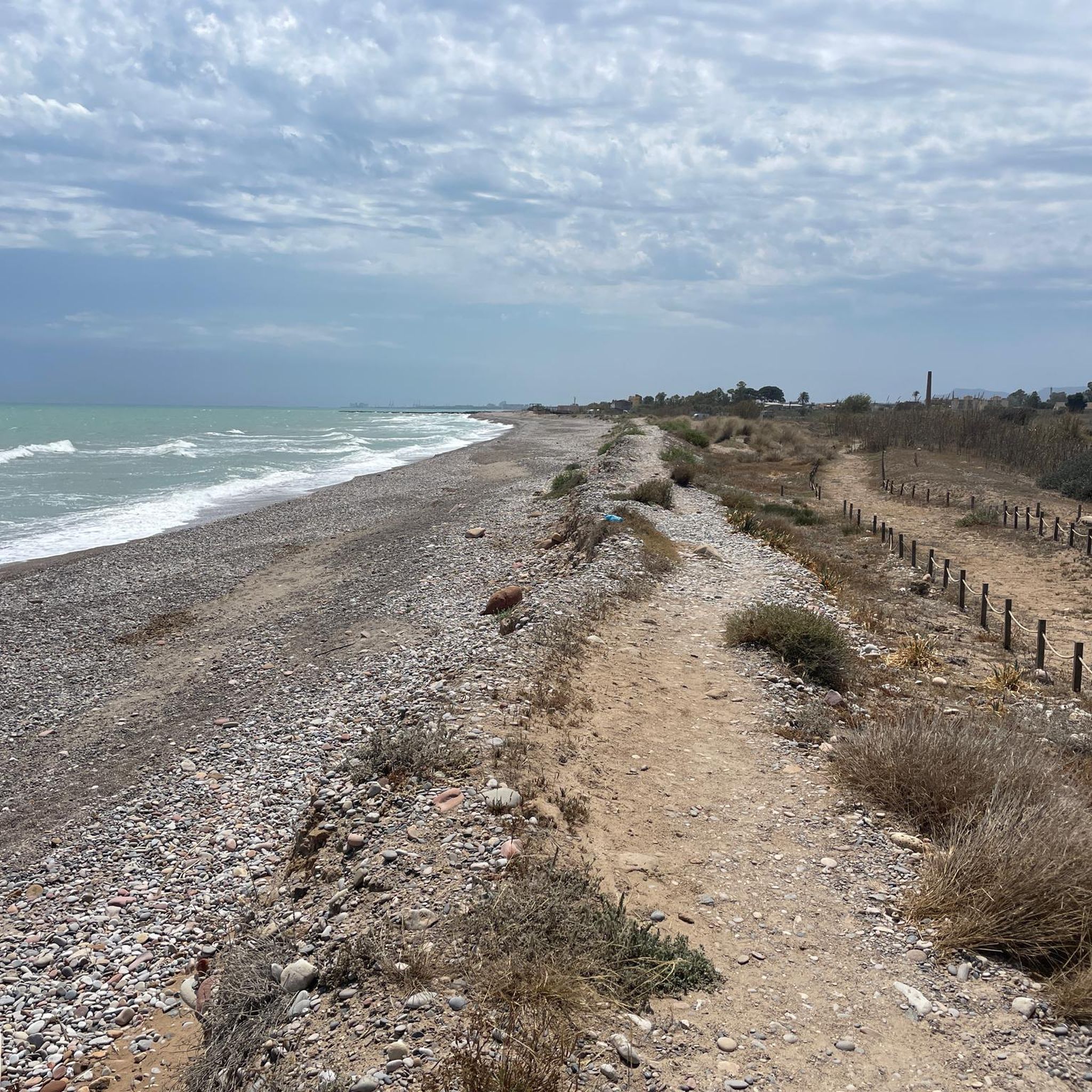
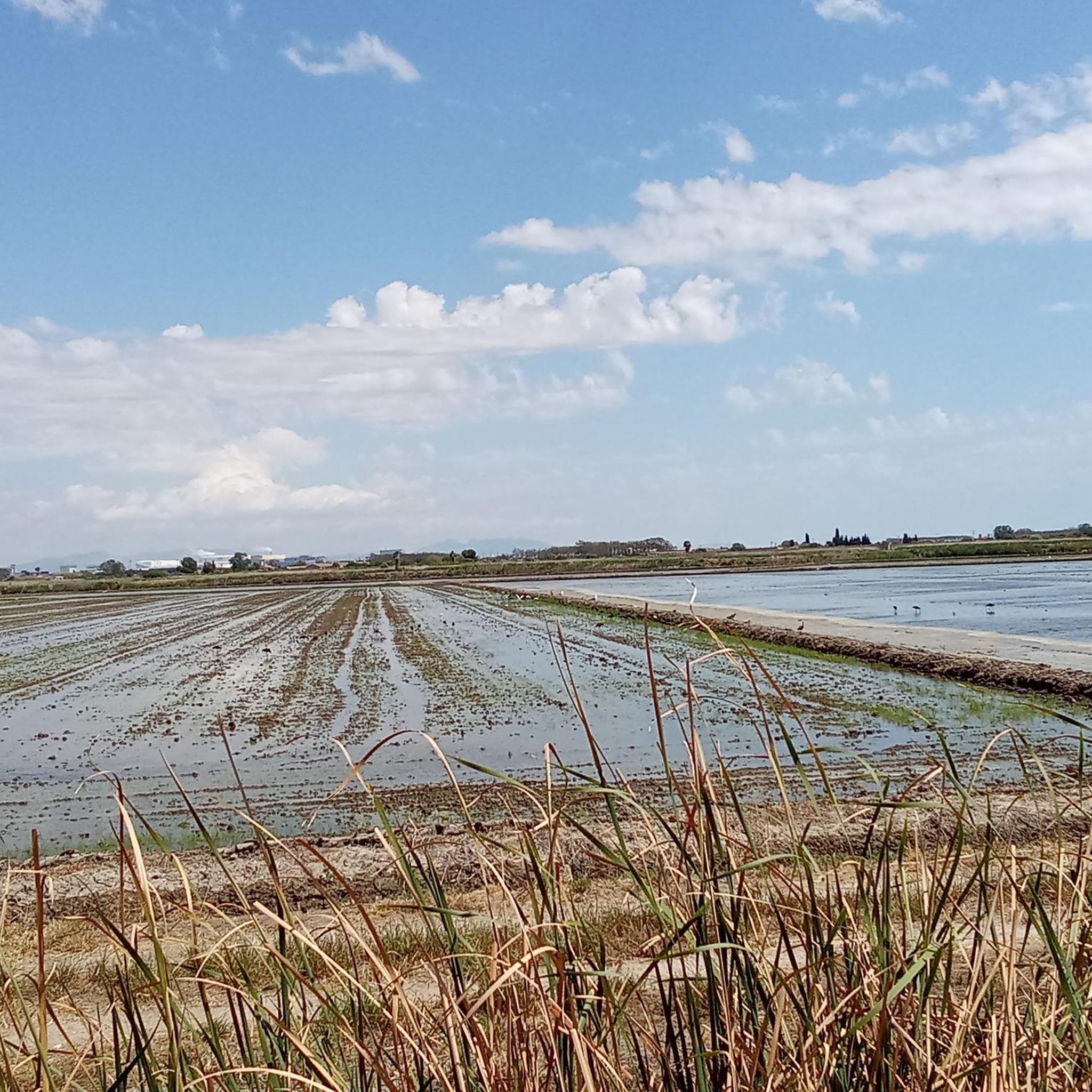
Yes, La Llosa Beach provides a tranquil escape with calm waters and rich vegetation, accessible via a wooden boardwalk, ideal for peaceful relaxation. For wetland exploration, Els Pouets, situated between La Llosa and Chilches, is characterized by natural springs (ullals) and is an excellent spot for birdwatching and observing aquatic plants. The La Marjal Wetland, located between the town and the sea, also boasts rich vegetation and is a habitat for various aquatic birds.
What outdoor activities can I do near these attractions?
The area around La Llosa is excellent for various outdoor activities. You can find numerous cycling routes, including road cycling options like the 'View of Sagunto Castle – Valencian farmland landscape loop' or more challenging routes like the 'Coll d’Aín – Aín Village loop'. For general cycling, explore routes such as the 'Playa de Canet d'en Berenguer – Rice fields loop'. There are also running trails, including loops from La Llosa itself or around Marjal i Estany d'Almenara. You can find more details on these activities in the Road Cycling Routes around La Llosa, Cycling around La Llosa, and Running Trails around La Llosa guides.
Are there challenging hikes in the La Llosa area?
Yes, for those seeking a challenge, the route to Pic de la Font de Cabres is a rewarding option. While mostly picturesque, the final section becomes more challenging, with chains and ropes assisting climbers on the rock face to reach the summit. Sure-footedness and a head for heights are recommended.
Where can I go birdwatching in La Llosa?
The wetlands around La Llosa are excellent for birdwatching. Els Pouets, with its natural springs, is a prime location to observe various aquatic birds and plants. The La Marjal Wetland, situated between the town and the sea, also provides a rich habitat for diverse bird species.
Are there family-friendly activities or places for children in La Llosa?
Yes, La Fonteta, located within the Carcau nature area, is a great spot for families. It features the ruins of an old mill and has been developed into a park with children's play areas and cooking stations, perfect for outdoor activities like cooking paella. The calm waters of La Llosa Beach also offer a safe and enjoyable environment for families.
What are some unique natural features to see in La Llosa?
Beyond the wetlands, La Llosa boasts Font Redona (also known as Font de La Llosa), a natural spring that historically irrigated local orchards and is a symbol of the town. The region's diverse landscape also includes the red rocks leading to Pic de la Font de Cabres, offering a unique geological experience.
What do visitors enjoy most about the attractions around La Llosa?
Visitors particularly enjoy the impressive panoramic views from sites like Castro Castle and Pic de la Font de Cabres, often describing them as a rewarding experience after the climb. The historical significance of the Arab fortress and the ancient irrigation systems represented by L'Arquet of the Rambla are also highly appreciated. The blend of historical exploration and natural beauty, from serene beaches to challenging summits, makes the area appealing.
Is there a Roman Villa named La Llosa in the area?
While there is a significant archaeological site known as the Roman Villa of La Llosa, it is important to note that it is located in Cambrils, Tarragona, not in La Llosa, Castellón. This Roman villa features remains from the 1st to 6th centuries AD and is part of the Cambrils History Museum, offering insights into ancient life in Tarraco.
Are there any easy walks or trails suitable for beginners in La Llosa?
Yes, the Carcau nature area, home to La Fonteta, offers developed park areas that are suitable for leisurely strolls and family walks. The wooden boardwalk along La Llosa Beach also provides an easy and accessible path for a peaceful walk by the sea. The wetland areas like Els Pouets and La Marjal, while great for birdwatching, often have relatively flat terrain suitable for easy exploration.
Most popular routes around La Llosa
Most popular attractions around La Llosa

Get inspired with the komoot mobile app


Explore more
Still not found the Highlight you’re looking for? See guides of the top attractions in other regions:
