The 13 Most Amazing Peaks around Santa Pau
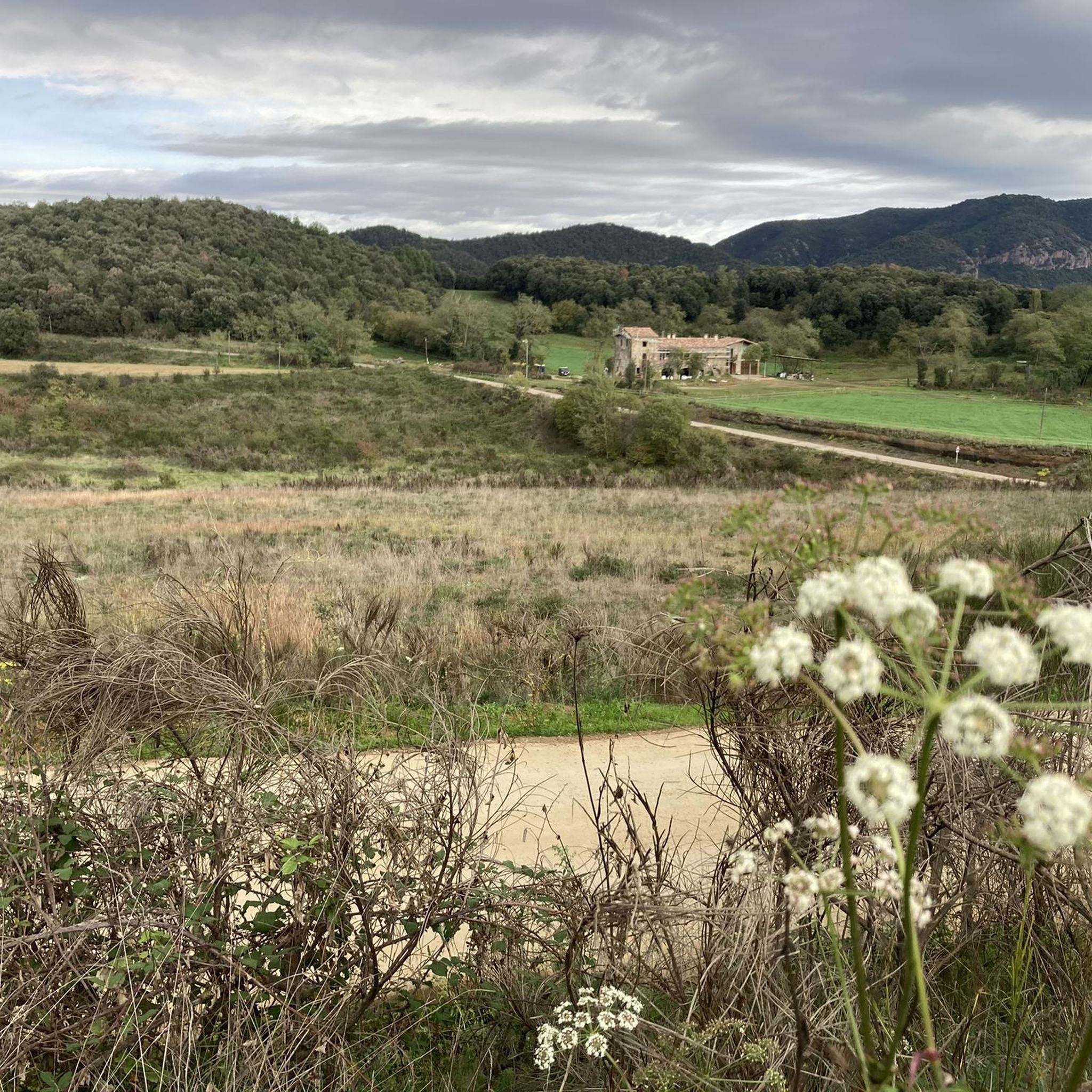
Best mountain peaks around Santa Pau are characterized by the unique landscape of the Garrotxa Volcanic Zone Natural Park. This region features over 40 extinct volcanic cones and significant mountain ranges, offering distinct geological formations. The area provides diverse hiking opportunities through ancient lava flows and lush forests. Santa Pau is situated amidst these natural features, contributing to its topography.
Best mountain peaks around Santa Pau
- The most popular mountain peaks is Puigsacalm, a summit that is the highest…
Last updated: June 24, 2026
Puigsacalm
Highlight • Summit
Translated by Google •
Tip by

Santa Bàrbara de Pruneres
Highlight • Religious Site
Translated by Google •
Tip by

Sign up now to discover places like this
Get recommendations on the best single tracks, peaks, & plenty of other exciting outdoor places.
Sign up for free
Montsacopa Volcano
Highlight • Volcano
Translated by Google •
Tip by

Rocacorba Climb
Highlight (Segment) • Climb
Tip by

Wolf Peak
Highlight • Summit
Translated by Google •
Tip by

Sign up for free to discover even more peaks around Santa Pau.
Sign up for free
Already have an account?
Start today with a free account
Your next adventure awaits.
Login or Signup

Tips from the Community

Perfect gravel climb to Rocacorba, allowing you to make a nice loop going back down the road. The road is asphalted until Biert then only the very steep parts are concreted to facilitate the climb.
2
0

At the beginning or end of this section, depending on the direction, in Mas Puig (already touching the road from Canet to Adri) for some time there has been a stationary caravan and some tables to drink or eat a snack contemplating the top of Rocacorba. Typical stop for cyclists, hikers and urbanites with hiking boots.
3
0

Volcà del Montsacopa is an extinct volcano that died out 100,000 years ago. Running here is not easy because it is steep uphill or downhill, but the views are worth it. The crater is full of rabbits (at least there were when I visited) in the late afternoon and there are many nice trails around it. There is a church and a tower there too. If you visit Olot it is an easy walk that you must do.
0
0

Neighboring mountain of Puigsacalm with a very characteristic shape that makes it attractive to climb. The views from the top, like those of Puigscalam, are a perfect viewpoint of the Garrotxa Volcanic Zone Natural Park.
0
0
Emblematic peak of 1514m located in the municipality of Vall d'en Bas. As the highest point of the Serralada Transversal, it is a perfect vantage point of the Garrotxa Volcanic Zone Natural Park. It is included in the list of the 100 summits of the FEEC.
0
0


It is a building dating from the twelfth or early thirteenth century, although it probably existed before an earlier church. The word Prunarias appears in a document from the year 966 as belonging to Sant Pere de Camprodon. The building is mentioned again in 1017. It seems that from shortly after 966 it belonged to the priory of Santa Maria del Coll de Panissars, a situation that must have been maintained until the beginning of the 17th century. In 1617 the church was joined to that of Sant Llorenç d'Oix. In 1661 there were 3 altars: the one of Santa Bàrbara, the one of Santa Caterina and the one of Sant Bartomeu. The church was damaged during the Civil War of 1936-39. The whole complex was completely restored between 1972-1979 by the Friends of Alta Garrotxa. Inside, different artistic pieces were kept, such as a tombstone representing the burial of a lady from the castle of Bestracà, which was damaged during the riots of 1936. Some of the fragments were deposited in the Museum of Olot by Dr. Joaquim Danès. Until the end of the 19th century, a Romanesque carving was venerated there, today deposited in the Museu d'Art de Catalunya, from the Plandiura collection. The fragments of an altarpiece representing the life of the saint are kept in the Parish Museum of Olot. From 1972 to 1981, restoration work was carried out, which meant that the building built on the nave during the 17th and 18th centuries was abandoned, as well as the one that turned the old belfry into a tower, rebuilt after a lightning strike. destroyed it in September 1978.
0
1

Spectacular views, from where you can see the peaks of the Pyrenees and the province of Barcelona
2
1
Frequently Asked Questions
What kind of mountain peaks can I expect to find around Santa Pau?
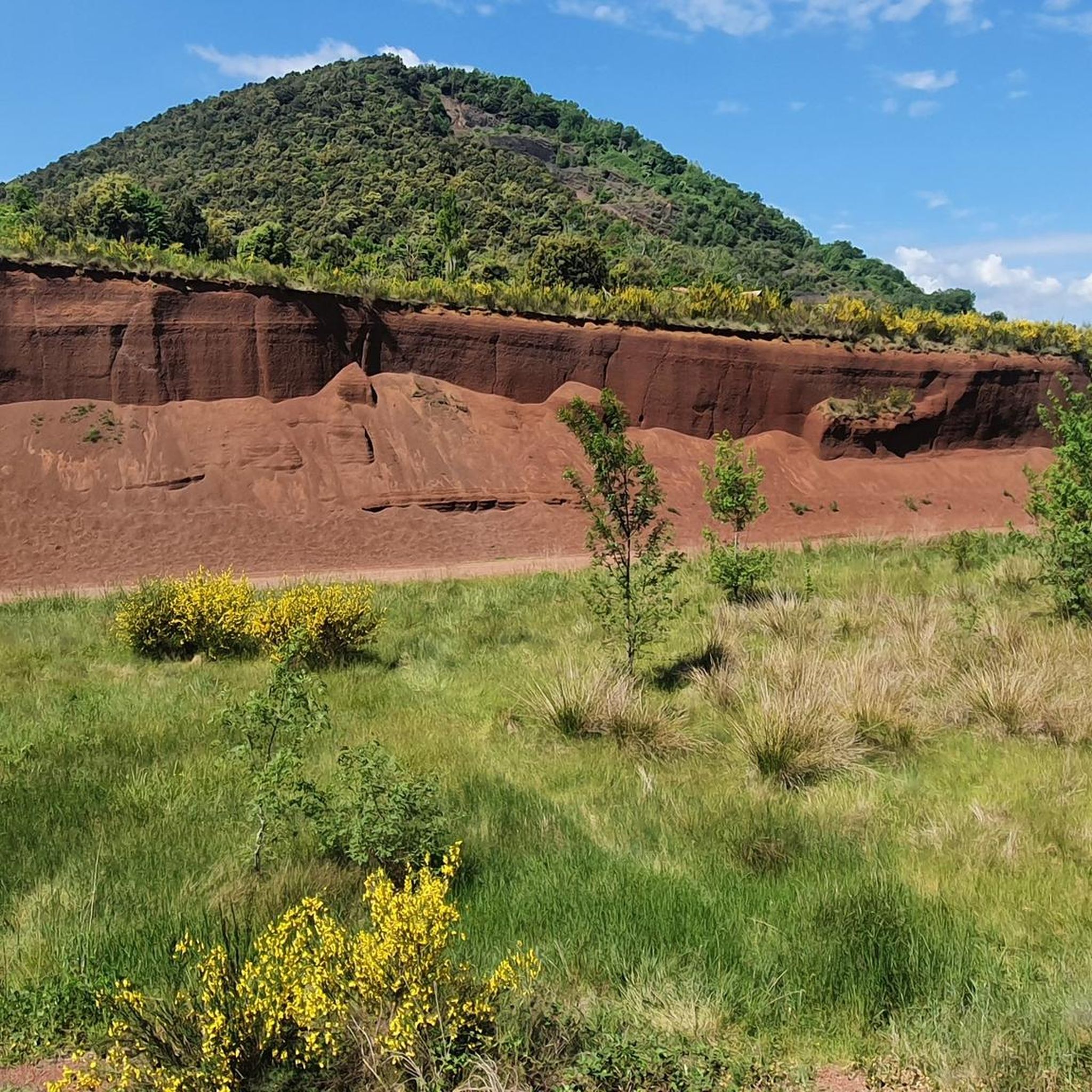
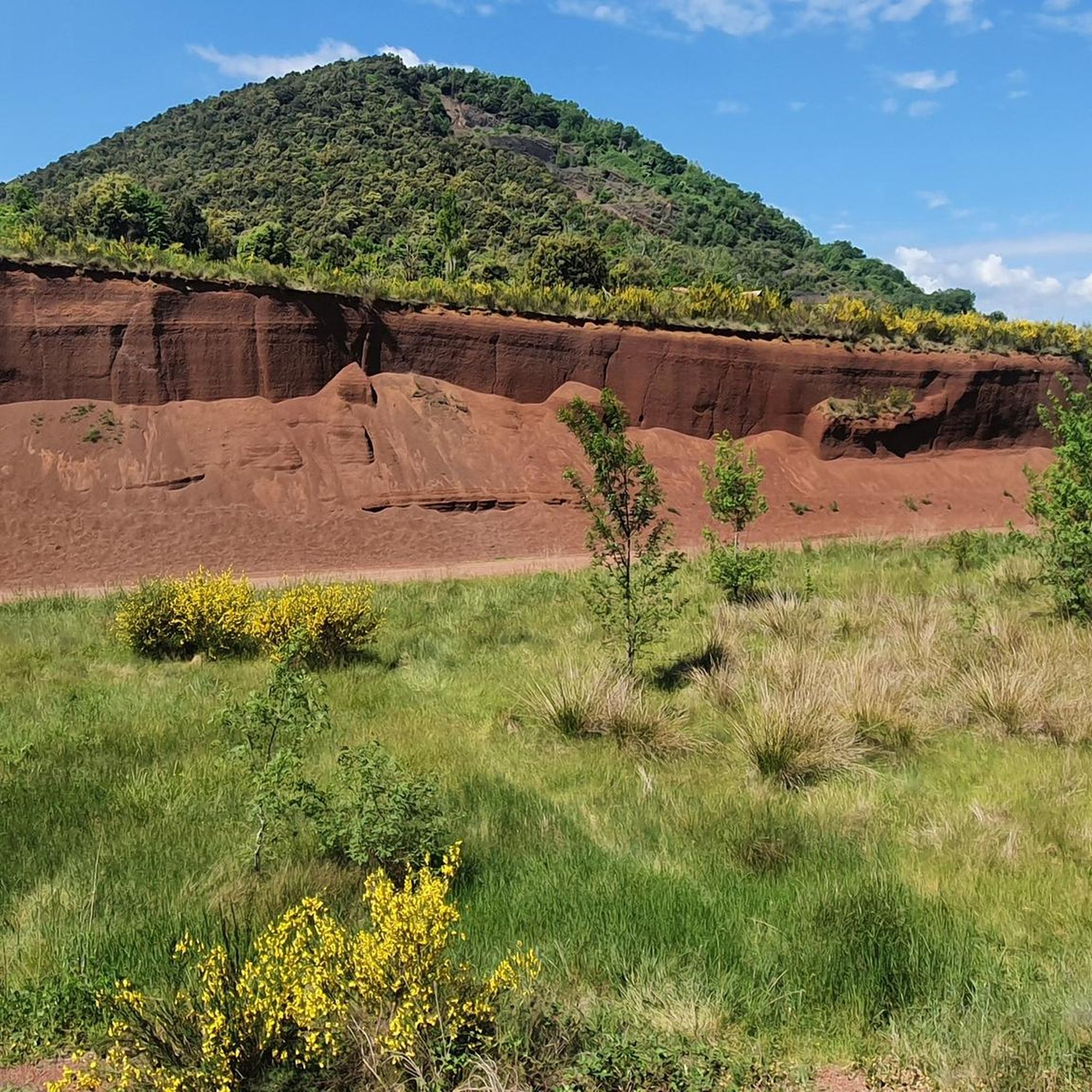
The Santa Pau region, nestled within the Garrotxa Volcanic Zone Natural Park, is unique for its landscape of over 40 extinct volcanic cones and significant mountain ranges, rather than traditional towering peaks. You'll find distinct geological features like volcanic craters, exposed lava flows, and lush forests. Notable examples include the iconic Santa Margarida Volcano with its hermitage inside the crater, and the Croscat Volcano known for its exposed, multi-colored lava layers.
Which mountain peaks offer the best panoramic views of the region?
For breathtaking panoramic views, consider visiting Puigsacalm, which is the highest point of the Serralada Transversal and offers 360-degree vistas of the Bas valley, Olot, and the eastern Pyrenees. Wolf Peak also provides magnificent views of the Garrotxa region and the Pyrenees. Additionally, the Montsacopa Volcano offers all-round views, and a circuit around its crater gives a great overview of the city and other volcanic cones.
Are there any mountain peaks with historical or cultural significance?
Yes, the Santa Margarida Volcano is particularly notable for its Romanesque hermitage, Santa Margarida, located right inside its perfectly circular crater. This unique integration of nature and history makes it a popular and culturally significant site. The Montsacopa Volcano also features a small chapel on its crater's edge.
What are some easy mountain walks suitable for beginners or families around Santa Pau?
The Garrotxa Volcanic Zone Natural Park offers numerous well-marked trails catering to various fitness levels. For an easy walk, consider the route around the Santa Margarida Volcano Crater, which is about 3 km and allows you to explore the unique crater and its hermitage. Many trails connecting the volcanic sites are generally accessible and can be enjoyed by families.
Where can I experience the unique volcanic landscape up close?
To experience the unique volcanic landscape up close, visit the Croscat Volcano, recognized as the youngest volcano in the Iberian Peninsula. It features a distinctive horseshoe shape and an exposed section of its lava flow, revealing multi-colored layers of black, orange, and red hues. Hiking trails around Croscat often combine with those leading to Santa Margarida, offering a comprehensive volcanic experience.
What kind of hiking trails are available near the mountain peaks of Santa Pau?
The area around Santa Pau offers a diverse range of hiking trails. You can find moderate circular routes like the 'Volcán de Santa Margarida and Volcán del Croscat' loop, which is about 12 km, or the 'Puigsallanca' loop, around 13.7 km. For more options, explore the Hiking around Santa Pau guide, which lists various routes including those to volcanic craters and natural pools.
Are there challenging climbs for experienced hikers in the Santa Pau region?
Yes, for more challenging experiences, the Rocacorba Climb is a notable option, leading to a summit with excellent viewpoints. While the northern ridge of Wolf Peak is a steady climb for hikers, its S and E slopes offer a test field for climbers. The ascent to Puigsacalm, while popular, can also be part of longer, more demanding itineraries.
What other outdoor activities can I do near the mountain peaks around Santa Pau?
Beyond hiking, the Santa Pau area is excellent for cycling. You can find numerous routes for both mountain biking and road cycling. For mountain biking, explore trails like the 'Volcà Croscat – View of the Croscat Volcano loop'. Road cyclists can enjoy scenic routes such as the 'Tour around the valley of Olot - Garrotxa'. More details can be found in the MTB Trails around Santa Pau and Road Cycling Routes around Santa Pau guides.
What is the best time of year to visit the mountain peaks around Santa Pau?
The Garrotxa Volcanic Zone Natural Park is beautiful year-round. Spring and autumn offer pleasant temperatures for hiking and vibrant natural colors, with lush beech forests like La Fageda d'en Jordà being particularly stunning. Summer can be warm but is still suitable for early morning or late afternoon activities. Winter offers a different, often quieter, experience, though some higher trails might require appropriate gear.
Are there any lesser-known volcanic cones worth exploring near Santa Pau?
While less prominent than Santa Margarida or Croscat, Rocanegra Volcano is another notable volcanic cone in the vicinity of Santa Pau. It is known as one of the youngest volcanoes in the Garrotxa, offering a chance to explore a newer part of the volcanic landscape away from the more crowded spots.
What do visitors enjoy most about the mountain peaks and volcanic landscape of Santa Pau?
Visitors frequently appreciate the unique volcanic landscape, the accessibility of numerous well-marked hiking trails, and the breathtaking scenic views. The combination of dormant volcanoes, ancient lava flows, dense forests, and the integration of historical sites like the hermitage within Santa Margarida's crater, creates a truly memorable experience for outdoor enthusiasts.
Most popular routes around Santa Pau
Most popular attractions around Santa Pau

Get inspired with the komoot mobile app


Explore more
See even more amazing summits around Santa Pau with these guides:
