Attractions and Places To See around Cee - Top 20
Attractions and places to see around Cee, located on the Galician coast within Spain's Costa da Morte, offer a blend of historical, natural, and cultural experiences. The town serves as a significant stop for pilgrims on the Camino Finisterre, showcasing its maritime heritage. Visitors can explore its position along the Ría de Corcubión, characterized by white sand beaches and steep cliffs. The area provides diverse landscapes and points of interest for exploration.
Best attractions and places to see around Cee
…Last updated: August 16, 2026
Fisterra Lighthouse
Highlight • Monument
Translated by Google •
Tip by

Kilometre Zero Marker, Cape Finisterre (km 0.000 — Camino de Santiago)
Highlight • Monument
Translated by Google •
Tip by

Sign up now to discover places like this
Get recommendations on the best single tracks, peaks, & plenty of other exciting outdoor places.
Sign up for free
Saint Jakob statue
Highlight • Monument
Translated by Google •
Tip by
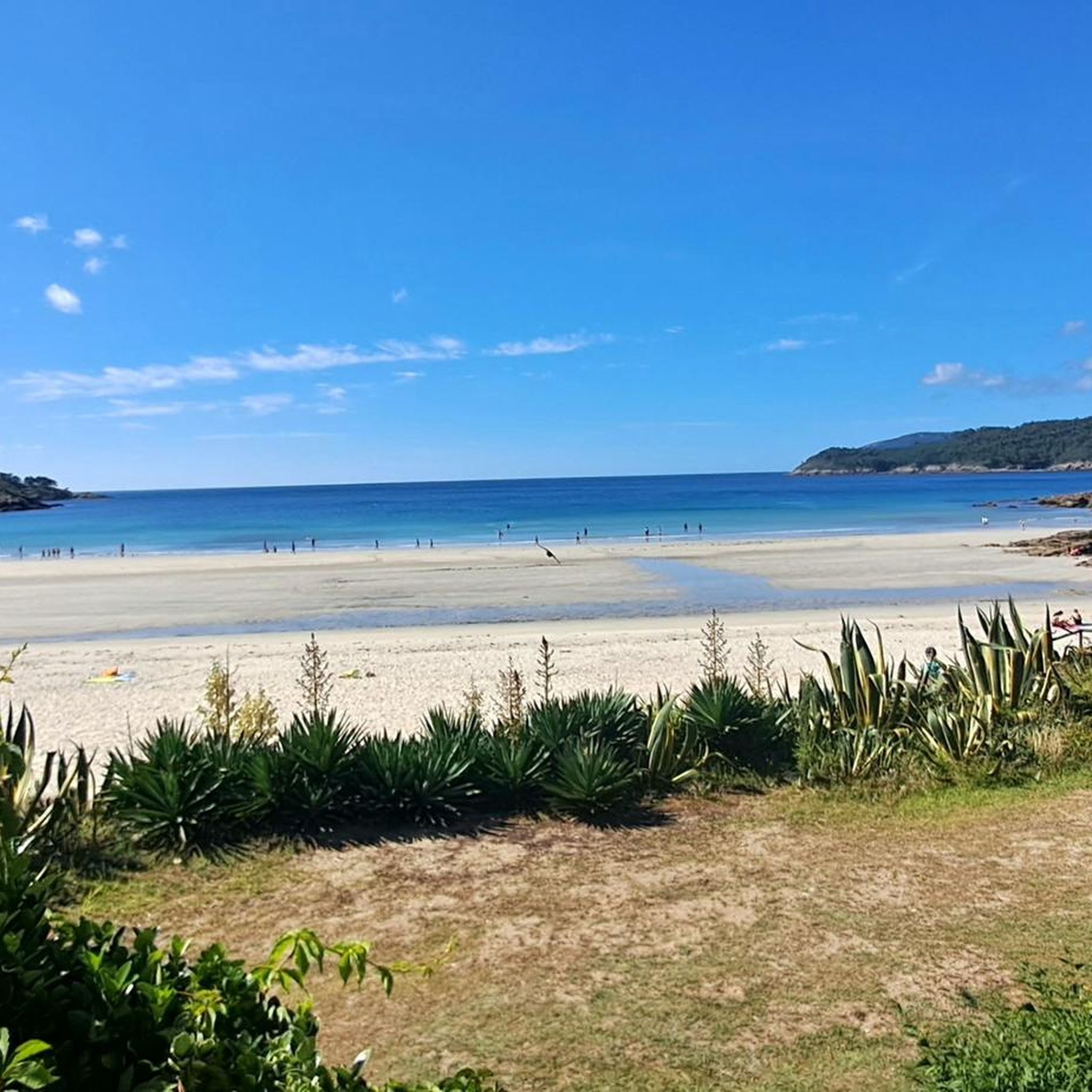
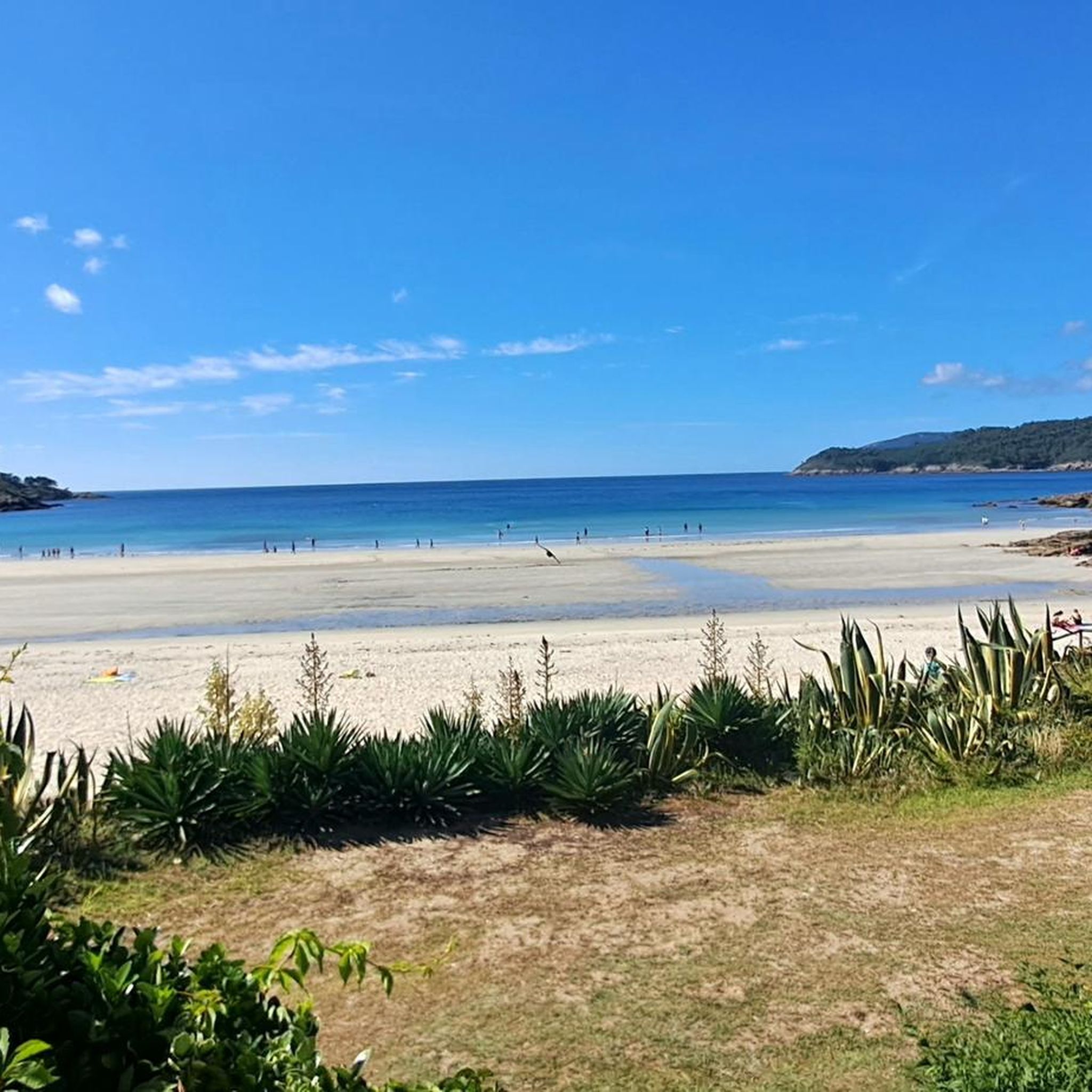
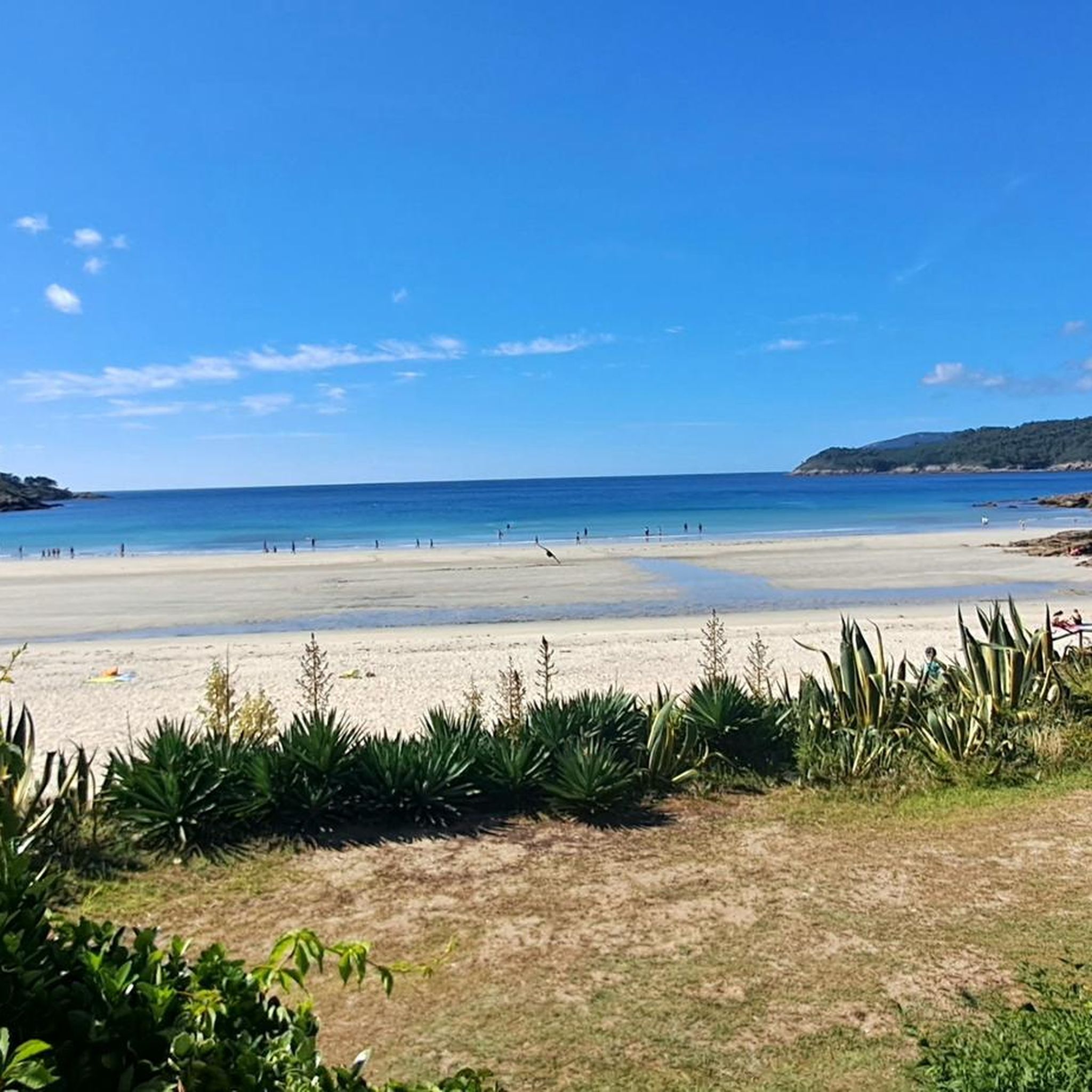
Mar de Fóra Beach
Highlight • Beach
Translated by Google •
Tip by
Santa María das Areas Church
Highlight • Religious Site
Translated by Google •
Tip by
Sign up for free to discover even more attractions around Cee.
Sign up for free
Already have an account?
Start today with a free account
Your next adventure awaits.
Login or Signup
Tips from the Community

Santa Maria des Areas. It is a beautiful church from the 12th century. The essential thing to know is that every day at 6 pm there is the Holy Mass of the pilgrim with a special and suggestive blessing.
5
0

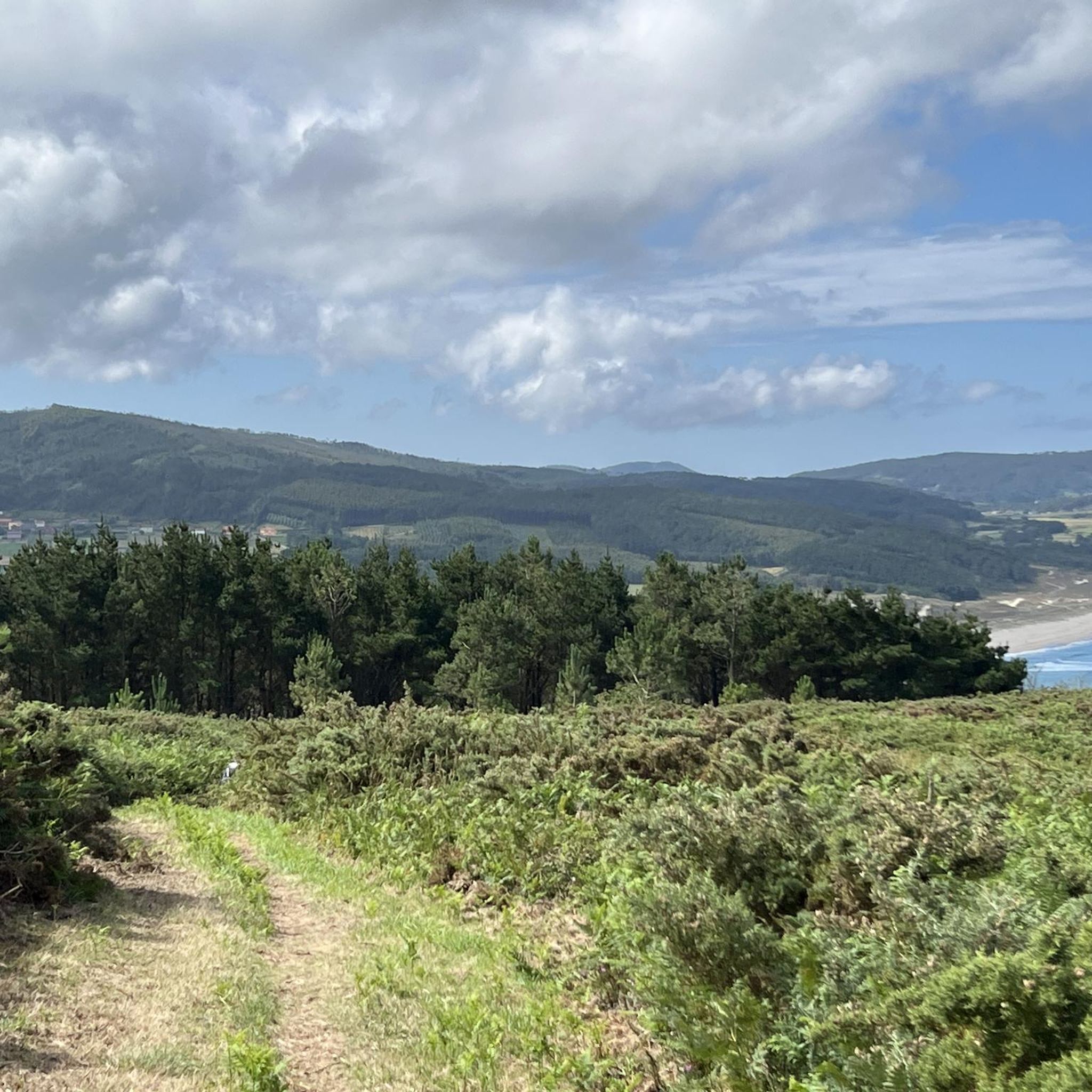
Praia do Mar de Fóra, in Fisterra (A Coruña), is one of the wildest and most magical beaches on the Costa da Morte, ideal for those seeking pure nature and a more intimate experience than the tourist beaches.
7
0

Everything ends here, at the end of the world
7
1

Finally at the finish, at km 0
3
0

Pilgrimage monument of Saint James on the way to Cape Finisterre.
4
0

The last 2.5 km to the end,
5
0

0 km: the last stone before the "end of the world"
4
0

Beautiful, mostly lonely beach. Swimming is not recommended here due to undercurrents.
3
0
Frequently Asked Questions
What historical landmarks can I explore in Cee?
Cee offers several historical landmarks. You can visit the 15th-century Church of Santa María de Xunqueira, known for its Romanesque and Gothic architecture. Another significant site is the 18th-century Castelo do Príncipe, built to defend the estuary. The Fernando Blanco Institute and the Old Escola das Nenas, now housing a permanent exhibition, showcase the town's cultural legacy. Don't miss the Church of Santa Baia de Brens with its Baroque altarpiece, or the Pazo de Cotón, an example of Compostela Baroque architecture.
Are there any significant natural features or beaches near Cee?
Yes, Cee is surrounded by beautiful natural features and beaches. The tranquil Mar de Fóra Beach is known for its fine white sand and wild character. Other notable beaches include Estorde Beach, ideal for relaxation, and Praia de Gures, which offers a natural landscape where the sea meets pine trees. The town is situated along the Ría de Corcubión, characterized by white sand beaches and steep cliffs, and the ecologically valuable Estuary of Lires, part of the Natura 2000 Network.
What outdoor activities can I do near Cee?
The area around Cee is excellent for outdoor activities. You can find numerous routes for jogging, mountain biking, and hiking. For example, there's a 20 km 'Cape Finisterre Lighthouse – Talón Beach loop' for running, or a 59 km 'Lires - Muxía - vuelta de Costa del Morte' for MTB. Hikers can enjoy routes like the 'San Estevo de Lires Church – View of the Costa da Morte loop'. For more detailed routes, explore the Running Trails around Cee, MTB Trails around Cee, and Hiking around Cee guides.
What is Cee's connection to the Camino de Santiago?
Cee is a strategic and essential stop for pilgrims undertaking the Camino Finisterre. It offers a place to rest and explore before pilgrims potentially continue their journey to Fisterra or Muxía. Many pilgrims continue past Santiago de Compostela to reach the 'end of the world' at Cape Finisterre, marked by the Kilometre Zero Marker and the Fisterra Lighthouse.
Are there family-friendly attractions around Cee?
Many attractions around Cee are suitable for families. The beaches like Estorde Beach with its calm waters are ideal for children. Exploring historical sites such as the Castelo do Príncipe or the Fernando Blanco Institute can also be engaging. The Fisterra Lighthouse and the Kilometre Zero Marker are popular spots that offer scenic views and a sense of adventure for all ages.
What are some hidden gems or unique outdoor experiences in Cee?
For unique outdoor experiences, consider visiting the Toba Mills (Molinos de Toba), a collection of old watermills by the river das Laxes, offering a tranquil natural spot. With patience and favorable conditions, you might also witness the rare spectacle of bioluminescence in the Sea of Ardora at night, particularly near Estorde and Toba.
Can I find wild swimming spots near Cee?
While Cee has several beautiful beaches, the Estorde Beach is known for its calm waters, making it a pleasant spot for swimming. Praia de Gures also offers a wonderful natural setting for enjoying the sea. For a more secluded experience, explore some of the nearby beaches mentioned in the region research, such as Ezaro Beach or O Pindo Beach, which are easily accessible from Cee.
What do visitors enjoy most about the attractions around Cee?
Visitors particularly enjoy the natural beauty and historical significance of the area. The Mar de Fóra Beach is praised for its pristine fine white sand and wild character. The Fisterra Lighthouse and the Kilometre Zero Marker are highly valued for their historical importance as the 'end of the world' and the Camino de Santiago's unofficial endpoint, offering unique and memorable experiences.
Are there any cultural sites or local markets to visit in Cee?
Beyond its historical buildings, Cee offers cultural experiences. The town hosts a lively Sunday Market, providing an opportunity to experience local life and find various goods. The central squares, Praza da Constitución and Praza do Mercado, are vibrant gathering spots where you can find cafes and observe local interactions.
What is the best time of year to visit Cee attractions?
The best time to visit Cee attractions largely depends on your preferences. The summer months are ideal for enjoying the beaches and outdoor activities, though it can be busier. Spring and early autumn offer pleasant weather for hiking and exploring historical sites, with fewer crowds. The region's weather can be unpredictable, so it's always advisable to check forecasts, especially if planning outdoor activities.
Are there any scenic walks or promenades in Cee?
Yes, you can enjoy a scenic Boardwalk Stroll from Cee to Corcubión. This 15-minute walk along the Ría offers beautiful views of the estuaries and connects Cee to the charming neighboring village of Corcubión. Additionally, the Praia da Concha, an urban beach near the town center, features a pleasant promenade perfect for a leisurely walk.
What is the significance of the Port of Cee?
The Port of Cee holds significant historical and economic importance for the town. It offers scenic beauty and provides a glimpse into the region's fishing and commercial activities. Visitors can enjoy walks along the port, observe fishing boats, and savor fresh seafood at local restaurants, connecting with Cee's maritime heritage.
Most popular attractions around Cee

Get inspired with the komoot mobile app


Explore more
Still not found the Highlight you’re looking for? See guides of the top attractions in other regions:
