Attractions and Places To See around María - Top 19
Best attractions and places to see around María, a mountain village in Almería, Spain, are primarily found within the Parque Natural Sierra de María-Los Vélez. This region offers a blend of natural landscapes, including mountains and forests, alongside significant historical and cultural sites. Visitors can explore ancient architecture, learn about local heritage, and enjoy panoramic views of the surrounding natural park. The area is characterized by its diverse flora and historical landmarks, providing varied points of interest.
Best attractions and…
Last updated: July 12, 2026
Church of the Incarnation of Vélez-Rubio
Highlight • Religious Site
Translated by Google •
Tip by

Vélez-Blanco Castle
Highlight • Castle
Translated by Google •
Tip by
Sign up now to discover places like this
Get recommendations on the best single tracks, peaks, & plenty of other exciting outdoor places.
Sign up for free
Caños de Caravaca Fountain
Highlight • Monument
Translated by Google •
Tip by

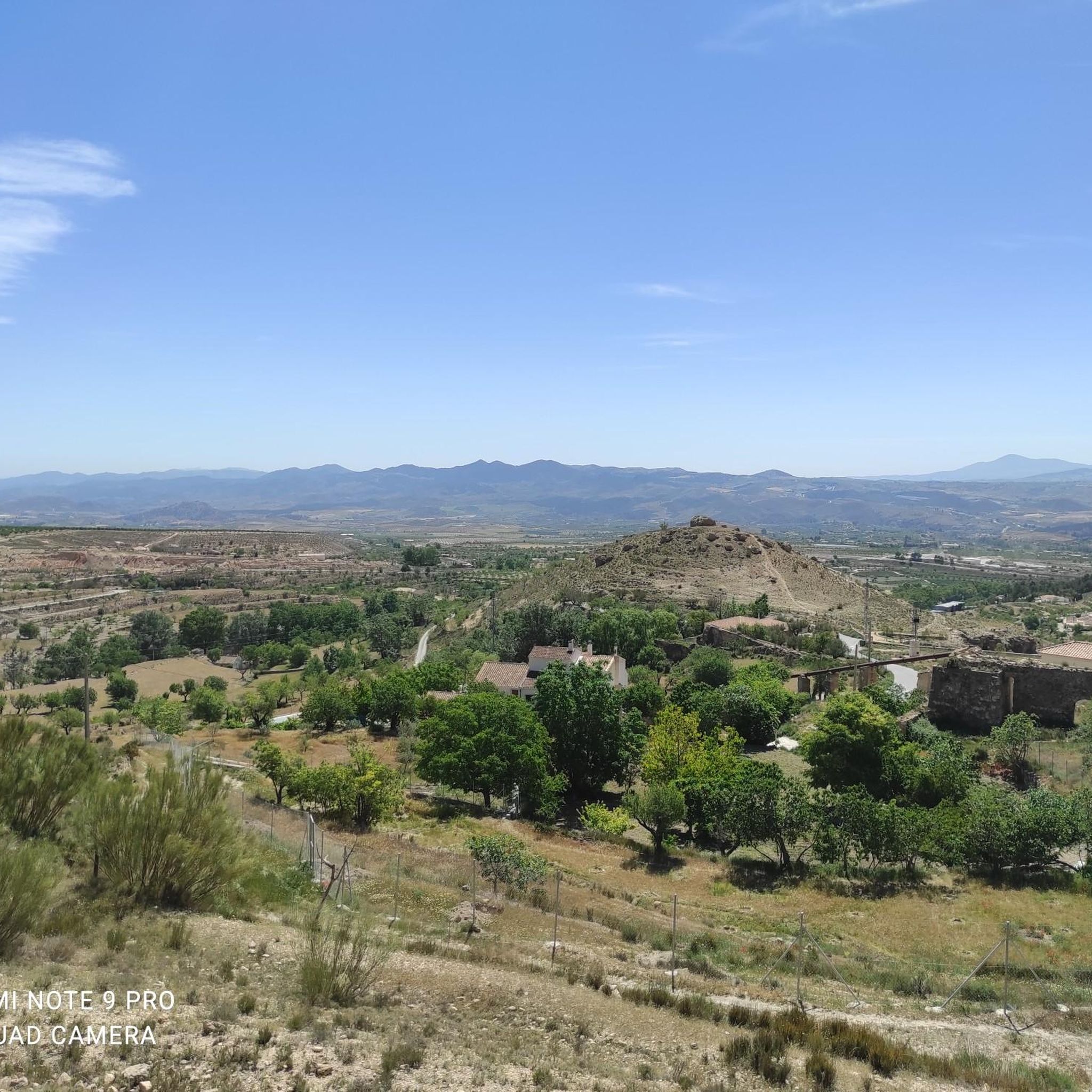
View of Vélez-Blanco and its castle
Highlight • Viewpoint
Translated by Google •
Tip by
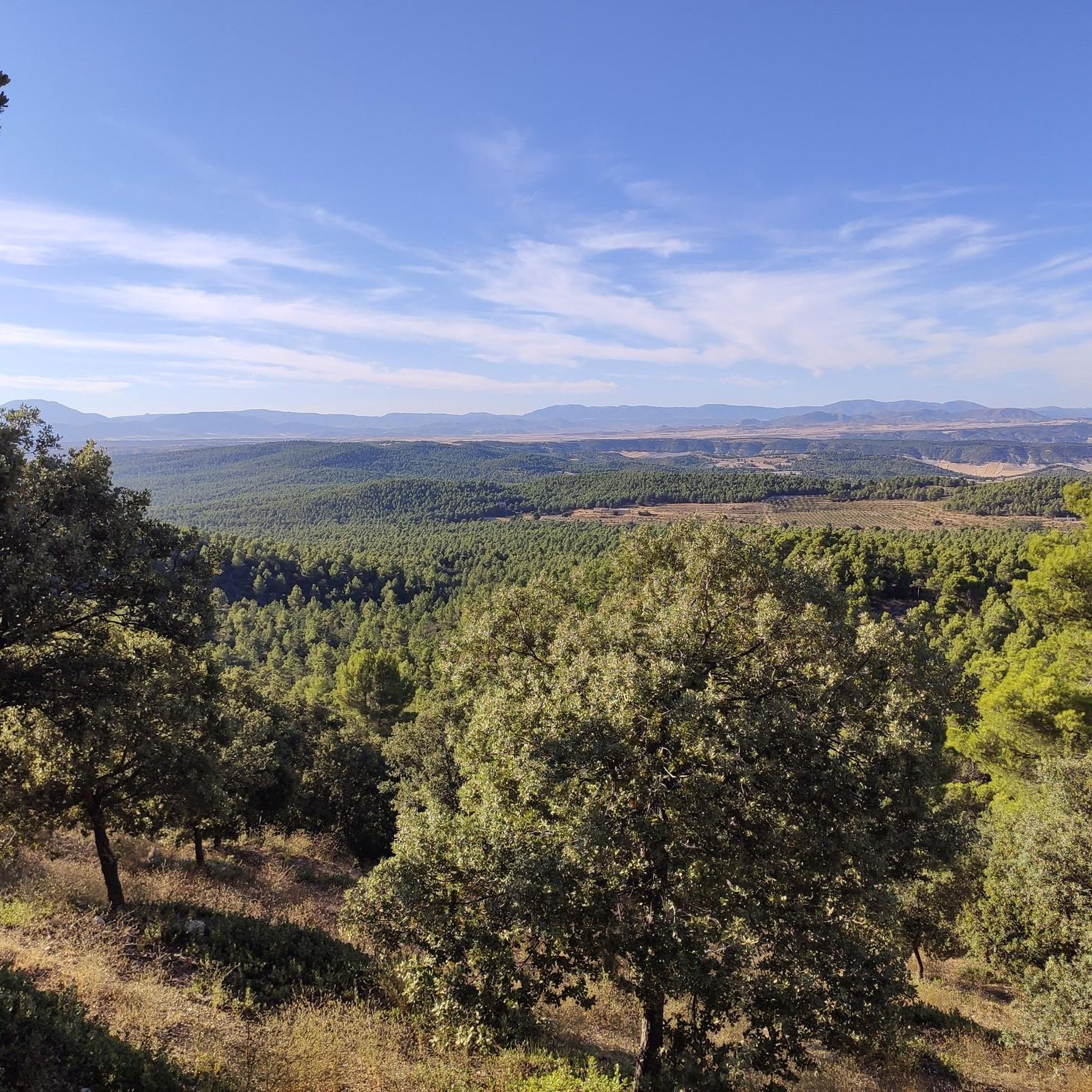
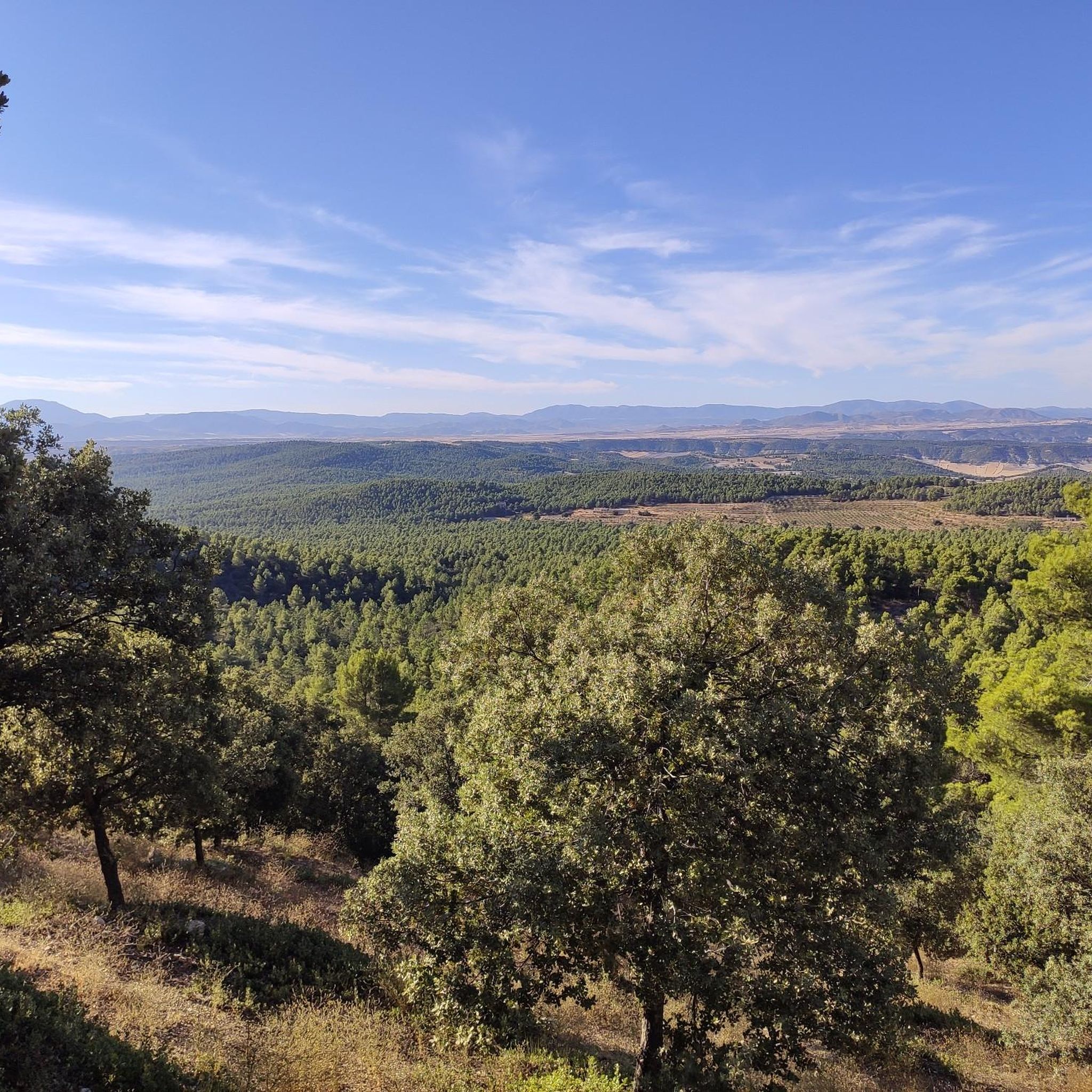
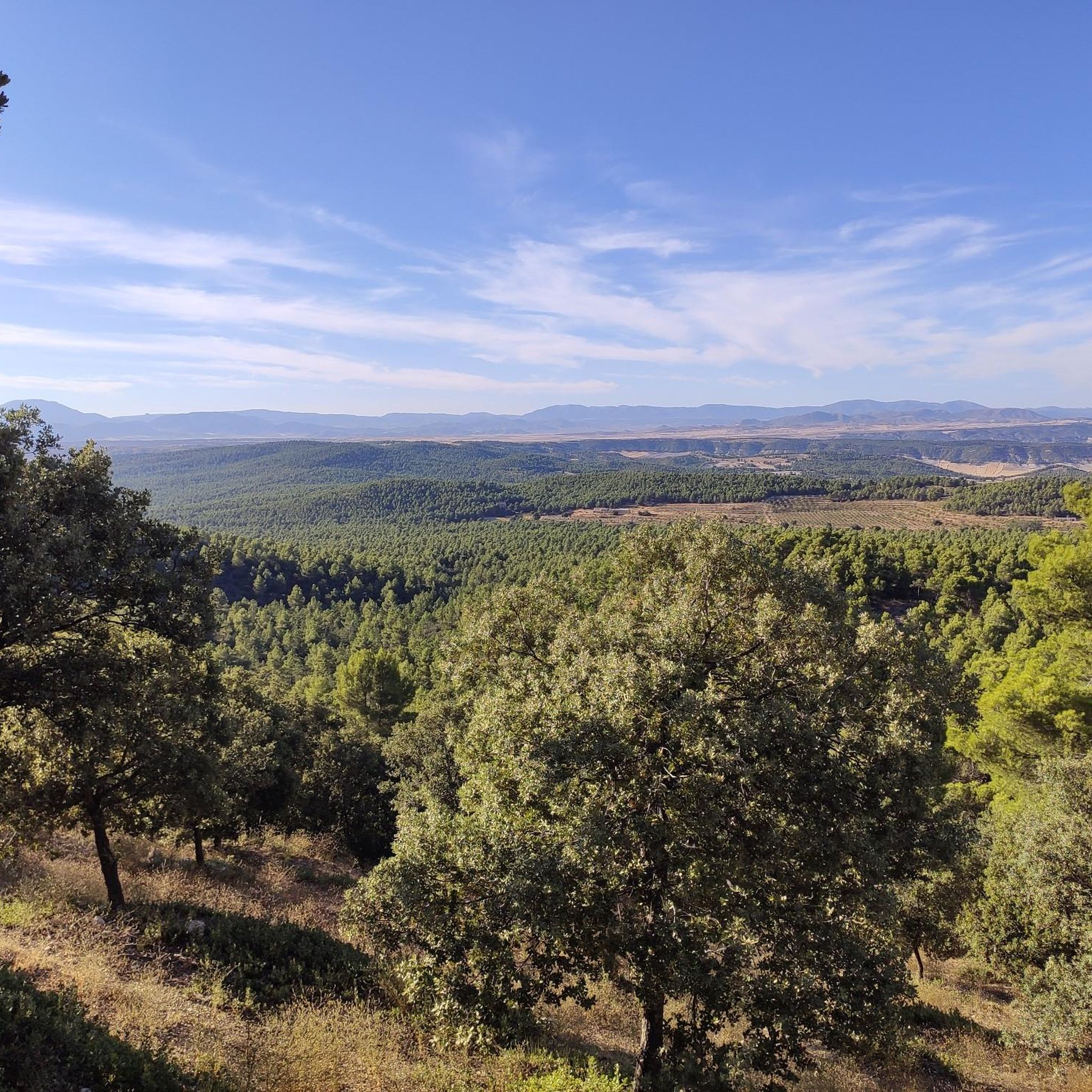
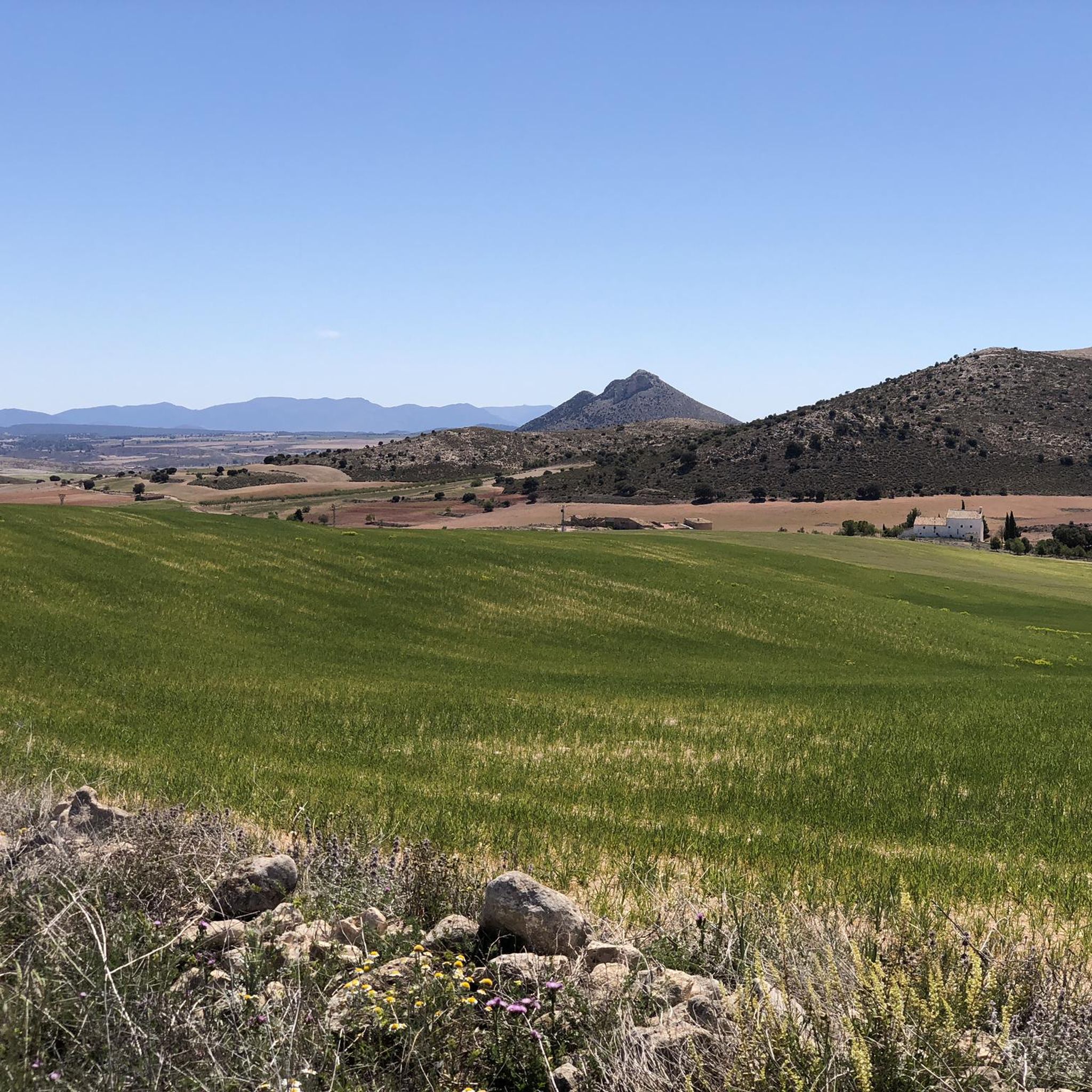
View of Sierra de María
Highlight • Viewpoint
Translated by Google •
Tip by

Sign up for free to discover even more attractions around María.
Sign up for free
Already have an account?
Start today with a free account
Your next adventure awaits.
Login or Signup

Tips from the Community

Vélez-Blanco Castle, located in the municipality of the same name in the province of Almería (Andalusia), is a jewel of the Spanish Renaissance that combines military and palatial elements. Construction began in 1506 by Pedro Fajardo y Chacón, the first Marquis of Vélez, on the remains of an ancient Islamic citadel.
8
0

The Sierra de María is located within the María-Los Vélez Natural Park, a protected natural area located near Vélez Rubio, Vélez Blanco, María, and Chirivel. It was officially recognized as such in 1987. It covers an area of more than 22,500 hectares and has a visitor information office in the town of Vélez Blanco. Its unique variety of interior microclimates also contributes to the proliferation of many different plant species. The abundant forest cover gives rise to the development of native Black and Corsican pine forests, which coexist with Aleppo pine as a result of various reforestation projects.
0
0
The Caños de Caravaca Fountain is located on San Francisco Street in the town centre of Vélez-Blanco. This fountain stands out for its unique decoration, with tiles in striking orange and green colours, which include motifs from Don Quixote and the Vélez-Blanco coat of arms. The fountain is supplied by springs from the Barranco de las Fuentes and its flow is low but constant. In addition to its architectural value, the fountain is used for irrigation and is a point of tourist and recreational interest in the town.
1
0
From Cantarerías Street in Vélez-Blanco, you can enjoy spectacular views of the Vélez-Blanco Castle. This street offers a unique perspective of the castle, allowing you to appreciate its imposing structure and strategic location on top of the hill. Built in the 16th century, Vélez-Blanco Castle is one of the most outstanding monuments in the region. Its Renaissance architecture and fascinating history make it a must-see for visitors.
2
0
This building is the administrative centre of the town and offers various services to citizens, including electronic procedures through its electronic headquarters. The building was built in 1732 and restored between 1991 and 1993. The façade of the building incorporates baroque elements, as well as some modernist details added during renovations carried out in 1909. This building is not only the administrative centre of the town, but also a point of architectural and cultural interest.
2
0
The Church of the Encarnación in Vélez-Rubio is one of the most outstanding monuments in the town. Built in the 18th century, this church is a magnificent example of Baroque architecture. Its imposing façade and richly decorated interior make it a place of great interest for both the faithful and lovers of art and history. The church is located in the Plaza de la Encarnación, in the heart of the historic centre of Vélez-Rubio. In addition to its architectural value, the church houses various works of religious art and is an active centre of the spiritual life of the community.
2
0

Since the castle is closed on Mondays and Tuesdays, we were unfortunately unable to visit it
1
1
The fountain spouts fresh, crystal-clear drinking water of the highest quality. Its construction was commissioned by the first Marquis of Los Vélez at the beginning of the 16th century. With four spouts, it has a very unique, rich ornamentation based on tiles in striking orange and green tones, made in 1944. It depicts three scenes, two from Goya's "La Vendimia" and one from Don Quixote. Next to it you can also see the coat of arms of Vélez Blanco.
0
0
Frequently Asked Questions
What natural attractions can I explore around María?
María is nestled within the Parque Natural Sierra de María-Los Vélez, offering a wealth of natural beauty. You can discover mountains like Las Muelas and Sierra Largo, especially striking when snow-covered. Don't miss the Umbría de la Virgen Botanical Garden, an ideal place to appreciate the region's diverse flora. The area also features archaeological heritage like cave paintings in Cueva de Haza.
Are there historical sites or cultural landmarks to visit near María?
Absolutely. The region is rich in history and culture. Explore the impressive Vélez-Blanco Castle, a Spanish Renaissance jewel built between 1506 and 1515. The town of Vélez-Rubio boasts an interesting architectural complex from the 18th and 19th centuries. You can also visit the Iglesia Parroquial de Nuestra Señora de la Encarnación, a Mudejar-style church, and the Caños de Caravaca Fountain, a picturesque 16th-century public fountain.
Where can I find the best panoramic views around María?
For expansive vistas, head to the View of Sierra de María. From this viewpoint, you'll get clear views of La Muela and the castle of Vélez-Blanco, showcasing the agricultural landscape and lush pine forests. The Umbría de la Virgen Botanical Garden also offers beautiful views of the surrounding natural park.
What outdoor activities can I do near these attractions?
The area around María is perfect for outdoor enthusiasts. You can find numerous routes for various activities. For running, explore trails like the 'María Village loop' or 'Running loop from Campsite Sierra María'. Mountain biking options include the 'Views of the Sierra de María – Puntal del Morral Viewpoint loop'. Cyclists can enjoy routes such as 'Castillo de Vélez-Blanco — circular by the Parque Natural Sierra de María-Los Vélez'. You can find more details on these and other routes in the Running Trails around María, MTB Trails around María, and Cycling around María guides.
Are there family-friendly attractions or activities in María?
Yes, several attractions are suitable for families. The Umbría de la Virgen Botanical Garden is a pleasant place to explore the region's flora in a comfortable setting. The Caños de Caravaca Fountain is a picturesque spot that can be enjoyed by all ages. Exploring the historical streets of Vélez-Rubio also offers an engaging experience for families.
What is the best time to visit María for outdoor activities?
The Parque Natural Sierra de María-Los Vélez offers distinct experiences throughout the year. While the mountains can be dramatically snow-covered in winter, making for unique scenery, spring and autumn generally provide milder temperatures ideal for hiking, cycling, and exploring the natural park. Summer can be warm, but early mornings or late afternoons are still pleasant for outdoor pursuits.
Are there any museums or places to learn about local heritage?
Yes, you can visit the Museo de la Almendra y El Cereal to learn about local almond varieties and traditional dishes derived from them. This offers a glimpse into the agricultural heritage and culinary traditions of the region.
What kind of archaeological sites can be found in the area?
The region has an interesting archaeological heritage. You can find ancient cave paintings in Cueva de Haza and explore an Iberian settlement at El Pasico, offering insights into the area's early inhabitants and their history.
Are there any religious sites of interest in María?
María is home to several significant religious sites. The Iglesia Parroquial de Nuestra Señora de la Encarnación, a Mudejar-style church completed in 1557, is a prominent historical building. Other religious sites include the Ermita de la Soledad and the Santuario de la Virgen de la Cabeza.
What makes the town of Vélez-Rubio unique?
Vélez-Rubio is a town that has beautifully amalgamated cultures over centuries. Its urban center features a captivating architectural complex, primarily from the 18th and 19th centuries, while some neighborhoods still preserve the medieval spirit with their twisted and narrow streets. Its surroundings are characterized by extensive olive groves.
Can I find any unique natural features like waterfalls or rivers?
While María is known for its mountains and botanical garden, the region is also home to the Nacimiento del Guadalquivir, which is the birthplace of the Guadalquivir river. This offers a unique natural point of interest for those interested in hydrological features.
What do visitors enjoy most about the attractions around María?
Visitors particularly appreciate the blend of natural beauty and rich history. The panoramic views from spots like the View of Sierra de María, the architectural grandeur of Vélez-Blanco Castle, and the charm of historical towns like Vélez-Rubio are frequently highlighted. The tranquility and diverse flora of the Umbría de la Virgen Botanical Garden are also highly valued.
Most popular attractions around María

Get inspired with the komoot mobile app


Explore more
Still not found the Highlight you’re looking for? See guides of the top attractions in other regions:
