The best cycling routes around Campdevànol
4.5
(40)
2,166
riders
17
rides
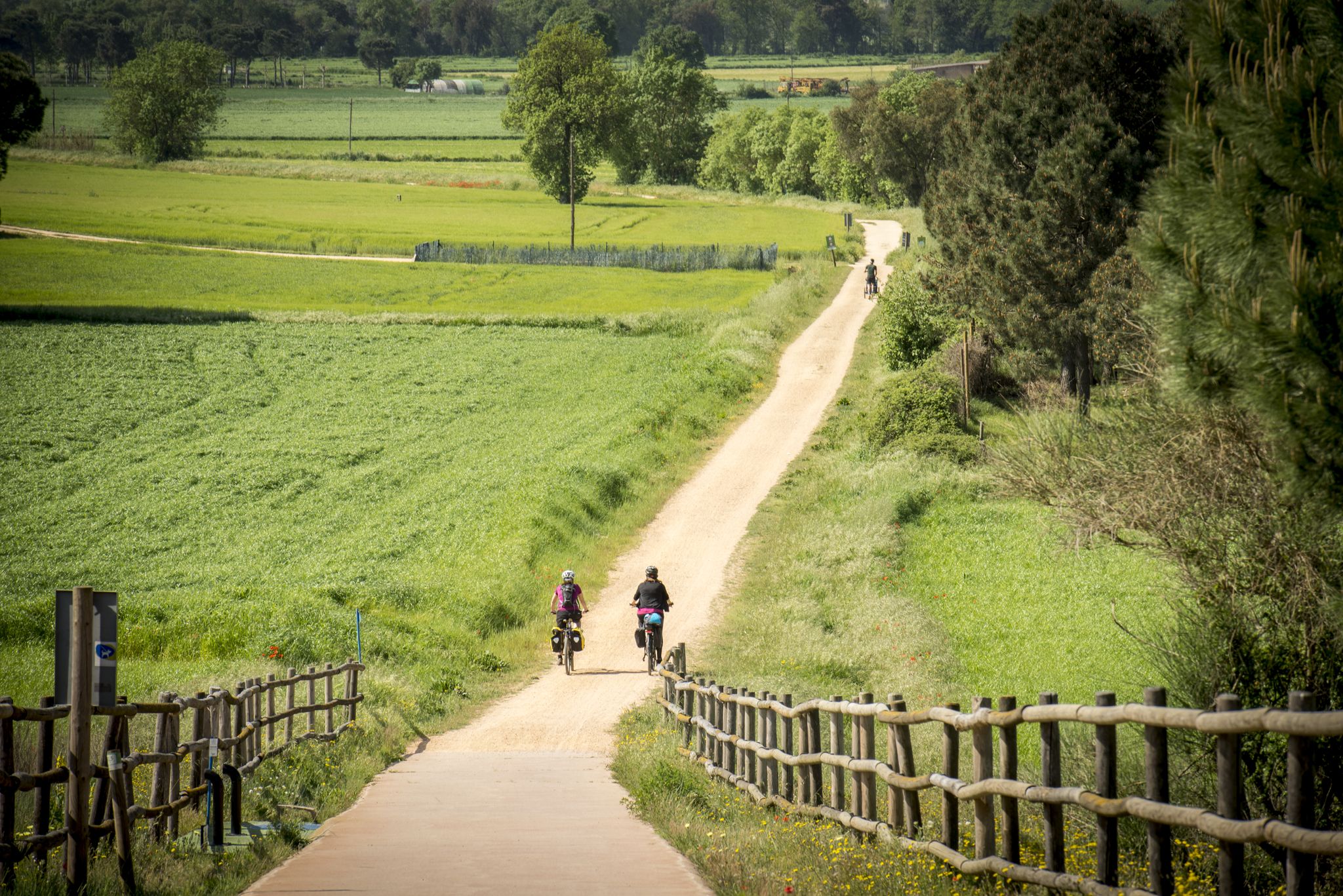
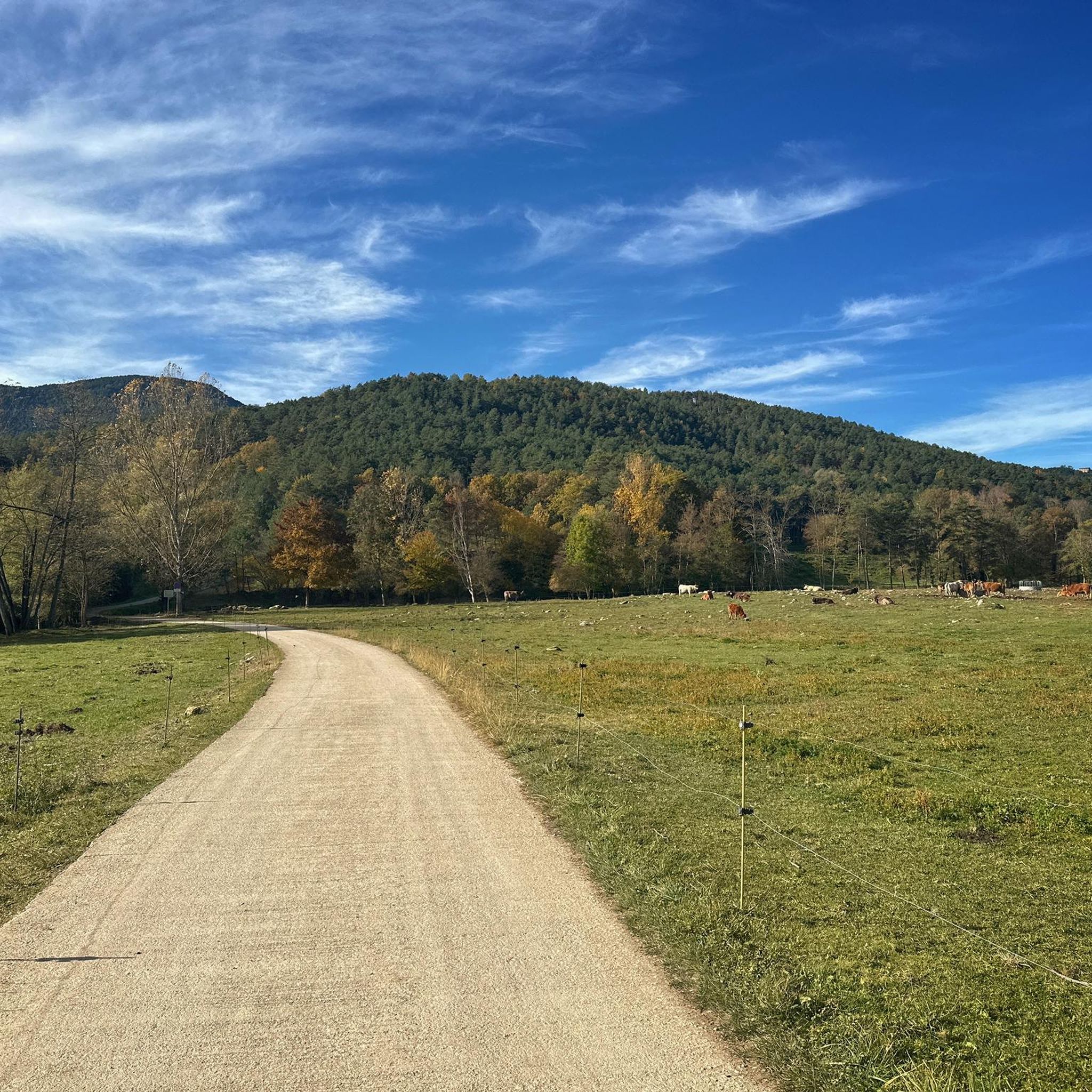
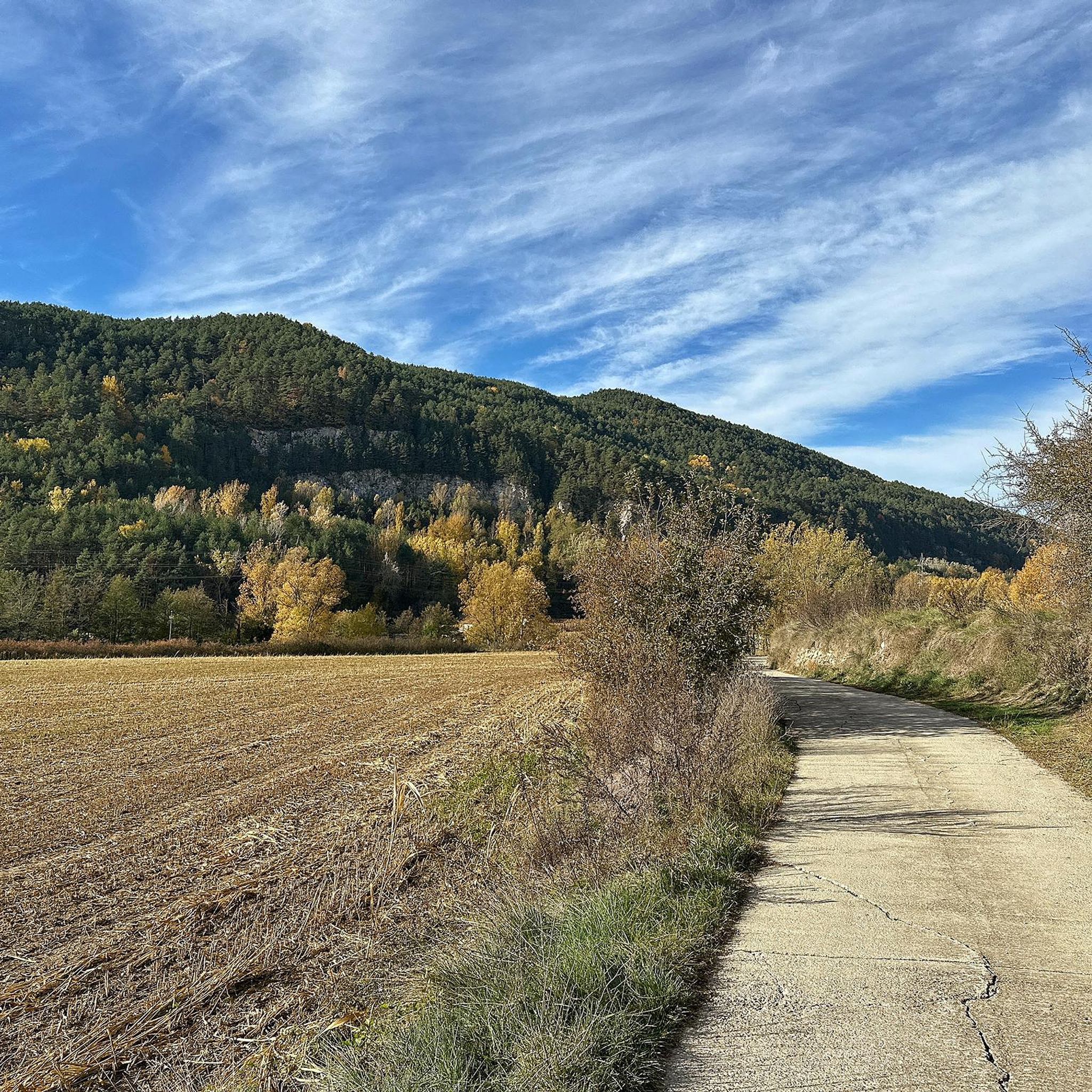
Touring cycling around Campdevànol is characterized by a diverse landscape featuring prominent peaks like Sant Marc and Montgrony, dense pine and beech forests, and numerous rivers such as the Freser. The region offers varied terrain, from challenging mountain passes with significant elevation gains to more gentle routes along river valleys. Cyclists can navigate through areas with both paved and unpaved surfaces, providing a range of experiences. Natural attractions like the Gorgs del Torrent de la Cabana add to the scenic…
Last updated: August 22, 2026
67
riders
51.5km
03:54
1,140m
1,140m
Hard bike ride. Very good fitness required. Mostly paved surfaces. Suitable for all skill levels.
29
riders
43.4km
03:10
890m
890m
Hard bike ride. Very good fitness required. Mostly paved surfaces. Suitable for all skill levels.

Sign up for free
5.0
(1)
34
riders
66.6km
04:31
960m
960m
Hard bike ride. Very good fitness required. Mostly paved surfaces. Suitable for all skill levels.
23
riders
29.2km
01:59
420m
420m
Moderate bike ride. Good fitness required. Mostly paved surfaces. Suitable for all skill levels.
15
riders
107km
07:49
2,200m
2,200m
Hard bike ride. Very good fitness required. Mostly paved surfaces. Suitable for all skill levels.
Get access to more routes and recommendations from other explorers.
Sign up for free
Already have an account?
Our route recommendations are based on thousands of hikes, rides, and runs completed by other people on komoot.
Start today with a free account
Your next adventure awaits.
Login or Signup

Other adventures around Campdevànol

Tips from the Community

A beautiful village located in the Cadí-Moixeró Natural Park. A stroll through it, visiting the Llobregat springs, and buying something from its bakeries are highly recommended.
0
0

It is one of the first Romanesque monuments built in Catalonia and preserved today. It is dated to the 11th century. It is a cultural visit that is worth it.
0
0

Small mountain village of Berguedà, halfway to Coll de la Creueta and also the end of Montgrony from Gombrèn. It is known for the Llobregat River Springs, but also for its beauty. A good point to rest and refuel.
0
0
A beautiful town in the Catalan Prepirieo where there is a wonderful restaurant where you can enjoy typical Catalan dishes of an excellent standard.
0
0
My first visit to this beautiful high mountain town was in 1992, when I was barely 11 years old, in the middle of June. I remember it rained a lot and it was very cold. It coincided with the Monte Bondone stage of that year's Giro d'Italia. From then on I knew that I would pass by there on a bicycle. Castellar de N'Hug is a beautiful town that is characterized by: - birth of the Llobregat river (its sources are very pleasant) - gigantic ham and cheese croissants and other tastes.
0
0
It is a very steep and fun climb on both sides. The road is very winding, with continuous curves and countercurves, some of these counterbanks. The asphalt is rough and there is no shoulder, although it is true that traffic is very scarce. The eastern slope, which starts from Campdevánol and passes through Gombrèn, is approximately 14 km and in no case does the slope exceed 5%. It is a sunny climb, very favorable for the colder months. In summer it is usually very hot. The western slope, which starts from Guardiola de Berguedà, is a little longer and presents a first section to La Pobla de Lillet characterized by long straights. It has some sections at 6-7% and the last 3 km are the hardest.
0
0
The Coll de Merolla is the crossing point between the Pobla de Lillet and Campdevànol, that is to say between the upper Berguedà and the Ripollès. The two slopes are gentle, and halfway, near Gombrèn, there is the link with the Carretera de Montgrony, to continue climbing up to Castellar de N'Hug. At the top is the Merolla refuge, site of the legendary full moon brevet dinner.
0
0

Castellar de n'Hug is a town located at 1,450 meters above sea level, within the Cadí-Moixeró natural park, on the south side of the Pyrenees. It appears for the first time documented in the year 839, in the act of consecration of the cathedral of Urgell. Most likely the first building was the parish church of Santa Maria, replaced in the 11th century by the Romanesque church that has been partially preserved to this day. The castle that gave rise to the place name has already disappeared, although some remains can be seen. The town has traditionally lived off livestock farming, and also on smuggling, especially in times of war and post-war. The area has always been a transit area for refugees and fugitives. At the beginning of the 20th century, with the opening of the Portland cement factory, one of the best examples of industrial architecture in Catalonia, its economic activity was revitalized. Currently, and thanks to the fact that the popular architecture of the area has been preserved, based on the use of stone, wood and tiles, the municipality is a tourist attraction, and has been declared by the Ministry of Tourism as one of the most beautiful towns in Spain.
1
0
Frequently Asked Questions
What kind of terrain can I expect on touring cycling routes around Campdevànol?
Touring cycling around Campdevànol offers a diverse landscape, ranging from challenging mountain passes with significant elevation gains to more gentle routes along river valleys. You'll encounter prominent peaks like Sant Marc and Montgrony, dense pine and beech forests, and numerous rivers such as the Freser. Routes feature a mix of paved and unpaved surfaces, catering to various skill levels.
Are there any easy touring cycling routes suitable for beginners in Campdevànol?
While many routes around Campdevànol are classified as difficult, there are options for less experienced cyclists. The region offers routes like the Via Verde Ripoll-Campdevànol – Pont Nou of Camprodon loop from Pont de la Cabreta, which is largely paved and more accessible, connecting to charming places like the Pont Nou of Camprodon. These routes provide a more relaxed touring experience.
What are some challenging long-distance touring cycling routes in the Campdevànol area?
For experienced touring cyclists seeking a challenge, Campdevànol offers several demanding routes. Consider the Coll de Merolla – Pal Pass loop from Campdevànol, a 67.3-mile (108.4 km) trail with extensive views and significant elevation. Another option is the Font de la Plaça – Coll de Merolla loop from Campdevànol, covering 106.5 km with over 2,100 meters of elevation gain.
Can I find routes that feature waterfalls or gorges in Campdevànol?
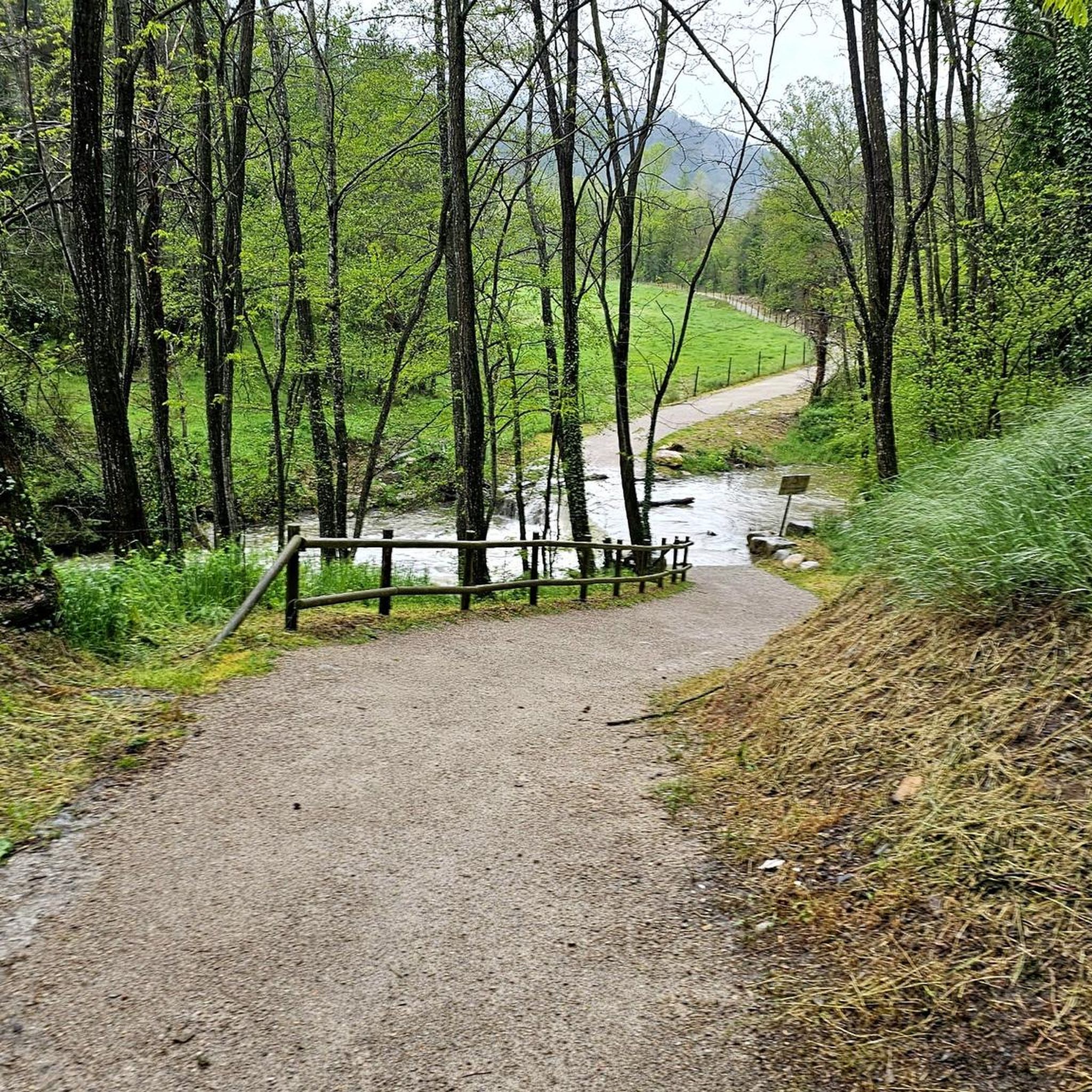
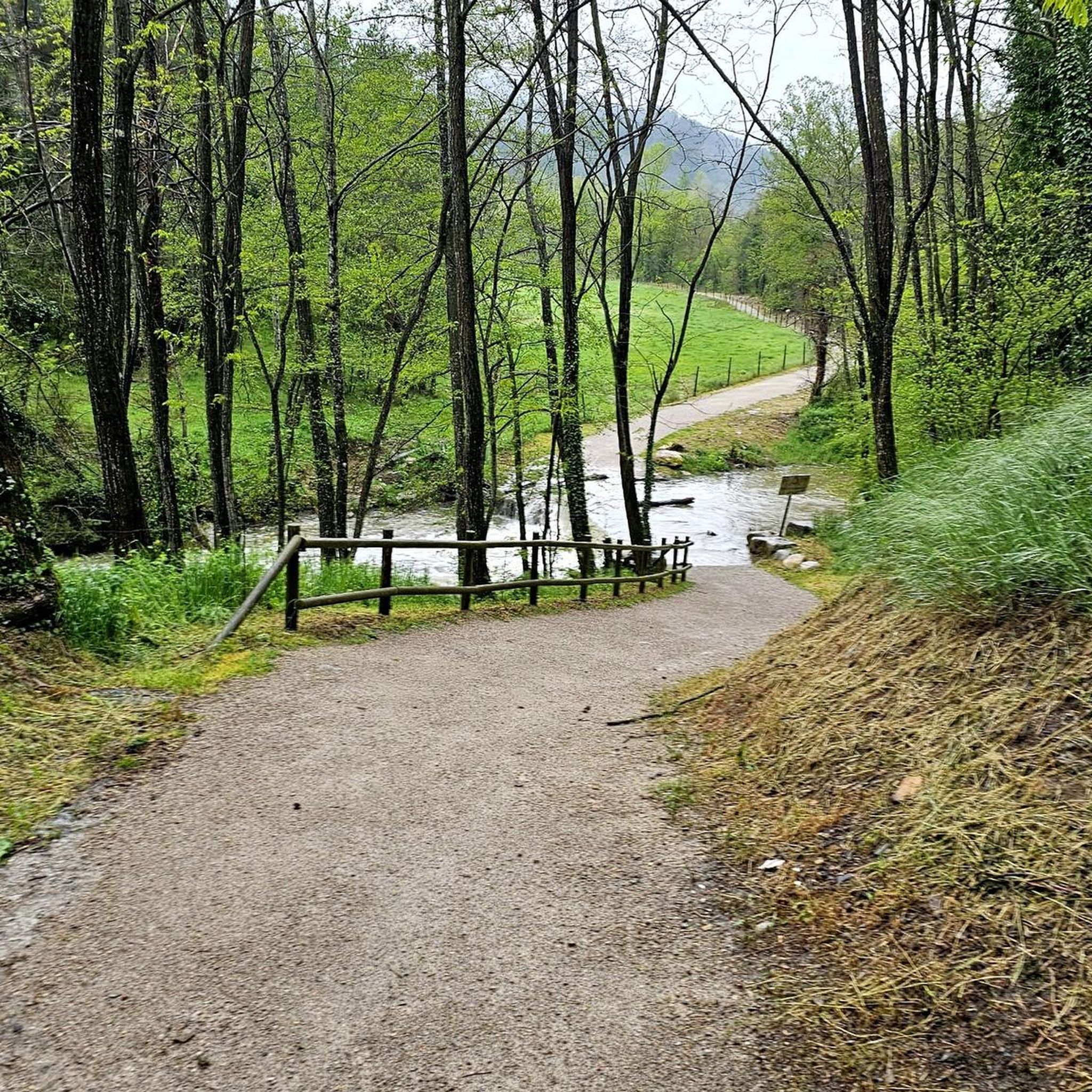
Absolutely! A significant natural attraction in the area is the 'Gorgs del Torrent de la Cabana,' also known as the 7 Gorges of Campdevànol. This route showcases incredible waterfalls and transparent natural pools, providing unique stopping points and scenic vistas for touring cyclists looking for natural beauty. While not a specific touring cycling route in our guide, many local trails pass near or offer views of these stunning features.
What historical or cultural attractions can I see along the touring cycling routes?
The region is rich in Romanesque heritage. You can encounter churches like Sant Llorenç de Campdevànol (11th-12th centuries) and Sant Pere d'Aüira (dating back to 1150), both offering historical insights and exceptional views. The Cabreta bridge, an 11th-century structure crossing the Freser River, is another historical landmark you might pass. Campdevànol also has an industrial past, particularly in iron production, which you can explore at the Molí Gros Ecomuseum and the Pyrfer Interpretation Centre.
Are there any notable viewpoints or mountain passes accessible by bike?
Yes, Campdevànol is surrounded by impressive peaks and mountain passes offering breathtaking views. Routes often traverse passes like Coll de Merolla, Coll de Jou, and Collada de Sentigosa. You can also find viewpoints such as Sant Amand Cross, providing panoramic vistas of the surrounding mountainous terrain.
Are the touring cycling routes around Campdevànol suitable for families?
For families, the 'Via Verde Ripoll-Campdevànol' offers a more accessible and largely paved route, suitable for a relaxed ride. While many of the longer touring routes are classified as difficult due to significant elevation and distance, there are local itineraries and nature trails that are less demanding and can be enjoyed by families, especially those with some cycling experience.
Can I bring my dog on the touring cycling routes in Campdevànol?
Many natural areas and trails in Campdevànol are dog-friendly, especially if your dog is accustomed to longer rides and you are prepared to carry water and supplies for them. However, it's always advisable to check local regulations for specific trails or protected areas, as some may have restrictions or require dogs to be on a leash. The varied terrain, including forest sections and river banks, can be enjoyable for dogs.
What is the best season for touring cycling in Campdevànol?
The region's diverse landscapes, including mountains and forests, make spring and autumn ideal for touring cycling. During these seasons, the weather is generally milder, and the natural scenery is particularly vibrant with blooming flowers or rich autumn colors. Summer can also be pleasant, especially in the shaded forest sections or near rivers, but be prepared for warmer temperatures, particularly at lower elevations.
Are there circular touring cycling routes available in Campdevànol?
Yes, many of the touring cycling routes around Campdevànol are designed as loops, allowing you to start and end in the same location. Examples include the Castellar de n'Hug – Coll de Merolla loop from Campdevànol and the Coll de Merolla – Ermita de les Esposes loop from Campdevànol. These circular routes offer varied terrain and scenic views without the need for shuttle arrangements.
What do other touring cyclists enjoy the most about cycling in Campdevànol?
The touring cycling routes in Campdevànol are highly rated by the komoot community, with an average score of 3.9 stars from over 20 reviews. Cyclists often praise the region's stunning natural beauty, including the mountainous scenery and dense forests, as well as the challenging yet rewarding climbs. The diverse terrain and the opportunity to explore historical sites and charming villages also contribute to a highly enjoyable experience.
What kind of natural landscapes will I encounter while cycling around Campdevànol?
You'll be cycling through a region known as the 'Garden of the Pyrenees,' characterized by impressive peaks like Sant Marc, Estiula, Montgrony, and Corones. The routes often wind through extensive pine and beech forests, providing shaded paths and a sense of immersion in nature. The Freser River and its tributary Merdàs also feature prominently, with numerous streams and waterways adding to the scenic beauty.
Most popular routes around Campdevànol
Most popular attractions around Campdevànol

Get inspired with the komoot mobile app


Explore more
Browse the best Cycling routes in other regions.
