Attractions and Places To See around Etxalar - Top 20
Best attractions and places to see around Etxalar are found in a village nestled within the Navarrese Pyrenees, known for its preserved traditional architecture and cultural heritage. The area offers a combination of historical landmarks and natural features. Visitors can explore sites reflecting centuries of history alongside diverse natural environments. Etxalar provides opportunities to experience rural Navarre's distinct character.
Best attractions and places to see around Etxalar
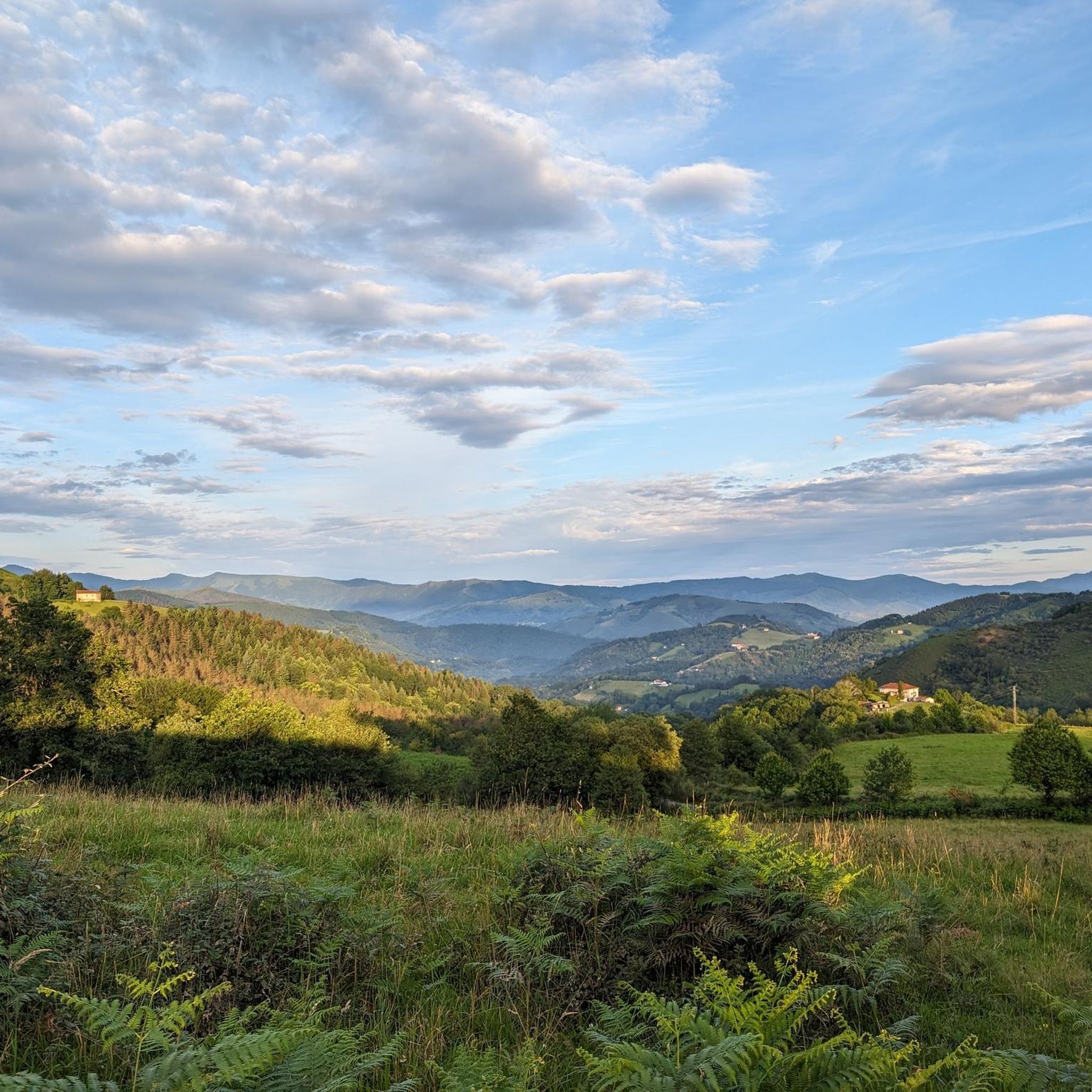
- The most popular attractions is La Rhune summit, a summit that rises to an altitude of 901 meters. It is located on the border between France and Spain, offering views of the French and Spanish Pyrenees and the sea.
- Another must-see spot is Saint-Ignace Pass, a mountain pass at an altitude of 169 meters. It serves as a starting point for trails leading to La Rhune and its surroundings, and includes a restaurant and a railway to the summit.
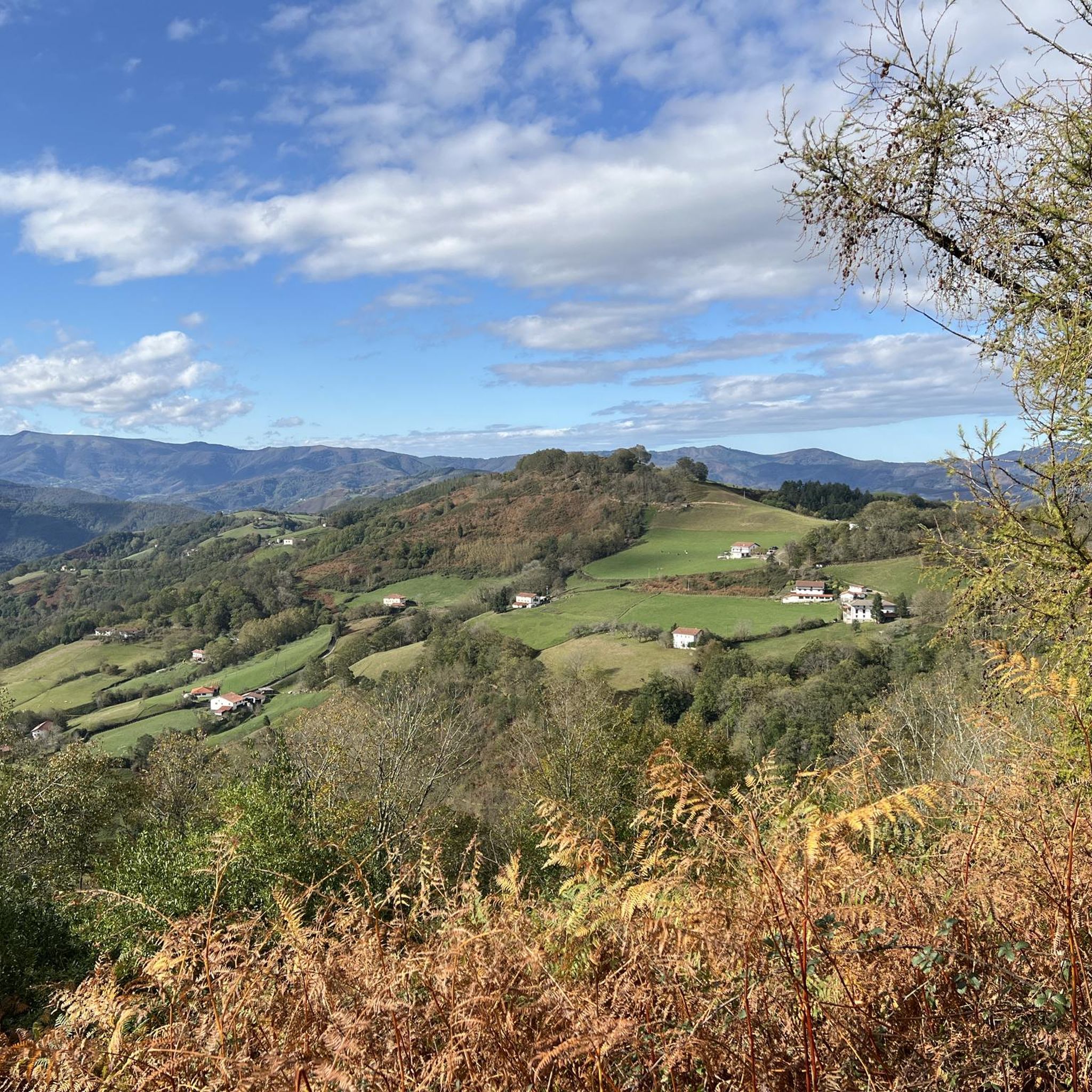
- Visitors also love Discoidal Steles and Three Crosses of Xareta, a man-made monument featuring stelae decorated with Basque crosses. This historical site offers views of the Basque Country and the Atlantic coast after a climb.
- Etxalar is known for its historical sites, natural features, and traditional architecture. The region offers a variety of attractions to see and explore, from ancient funerary markers to mountain passes and chapels.
- The attractions around Etxalar are appreciated by the komoot community, with more than 580 upvotes and 165 photos shared by visitors.
Last updated: July 6, 2026
La Rhune summit
Highlight • Summit
Translated by Google •
Tip by

Saint-Ignace Pass
Highlight • Mountain Pass
Translated by Google •
Tip by
Sign up now to discover places like this
Get recommendations on the best single tracks, peaks, & plenty of other exciting outdoor places.
Sign up for free
Col des Trois Fontaines
Highlight • Mountain Pass
Translated by Google •
Tip by
Notre-Dame-d'Aubépine chapel
Highlight • Religious Site
Translated by Google •
Tip by

Discoidal Steles and Three Crosses of Xareta
Highlight • Monument
Translated by Google •
Tip by
Sign up for free to discover even more attractions around Etxalar.
Sign up for free
Already have an account?
Start today with a free account
Your next adventure awaits.
Login or Signup

Other adventures around Etxalar

Tips from the Community

To be done outside of holiday periods
0
0

The Col de Saint-Ignace, nestled in the heart of the French Alps, is a scenic pass where you will be rewarded with panoramic views of the surrounding mountain ranges and picturesque valleys. Once there, take the time to enjoy the restaurant located there or take advantage of the railway that serves the pass.
1
0

Nice place for a picnic but please don't feed the pottoks
1
0

must-see to associate with the chapel and the three crosses, the points are right next to it, incredible view of the entire surrounding landscape
0
0
The pottoks are near the chapel, a beautiful isolated chapel which makes you wonder how it got there.
0
0

The Col de Saint-Ignace is at an altitude of 169 meters. It is the starting point for many trails which lead to La Rhune and its surroundings. There is a car park but also a restaurant as well as the little train which leads to the summit of La Rhune.
4
0
La Rhune or “Larrun” in Basque is a summit in the Basque Country which rises to an altitude of 901 meters. La Rhune, which is accessible by train or on foot, is located on the border between France and Spain.
3
1
The Saint-Ignace pass is the first on the pass route from the west. Culminating at an altitude of 169 meters, it presents little difficulty. There is a beautiful inn at the foot of the train which leads to the summit of La Rhune.
2
0
Frequently Asked Questions
What historical and cultural sites can I explore in Etxalar?
Etxalar is rich in history and culture. You can visit the 12th-century Church of Nuestra Señora de la Asunción, which houses a significant collection of over 100 discoidal stelae in its garden. Explore the traditional Basque architecture throughout the village, including homes with family coats of arms and construction dates from the 16th to 18th centuries. Don't miss the unique Pigeon Traps (Las Palomeras), a centuries-old tradition recognized as a Cultural Asset, where guided tours are available. Other notable sites include the Molino del Medio, an ancient mill, and the Iñarreta Cross with its biblical inscriptions.
Are there any family-friendly attractions or activities in Etxalar?
Yes, Etxalar offers options for families. The Saint-Ignace Pass is noted as family-friendly, offering a starting point for trails and featuring a restaurant and a railway to the summit of La Rhune. Exploring the traditional architecture of the village and visiting the Town Square where Basque pelota matches are played can also be engaging for families. The Molino del Infierno, with its picturesque natural setting, offers a pleasant walk for all ages.
What natural features and viewpoints are prominent around Etxalar?
The region around Etxalar boasts stunning natural beauty. The La Rhune summit offers panoramic views of the French and Spanish Pyrenees and the sea. The Saint-Ignace Pass and Col des Trois Fontaines also provide superb vistas of the surrounding mountains. You can also discover the magical Enchanted Forest, known for its unique tree shapes and mystical ambiance, and the scenic Infernal Mill (Molino del Infierno) situated in a beautiful natural setting along the Infernuko Erreka river.
Where can I find hiking trails near Etxalar?
Etxalar is an excellent base for hiking. There are numerous trails of varying difficulty in the surrounding mountainous landscape, which is part of the Atlantic Pyrenees. You can find marked circular paths starting from the town square that combine nature and heritage, passing by the Argarata stream and bridge. Other routes lead to Mount Atxuria, and the long-distance GR 11 route also passes nearby. For more specific routes, you can explore the Mountain Hikes around Etxalar guide.
Are there opportunities for running or mountain biking near Etxalar's attractions?
Yes, the area around Etxalar offers diverse terrain suitable for running and mountain biking. You can find various routes that explore the natural landscapes and connect to different attractions. For detailed running paths, refer to the Running Trails around Etxalar guide. If you're interested in mountain biking, the MTB Trails around Etxalar guide provides options ranging from moderate to difficult.
What is the significance of the Discoidal Steles and Three Crosses of Xareta?
The Discoidal Steles and Three Crosses of Xareta is a significant man-made monument. The stelae are ancient funerary markers decorated with Basque crosses, some dating back to Celtic times, forming the largest collection in Navarre. The three crosses represent Jesus surrounded by two thieves. After a climb, this historical and archaeological site offers breathtaking views of the Basque Country and the Atlantic coast.
What is the Notre-Dame-d'Aubépine chapel known for?
The Notre-Dame-d'Aubépine chapel, dating back to 1886, is known for its way of the cross, which originated from the village of Ainhoa. Located at the foot of Mount Errebi on the GR 10, the chapel offers a beautiful view of the village of Ainhoa below. It's a peaceful spot for rest and reflection, with large crosses in its immediate vicinity.
What is the best time to visit Etxalar for outdoor activities?
Etxalar's natural beauty, especially the Enchanted Forest, is particularly stunning with autumn colors. The region is part of the Atlantic Pyrenees, near the Cantabrian Sea, suggesting a mild climate. While specific best times aren't detailed, spring and autumn generally offer pleasant temperatures for hiking and exploring the mountainous landscape and forests.
What are the traditional architectural features of Etxalar?
Etxalar is celebrated for its well-preserved traditional Basque architecture. Strolling through the village, you'll observe large stone houses, often featuring wooden balconies and steep tiled roofs. Many homes proudly display family coats of arms and construction dates, some as early as the 16th century. Notable examples include Casa Iñarreta and traditional farmhouses like Aldaitegia and Etxebertzea.
Can I learn about the history of Etxalar's houses?
Yes, Etxalar's houses tell a story of the village's rich history. Many traditional homes feature construction dates and family coats of arms, reflecting centuries of heritage. For more in-depth information about the history embedded in Etxalar's architecture, you can visit the official tourism site: The history of Etxalar through its houses.
What do visitors enjoy most about the attractions around Etxalar?
Visitors particularly appreciate the stunning views from high points like the La Rhune summit and the Col des Trois Fontaines. The historical significance of sites like the Discoidal Steles and the peaceful atmosphere of the Notre-Dame-d'Aubépine chapel are also highly valued. The combination of challenging trails and rewarding vistas makes the area a favorite for outdoor enthusiasts.
Most popular routes around Etxalar
Most popular attractions around Etxalar

Get inspired with the komoot mobile app


Explore more
Still not found the Highlight you’re looking for? See guides of the top attractions in other regions:
