The best MTB trails around Hontoba
4.8
(13)
255
riders
29
rides
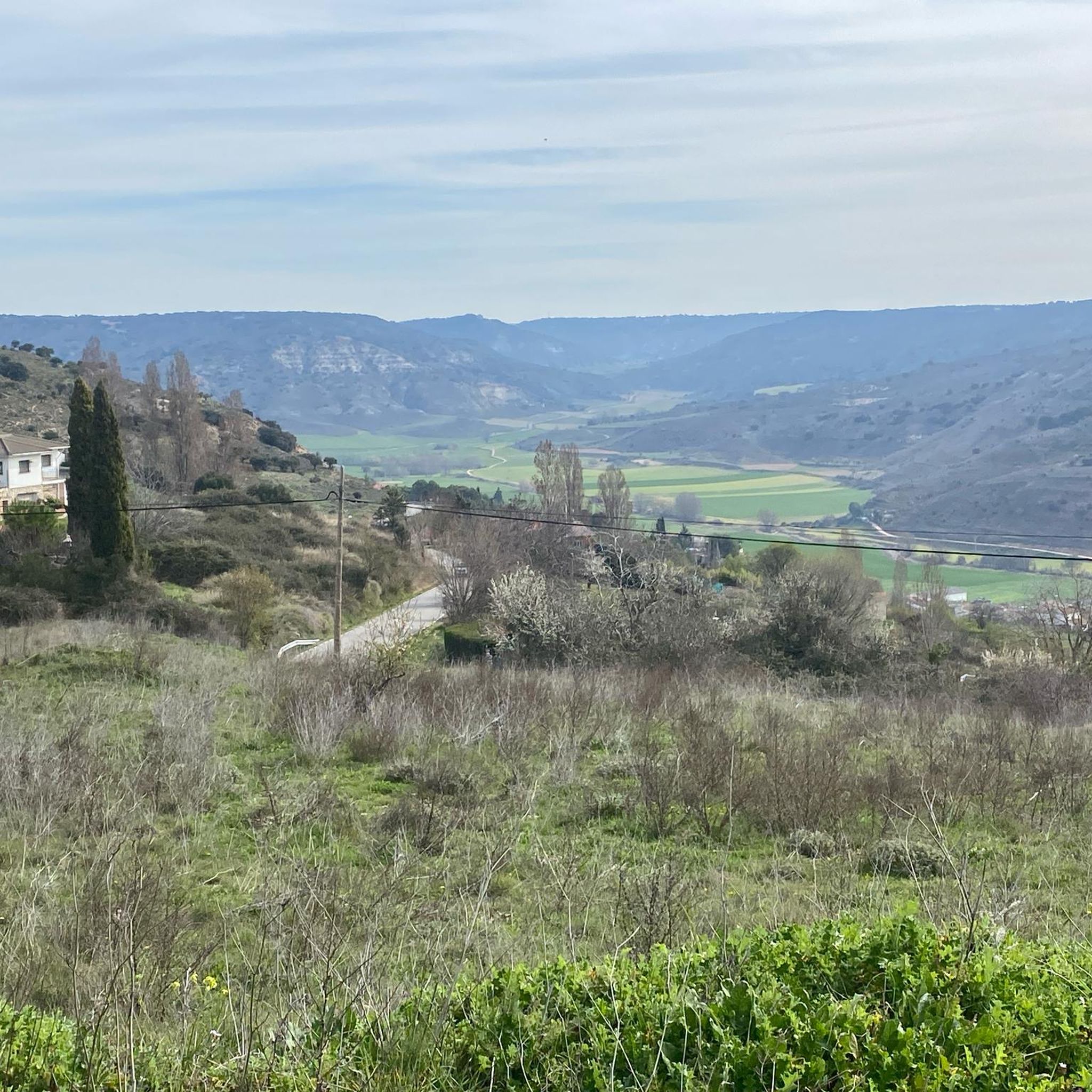
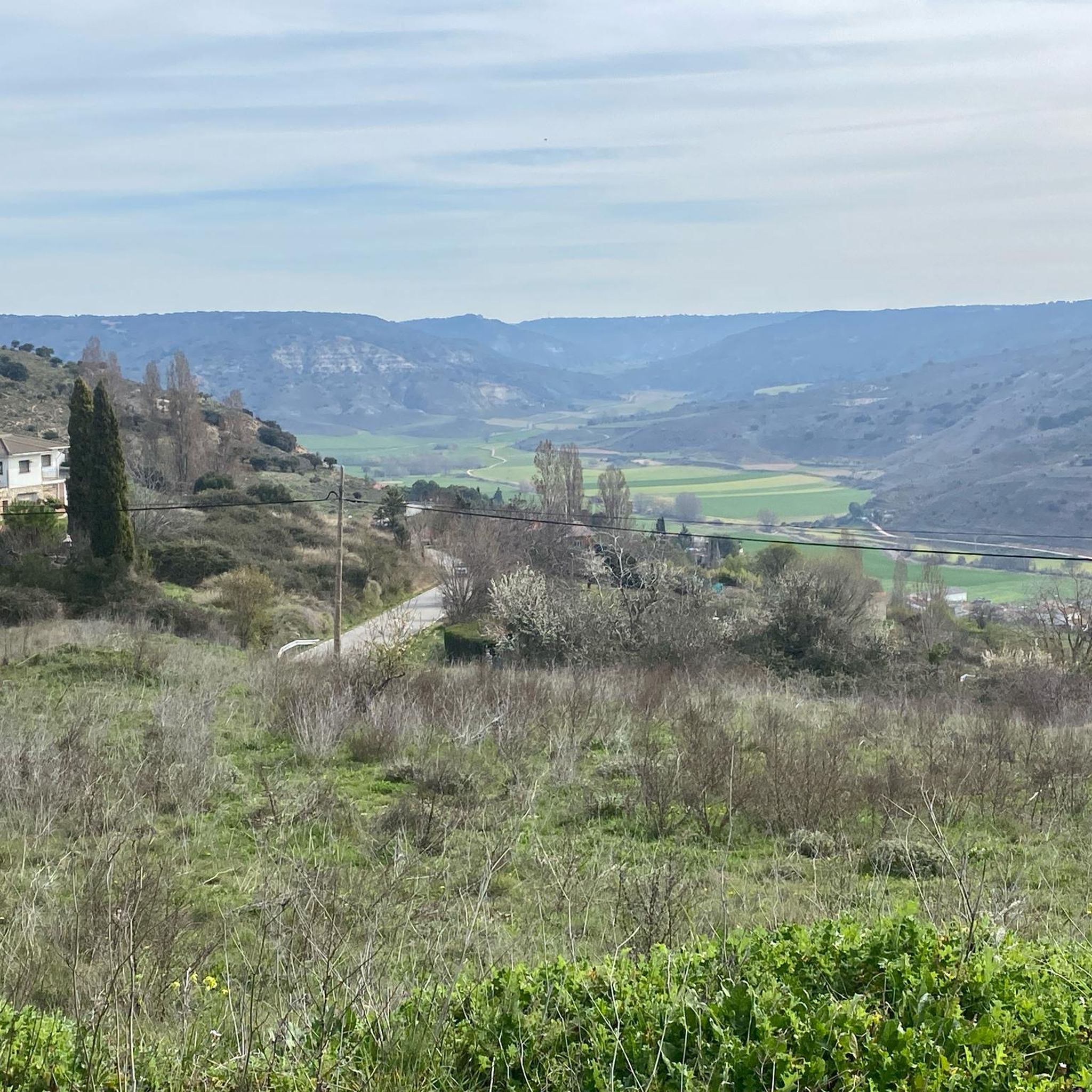
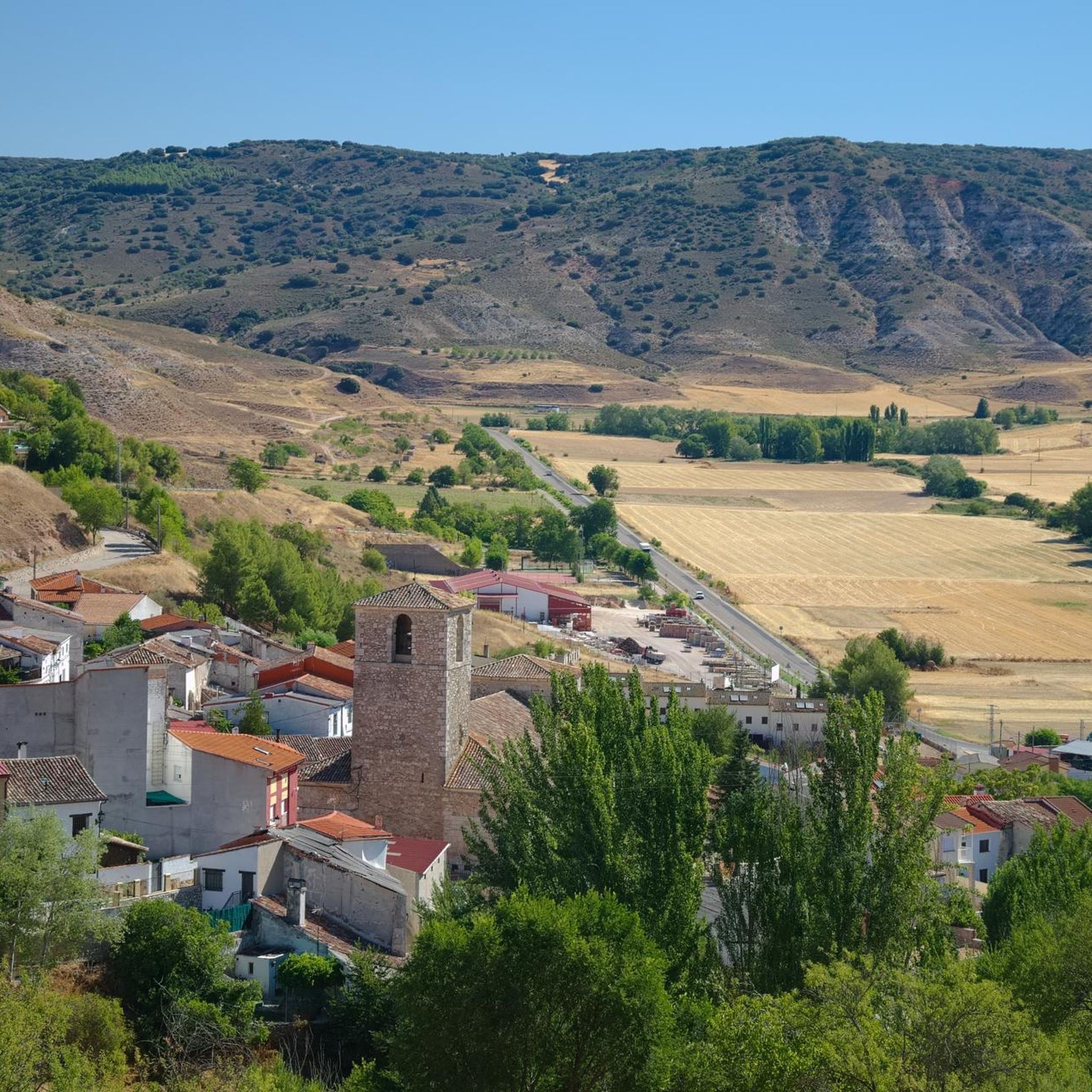
Mountain bike trails around Hontoba are situated in a deep valley carved by the San Sebastián stream, a tributary of the Tajuña River. The region, part of the Guadalajara province, features varied terrain suitable for mountain biking, including hills and scenic river valleys. Riders can expect routes that traverse countryside landscapes and integrate historical elements. The area's natural environment provides diverse options for outdoor enthusiasts.
Best mountain bike trails around Hontoba
- The most popular mountain bike trail is Pastrana and…
Last updated: May 20, 2026
1
riders
60.5km
04:54
640m
640m
This 37.6-mile mountain biking route from Pastrana explores historical sites like Recópolis and Zorita de los Canes Castle.
5.0
(1)
58
riders
44.5km
04:30
1,030m
1,030m
Hard mountain bike ride. Very good fitness required. Suitable for all skill levels.

Sign up for free
51
riders
38.4km
03:37
670m
670m
Moderate mountain bike ride. Good fitness required. Advanced riding skills necessary.
30
riders
45.6km
04:32
990m
990m
Hard mountain bike ride. Very good fitness required. Advanced riding skills necessary.
22
riders
37.5km
03:10
450m
450m
Moderate mountain bike ride. Good fitness required. Suitable for all skill levels.
Get access to more routes and recommendations from other explorers.
Sign up for free
Already have an account?
Our route recommendations are based on thousands of hikes, rides, and runs completed by other people on komoot.
Start today with a free account
Your next adventure awaits.
Login or Signup


Tips from the Community

The Valmores watering hole was restored in 2022, recovering an essential piece in the ethnographic heritage of Pezuela de las Torres. The first references to the fountain appear in the Topographic Relations of 1578. In 1735, reforms and improvements were made to the original spring, making it essential in the daily life of the countryside. The construction has a functional design to water livestock at a crossroads of the Alcarreño moor with trees and benches to take a break.
0
0
Pezuela de las Torres acquired jurisdictional independence in 1554 for the payment of one and a half million maravedis, erecting a pillory in the Plaza del Coso that represented the power to administer justice and a place for the town's residents to see criminals who were being sentenced to a pillory. The pillory is seven metres high on a pedestal of four steps and is topped with the heads of four lions. Next to it is the Plaza de la Constitución, home to the Town Hall and the Church of the Assumption, with a Romanesque apse and the rest rebuilt between the 16th and 18th centuries. It has a curious stately doorway from 1748 and a 16th century porticoed gallery, known as El Portalillo, the former meeting centre of the council. Most of the town's streets are on a slope, facing the plain, some houses retain the traditional two-storey country architecture and white facades. On Cerro del Calvario there are remains of traditional wineries used to make wine.
0
0

The Valmores fountain, an Asset of Heritage Interest of the Community of Madrid, is a good example of the historical sources existing in the region, closely linked to livestock farming and the livestock routes that facilitated the movement of herds through the territory. It is attached to the base of a bank, a wide unproductive slope that links dry fields arranged at different levels, and preserves the original catchment system intact, maintaining an acceptable flow. Source: https://www.comunidad.madrid/cultura/patrimonio-cultural/restauracion-fuente-valmores-pezuela-torres
0
0
Its history dates back to 1554. Pezuela had one hundred and eighty residents. The Council collected a million and a half maravedíes that ended up in the hands of King Carlos I in exchange for being able to have jurisdiction. On the occasion of this event, to commemorate and warn all travelers that Pezuela had achieved the power to administer justice for itself and that it was now a Villa, the Picota was ordered to be erected, a stone monument that was usually placed in the public square or at a crossroads. There are many legends of torture in Pezuela de las Torres. They all took place in the town square. In the past, the pillory was an instrument that was used to torture, place prisoners for public ridicule or expose a person's head after their execution. In it, major and minor penalties were paid for common criminals, who, after being whipped, were exposed to public shame. It had an exemplary character and had to be visited by the people when there were sentences. In addition to capital punishment, the exposure of public shame was frequent: the condemned had to endure the outbursts of the neighbors in addition to suffering the throwing of things that were within their reach (rocks, excrement or whatever they had at hand). That's where, in fact, the term pillorying or empicotar comes from. Although it was not the only one in the region, Pezuela today is one of the most important in the Community of Madrid. Source: https://elresurgirdemadrid.com/pezuela-de-las-torres-plaza-picota/
1
0

The castle of Zorita de los Canes stands on a hill on one of the banks of the Tagus River. It is a fortification of Arab origin built in the 9th century.
4
1
Recópolis is an archaeological site located near Zorita de los Canes. Here are the ruins of an ancient Visigothic city.
3
2

In the plain of the Arles river, between the Tagus and the Tajuña, the Villa Ducal de Pastrana welcomes us. Its multiple samples of artistic and cultural heritage have given it the title of Artistic Historical Site. Pastrana is enriched with figures and literary stories; Thus, its Carmelite convents were founded by Saint Teresa and Saint John of the Cross. Moratín later settled in the town for long periods of time and, closer to our days, Camilo José Cela immortalized it by portraying it in his Viaje a la Alcarria. The Plaza de la Hora is governed by the imposing Ducal Palace, in Renaissance style and with an abundance of Mannerist elements. Some wonderful coffered ceilings also designed by Alonso de Covarrubias, in Plateresque style, have been preserved. Likewise, the skirting boards of Toledo tiles in the Mudejar style stand out. It offers its visitors the opportunity to visit various museums and emblematic monuments of the town. DUCAL PALACE TAPESTRY MUSEUM SANTA TERESA V CENTENARY MUSEUM
18
0
A typical Gothic castle whose current shape was arranged by the masters of the Order of Calatrava, inside which we will find interesting remains from the different periods in which it was occupied. The Iron Gate, the result of the reforms of Caliph Al-Nasir in the 10th century; the Priory Church of San Benito inside the enclosure; the crypt with a Visigothic Corinthian capital, reused as a baptismal font; the Sala del Moro, covered by a hemispherical ashlar vault; the Torre del Espolón, adaptation to the use of artillery, from the s. XVI; the cistern; the Omega room, with two rooms excavated in the rock, a ribbed plaster vault and a bench running along the walls; the watchtower And all this, in the surroundings of the Visigothic city of Recópolis.
6
2
Frequently Asked Questions
How many mountain bike trails are available around Hontoba?
There are 29 mountain bike trails around Hontoba, offering a diverse range of experiences. These routes are highly rated by the komoot community, with an average score of 4.8 stars.
What are the difficulty levels of mountain bike trails in Hontoba?
The trails around Hontoba cater to various skill levels. You'll find 3 easy routes, 24 moderate routes, and 2 difficult routes, ensuring options for both beginners and experienced riders.
Are there any family-friendly mountain bike trails near Hontoba?
Yes, Hontoba offers 3 easy mountain bike routes that are suitable for families. These trails provide a gentler introduction to the region's beautiful landscapes.
What kind of terrain can I expect on mountain bike trails in Hontoba?
Mountain biking around Hontoba is characterized by the scenic Tajuña River valley and varied terrain, including hills. Routes often traverse countryside landscapes and integrate historical elements, providing a mix of natural beauty and cultural interest.
Are there any historical sites or attractions to see along the mountain bike trails?
Yes, the region boasts several historical attractions. You can explore the Valmores Fountain, an Asset of Heritage Interest, or the impressive Pioz Castle. Some routes also follow the picturesque Road Along the Tajuña River, offering scenic views and historical context.
What is a good moderate mountain bike route to try in Hontoba?
A popular moderate route is the La Machacadora – Fuente de Santa Ana loop from Fuentelviejo. This 23.9-mile (38.4 km) trail leads through the local countryside and can typically be completed in about 3 hours 37 minutes.
Can you recommend a challenging mountain bike route in the Hontoba area?
For a more challenging ride, consider the Mountainbike loop from Fuentelviejo. This difficult 45.6 km route features significant elevation changes and requires advanced riding skills.
Are there any circular mountain bike routes around Hontoba?
Many of the trails in the Hontoba area are designed as loops. For example, the Valmores Fountain – Rocky Descent loop from Urbanización Las Matillas offers a 37.5 km circular ride with varied scenery.
What is the best time of year to go mountain biking in Hontoba?
The Guadalajara province, where Hontoba is located, generally offers good conditions for mountain biking for much of the year. However, consider the summer months can be very hot, while winter might bring colder temperatures. Spring and autumn often provide the most pleasant weather for riding.
Are there specific regulations for mountain biking in natural parks or protected areas near Hontoba?
While Hontoba itself is in a valley, the wider Guadalajara province includes natural areas. It's always advisable to check local regulations for specific natural parks or protected zones you plan to enter, as rules regarding cycling, permits, and trail access can vary.
Is public transport available to access mountain bike trails in Hontoba?
Hontoba is a smaller village, and while specific public transport links directly to trailheads might be limited, it's part of the Guadalajara province which has regional bus services. For detailed information on public transport options to Hontoba or nearby starting points, it's best to consult local transport schedules.
Where can I find parking for mountain biking in Hontoba?
As a rural area, parking in Hontoba and surrounding villages like Fuentelviejo or Pastrana is generally available, often in village centers or designated areas. Always ensure you park responsibly and do not obstruct local access or private property.
Most popular attractions around Hontoba

Get inspired with the komoot mobile app


Explore more
Browse the best MTB trails in other regions.
