The best walks and hikes around Miranda Del Castañar
4.5
(284)
1,635
hikers
52
hikes
Hiking around Miranda Del Castañar offers access to the diverse landscapes of the Sierra de Francia region in Salamanca, Spain. The area is characterized by mountainous terrain, deep river valleys like the Alagón, and extensive oak and chestnut woodlands. Hikers can expect routes that traverse terraced cultivations, vineyards, and olive groves, often providing panoramic views of Peña de Francia and the Sierra de Candelario. The village itself, a Historical Site, serves as a starting point for trails exploring both natural beauty and medieval architecture.
Best hiking trails around Miranda Del Castañar
- The most popular hiking route is Miranda del Castañar - Villanueva del Conde – circular by the Camino de los Prodigios, a 7.2 miles (11.6 km) trail that takes 3 hours 37 minutes to complete. This moderate circular path explores varied landscapes, including vineyards and forests, and features "Art in Nature" installations.
- Another top favourite among local hikers is Mogarraz – Mogarraz Main Square loop from Miranda del Castañar, a moderate 8.6 miles (13.8 km) path. This route explores the Batuecas Natural Park and the Sierra de Francia region.
- Local hikers also love the Miranda de Castañar – Miranda del Castañar loop from Miranda del Castañar, a 4.4 miles (7.1 km) trail leading through the local countryside, often completed in about 1 hour 55 minutes.
- Hiking around Miranda Del Castañar is defined by dense oak and chestnut forests, river valleys, and cultivated vineyards. The network offers options for different ability levels, from easy loops to more challenging long-distance segments.
- The routes in Miranda Del Castañar are highly rated by the komoot community with an average score of 4.5 stars from over 200 reviews. More than 1000 hikers have used komoot to explore Miranda Del Castañar's varied terrain.
Last updated: July 9, 2026
4.7
(48)
260
hikers
6.73km
02:04
240m
240m
Hike the moderate Camino del Agua circular trail from Mogarraz, exploring art in nature, forests, and charming villages in Sierra de Francia
4.9
(21)
115
hikers
Moderate hike. Good fitness required. Mostly accessible paths. Sure-footedness required.

Sign up for free
4.7
(12)
49
hikers
8.41km
02:20
160m
150m
Moderate hike. Good fitness required. Easily-accessible paths. Suitable for all skill levels.
4.9
(20)
123
hikers
9.32km
02:56
330m
330m
Moderate hike. Good fitness required. Mostly accessible paths. Sure-footedness required.
4.5
(12)
57
hikers
Easy hike. Great for any fitness level. Easily-accessible paths. Suitable for all skill levels.
Get access to more routes and recommendations from other explorers.
Sign up for free
Already have an account?
Our route recommendations are based on thousands of hikes, rides, and runs completed by other people on komoot.
Start today with a free account
Your next adventure awaits.
Login or Signup

Tips from the Community

The Plaza Mayor of Mogarraz is the heart of the village and one of its most picturesque spots. Oval shape: Unlike other Castilian squares, Mogarraz's has an irregular, enclosed shape, surrounded by traditional mountain houses with timber framing and stone walls. Traditional architecture: Flower-filled balconies, arcades, and facades adorned with the famous portraits from the "Faces of Mogarraz" art project. Social and historical center: Formerly used for markets and popular celebrations, today it serves as a meeting point for visitors and locals alike. Highlights: Central fountain. Views of the church and cobbled streets leading from the square. Restaurants and bars with terraces where you can sample the local mountain cuisine.
1
0
What to see in Mogarraz The Faces of Mogarraz More than 800 portraits painted on the facades, the work of artist Florencio Maíllo, who transformed the village into an open-air museum. This initiative originated from photos taken in the 1960s for residents' national identity cards. Main Square The central oval-shaped square, surrounded by traditional mountain houses with timber framing and stone walls. Church of Our Lady of the Snows A Renaissance-style church, built between the 16th and 17th centuries. Bell Tower An old defensive tower, separate from the church, used as a watchtower in the Middle Ages. Ethnographic Museum – House of Crafts Exhibits traditional crafts such as embroidery, shoemaking, and goldsmithing.
2
0
Founded during the 12th-century repopulation of León by Alfonso IX, within the district of Miranda del Castañar. Declared a Historic-Artistic Site in 1998 and a member of the network of the Most Beautiful Villages of Spain. Its mountain architecture combines stone, wood, and adobe, with flower-adorned balconies and heraldic details.
2
0
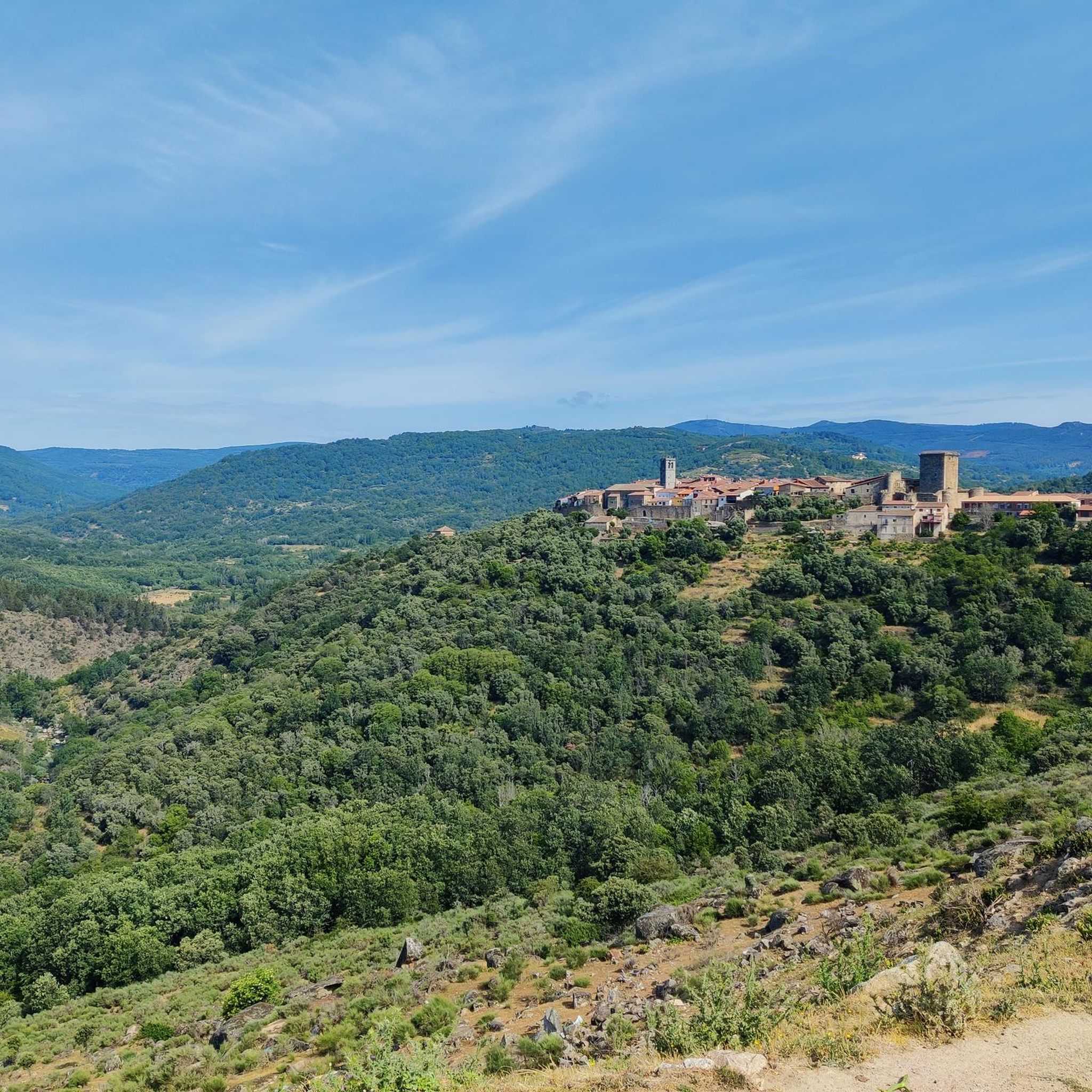
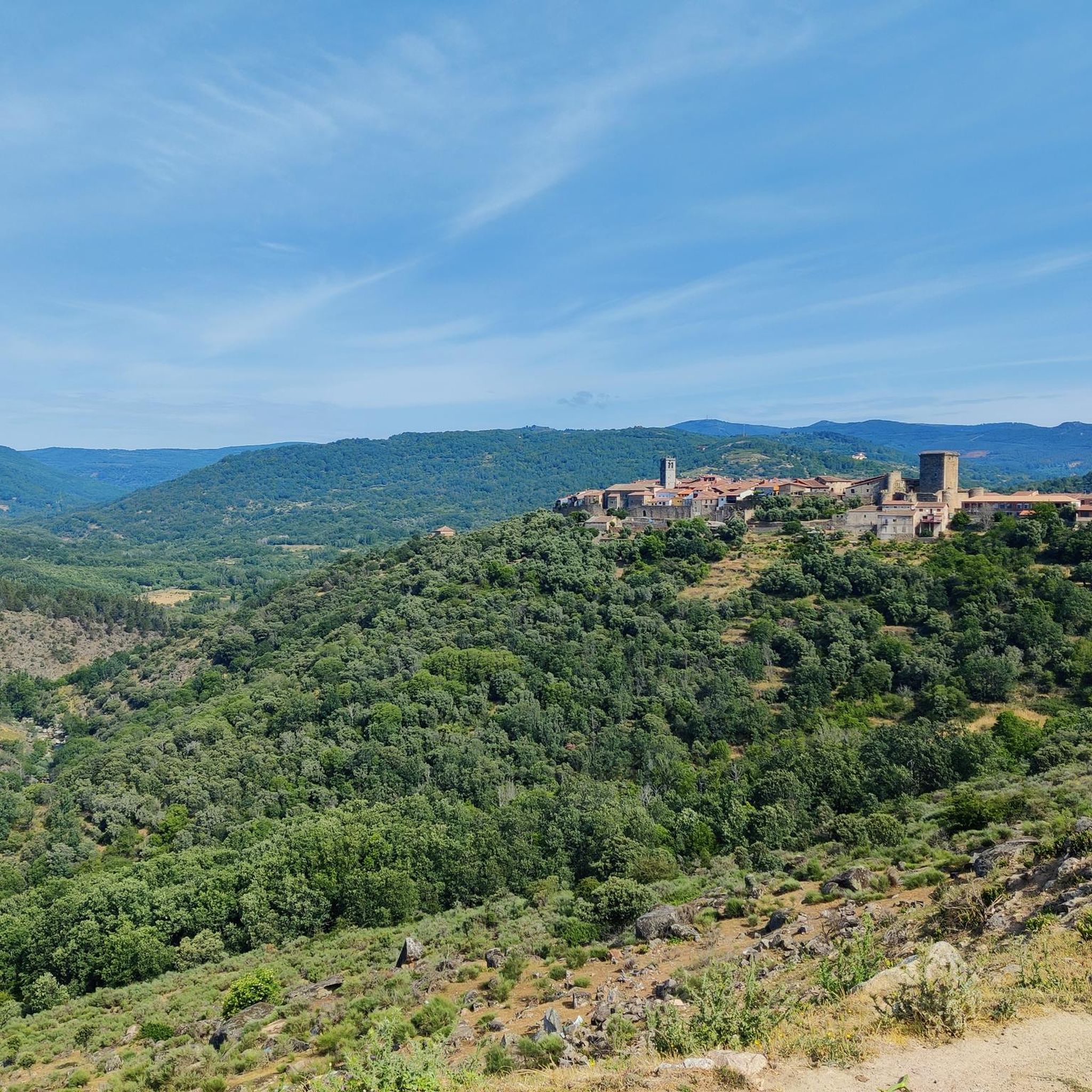
What to see in Miranda del Castañar Medieval Walls: Over 600 meters remain intact, with four gates facing the cardinal directions: San Ginés, Nuestra Señora, La Villa, and El Postigo. Zúñiga Castle: A 15th-century fortress, symbol of the former County of Miranda. Although the interior is not open to the public, its exterior and keep are impressive. Square Bullring: Considered one of the oldest in Spain, built in the 16th century on the site of the former parade ground. Church of Santiago and San Ginés: Gothic in style (13th-16th centuries), with a detached 17th-century bell tower. Houses with Coats of Arms: More than 80 noble coats of arms adorn the facades, reflecting the town's aristocratic past.
1
0
Miranda del Castañar, one of the most beautiful villages in Spain, is located in the Sierra de Francia (Salamanca): Founded in 1213 by Alfonso IX of León as a town and council, it was the administrative capital of the Sierra de Francia. In the 15th century, the County of Miranda was created under the control of the Zúñiga family, consolidating its strategic importance.
1
0
Zúñiga Castle: A 15th-century fortress, symbol of the former County of Miranda. Although it is not open to the public, its exterior and keep are impressive.
1
0
What to see in Miranda del Castañar Medieval Walls: Over 600 meters remain intact, with four gates facing the cardinal directions: San Ginés, Nuestra Señora, La Villa, and El Postigo. Zúñiga Castle: A 15th-century fortress, symbol of the former County of Miranda. Although the interior is not open to the public, its exterior and keep are impressive. Square Bullring: Considered one of the oldest in Spain, built in the 16th century on the site of the former parade ground. Church of Santiago and San Ginés: Gothic in style (13th-16th centuries), with a detached 17th-century bell tower. Houses with Coats of Arms: More than 80 noble coats of arms adorn the facades, reflecting the town's aristocratic past.
8
0
Miranda del Castañar, one of the most beautiful villages in Spain, is located in the Sierra de Francia (Salamanca): Founded in 1213 by Alfonso IX of León as a town and council, it was the administrative capital of the Sierra de Francia. In the 15th century, the County of Miranda was created under the control of the Zúñiga family, consolidating its strategic importance.
9
0
Frequently Asked Questions
What kind of terrain can I expect on hikes around Miranda Del Castañar?
The hiking trails around Miranda Del Castañar traverse diverse landscapes within the Sierra de Francia. You'll encounter mountainous areas, deep river valleys like the Alagón, and extensive oak and chestnut woodlands. Many routes also pass through terraced cultivations, vineyards, and olive groves, offering varied scenery and often panoramic views of Peña de Francia and the Sierra de Candelario.
Are there any easy, family-friendly hiking options in Miranda Del Castañar?
Yes, there are several easy routes suitable for families. For instance, the Miranda de Castañar – Miranda del Castañar loop is an easy 4.4-mile (7.1 km) trail that takes about 2 hours to complete, leading through the local countryside. The region research also mentions the Camino de los Rodales (PRC-SA 16) as an easy, circular walk of about 6.5 km.
What are the most scenic natural features or viewpoints to look out for?
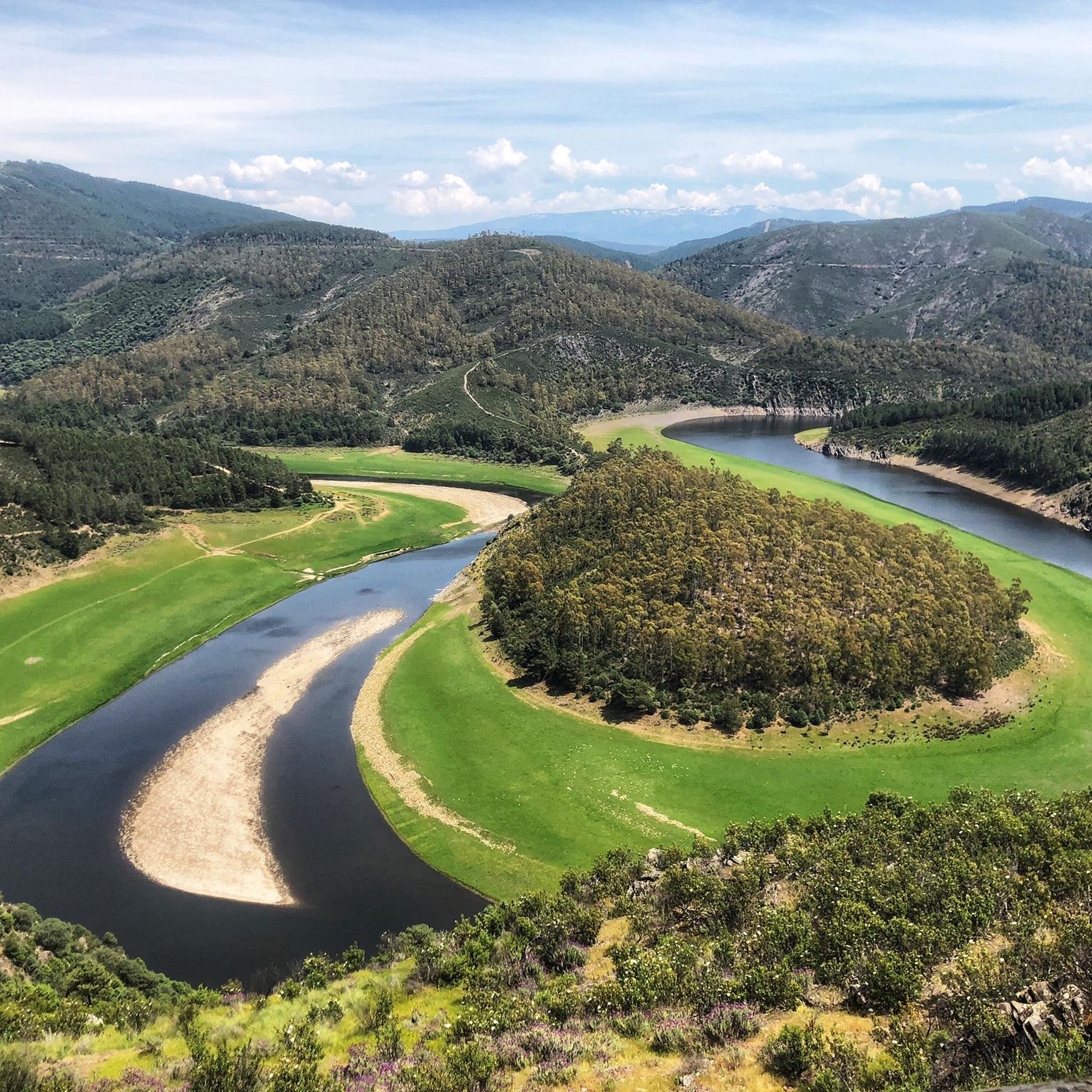
Hikers can enjoy stunning natural features and viewpoints. The region offers panoramic views of significant landmarks like Peña de Francia and the Sierra de Candelario. You might also encounter the deep Alagón River valley, with its dramatic views and terraced cultivations. Specific highlights include the View of Meandro del Melero and the View of the Alagón River.
Are there any circular hiking routes available?
Yes, Miranda Del Castañar offers several circular routes. A popular moderate option is the Miranda del Castañar - Villanueva del Conde – circular by the Camino de los Prodigios, which is 7.2 miles (11.6 km) long. Another is the Camino del Agua – circular from Mogarraz, a moderate 4.2-mile (6.7 km) path exploring the Batuecas Natural Park.
What do other hikers say about the trails in Miranda Del Castañar?
The trails in Miranda Del Castañar are highly rated by the komoot community, with an average score of 4.5 stars from over 200 reviews. Hikers often praise the diverse landscapes, the well-maintained paths through oak and chestnut forests, and the charming medieval atmosphere of the village itself.
Can I bring my dog on the hiking trails?
While many trails in the Sierra de Francia are generally dog-friendly, it's always advisable to keep dogs on a leash, especially in areas with livestock or protected wildlife. The region is a Zona Especial de Protección de Aves (ZEPA - Special Protection Area for Birds), so respecting wildlife is important.
What is the best time of year to go hiking in Miranda Del Castañar?
The Sierra de Francia region generally boasts excellent weather, making it suitable for hiking for much of the year. Spring and autumn are particularly pleasant, with mild temperatures and vibrant natural colors. Summer can be warm, but the extensive oak and chestnut forests provide welcome shade on many routes.
Are there any historical or cultural sites to explore along the trails or in the village?
Absolutely. Miranda Del Castañar itself is a Historical Site with a captivating medieval atmosphere. You can explore its medieval wall with four gates, the 14th-century castle, the Torre de las Campanas (bell tower), and the Alhóndiga building. Walking along Calle Derecha reveals noble houses and glimpses into the village's Moorish and Jewish heritage. The Miranda del Castañar highlight provides more information.
How many hiking trails are there in total around Miranda Del Castañar?
There are over 40 hiking routes available around Miranda Del Castañar, catering to various fitness levels. This includes a mix of easy, moderate, and some more challenging trails, ensuring options for almost every hiker.
Is there public transport access to the hiking trailheads?
Miranda Del Castañar is a village in a rural area. While some regional bus services might connect it to larger towns, direct public transport to specific trailheads outside the village center may be limited. It's recommended to check local bus schedules in advance or consider driving to access a wider range of starting points.
Are there any longer, more challenging routes for experienced hikers?
Yes, for experienced hikers looking for a challenge, segments of the GR-10 Norte long-distance path pass through the area. For example, Etapa 2 from Colmenar de Montemayor to Miranda del Castañar is a more challenging route, taking about 6 hours and covering 21.2 km. Another option is the Mogarraz – Mogarraz Main Square loop from Cepeda, a moderate 13.8 km trail with significant elevation gain.
What kind of wildlife can I expect to see while hiking?
The Sierra de Francia region is known for its rich biodiversity. It's designated as a Zona Especial de Protección de Aves (ZEPA), meaning you have a good chance of observing various bird species. The dense oak and chestnut forests also provide habitats for a range of other local fauna, though sightings can depend on the time of day and trail quietness.
Most popular routes around Miranda Del Castañar
Most popular attractions around Miranda Del Castañar

Get inspired with the komoot mobile app


Explore more
Browse the best Hikes in other regions.
