Attractions and Places To See around La Puebla De Castro - Top 20
Best attractions and places to see around La Puebla De Castro, a medieval village in the Huesca province of Aragon, Spain, offers a blend of historical, cultural, and natural attractions. Situated between the Ésera and Cinca rivers in the Ribagorza region, it provides a diverse experience for visitors. The area features ancient Roman sites, medieval architecture, and significant religious buildings. Natural landscapes include impressive gorges and reservoirs, making it suitable for exploration.
Best attractions and places to see around La…
Last updated: July 7, 2026
La Puebla de Castro
Highlight • Settlement
Translated by Google •
Tip by

Basilica of the Virgen de la Peña
Highlight • Religious Site
Translated by Google •
Tip by

Sign up now to discover places like this
Get recommendations on the best single tracks, peaks, & plenty of other exciting outdoor places.
Sign up for free
Puente de Abajo
Highlight • Bridge
Translated by Google •
Tip by
Capella Romanesque Bridge
Highlight • Bridge
Translated by Google •
Tip by
Plaza Mayor de Graus
Highlight • Historical Site
Translated by Google •
Tip by
Sign up for free to discover even more attractions around La Puebla De Castro.
Sign up for free
Already have an account?
Start today with a free account
Your next adventure awaits.
Login or Signup
Popular around La Puebla De Castro

Other adventures around La Puebla De Castro

Tips from the Community

This beautiful medieval bridge was built between the 13th and 14th centuries. It is about one hundred meters long and almost three meters wide, which allowed carriages and vehicles to cross from one side to the other.
0
0
You may not see this bridge if you pass quickly and are not paying attention. In addition to its beauty, it is also interesting for its location, since it is located next to the mouth of the Isábena river with the Ésera river.
0
0
It is a beautiful town that can be easily reached by pedaling from Secastilla. There are many tracks in the area, which also connect with the reservoir, although if you have to return, make sure to save your strength, since you will have to climb back up. In addition to walking through its quiet streets and discovering corners such as its oil mill, we recommend that you visit the Roman site of Labitolosa (next to the town) and the incredible hermitage of San Román, located in a location that will not leave you indifferent.
0
0

The city of Graus has been declared an artistic-historical complex and its main square is a good example of why. The stone arches, the painted facades of the manor houses and the buildings from different eras create a charming traditional atmosphere to stop and have a drink (don't miss the opportunity to taste the famous Graus sausage).
1
0
The Basilica of the Virgen de la Peña is, without a doubt, the most emblematic building in the city of Graus. As its name indicates, the basilica stands on a hill guarded by a great rock wall. The current temple was built in the 16th century, although there was already a Romanesque sanctuary before. It is well worth visiting the cloister of the basilica, from where you have fantastic views of Graus and the surroundings. In summer, classical music concerts are also held in the cloister.
1
1
Despite having such an unpretentious name as "Puente de Abajo", the truth is that this bridge is a beautiful medieval construction with three ashlar arches. It is located in the Aragonese town of Graus, on the waters of the Ésera river.
0
0

This town is a good starting point for numerous excursions that lead you to discover the history of the area, with the Labitolosa site as the highlight.
0
0

Very nice view of the village of Puebla la Castro a special feature are the fortification towers in the villages
0
0
Frequently Asked Questions
What historical sites can I explore in La Puebla de Castro?
La Puebla de Castro is rich in history. You can explore the village itself, which serves as a great starting point for discovering the area's past, including the significant Roman site of Labitolosa. Don't miss the Old Village of Castro with its ancient castle remains and the Romanesque Church of San Román. The Plaza Mayor de Graus, declared an artistic-historical complex, also offers a glimpse into traditional architecture and history.
Are there any notable religious buildings or cultural sites to visit?
Yes, the region features several significant religious and cultural sites. The Basilica of the Virgen de la Peña in Graus is an emblematic building offering fantastic views from its cloister. In La Puebla de Castro, the Iglesia Parroquial de Santa Bárbara houses a magnificent Hispano-Flemish Gothic altarpiece. You can also find the impressive Ermita de San Román and the Santuario de Torreciudad nearby.
What natural attractions are there around La Puebla de Castro?
Nature lovers will appreciate the La Puebla de Castro area's natural beauty. The Embalse de Barasona (Barasona Reservoir) is a beautiful spot formed by the Ésera River, perfect for enjoying the outdoors. The Congosto de Olvena (Olvena Gorge) offers impressive scenic views, especially from the Mirador de Olvena. The Cueva del "Forau de Caballera" is also notable for its prehistoric discoveries.
What kind of outdoor activities can I do near these attractions?
The area around La Puebla de Castro is excellent for outdoor activities. You can find numerous hiking trails, including easy to moderate loops like the "La Puebla de Castro loop from La Puebla de Castro." For cycling enthusiasts, there are MTB trails such as the "Labitolosa MTB Trail" and road cycling routes like the "Tour of Isábena from Graus." You can explore more options on the hiking guide, MTB trails guide, and road cycling guide.
Are there family-friendly attractions in the area?
Yes, La Puebla de Castro and its surroundings offer several family-friendly options. The village of La Puebla de Castro itself is a charming place to explore with family. The Plaza Mayor de Graus provides a pleasant atmosphere for a stroll and a meal. Additionally, many of the easier hiking trails are suitable for families.
Where can I see ancient bridges in the region?
The area is home to impressive historical bridges. The Capella Romanesque Bridge, a medieval construction from the 13th-14th centuries, spans the river Isábena with eight arches. Another notable bridge is Puente de Abajo in Graus, a beautiful medieval ashlar stone bridge over the Ésera river.
What are some unique historical discoveries in La Puebla de Castro?
La Puebla de Castro holds several unique historical discoveries. The Archaeological Site of Labitolosa is a significant Roman site, often called a "lost city of the Pyrenees," revealing thermal complexes, a forum, and a curia. The Cueva del "Forau de Caballera" is notable for fossilized remains of cave bears, hyenas, and Neolithic tools. Additionally, the Pinturas Rupestres de Remosillo, a UNESCO World Heritage site, features 7,000-year-old rock paintings depicting early cart usage.
What do visitors enjoy most about the attractions around La Puebla de Castro?
Visitors particularly enjoy the blend of historical and natural beauty. The traditional atmosphere and architecture of places like Plaza Mayor de Graus are highly appreciated. The fantastic views from the cloister of the Basilica of the Virgen de la Peña and the scenic landscapes around the Embalse de Barasona are also frequently highlighted.
Are there any viewpoints offering panoramic scenery?
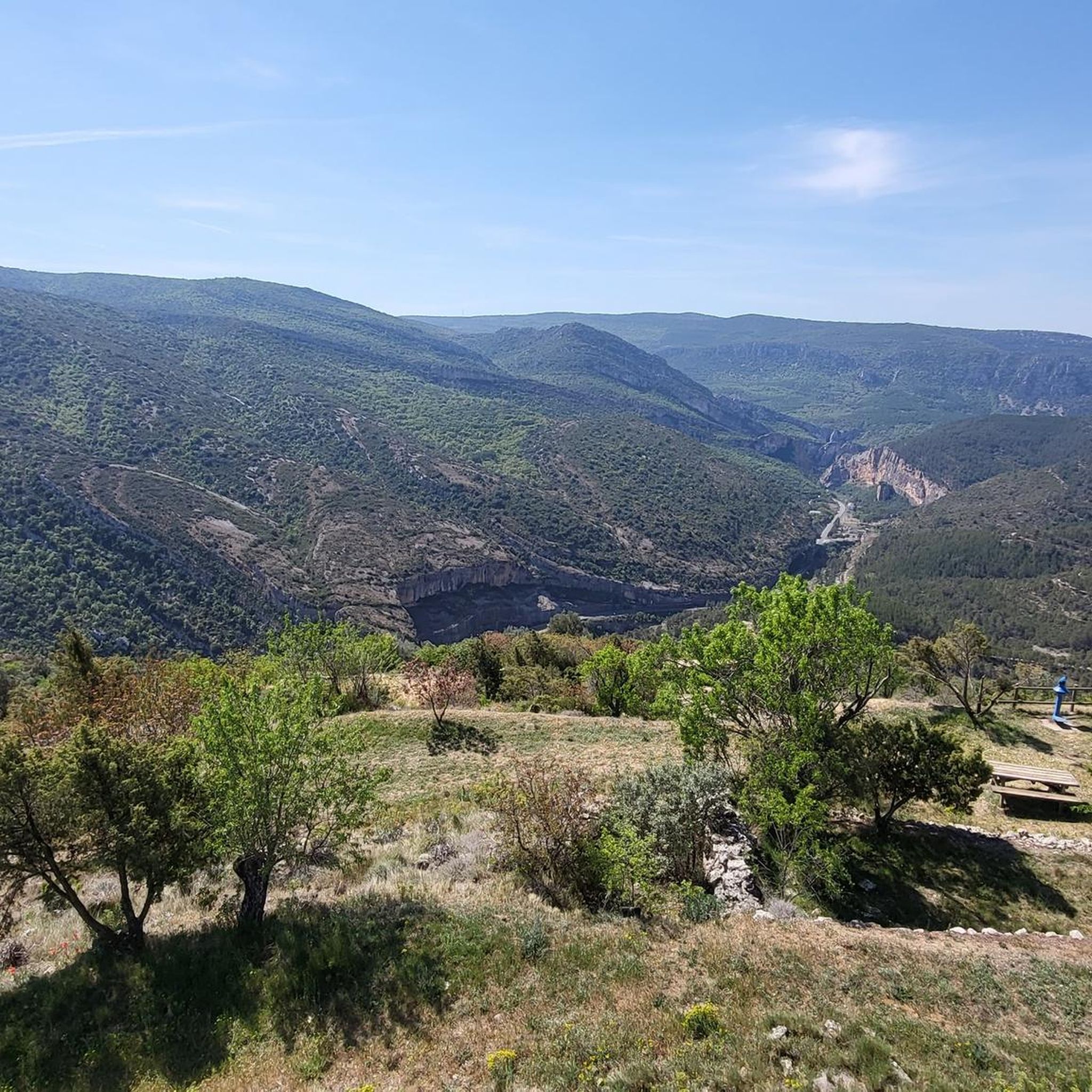
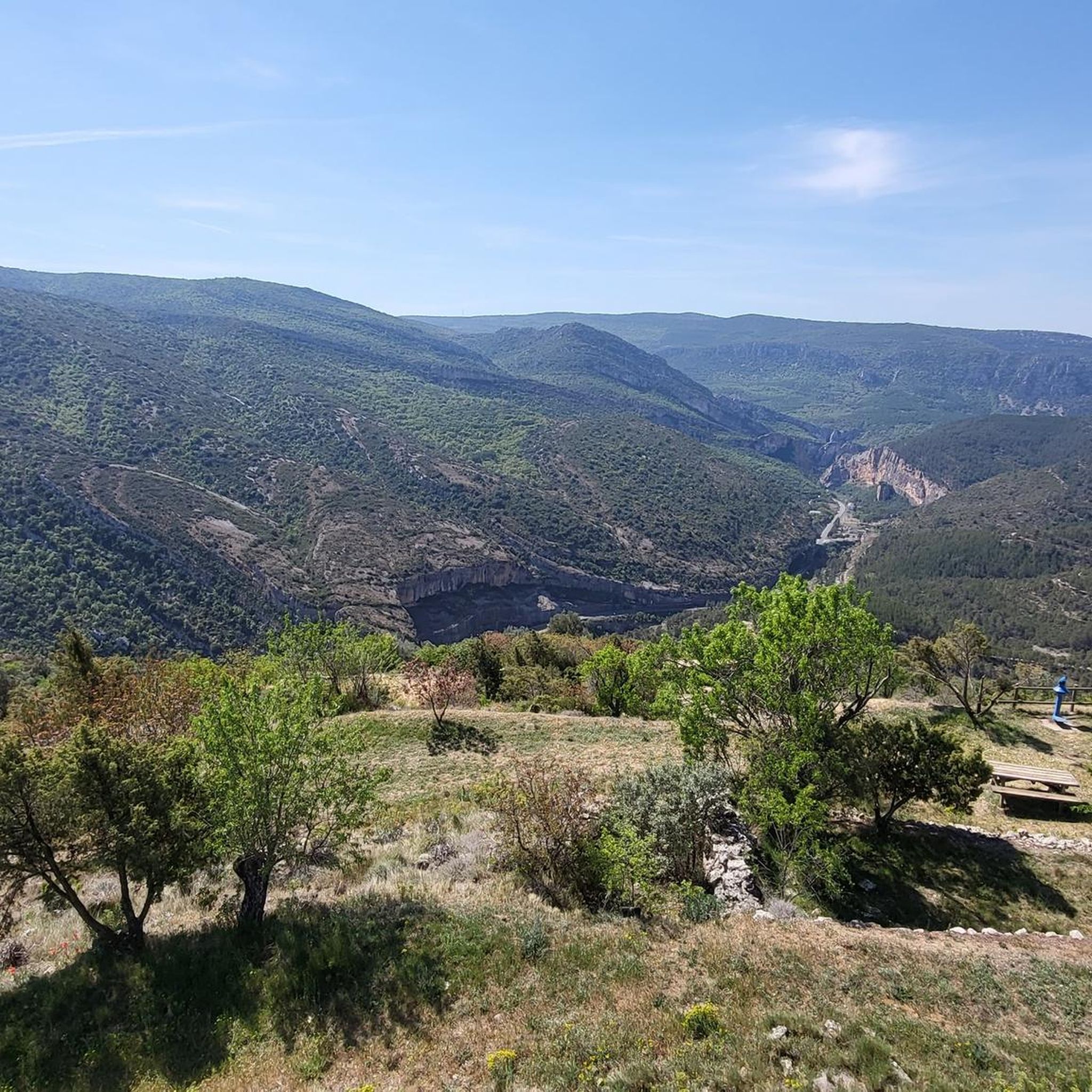
Yes, several spots offer breathtaking views. The Old Village of Castro, perched on a hill, provides panoramic vistas of the surrounding mountain ranges, the Olvena gorge, and the Barasona reservoir. The Basilica of the Virgen de la Peña also offers fantastic views of Graus and its surroundings from its cloister. The Mirador de Olvena is another excellent spot to appreciate the spectacular Olvena gorge.
Can I find accommodation or places to eat in La Puebla de Castro?
While specific establishments are not detailed, La Puebla de Castro is a municipality in the south of La Ribagorza, and its medieval urban center with the Plaza Mayor serves as a central hub. You can expect to find local amenities, including places to eat and stay, within the village or nearby towns like Graus, which is known for its traditional atmosphere and local delicacies like Graus sausage.
What is the best time to visit La Puebla de Castro for outdoor activities?
The region offers extensive hiking trails and outdoor opportunities. While specific seasonal recommendations are not provided, generally, spring and autumn offer pleasant temperatures for exploring the over 60 kilometers of marked trails winding through forests. Summer can be warm, but the reservoirs and shaded trails might still be enjoyable. Winter might be suitable for some activities, but check local conditions.
Most popular routes around La Puebla De Castro
Most popular attractions around La Puebla De Castro

Get inspired with the komoot mobile app


Explore more
Still not found the Highlight you’re looking for? See guides of the top attractions in other regions:
