The 9 Most Amazing Peaks around Puebla De Lillo
Best mountain peaks around Puebla De Lillo are situated within the Cantabrian Mountains, offering access to the Montaña de Riaño y Mampodre Regional Park. This region is characterized by its mountainous terrain, featuring limestone formations and prominent summits. The landscape provides extensive views of surrounding peaks, valleys, and reservoirs such as the Pantano del Porma. It is a destination for those seeking to explore the natural environment of León.
Best mountain peaks around Puebla De Lillo
- The most popular mountain…
Last updated: June 24, 2026
Yordas (1,967 m)
Highlight • Summit
The ascent …
Translated by Google •
Tip by

Susarón Peak (1,878 m)
Highlight • Summit
Translated by Google •
Tip by
Sign up now to discover places like this
Get recommendations on the best single tracks, peaks, & plenty of other exciting outdoor places.
Sign up for free
Peñas Pintas 1983 m.
Highlight • Summit
Translated by Google •
Tip by

Alto de La Pintas
Highlight • Summit
Translated by Google •
Tip by
Pico de la Cruz
Highlight • Summit
Start: Maraña Village.
Distance: Approximately 12 kilometers.
Difficulty: Moderate, with some challenging sections.
Translated by Google •
Tip by
Sign up for free to discover even more peaks around Puebla De Lillo.
Sign up for free
Already have an account?
Start today with a free account
Your next adventure awaits.
Login or Signup
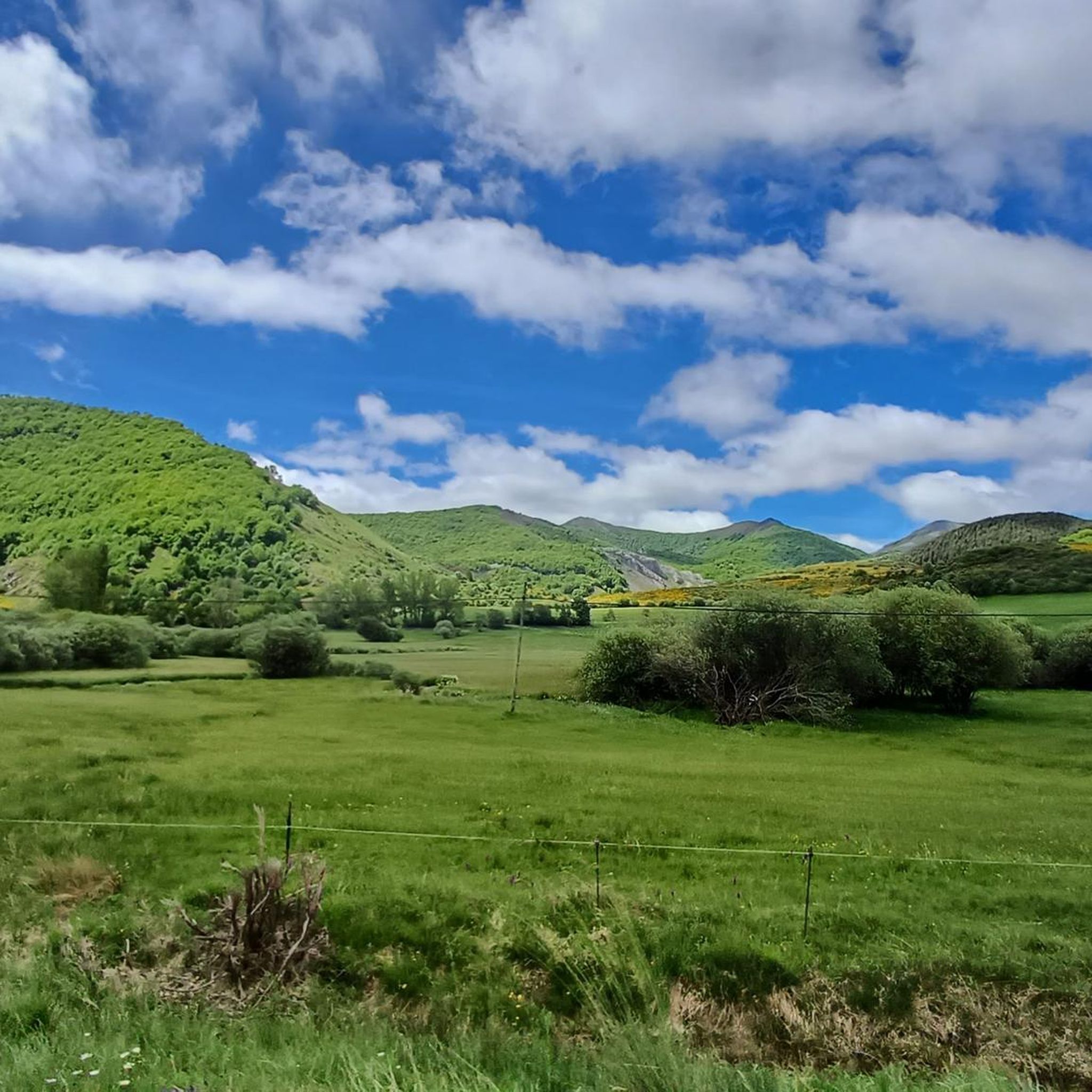
Tips from the Community

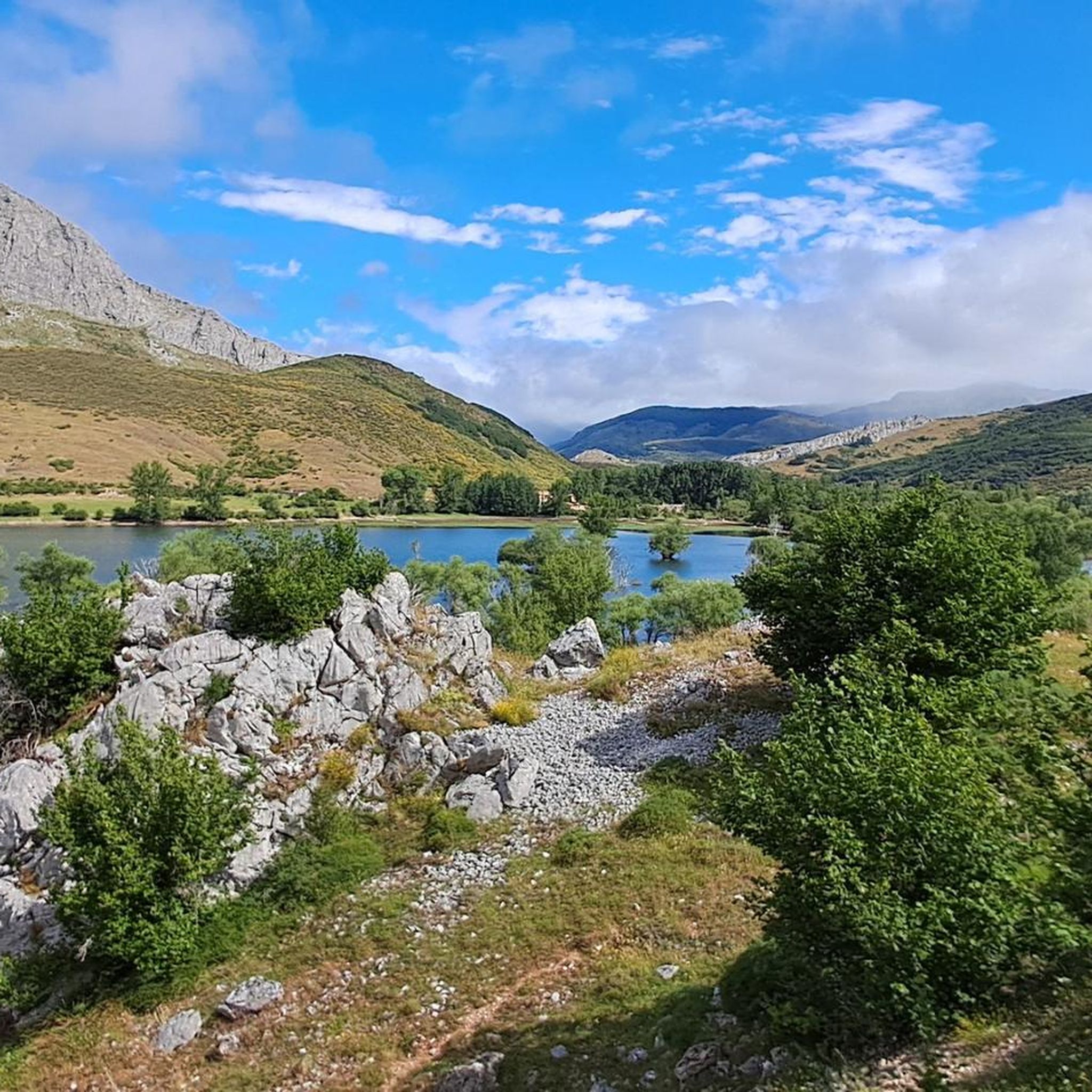
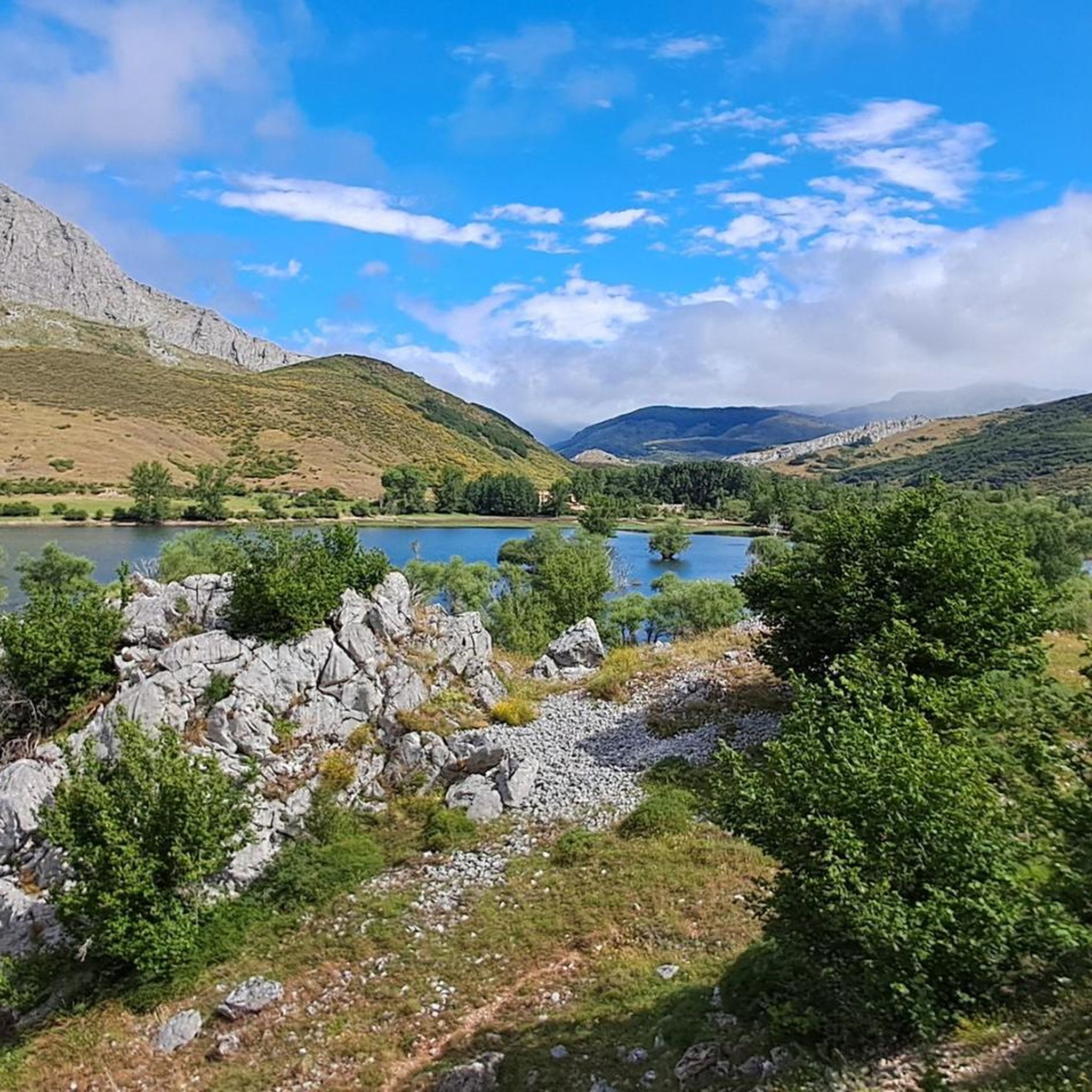
Alto de Las Pintas, also known as Peñas Pintas or Peña de Salamón, is one of the three peaks that form a spectacular limestone trident in the Montaña de Riaño y Mampodre Regional Park in León. It's a challenging but highly rewarding route for mountain hiking enthusiasts.
3
0
Alto de Las Pintas, also known as Peñas Pintas or Peña de Salamón, is one of the three peaks that form a spectacular limestone trident in the Montaña de Riaño y Mampodre Regional Park in León. It's a challenging but highly rewarding route for mountain hiking enthusiasts.
4
0
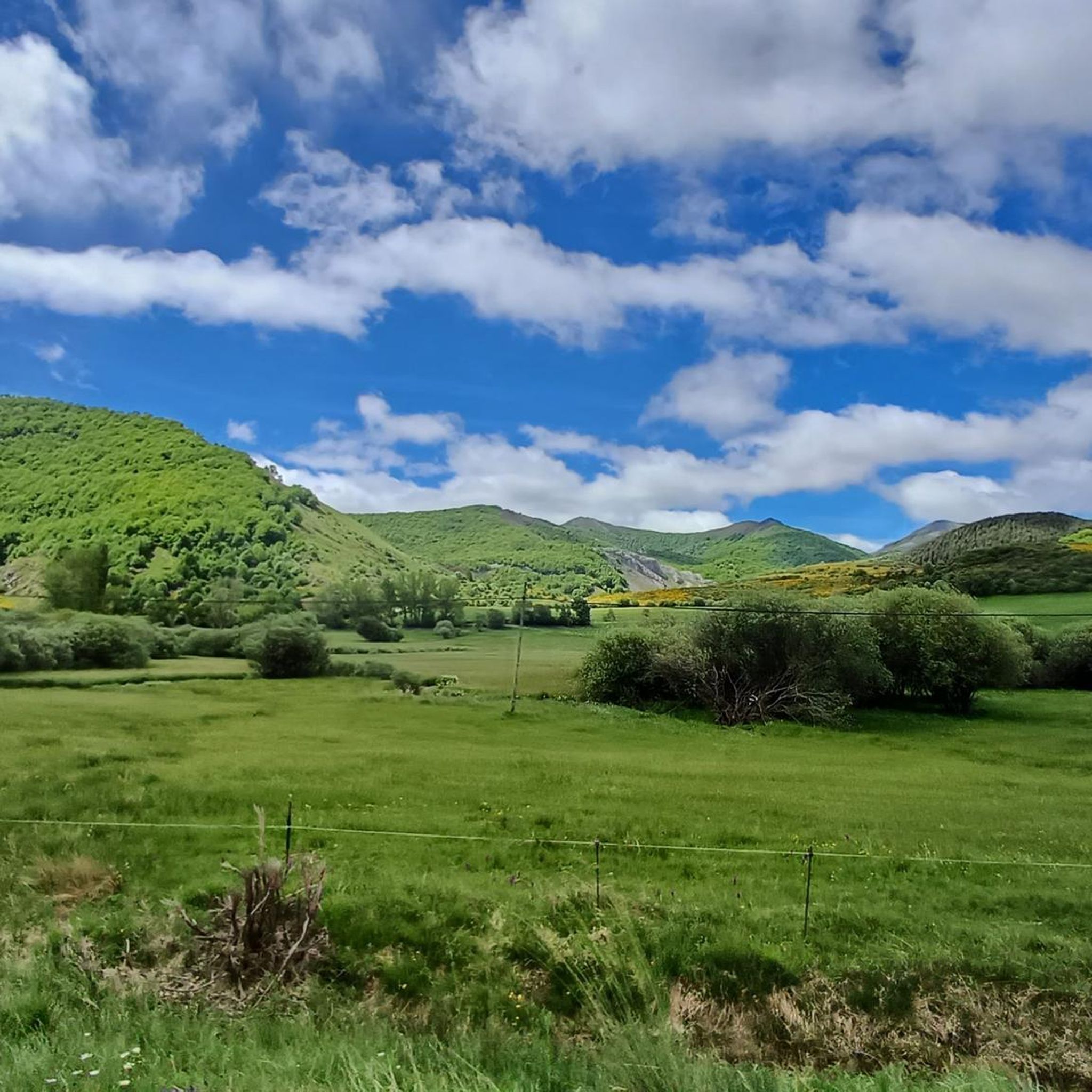
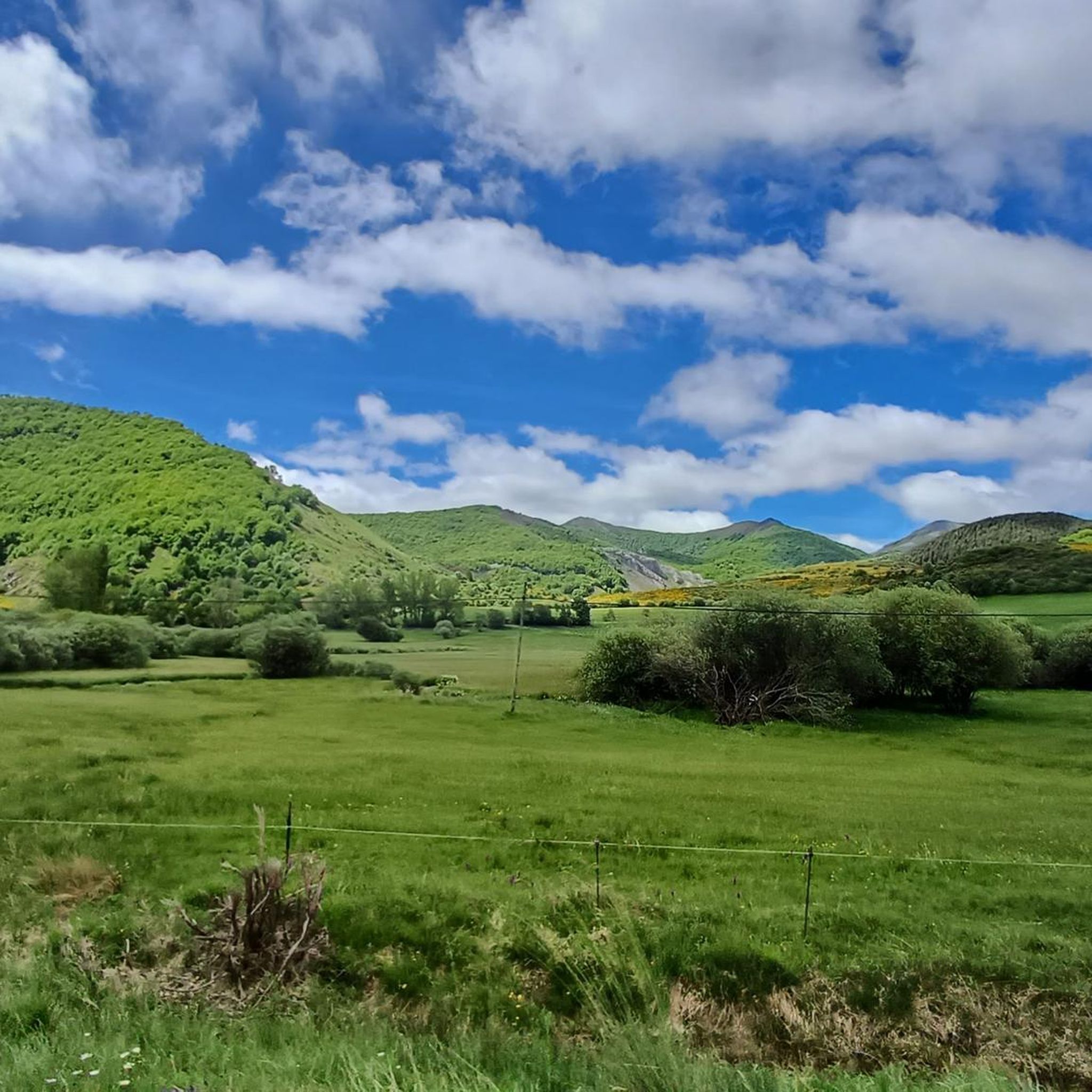
The route to Pico de la Cruz from Maraña is a wonderful experience for hiking enthusiasts. Start: Maraña Village. Distance: Approximately 12 kilometers. Difficulty: Moderate, with some challenging sections.
4
0

The milestones lead through uncomfortable terrain to the usual ascent path along the normal route of the mountain on the south face, from the town of Las Salas, marked with yellow paint on the rocks. The trail turns to the left and reaches the crest of the mountain, in a fantastic natural balcony of the Riaño Mountain, the fjords of the reservoir, the León peaks, the Picos de Europa and some peaks of the Palentina Mountain. The climb to the main summit of Las Pintas continues along the ridge towards the east, climbs a couple of simple climbs with a vertiginous atmosphere and culminates at the geodesic vertex. The descent returns along the same path, crosses the hill and continues along the rope towards the Pico del Medio (1,958 m), formed by two summits separated by a small gap. On the main summit there is a metal cross painted red.
1
0

Alto de las Pintas (1985 m) or Pico de Salamón is the highest peak, located in the west of the group of three peaks called Peñas Pintas or Las Pintas. To get to the top, a simple climb awaits you from the final ridge to the summit. The effort is worth it, on a clear day you will have wonderful 360º views.
3
0

Wonderful views of Riaño and the lakes
1
0


Pico Yordas or Buríon is located 1,967 meters above sea level and is one of the most emblematic peaks of the Montaña de Riaño y Mampodre Regional Park. The ascent is perfectly signposted with milestones and does not offer major complications. From the summit we can see all the mountains around Riaño, highlighting Peñas Pintas and Pico Gilbo. We also enjoy spectacular views of the Alto de la Rasa, the Palencia Mountain, the Picos de Europa and the Mampodre Massif, without forgetting the main peaks of the Cantabrian Mountains.
2
0
Frequently Asked Questions
What are the most prominent mountain peaks to explore near Puebla De Lillo?
The region around Puebla De Lillo, nestled in the Cantabrian Mountains, features several notable peaks. Among them are Susarón Peak (1,878 m), known for its expansive views of the Pantano del Porma, and Yordas (1,967 m), an emblematic natural monument within the Montaña de Riaño y Mampodre Regional Park offering vistas of the Picos de Europa.
Are there challenging mountain peaks for experienced hikers in the area?
Yes, several peaks in the Montaña de Riaño y Mampodre Regional Park are categorized as challenging. For instance, Peñas Pintas 1983 m. and Alto de La Pintas (also known as Peña de Salamón) are part of a spectacular limestone formation and offer highly rewarding routes for mountain hiking enthusiasts. Pico de la Cruz also presents challenging sections with an air passage and rocky areas.
What kind of views can I expect from the mountain peaks around Puebla De Lillo?
The mountain peaks in this region offer spectacular panoramic views. From Yordas, you can see the mountains around Riaño, the Picos de Europa, and the Mampodre Massif. Susarón Peak provides impressive views of the Pantano del Porma. From Peñas Pintas, you'll enjoy a fantastic natural balcony overlooking the Riaño Mountain, the fjords of the reservoir, and other León peaks.
Are there any family-friendly mountain walks or easier trails near Puebla De Lillo?
While many of the prominent peaks are challenging, there are easier hiking options in the broader area. For family-friendly walks, you might consider trails like the 'Mirador de la Peña Trail' which is rated as easy. You can find more details on various hiking routes, including those with moderate difficulty like 'Las Biescas Trail' or 'Entrevalles and the Pinzón Valley', in the Hiking around Puebla De Lillo guide.
What outdoor activities can I do near the mountain peaks of Puebla De Lillo?
Beyond peak bagging, the area around Puebla De Lillo offers a variety of outdoor activities. You can explore numerous hiking trails, including circular routes like 'La Cervatina'. Mountain biking is also popular, with routes such as the 'Susarón Loop Trail'. For more options, check out the Hiking around Puebla De Lillo and MTB Trails around Puebla De Lillo guides.
Are there any circular hiking routes that include mountain peaks?
Yes, there are circular routes that allow you to experience the region's mountains. For instance, the 'La Cervatina – circular from Puebla de Lillo (PR-LE 28)' is a moderate hiking route. While not all circular routes directly summit the highest peaks, they often provide excellent views and access to the mountainous terrain. You can find more details in the Hiking around Puebla De Lillo guide.
What is the best time of year to hike the mountain peaks near Puebla De Lillo?
The best time to hike the mountain peaks around Puebla De Lillo is generally during the late spring, summer, and early autumn months (May to October). During these periods, the weather is typically more stable, with less snow at higher elevations, making trails more accessible and enjoyable. Always check local weather forecasts before heading out, especially for higher peaks.
What natural features characterize the mountain peaks in this region?
The mountain peaks around Puebla De Lillo are primarily characterized by their limestone formations, which are typical of the Cantabrian Mountains. This geology contributes to the rugged and dramatic landscapes, featuring prominent summits and extensive views of valleys and reservoirs like the Pantano del Porma. Many peaks are also designated natural monuments, highlighting their ecological and geological significance.
What do visitors enjoy most about the mountain peaks around Puebla De Lillo?
Visitors consistently praise the incredible panoramic views from the summits, often describing them as 'extraordinary balconies' of the Leonese Mountain, the Palentina, and the Picos de Europa. The challenging yet rewarding nature of the ascents, combined with the pristine natural environment of the Montaña de Riaño y Mampodre Regional Park, makes for a highly appreciated outdoor experience.
Can I find long-distance hiking options that incorporate these mountain peaks?
While specific long-distance routes directly over all listed peaks might require combining trails, the region offers extensive hiking opportunities. The 'Vuelta al Macizo de los Mampodres – Parque Regional Montaña de Riaño y Mampodre desde Puebla de Lillo' is a difficult, long-distance MTB route (over 50 km) that traverses significant mountainous terrain, and similar long-distance hiking possibilities exist by linking various trails within the regional park. Consult the Hiking around Puebla De Lillo guide for more detailed route planning.
Where can I find information on trailheads and parking for mountain hikes?
Trailheads for many routes often start from villages like Puebla de Lillo, Maraña, or Las Salas. For example, the route to Pico de la Cruz begins from Maraña Village. While specific parking information isn't always detailed for every trailhead, these villages typically offer designated or informal parking areas for hikers. It's advisable to check local maps or visitor information centers upon arrival for the most current parking details.
Most popular routes around Puebla De Lillo
Most popular attractions around Puebla De Lillo

Get inspired with the komoot mobile app


Explore more
See even more amazing summits around Puebla De Lillo with these guides:
