The best road cycling routes around Oliva De Plasencia
4.4
(14)
1,129
riders
58
rides
Road cycling routes around Oliva De Plasencia traverse diverse landscapes, offering varied terrain from smooth asphalt to challenging climbs. The region is characterized by its proximity to significant natural parks like Monfragüe National Park and the scenic Jerte Valley. Cyclists can explore quiet secondary roads that wind through holm oaks and cork oaks, providing a blend of natural beauty and local culture. This area provides extensive cycling opportunities suitable for various skill levels.
Best road cycling routes around Oliva De…
Last updated: May 15, 2026
3
riders
133km
06:41
1,480m
1,480m
Hard road ride. Very good fitness required. Mostly well-paved surfaces and easy to ride.
3
riders
95.8km
04:41
1,310m
1,320m
Hard road ride. Very good fitness required. Mostly well-paved surfaces and easy to ride.

Sign up for free
45
riders
65.7km
02:53
480m
480m
Moderate road ride. Good fitness required. Mostly well-paved surfaces and easy to ride.
28
riders
28.2km
01:21
260m
260m
Easy road ride. Great for any fitness level. Mostly well-paved surfaces and easy to ride.
23
riders
12.7km
00:39
150m
150m
Easy road ride. Great for any fitness level. Mostly well-paved surfaces and easy to ride.
Get access to more routes and recommendations from other explorers.
Sign up for free
Already have an account?
Our route recommendations are based on thousands of hikes, rides, and runs completed by other people on komoot.
Start today with a free account
Your next adventure awaits.
Login or Signup


Tips from the Community

Galisteo is a charming destination! This small town in the province of Cáceres, Extremadura, offers a unique blend of history, culture and nature. Galisteo is a perfect place for a quiet and enriching getaway.
1
0

The San Lázaro Bridge is one of the historic bridges that cross the Jerte River in the Spanish city of Plasencia, in the province of Cáceres. It dates back to medieval times, although the current bridge was reconstructed in 1538. It connects the neighborhoods of San Lázaro and Río Jerte, and the San Lázaro Chapel is located next to its western end.
1
0
The Plasencia Aqueduct or the Arches of San Antón is not of Roman origin as many Placentines believe, but rather dates back to the 16th century and was built by the great architect Juan de Flandes. 55 arches are preserved from it and with it the Muslim clay pipe that carried water from the Cabezabellosa and El Torno mountains was replaced. in https://plasenciaturismo.es/acueducto
1
0
The Old Cathedral follows a Romanesque plan, despite having been built in the 13th century. Almost all European artistic styles arrived in Extremadura with a considerable delay, since it was the border between the Christian and Muslim kingdoms. Thus, although the Romanesque style arrived in the north of the Peninsula in the 10th and 11th centuries, it was not applied in this area until the 13th century. The main door of the Old Cathedral, the Chapel of San Pablo and the Virgen del Perdón show the transition between Romanesque and Gothic. The New Cathedral has many Gothic and Renaissance elements, such as the choir, the vaults and the Plateresque fronts. The Cathedral Museum exhibits the 16th century Gothic panel of "Wedding at Cana". Masters of the Spanish Baroque such as Gregorio Fernández and the Churriguera brothers also left the important mark of their art on the cathedral's altarpiece. in https://plasenciaturismo.es/que-ver/imprescindibles
1
0

From this point before starting to climb towards the Barrio de Santa Teresa you can see a set of views of the city's cathedral!
0
0
One of the oldest bridges in Plasencia that in the past gave entrance to the city on its northwest side, jumping over the Río Jerte.
0
0

A very special place, with spectacular views of the Valle del Jerte
0
1
Frequently Asked Questions
How many road cycling routes are available around Oliva de Plasencia?
There are nearly 70 road cycling routes around Oliva de Plasencia, offering a diverse range of options for cyclists. These routes are highly rated by the komoot community, with an average score of 4.4 stars.
What kind of terrain can I expect on road cycling routes in this region?
The region around Oliva de Plasencia offers diverse terrain, from smooth asphalt ideal for high-speed riding to challenging climbs that will test your endurance. You'll find routes incorporating picturesque villages and quiet secondary roads, winding through natural landscapes of holm oaks and cork oaks.
Are there road cycling routes suitable for beginners or those looking for an easy ride?
Yes, Oliva de Plasencia offers routes suitable for various skill levels, including easy options. For instance, the Plasencia Aqueduct – San Lázaro Bridge loop from Plasencia is an easy route, covering about 28.2 km.
Where can I find challenging road cycling routes around Oliva de Plasencia?
For experienced cyclists seeking a challenge, the region provides several difficult routes with significant elevation gains. The Plasencia and Monfragüe National Park Loop, at 133.2 km with over 1,400 meters of climbing, offers extensive views of the UNESCO Biosphere Reserve. Another demanding option is the Gabriel y Galán Reservoir and Cáparra Loop, which is 95.8 km long and features over 1,300 meters of ascent.
Are there any circular road cycling routes in the area?
Yes, many routes around Oliva de Plasencia are designed as loops, allowing you to start and end in the same location. Examples include the Plasencia Aqueduct loop from Plasencia and the Gabriel y Galán Reservoir and Cáparra Loop.
What natural features or parks can I explore while road cycling near Oliva de Plasencia?
The region is close to significant natural parks. You can cycle in and around Monfragüe National Park, a UNESCO Biosphere Reserve known for its rich wildlife, especially birds of prey. The Jerte Valley, famous for its cherry blossoms, also offers scenic routes with diverse terrain and beautiful views, such as the Jerte Reservoir Loop from Plasencia.
What historical or cultural landmarks can I see along the road cycling routes?
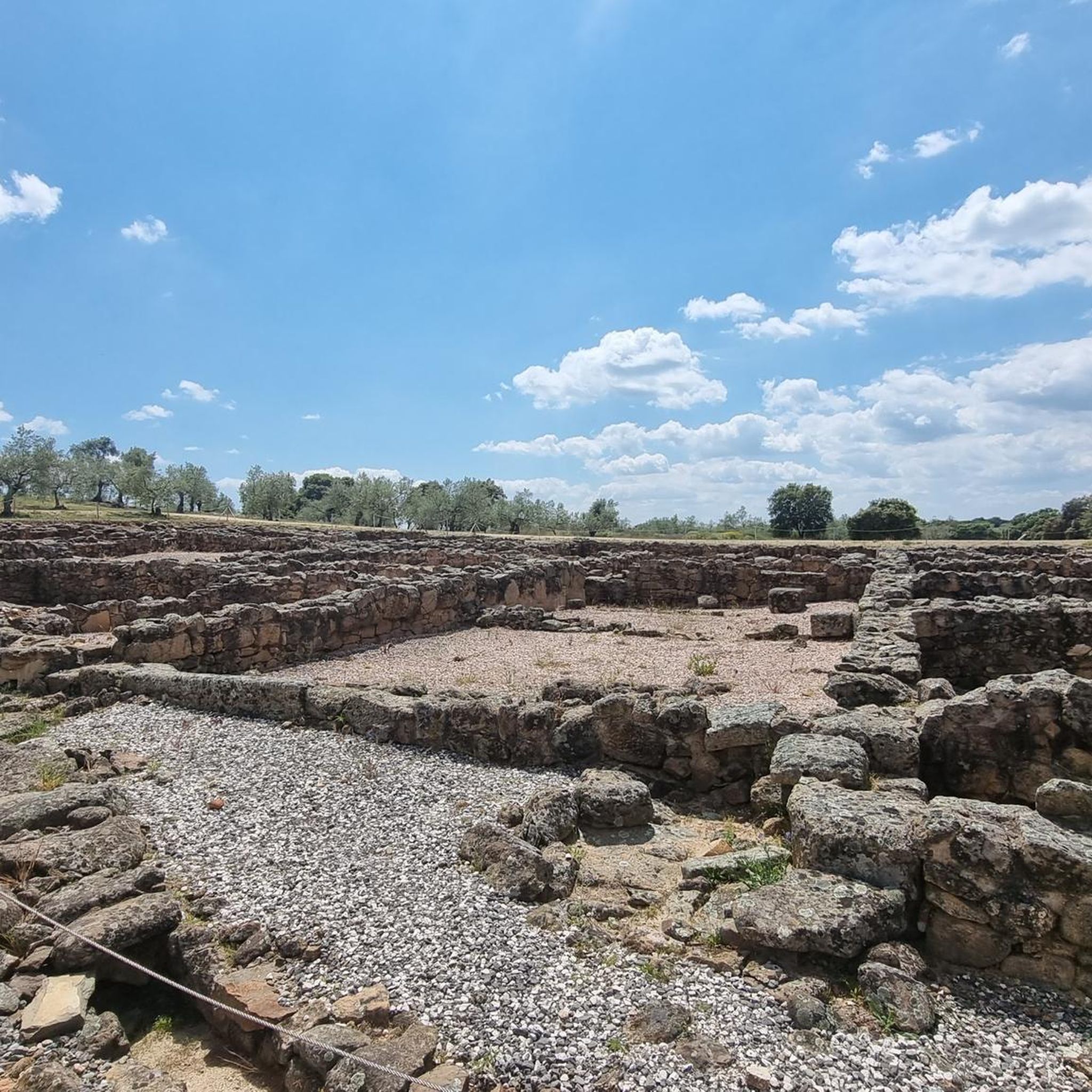
While cycling, you can explore historical and cultural attractions, particularly in nearby Plasencia. Notable landmarks include the Plasencia Cathedral, the central Plaza Mayor de Plasencia, and medieval bridges like the San Lázaro Bridge. You might also encounter ancient Roman structures like the Arco de Cáparra.
Are there any scenic viewpoints or lakes accessible by road bike?
Yes, several routes offer scenic views of natural water bodies. You can cycle past the Embalse de Plasencia or the Plasencia Reservoir. The Gabriel y Galán Reservoir and Cáparra Loop specifically features views around the reservoir and the impressive Gabriel y Galán Dam.
What do other road cyclists enjoy most about cycling in Oliva de Plasencia?
The area is highly rated by the komoot community, with an average score of 4.4 stars from over 16 reviews. Cyclists often praise the varied terrain, access to protected natural areas, and the quiet secondary roads that provide a blend of natural beauty and local culture. Over 1,200 road cyclists have used komoot to explore the region's routes.
Are there any Greenways (Vías Verdes) suitable for road cycling near Oliva de Plasencia?
Yes, the region features Greenways, which are old railway lines converted into traffic-free paths. The Vía Verde Ruta de la Plata passes through the north of Cáceres province, linking to an ancient Roman road. While primarily shared by walkers, cyclists, and horse riders, these routes offer a historical and scenic cycling experience through rural landscapes.
What is the best time of year to go road cycling in Oliva de Plasencia?
While specific seasonal recommendations are not provided, the region's diverse landscapes and natural parks suggest pleasant cycling conditions during spring and autumn. Spring is particularly notable for the cherry blossoms in the Jerte Valley, offering a beautiful backdrop for rides.
Most popular routes around Oliva De Plasencia
Most popular attractions around Oliva De Plasencia

Get inspired with the komoot mobile app


Explore more
Browse the best Road cycling routes in other regions.
