Attractions and Places To See around La Alameda De Gardón - Top 11
Best attractions and places to see around La Alameda De Gardón offer a blend of historical significance and natural features in Salamanca, Spain. This municipality, historically a border town, features remnants of a castle that once formed a defensive line against Portugal. Visitors can explore cultural sites like the Parish Church of Santiago Apóstol and the Hermitage of Cristo de la Salud. The area also provides opportunities to discover preroman tombs carved into granite and the natural heritage along the…
Last updated: May 17, 2026
Siega Verde Archaeological Site
Highlight • Historical Site
Translated by Google •
Tip by

Vilar Formoso
Highlight • Settlement
Translated by Google •
Tip by
Sign up now to discover places like this
Get recommendations on the best single tracks, peaks, & plenty of other exciting outdoor places.
Sign up for free
Real Fuerte de la Concepción
Highlight • Historical Site
Translated by Google •
Tip by
Freineda
Highlight • Settlement
Translated by Google •
Tip by

Gallegos de Argañán
Highlight • Settlement
Translated by Google •
Tip by
Sign up for free to discover even more attractions around La Alameda De Gardón.
Sign up for free
Already have an account?
Start today with a free account
Your next adventure awaits.
Login or Signup
Popular around La Alameda De Gardón
Tips from the Community

Freineda, a small border village, welcomed Lord Wellington between late 1812 and the spring of 1813, during the Peninsular War. In a stone house next to the church, the general established his headquarters, while the rest of the general staff dispersed to neighboring villages. Although described at the time as poverty-stricken, the village became the scene of major military decisions. Today, it remains modest and small, but keeps the memory of that time alive: on the facade of the house where Wellington lived, a plaque commemorates his visit.
1
0

Near this bridge is the Siega Verde Site, which is considered the most important outdoor Paleolithic art complex in Castilla y León and the most outstanding in the Iberian Peninsula.
0
0

Declared a World Heritage Site by UNESCO, the open-air zoomorphic site of Siega Verde is the most important of its kind in the entire Iberian Peninsula. The stone carvings that can be seen represent animals including horses, bears and goats, which makes it curious that some have existed in these lands when they are now extinct. The site itself is not open to the public so that they can be preserved, but very close is the Interpretation Classroom.
0
0

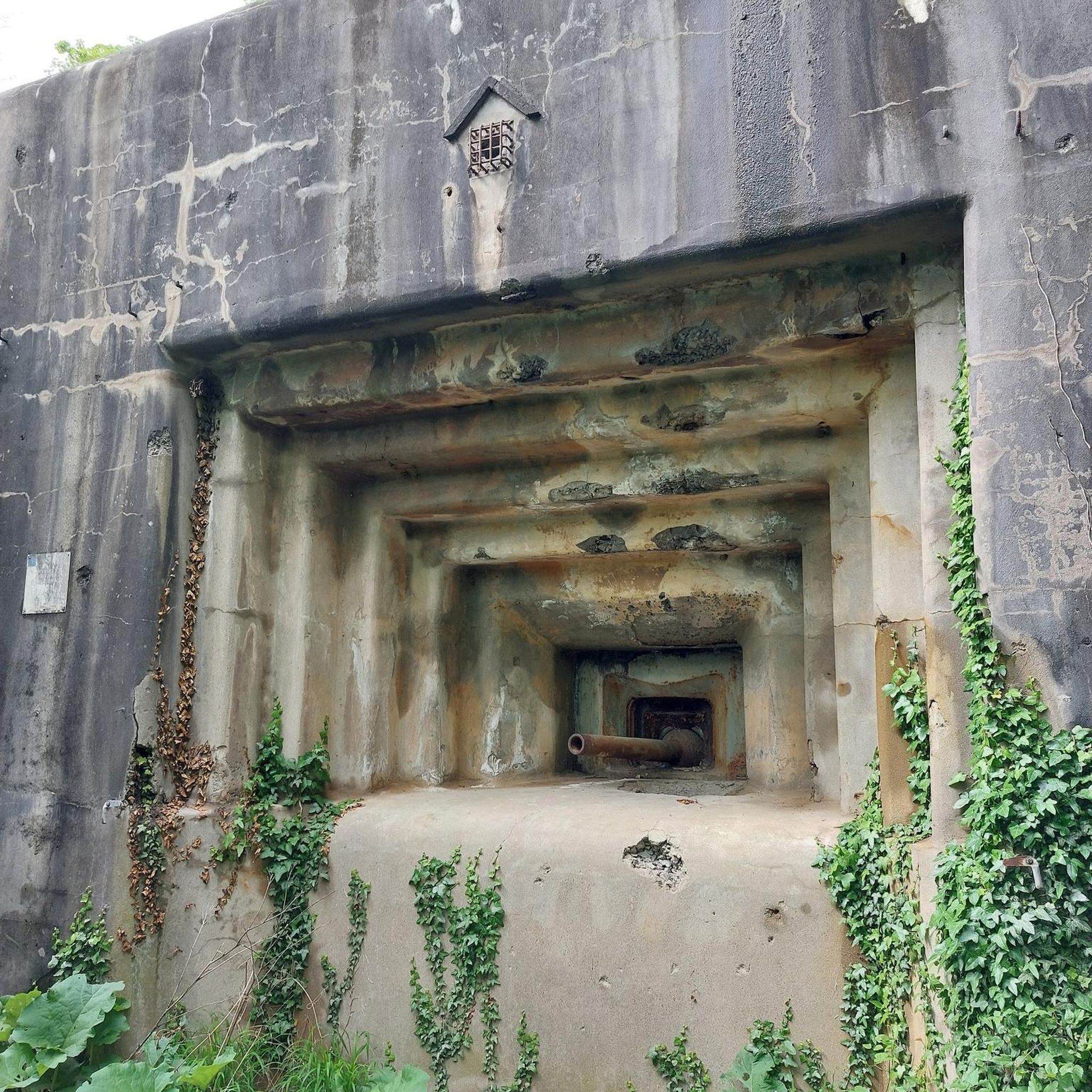
The refurbishment and reconversion project of this 17th-century fortress won, in 2014, the prize for the best restoration of a military building in Spain. What are now luxury rooms on the Spanish-Portuguese border could house 1,500 infantrymen and 200 horses at his creation. The fort had two phases. The first, in the 17th century, when after the uprising in Lisbon that deposed Philip of Habsburg, it was built to serve as a base for an army that would recover Portugal. The Second, in the 18th century, when it was rebuilt to oppose the Portuguese stronghold of Almeida. During the war of independence, it was partially blown up and, for much of the 19th century, the surrounding inhabitants took advantage of it as a quarry until its sale to the private sector gave rise to the current construction.
1
0
Together with Fuentes de Oñoro they form a border population center known as La Raya. This denomination is the colloquial way of calling the more than 1,200 kilometers of border between the two Iberian countries, but it is used especially in places where the political border is a mere anecdote and both sides share a cultural and historical unity. Vilar de Formoso has traditionally been a border post. Today it is the railway gateway to the Portuguese country from Europe on the surexpress train that connects Lisbon with France. It is also a prosperous commercial crossroads in the region.
0
0
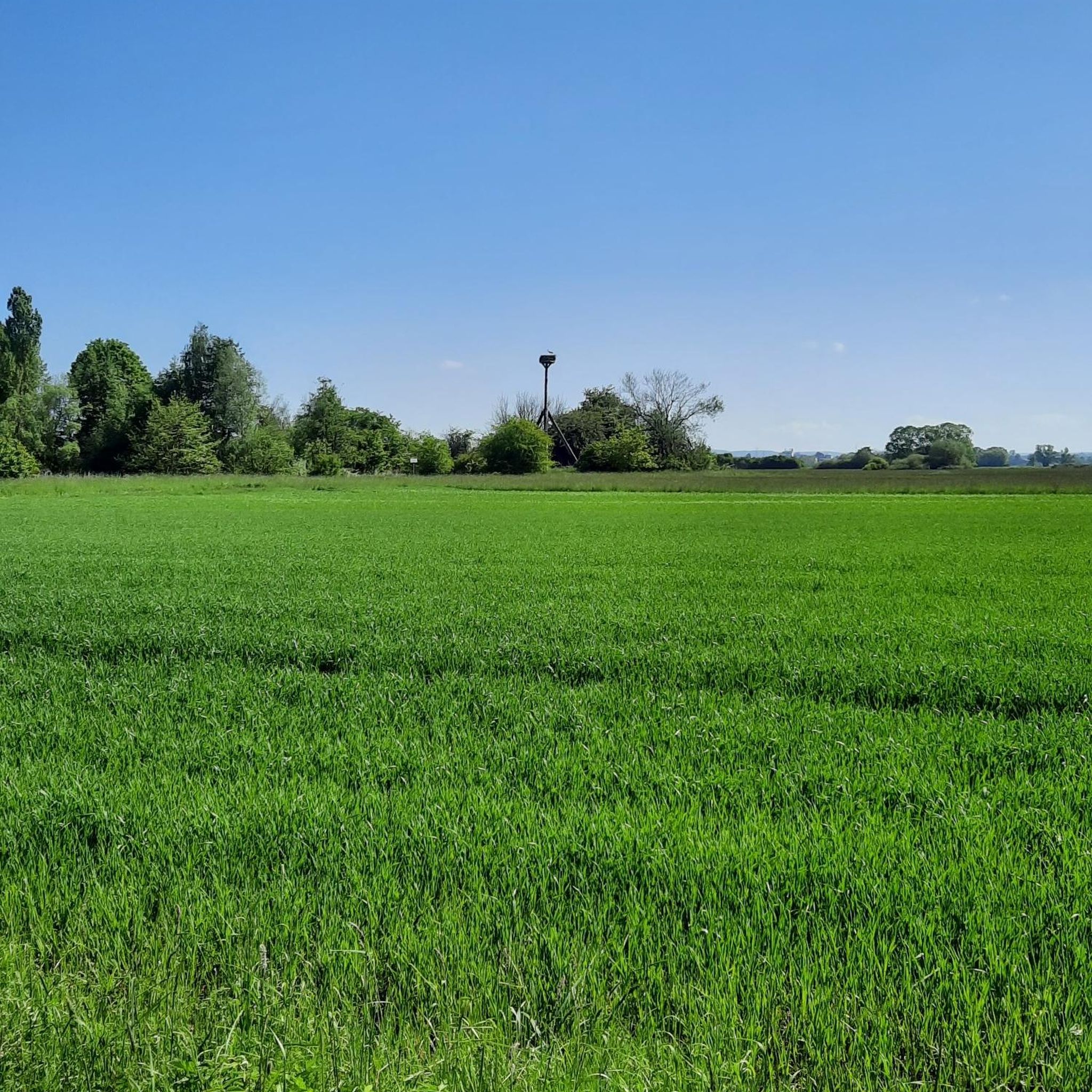
Classic Salamancan town bordering Portugal. It has just 280 inhabitants, but its abandoned houses tell stories of more prosperous times. It is surrounded by the grain fields and farms that are the main engine of its current economy. There are a couple of bars ideal for a stop on the way.
0
0
The zoomorphic carvings of Siega Verde occupy more than a kilometer of stones on the banks of the Águeda and are the most important open-air site on the Iberian Peninsula. They are part of the Vale de Coa complex, in Portugal, which was declared a World Heritage Site by UNESCO. Horses, bears, goats and other species extinct on the peninsula such as the woolly rhinoceros, reindeer and bison are represented in the carvings. The site is fenced for its preservation, but an interpretation room has been built that details the life of the inhabitants of the area in the Palaeolithic.
0
0
Frequently Asked Questions
What historical sites can I explore around La Alameda De Gardón?
The region is rich in history. You can visit the Real Fuerte de la Concepción, a 17th-century fortress that has been rehabilitated and now serves as a hotel. Additionally, the Parish Church of Santiago Apóstol, with its 16th-century bell tower and 17th-century nave, and the 19th-century Hermitage of Cristo de la Salud offer insights into the area's religious heritage. There are also vestiges of a castle, reflecting La Alameda De Gardón's past as a border town.
Are there any family-friendly attractions in the area?
Yes, several settlements nearby are noted as family-friendly. Freineda, a small border village with historical significance, and Gallegos de Argañán, a classic Salamancan town surrounded by fields, are both suitable for family visits.
What natural features can I discover near La Alameda De Gardón?
For those interested in nature and ancient history, paths leading out of the village offer the chance to discover preroman tombs carved into granite stone. The Gardón stream, which gave the town its name, is also a significant natural feature, historically bordered by leafy groves and now by orchards.
What outdoor activities, like cycling, are available around La Alameda De Gardón?
The area offers various cycling opportunities. You can find road cycling routes such as the 'Fuerte de la Concepción, Reducto de San José y La Alameda de Gardón — circular through the fields of Argañán and Azaba' or the 'Almeida and Puerto Seguro - circular route through the Duero Special Protection Area'. For more general cycling, there are routes like the 'Villar de Ciervo loop from Villar de la Yegua'. You can explore more options on the Road Cycling Routes around La Alameda De Gardón and Cycling around La Alameda De Gardón guide pages.
Is there a historical site related to the border between Spain and Portugal?
Absolutely. Vilar Formoso is a significant settlement and historical site that forms a border population center with Fuentes de Oñoro, known as La Raya. It has traditionally been a border post and serves as a railway gateway to Portugal, making it a commercial crossroads with a shared cultural and historical unity across the border.
Are there any wheelchair-accessible attractions?
Yes, Vilar Formoso is listed as a wheelchair-accessible settlement and historical site, offering an inclusive option for visitors.
What is the significance of the Real Fuerte de la Concepción?
The Real Fuerte de la Concepción is a 17th-century fortress that played a crucial role in the border conflicts between Spain and Portugal. It was built to serve as a military base and later rebuilt to oppose the Portuguese stronghold of Almeida. Today, it has been rehabilitated and recognized with an award for the best restoration of a military building in Spain, now functioning as a hotel.
What is the best time to visit La Alameda De Gardón for outdoor activities?
While specific weather data isn't provided, generally, spring and autumn offer pleasant temperatures for exploring historical sites and engaging in outdoor activities like cycling or walking along the Gardón stream. Summers can be warm, which might be suitable for early morning or late afternoon excursions.
Can I find any hidden gems or unique historical insights in the villages around La Alameda De Gardón?
Yes, the small border village of Freineda is a hidden gem. It served as Lord Wellington's headquarters during the Peninsular War between late 1812 and spring 1813. A plaque on the house where he lived commemorates his visit, offering a unique glimpse into a pivotal historical period.
What kind of landscape can I expect to see around Gallegos de Argañán?
Gallegos de Argañán is a classic Salamancan town bordering Portugal, characterized by its surrounding grain fields and farms. This agricultural landscape provides a picturesque setting and insight into the region's economy, with a couple of bars available for a stop.
Are there any religious buildings of note in La Alameda De Gardón?
Yes, the Parish Church of Santiago Apóstol is a significant religious site featuring a bell tower from the late 16th century and a nave built in the 17th century. Inside, you can admire a prominent Baroque altarpiece. Additionally, the Hermitage of Cristo de la Salud, constructed in the 19th century, is another point of religious interest.
Most popular routes around La Alameda De Gardón

Get inspired with the komoot mobile app


Explore more
Still not found the Highlight you’re looking for? See guides of the top attractions in other regions:
