Attractions and Places To See around Valdáliga - Top 20
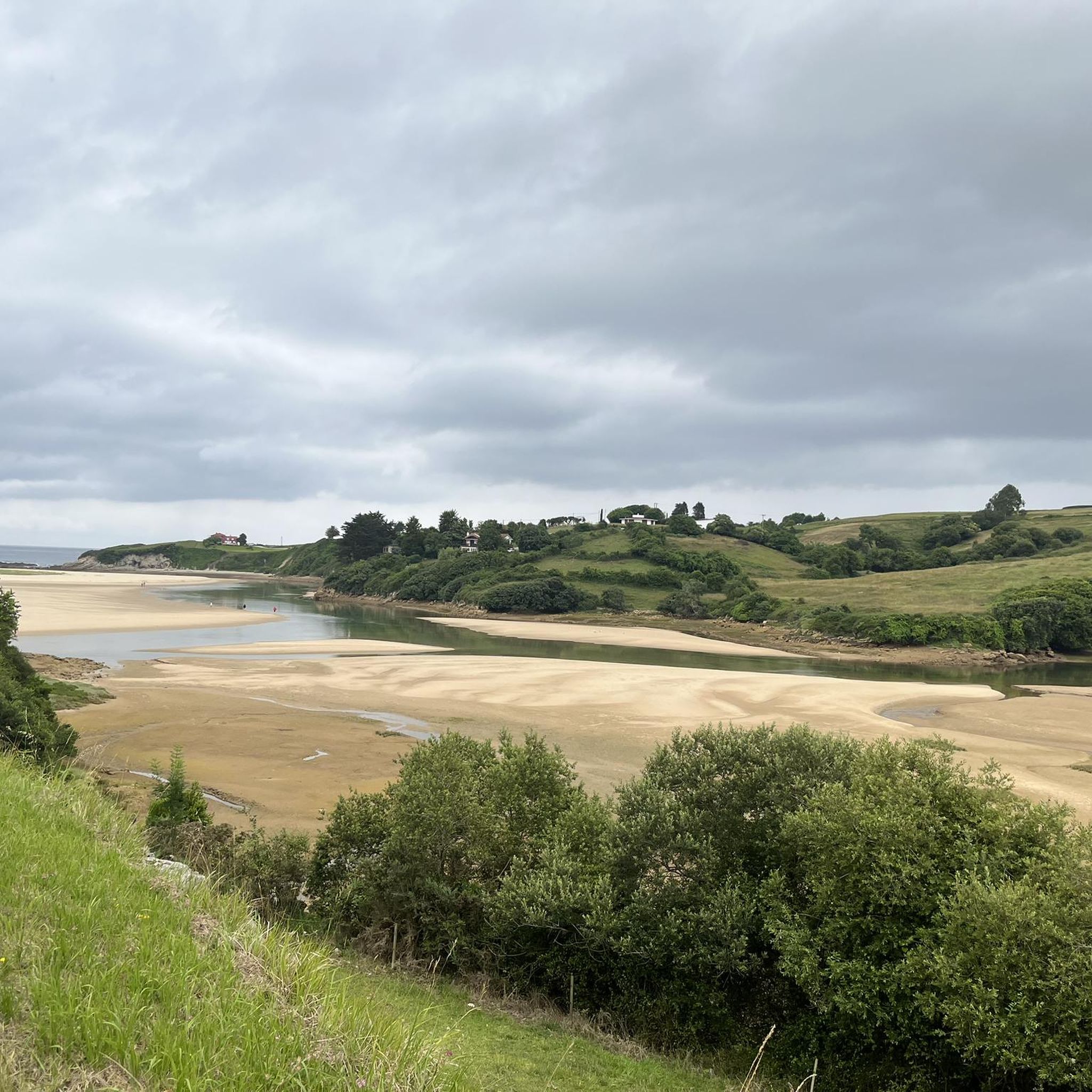
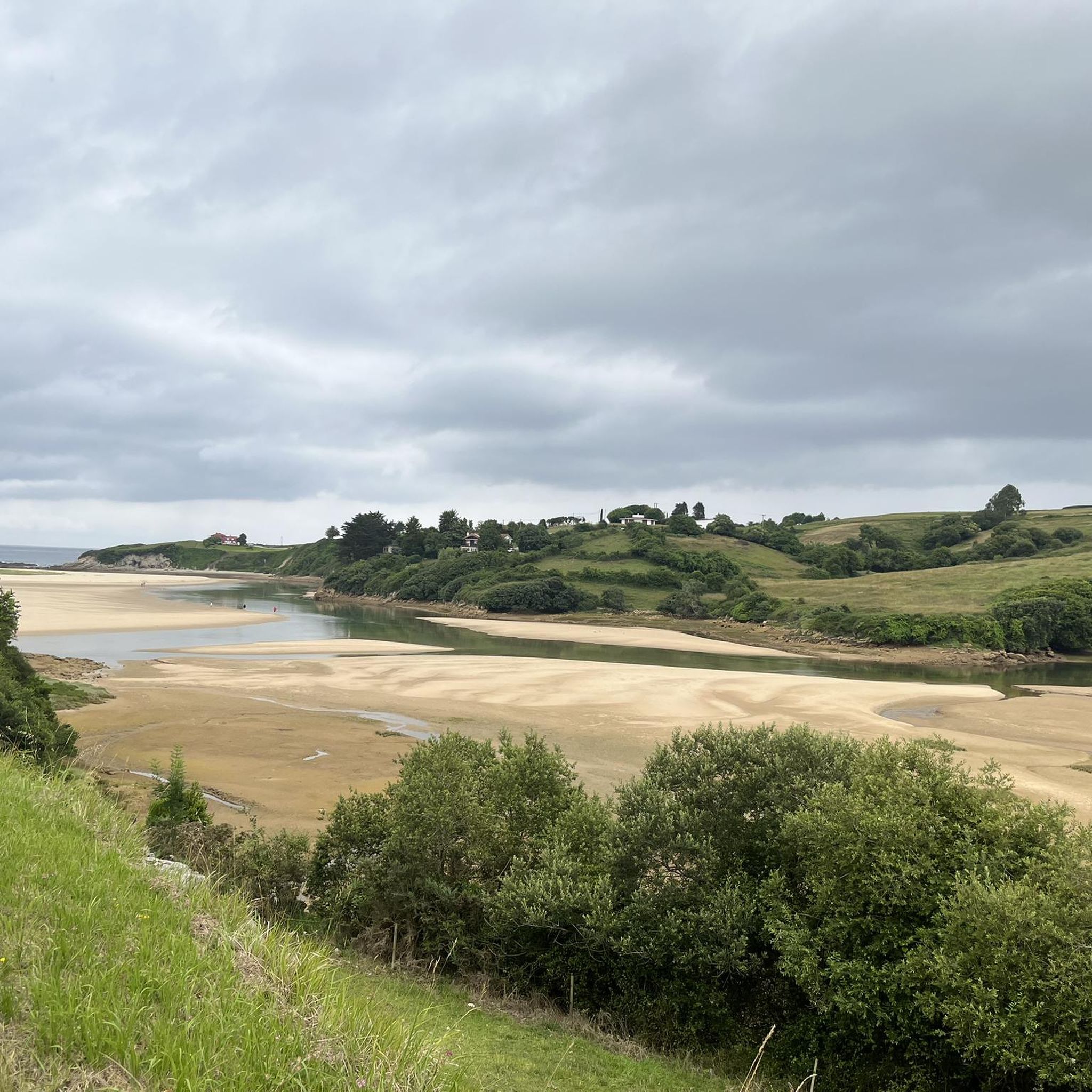
Attractions and places to see around Valdáliga offer a blend of natural beauty and historical significance in Cantabria, Spain. The municipality features the ecologically rich Oyambre Natural Park, characterized by extensive dunes, coastal marshes, and the La Rabia estuary. Inland, Monte Corona provides forested landscapes, while the region's heritage is reflected in its rural mountain constructions and historical figures. Valdáliga's landscape combines sea and mountains, with green pastures and views of the Cantabrian Sea.
Best attractions and places to see…
Last updated: June 22, 2026
Historic center of Comillas
Highlight • Historical Site
Translated by Google •
Tip by

San Vicente de la Barquera
Highlight • Settlement
Translated by Google •
Tip by

Sign up now to discover places like this
Get recommendations on the best single tracks, peaks, & plenty of other exciting outdoor places.
Sign up for free
Church of Saint Christopher
Highlight • Religious Site
Translated by Google •
Tip by

El Capricho de Gaudí
Highlight • Monument
Translated by Google •
Tip by

Cistercian Abbey of Saint Mary, Cóbreces
Highlight • Religious Site
Translated by Google •
Tip by
Sign up for free to discover even more attractions around Valdáliga.
Sign up for free
Already have an account?
Start today with a free account
Your next adventure awaits.
Login or Signup

Tips from the Community

In the square there are many cafes that invite you to linger.
0
0
Even though this is just a small Gaudí building, it is worth a detour. You can discover many beautiful little things in the villa and garden. You can buy extraordinary souvenirs in the shop. Admission costs €10 (as of April 2026).
1
0

Cobreces Abbey is a Trappist monastery in Cantabria known for its neo-Gothic architecture. It offers lodging, a pilgrim's hostel, and a shop selling products such as the famous Trappist cheese.
3
0

It's worth a visit. Great details inside.
1
1

One of Gaudi's early works, a mixture of architectural styles, imaginative and colorful. The history and structure are explained in a film in French and Spanish.
8
0

Nice little oasis in a small town with many corners
4
1

Gaudí combined music and architecture when designing this building in Comillas on the northern Spanish Atlantic coast. A 19th century work by Antonio Gaudí. His modernism style is characterized by a fusion of music and architecture, which gives this building new accents. Here, Arabic elements (tiles, clinker bricks...) and neo-Gothic and tree-like shapes are mixed.
1
0

The summer home of wealthy businessman Díaz de Quijano was designed by Antoni Gaudí. The outstanding feature of Villa Quijano or El Capricho is the round tower, which, like parts of the facade, is covered with colorful tiles. The design and execution of the interiors appear very modern. While not as imposing as other works by Gaudi, it is still worth the visit/admission.
6
1
Frequently Asked Questions
What natural attractions can I explore in and around Valdáliga?
Valdáliga is rich in natural beauty. You can explore the Oyambre Natural Park, known for its extensive dunes, coastal marshes, and the La Rabia estuary. The park also features the stunning Oyambre beach, ideal for surfing. Inland, Monte Corona offers beautiful forested zones, and the region's landscape combines sea and mountains with lush green pastures and views of the Cantabrian Sea.
Are there historical sites or cultural landmarks to visit in Valdáliga?
Yes, Valdáliga boasts a significant artistic heritage. Notable historical and cultural landmarks include the Casa-Torre de los Caviedes (17th-18th centuries), the Gothic Ermita gótica del Endrinal in Labarces, and the Baroque-mountain style Palacio de los Vía in Lamadrid. You can also find the Palacio de los Vega in Roiz and the stately Casona de los Vélez-Escalante.
What kind of outdoor activities are available near Valdáliga's attractions?
Beyond exploring the attractions, you can enjoy various outdoor activities. The Oyambre Natural Park is excellent for surfing, kayaking, and snorkeling. Golf is also available at the Real Club de Golf de Oyambre. For those interested in routes, you can find numerous options for road cycling, running, and gravel biking in the area, including routes through Oyambre Natural Park and along the coast.
Are there family-friendly attractions around Valdáliga?
Many attractions in the area are suitable for families. The Historic center of Comillas and San Vicente de la Barquera are both listed as family-friendly. The Cueva del Soplao, a major cave attraction with extraordinary geological formations, is also known for being one of the first accessible caves in Spain, making it a great option for families.
Can I find unique architectural sites in the Valdáliga area?
Absolutely. The region is known for its unique architectural heritage. A prime example is El Capricho de Gaudí in Comillas, one of Antonio Gaudí's early works, notable for its imaginative and colorful style blending oriental and Arabic influences. The Historic center of Comillas also features rich architecture of late historicism and early modernism.
What is the Cueva del Soplao, and is it accessible?
The Cueva del Soplao is a globally renowned cave system, celebrated for its extraordinary geological formations, including aragonites, false ceilings, gours, stalactites, stalagmites, and eccentric concretions. It is notable for being one of the first accessible caves in Spain, making it a unique and family-friendly experience.
Where can I experience the coastal beauty of Valdáliga?
For coastal beauty, head to the Oyambre Natural Park, which features the stunning and wild Oyambre beach with its extensive dunes. The park's coastal areas also include marshes and the La Rabia estuary. The impressive fishing village of San Vicente de la Barquera, located within the park, offers constantly changing landscapes with the tides and beautiful views of the Cantabrian Sea.
Are there any ancient or archaeological sites to discover?
Yes, the Valdáliga area has ancient roots. You can explore the Abrigos de Roiz I y II, which are Solutrean archaeological sites where flint, quartz, and quartzite pieces have been found. Additionally, the Calzada Cambera de los Moros is a Roman-origin road, offering a glimpse into the region's ancient past.
What are some notable religious buildings or abbeys in the region?
The area features several significant religious sites. The Church of Saint Christopher is a historical parish with a unique origin story. The Cistercian Abbey of Saint Mary in Cóbreces, now a Trappist monastery, is another notable site, built in the neo-Gothic style and known for its famous Trappist cheese.
What kind of running trails are available near Valdáliga?
For runners, Valdáliga offers a variety of trails. You can find routes like the 'La Rabia Estuary – Ría de la Rabia loop' or the 'Playa de Oyambre loop' which provide scenic runs. Many trails offer views of the Picos de Europa or the Cantabrian Sea. You can explore more options on the running trails guide for Valdáliga.
What is the best time of year to visit Valdáliga for outdoor activities?
The region's climate, combining sea and mountains, generally makes spring and early autumn ideal for outdoor activities. During these seasons, the weather is typically mild and pleasant, perfect for exploring natural parks, beaches, and historical sites without the peak summer crowds or the cooler temperatures of winter.
Can I see traditional Cantabrian architecture in Valdáliga?
Yes, Valdáliga is known for its rural mountain constructions, which reflect the traditional Cantabrian heritage. You can observe characteristic rural houses, known as 'cabañas,' and 'invernales' (buildings used to house cattle during certain seasons), showcasing the region's unique architectural style and history.
What makes the Oyambre Natural Park special?
The Oyambre Natural Park is special due to its ecological richness and diverse landscapes. It encompasses over 5,000 hectares, featuring extensive dunes, coastal marshes, and the La Rabia estuary. It's a haven for wildlife and offers stunning views, making it a significant natural asset for the region.
Most popular routes around Valdáliga
Most popular attractions around Valdáliga

Get inspired with the komoot mobile app


Explore more
Still not found the Highlight you’re looking for? See guides of the top attractions in other regions:
