Attractions and Places To See around Boqueixón - Top 20
Best attractions and places to see around Boqueixón, a municipality in A Coruña, Galicia, offers a blend of natural beauty, historical landmarks, and cultural sites. The region is characterized by its diverse landscape, including the Ulla River and the prominent Pico Sacro. It serves as a notable point on ancient Jacobean pilgrimage routes, providing a rich tapestry of experiences for visitors. The area features various recreational spots and cultural heritage sites.
Best attractions and places to see around Boqueixón
- The…
Last updated: October 9, 2026
Santiago de Compostela Cathedral
Highlight • Religious Site
Translated by Google •
Tip by

Fountain of the Horses (Fonte dos Cabalos), Plaza de Platerías
Highlight • Monument
Translated by Google •
Tip by

Sign up now to discover places like this
Get recommendations on the best single tracks, peaks, & plenty of other exciting outdoor places.
Raxoi Palace
Highlight • Monument
Translated by Google •
Tip by
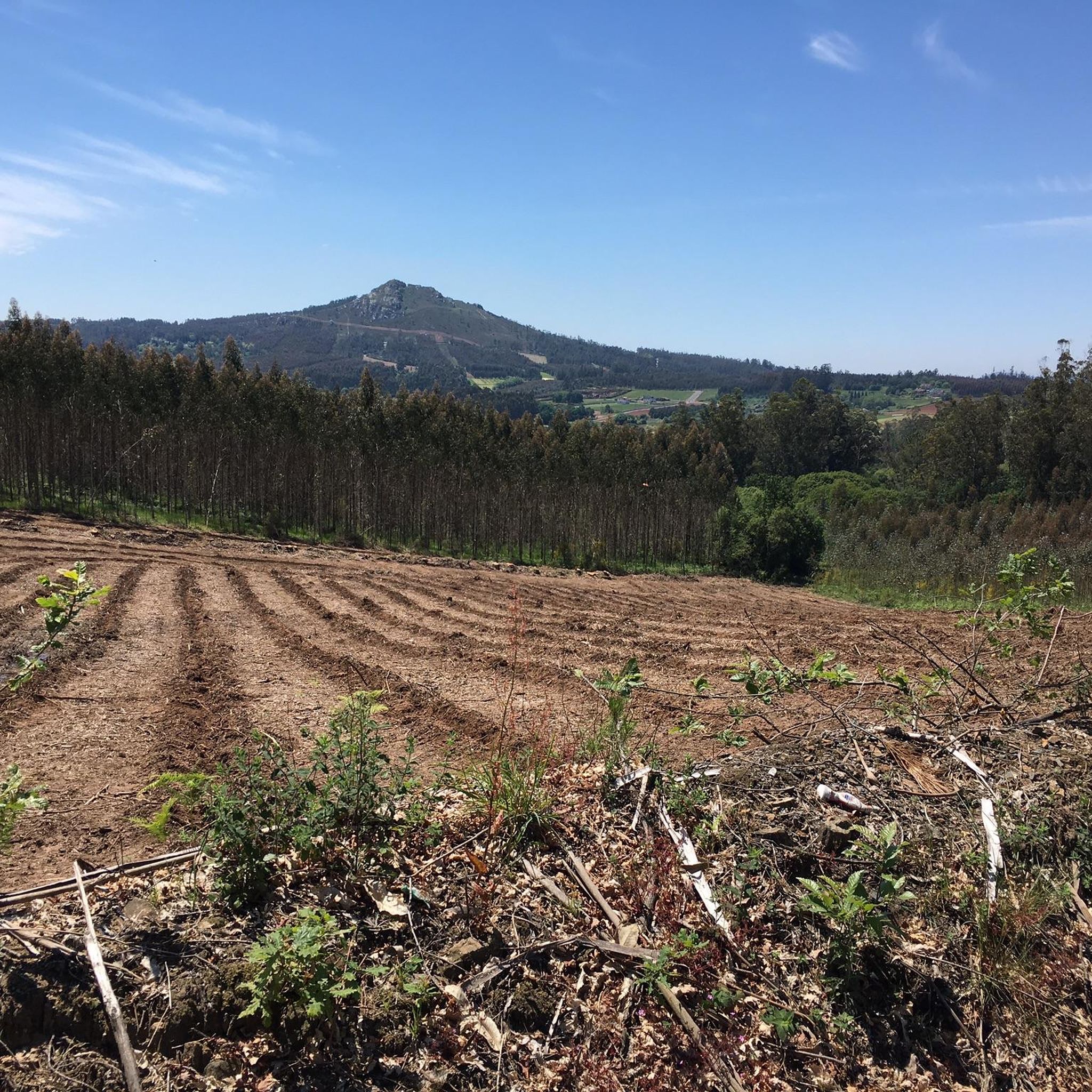
Eucalyptus Forest on the Camino de Santiago
Highlight (Segment) • Forest
Tip by

Cathedral
Highlight • Religious Site
Guided tours and special areas (such as the museum, the Pórtico de la Gloria, or the rooftop):
Pórtico de la Gloria: General admission around €12.
Translated by Google •
Tip by
Sign up for free to discover even more attractions around Boqueixón.
Already have an account?
Start today with a free account
Your next adventure awaits.

Tips from the Community

The Cathedral of Santiago de Compostela is an architectural marvel, richly decorated inside and out. At the same time, it is also the conclusion of the pilgrimage and a meeting place for many pilgrims who met on the Camino, lost each other, and now find each other again in great joy. Thus, the meaning of pilgrimage is integrated - Communitas - community with all the peoples of the world
1
0

Magnificent cathedral 🤙
0
1

The Cathedral of Santiago de Compostela is the most outstanding work of Romanesque art in Spain. It is also the final destination of all the Ways of St. James, which for centuries have led pilgrims from Christianity to the tomb of an apostle. As if that were not enough, it was the cornerstone for the construction of a monumental city, Santiago de Compostela, which was born in a sacred forest at the end of the world with the vocation of being a Holy City and a World Heritage Site.
15
1
Entrance to the main cathedral is usually free for self-guided visits. Guided tours and special areas (such as the museum, the Pórtico de la Gloria, or the rooftop): Pórtico de la Gloria: General admission around €12. Cathedral Museum: General admission around €6. Cathedral Rooftops: General admission around €12. Combined tickets: Options are available that include several areas for around €15–€18.
16
0

because it's simply beautiful there
2
0

Information about access to the museum
6
1
Large fountain
5
0
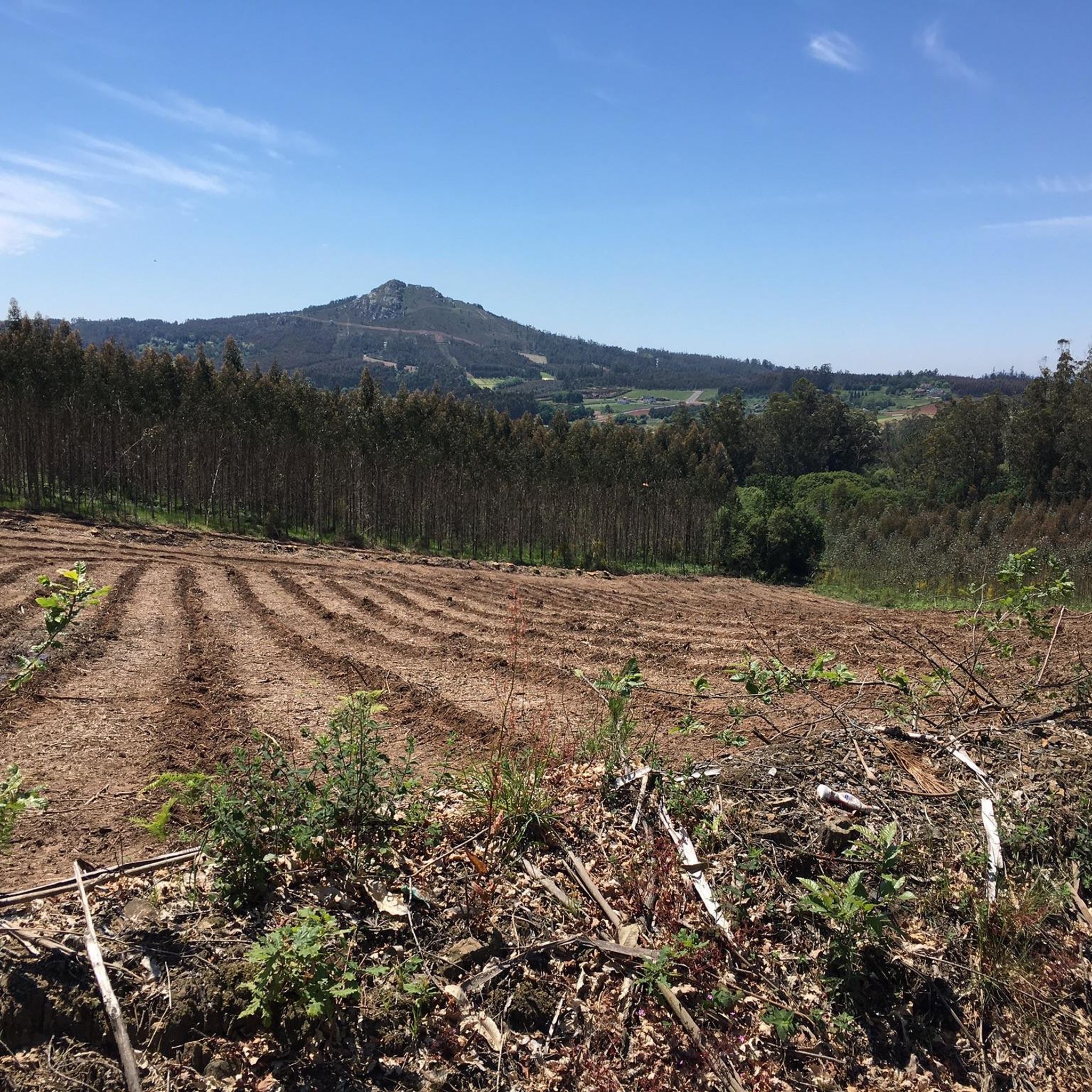
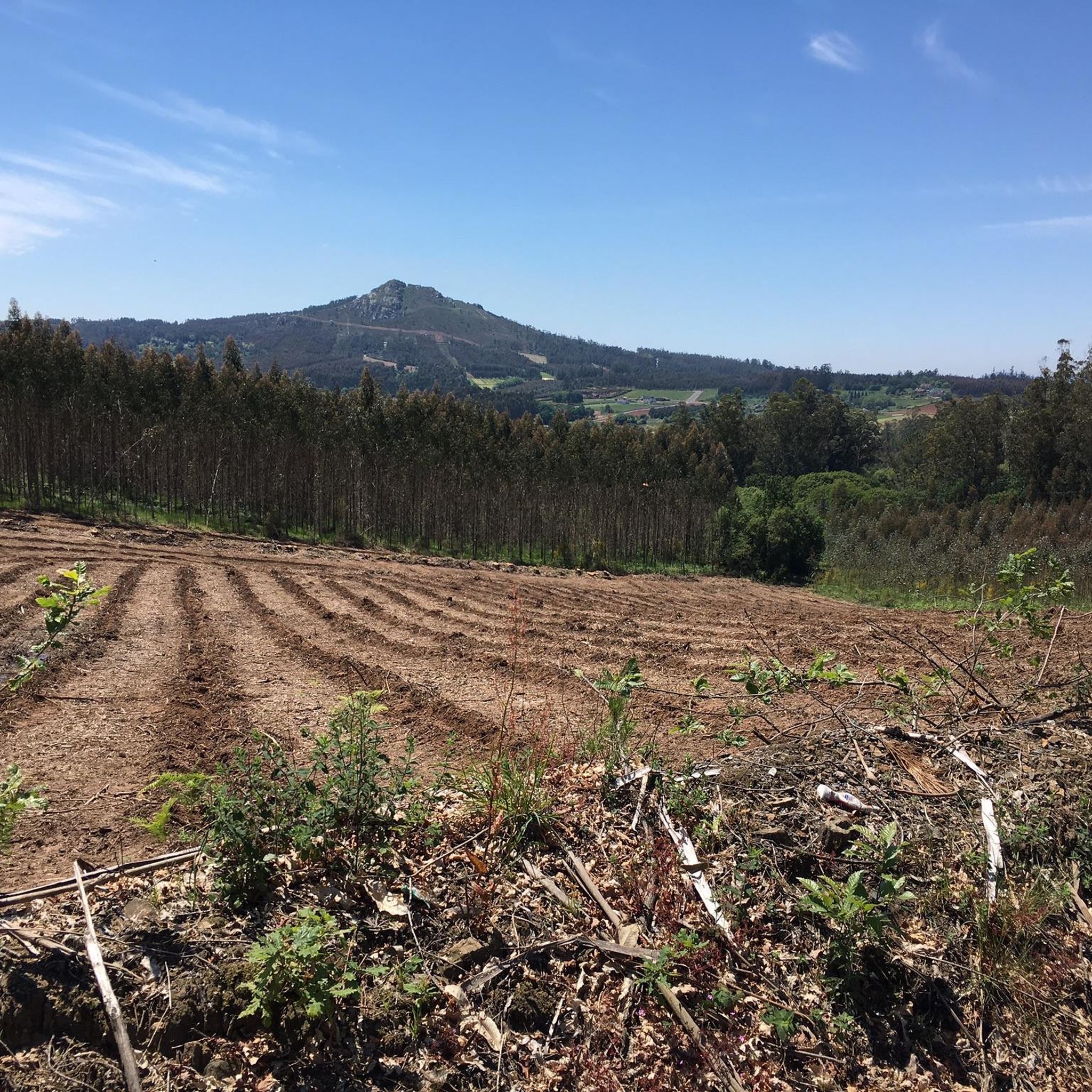
Eucalyptus forest sections are always beautiful, especially in the morning with fog/ mist 🤙
1
1
Frequently Asked Questions
What natural features can I explore in Boqueixón?
Boqueixón is rich in natural beauty. You can visit Pico Sacro, a sacred peak offering panoramic views and unique white quartz caves. The Ulla River forms a natural boundary with picturesque riverside spots, and you can discover several waterfalls like Cascada de Ramil and Cascada de Vigo. Recreational areas such as Ínsuas de Gres and Sucira, both along the Ulla River, provide beautiful natural settings for relaxation.
What historical and cultural sites are there to visit in Boqueixón?
Boqueixón boasts a rich history and culture. Explore the Romanesque Bridge at Ponteledesma, historically significant for a Napoleonic battle. The Waterwheels Interpretation Centre in Gastrar showcases traditional corn-grinding. You can also find the remains of an Iron Age fortified settlement at Castro de Gastrar. The area is home to numerous churches and chapels, including the Neo-Gothic Parish Church of Santa María de Lestedo and the Chapel of San Sebastián do Pico Sacro with Romanesque remains. Several Cruceiros (granite stone crosses) are also scattered throughout the villages.
Are there any significant pilgrimage sites or routes in Boqueixón?
Yes, Boqueixón is an important stop on ancient Jacobean Routes. Both the Vía de la Plata (or Southeast Way) and the Winter Way pilgrimage routes pass through the municipality, offering a rich historical and spiritual experience for pilgrims.
What kind of outdoor activities can I do in Boqueixón?
Beyond exploring attractions, Boqueixón offers various outdoor activities. Trekking is popular, with routes like the 10-kilometer itinerary from Cascada de Ramil to Ledesma and the 'Ruta do Pico Sacro'. You can also enjoy kayaking on the Ulla River, especially at the Ínsuas de Gres Recreational Area, and speleology (cave exploration) in the white quartz caves of Pico Sacro. For more structured routes, you can find hiking trails, running trails, and MTB trails around the region.
Are there family-friendly attractions or activities in Boqueixón?
Boqueixón offers several family-friendly options. The Ínsuas de Gres Recreational Area is perfect for a day out with a river beach, benches, and tables. The Gastrar Recreational Area features a small children's playground under an oak grove. Many of the natural trails and recreational areas are suitable for families to enjoy together. The Historic Centre of Santiago de Compostela, a UNESCO World Heritage Site, is also considered family-friendly for exploration.
What are some unique natural viewpoints in the area?
For breathtaking views, head to Pico Sacro, one of Boqueixón's highest points, offering extensive panoramic views of Galicia. Another notable viewpoint is Mirador del Monte Castelo in Loureda, where you can enjoy the characteristic scenery of inland Galicia. There's also a Pico Sacro Viewpoint in Donas, providing views of the Ponte de Gundián bridge.
What are the best times to visit Boqueixón for outdoor activities?
The best time to visit Boqueixón for outdoor activities is generally during the warmer months, from spring to early autumn. This period offers pleasant weather for trekking, kayaking on the Ulla River, and exploring the natural recreational areas. Summer is ideal for river activities at Ínsuas de Gres.
Where can I experience local traditions or heritage in Boqueixón?
To experience local heritage, visit the Waterwheels Interpretation Centre in Gastrar, which features a restored, working waterwheel demonstrating traditional corn-grinding. Additionally, if your visit coincides, the Filloa de Lestedo Festival in Lestedo celebrates a traditional Galician crepe and offers a vibrant cultural experience.
Are there any recreational areas suitable for a relaxing day out?
Absolutely. The Ínsuas de Gres Recreational Area, located along the Ulla River, is ideal for a relaxing day with its river beach, benches, and tables. The Gastrar Recreational Area offers benches, barbecues (seasonally), and a playground under a large oak grove. The Sucira Recreational Area, also by the Ulla River, provides an extensive and beautiful oak grove with benches, tables, and barbecues, perfect for nature contact.
What kind of trails are available for hiking around Boqueixón?
Boqueixón offers a variety of hiking trails. You can find routes ranging in difficulty, including a 10-kilometer itinerary from Cascada de Ramil to Ledesma and the 'Ruta do Pico Sacro'. For more detailed options, explore the Hiking around Boqueixón guide, which includes trails like the San Xoán da Cova Trail and the Pico Sacro and Ulla River Loop Trail.
What makes Pico Sacro a special place to visit?
Pico Sacro is special due to its unique combination of natural beauty, historical legends, and geological features. Standing at 530 meters, it offers extensive panoramic views. It's steeped in ancestral worship and legends connected to St. James and Queen Lupa. Uniquely in Europe, it features white quartz caves that can be explored through organized descents, providing insights into its geology.
Are there any dog-friendly walking options in Boqueixón?
Many of Boqueixón's natural trails and recreational areas, such as the Ulla River riverside spots and the various waterfalls, are suitable for walks with dogs. Always ensure to keep your dog on a leash and clean up after them to preserve the natural environment for everyone.
Most popular routes around Boqueixón
Most popular attractions around Boqueixón

Get inspired with the komoot mobile app


Explore more
Still not found the Highlight you’re looking for? See guides of the top attractions in other regions:
