Attractions and Places To See around Dumbría - Top 20
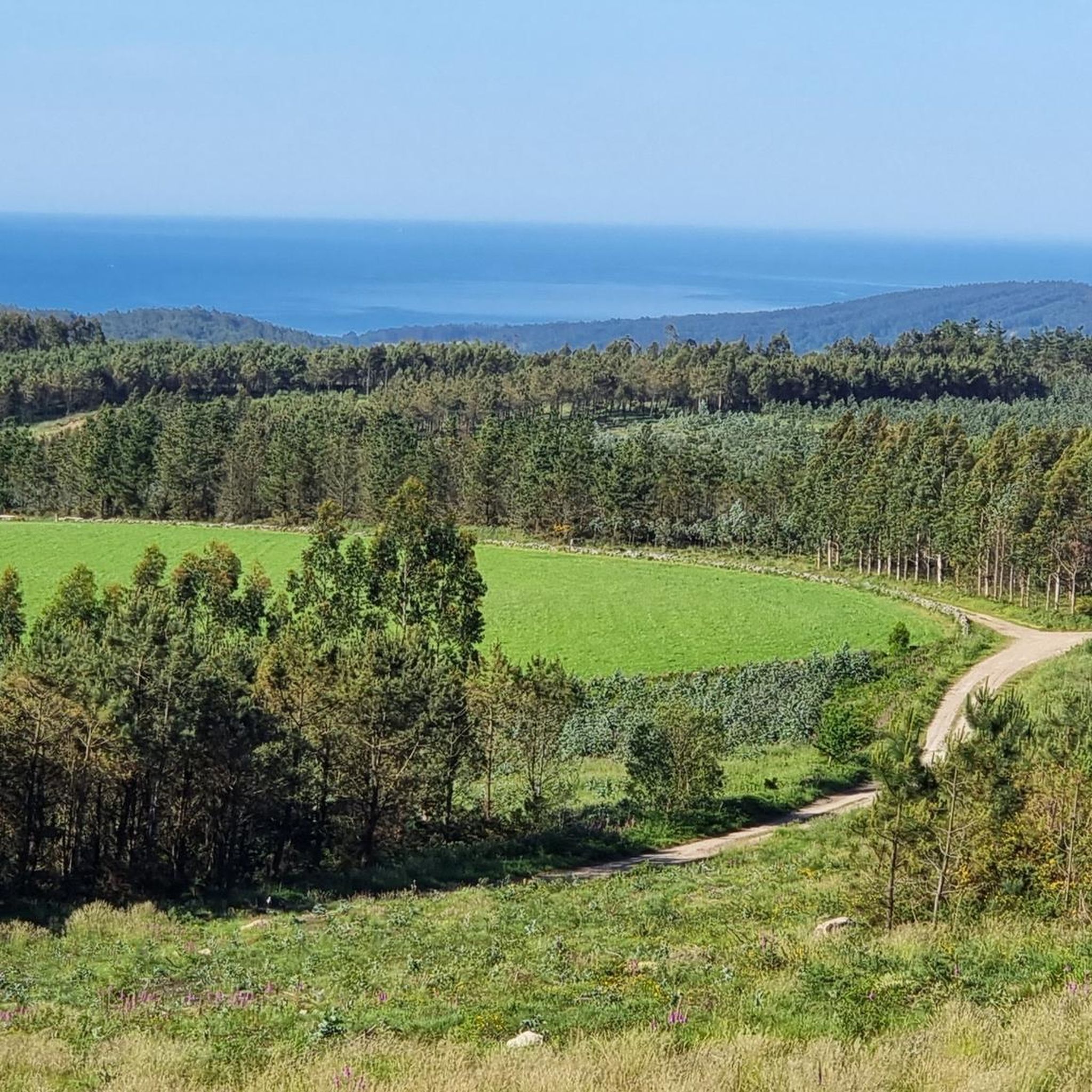
Best attractions and places to see around Dumbría, a municipality in the province of A Coruña, Spain, offers a convergence of history and nature. This region is notable for its unique Ézaro Waterfall, where the Xallas River flows directly into the ocean. Dumbría also features rugged natural landscapes like Monte Pindo and serves as a significant point on the Camino de Santiago. The area provides a range of historical sites and natural wonders for exploration.
Best attractions and places to see around Dumbría
- The most popular attractions is Camino de Santiago Fork: Fisterra or Muxía, a trail where pilgrims decide between routes to Fisterra or Muxía. This fork is located approximately 60 km from Santiago de Compostela, marking a significant point on the Camino.
- Another must-see spot is A Ferida Monument, an 11-meter-high monolith. This monument commemorates the oil tanker that sank off the coast of Muxía in 2002, representing the environmental catastrophe that occurred.
- Visitors also love Moa Summit (Monte Pindo), a summit offering expansive views. The signposted trails to Monte Pindo provide a rugged and impressive landscape.
- Dumbría is known for its natural features like the Ézaro Waterfall and Monte Pindo, alongside cultural sites such as the Camino de Santiago and historical churches. The region offers a variety of attractions to see and explore, from coastal views to ancient settlements.
- The attractions around Dumbría are appreciated by the komoot community, with more than 200 upvotes and over 50 photos shared across 23 highlights.
Last updated: May 9, 2026
Camino de Santiago Fork: Fisterra or Muxía
Highlight • Trail
Translated by Google •
Tip by

A Ferida Monument
Highlight • Monument
Translated by Google •
Tip by
Sign up now to discover places like this
Get recommendations on the best single tracks, peaks, & plenty of other exciting outdoor places.
Sign up for free
Santa María das Areas Church
Highlight • Religious Site
Translated by Google •
Tip by

Moa Summit (Monte Pindo)
Highlight • Summit
Translated by Google •
Tip by

Fountain of San Pedro Mártir
Highlight • Structure
Translated by Google •
Tip by
Sign up for free to discover even more attractions around Dumbría.
Sign up for free
Already have an account?
Start today with a free account
Your next adventure awaits.
Login or Signup
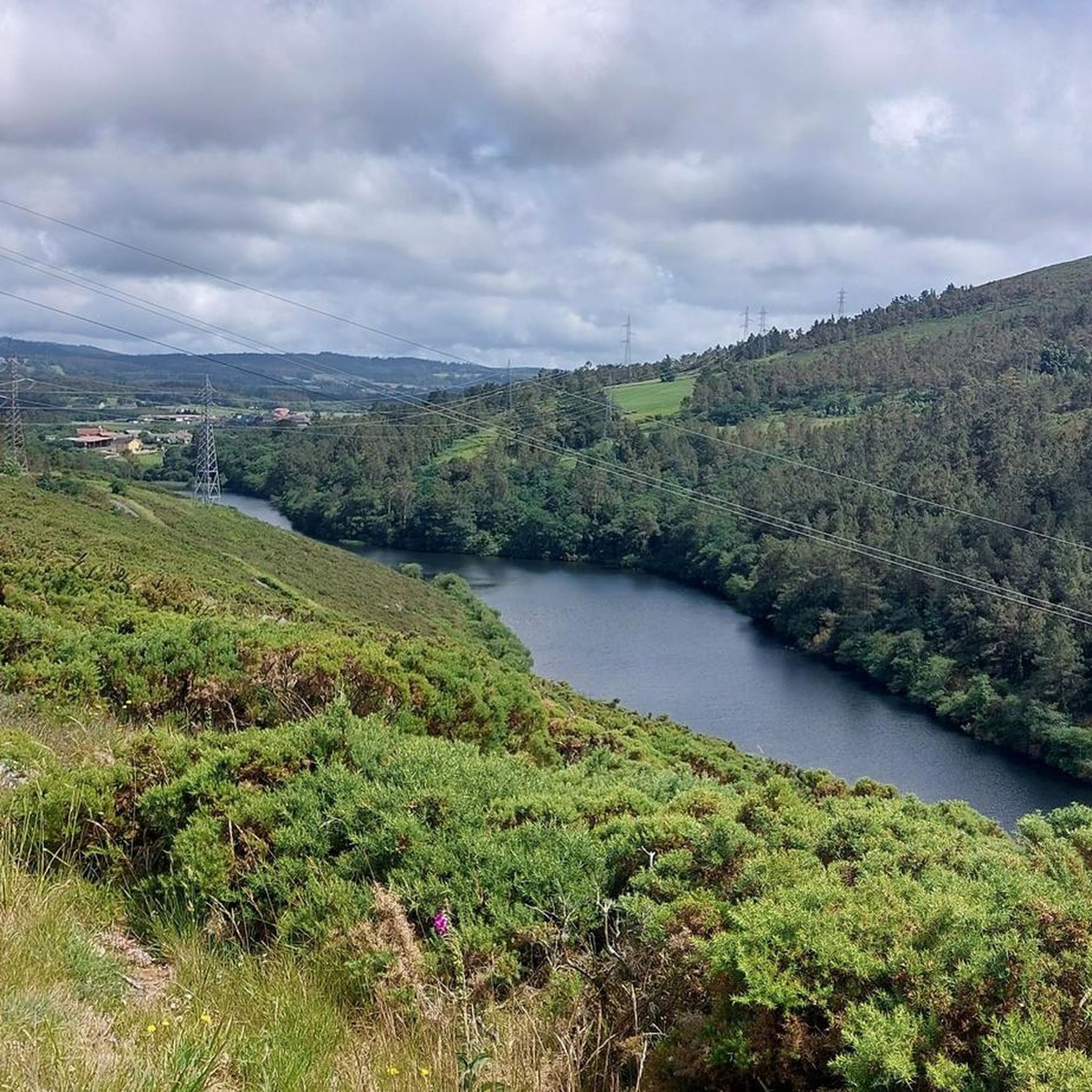
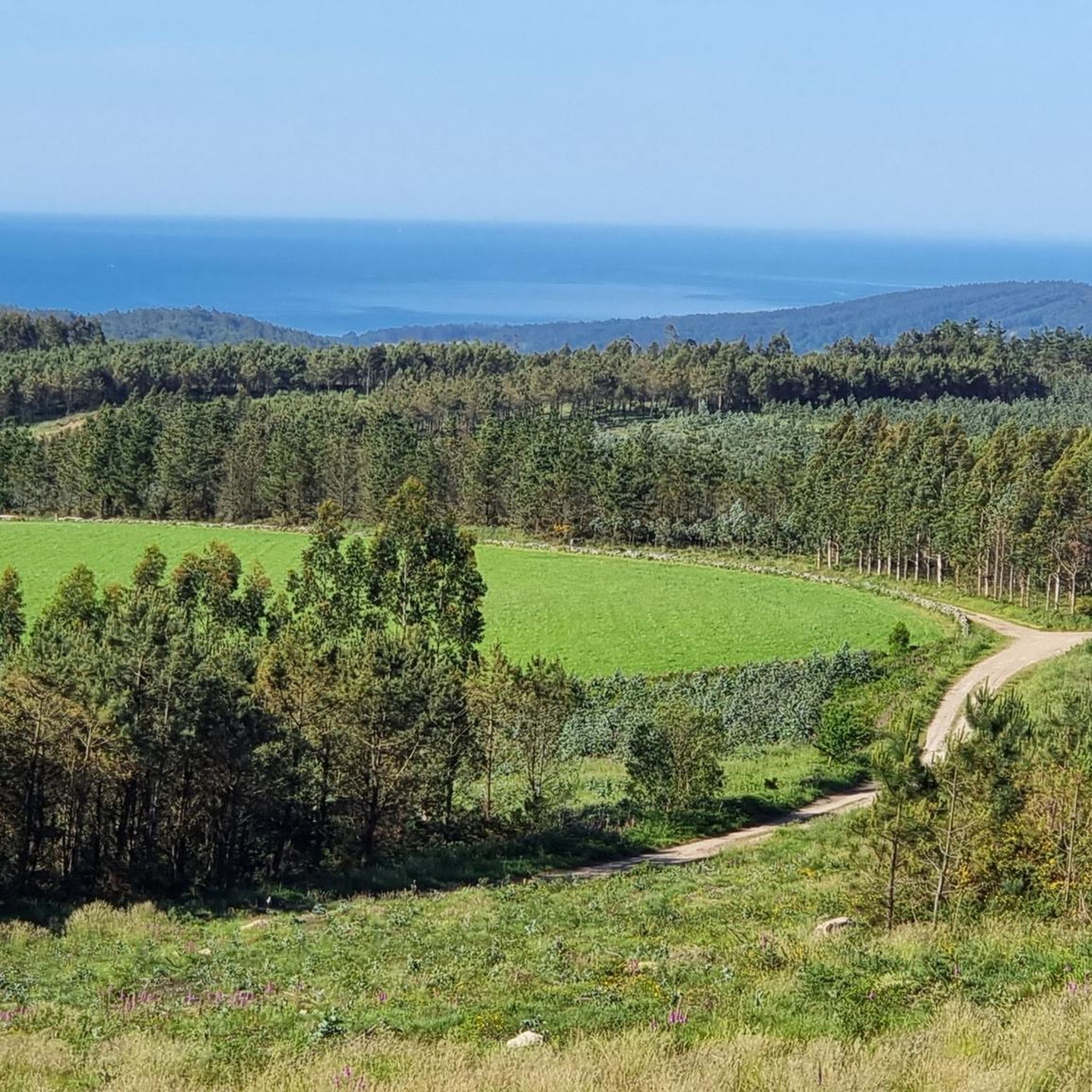
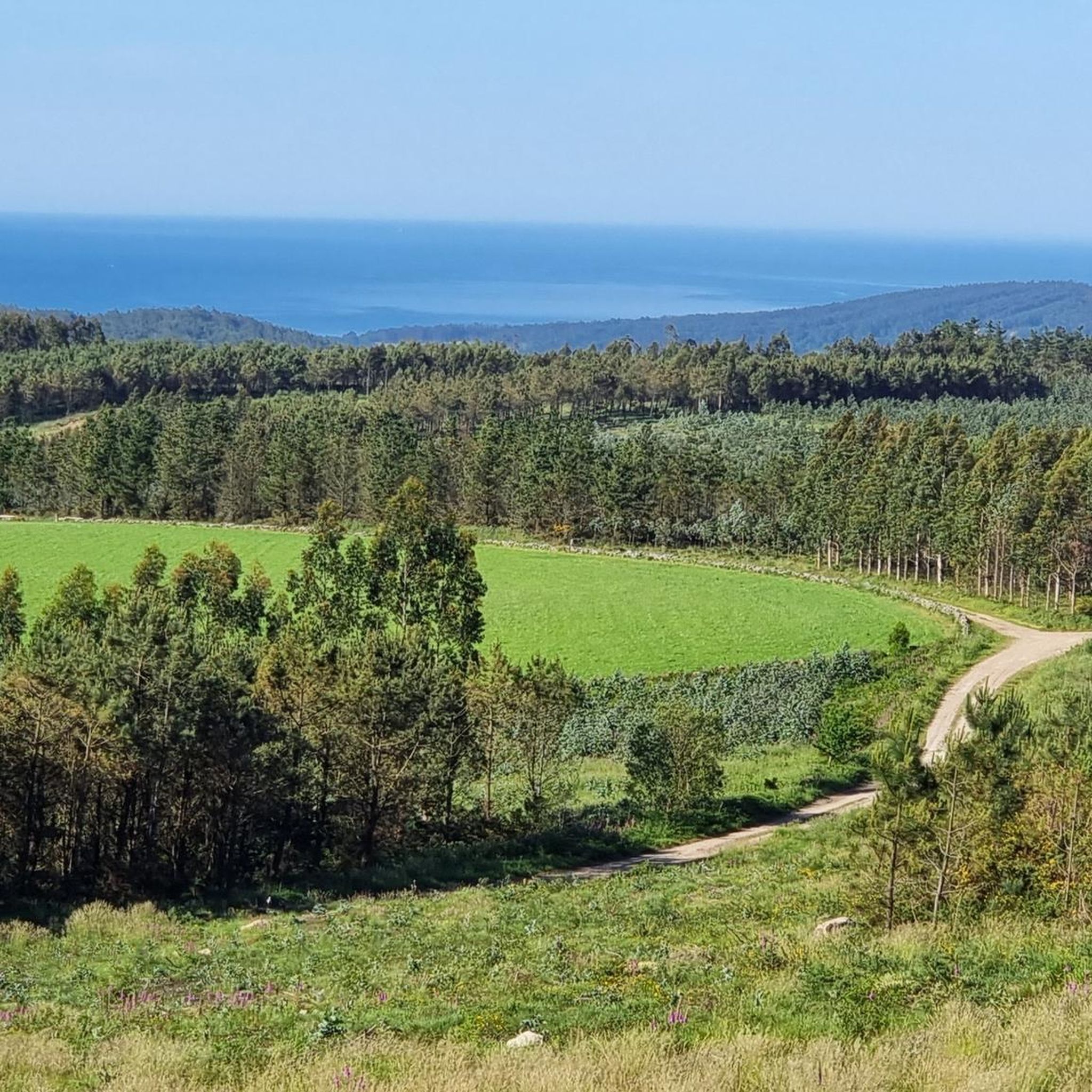
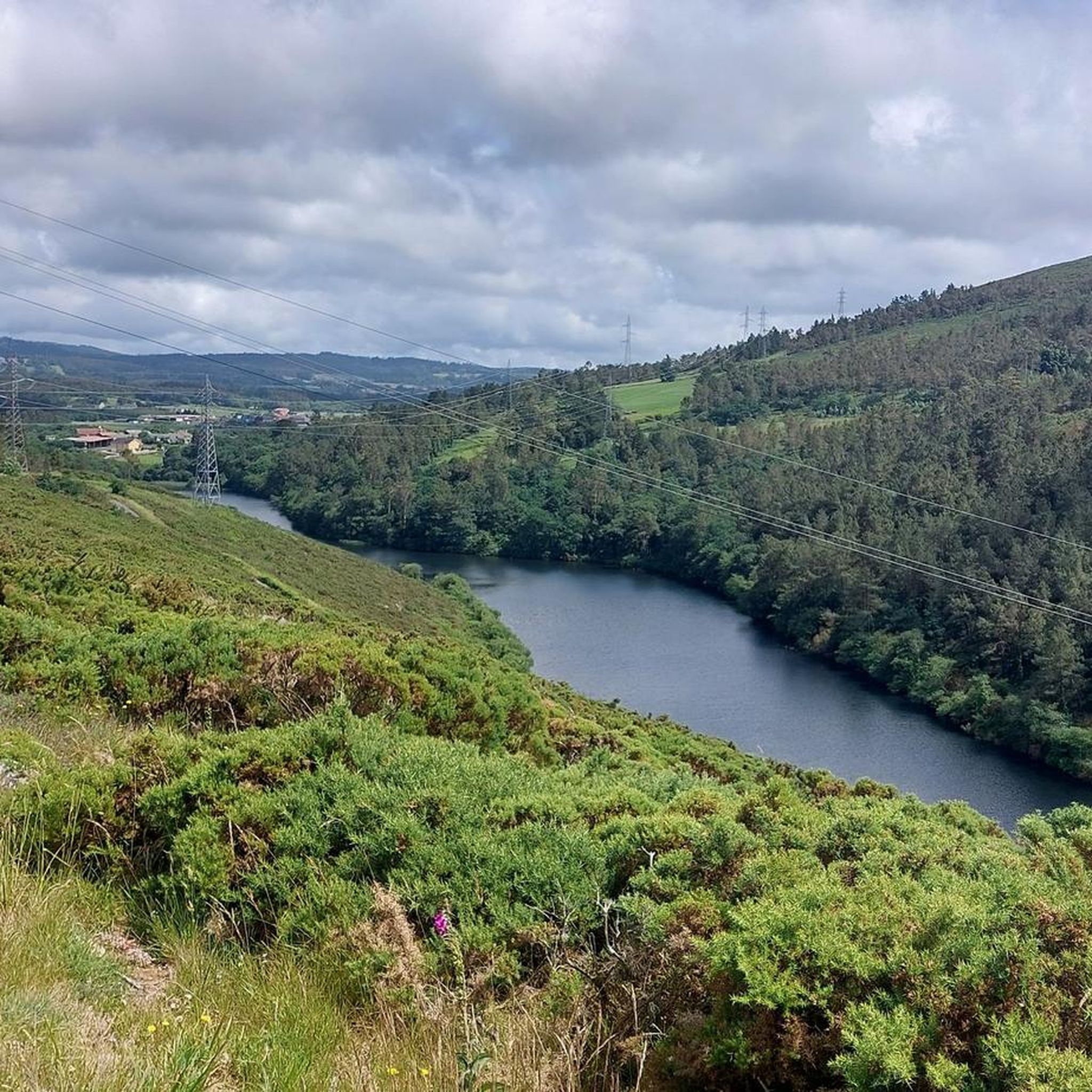
Tips from the Community

I don't know if it's drinkable, it doesn't say anything but I drank like an animal from it.
0
0

Santa Maria des Areas. It is a beautiful church from the 12th century. The essential thing to know is that every day at 6 pm there is the Holy Mass of the pilgrim with a special and suggestive blessing.
5
0

The way to the summit is a bit sweaty, but easy to walk in shorts and well signposted. You reach the summit in about 70 minutes. With the knowledge I have now gained after the tour I have just completed, I would now take the same route back. The way back - as others have already written - quickly becomes very thorny (gorse and blackberries) and the path becomes increasingly narrow. You are bound to get caught on the thorns all the time. It was a pretty bloody affair in shorts. In addition, shortly after leaving the summit, a thick cloud of fog rolled in from the sea and swallowed the mountain. With the cloud came heavy, constant drizzle. I was completely soaked in no time - from above and from the sides due to contact with the vegetation. All of this made the way back feel four times longer than the ascent and was then simply no longer fun. What the rain also showed: good hiking boots are absolutely essential. The rocks then become quite slippery in places. The climb was in mid-August, starting at around 10 a.m. (it is highly recommended to start early, as it is almost always cloudy/foggy in the afternoon) at 20 degrees.
1
0

Decision point whether to go to Fisterra or Muxia
0
1

Signage on the Camino de Santiago is essential for pilgrims. Yellow arrows: These arrows will guide you throughout the entire route. They indicate the direction to follow, especially at crossroads. The yellow color is due to the contribution of the parish priest Elías Valiña, a key figure in the resurgence of the Camino de Santiago in the 20th century. Cairns or milestones: These concrete blocks include an arrow, a yellow shell on a blue background and the distance in kilometers to Santiago de Compostela. You will find them every 500 meters in Galicia. Scallop shells: In addition to being drawn on the markers, scallop shells are distributed throughout the Camino. They are universal symbols and have been carried by pilgrims for centuries. The open part of the shell indicates the direction towards Santiago. Good way! 🚶♂️🌟
2
0

We cooled off here too. These springs are very popular on warm days.
1
0
Left or right. This is where our paths diverge.
1
0
A memorial and a very beautiful memory.
4
0
Frequently Asked Questions
What unique natural wonders can I find in Dumbría?
Dumbría is home to the Moa Summit (Monte Pindo), known as the "Celtic Olympus," offering rugged landscapes and expansive views. The region is also famous for the Ézaro Waterfall, a unique phenomenon where the Xallas River flows directly into the Atlantic Ocean, which can be admired from a dedicated viewpoint and wooden walkway.
Can I experience the Camino de Santiago in Dumbría?
Yes, Dumbría is an essential stop on the Camino de Santiago. Pilgrims will encounter the Camino de Santiago Fork: Fisterra or Muxía shortly after Hospital de Logoso, approximately 60 km from Santiago de Compostela, where they must choose their route towards either Fisterra or Muxía. The area offers amenities for pilgrims.
Are there historical or cultural sites to visit in Dumbría?
Dumbría boasts several historical and cultural sites. You can visit the Santa María das Areas Church, which blends Romanesque, Gothic, and Baroque architectural styles. The Fountain of San Pedro Mártir features one of the region's oldest hermitages and a spring believed to have curative properties. Additionally, ancient Celtic fortified settlements (Castros Celtas) and petroglyphs like Pedra da Arca connect visitors to the region's prehistoric past.
What outdoor activities are available near Dumbría's attractions?
Beyond exploring attractions, Dumbría offers a variety of outdoor activities. You can go kayaking in the waters near the Ézaro Waterfall or visit the Naturmaz Adventure Park for activities like ziplining, paintball, climbing, and archery. For hiking, cycling, and mountain biking, you can explore numerous routes. Find more details on specific trails in the Hiking around Dumbría, Cycling around Dumbría, and MTB Trails around Dumbría guides.
Are there family-friendly attractions in Dumbría?
Yes, Dumbría offers several family-friendly options. The Naturmaz Adventure Park provides activities suitable for all ages, including ziplining and paintball. Many natural sites, such as the Ézaro Waterfall, are accessible and enjoyable for families. The A Ferida Monument and the Fountain of San Pedro Mártir are also considered family-friendly highlights.
What is the significance of the A Ferida Monument?
The A Ferida Monument is an 11-meter-high monolith that commemorates the oil tanker that sank off the coast of Muxía in 2002. The crack in the stone symbolizes the environmental catastrophe that occurred, serving as a powerful reminder of the event.
Where can I find natural pools or wild swimming spots?
You can discover the Caldeiras do Castro, which are natural pools offering an opportunity for swimming and enjoying the serene natural beauty of Dumbría. These spots provide a refreshing experience amidst the region's landscapes.
What kind of hiking trails are available in Dumbría?
Dumbría offers a range of hiking trails, from easy to challenging. For instance, you can find easy loops around the Ézaro Waterfall, moderate trails like the 'Ézaro Waterfall – Ézaro Viewpoint Climb loop,' and more difficult routes such as the 'Vakner Statue – Camino de Santiago Rural Path loop.' The signposted trails to Moa Summit (Monte Pindo) are known for their rugged beauty and impressive views, though some parts can be challenging. For more options, consult the Hiking around Dumbría guide.
What do visitors enjoy most about Dumbría?
Visitors particularly enjoy the stunning natural landscapes, especially the unique Ézaro Waterfall and the panoramic views from Moa Summit (Monte Pindo). The historical and cultural significance of the Camino de Santiago and ancient sites also draw appreciation. Many find the blend of outdoor adventure and cultural insights to be a truly enriching experience.
Are there any notable bridges or traditional villages to see?
Yes, the village of Olveira and its historic Ponte Olveira (Olveira Bridge) are worth visiting. This area offers opportunities to walk along the scenic banks of the Xallas River. Additionally, the village of Olveiroa features the Church of Santiago, dating from the late 12th century, surrounded by traditional *hórreos* (granaries), providing a glimpse into local heritage.
What is the best time to visit Dumbría's attractions?
The best time to visit Dumbría's attractions generally depends on your preferred activities. Spring and autumn offer pleasant temperatures for hiking and exploring natural sites like Monte Pindo and the Ézaro Waterfall. Summer is ideal for water-based activities and enjoying the natural pools, though it can be busier. Winter provides a quieter experience, but some outdoor activities might be limited by weather conditions.
Can I learn about the region's industrial history?
Yes, you can explore the Ézaro Electricity Museum, located near the waterfall, which details how electricity was generated and distributed in the region during the 20th century. Additionally, the Molinos y Batáns do Mosquetín (Mills and Fulling Mills of Mosquetín), near Vimianzo, offer insight into historical industrial processes, with some mills dating back almost three hundred years.
Most popular attractions around Dumbría

Get inspired with the komoot mobile app


Explore more
Still not found the Highlight you’re looking for? See guides of the top attractions in other regions:
