Top 5 Castles around Consuegra
Best castles around Consuegra are situated in a region known for its historical significance and distinctive landscape. The area is dominated by Cerro Calderico, a limestone elevation rising about 100 meters above the surrounding La Mancha plain. This strategic location has been home to fortresses since the 10th century, offering panoramic views of the plains and the iconic windmills. The region's history is deeply intertwined with its castles, reflecting centuries of Moorish and Christian influences.
Best castles around Consuegra
- The…
Last updated: May 17, 2026
Calderico Hill
Highlight • Natural Monument
Translated by Google •
Tip by

Consuegra Castle
Highlight • Castle
Translated by Google •
Tip by
Sign up now to discover places like this
Get recommendations on the best single tracks, peaks, & plenty of other exciting outdoor places.
Sign up for free
Los Yébenes
Highlight • Settlement
Historical and Cultural Heritage
Churches of Santa María and San Juan Bautista: Both from the 16th century, in Mudejar …
Translated by Google •
Tip by
Castle and windmills of Consuegra
Highlight (Segment) • Castle
Translated by Google •
Tip by

Orgaz
Highlight • Settlement
Translated by Google •
Tip by
Sign up for free to discover even more castles around Consuegra.
Sign up for free
Already have an account?
Start today with a free account
Your next adventure awaits.
Login or Signup

Tips from the Community

Perfectly restored, it allows visitors to explore its walls and parade ground, as well as enter its interior, complete with furnishings and weapons, recreating the atmosphere of the period. For more information, contact the Consuegra Tourist Office at +34 925 47 57 31.
3
0
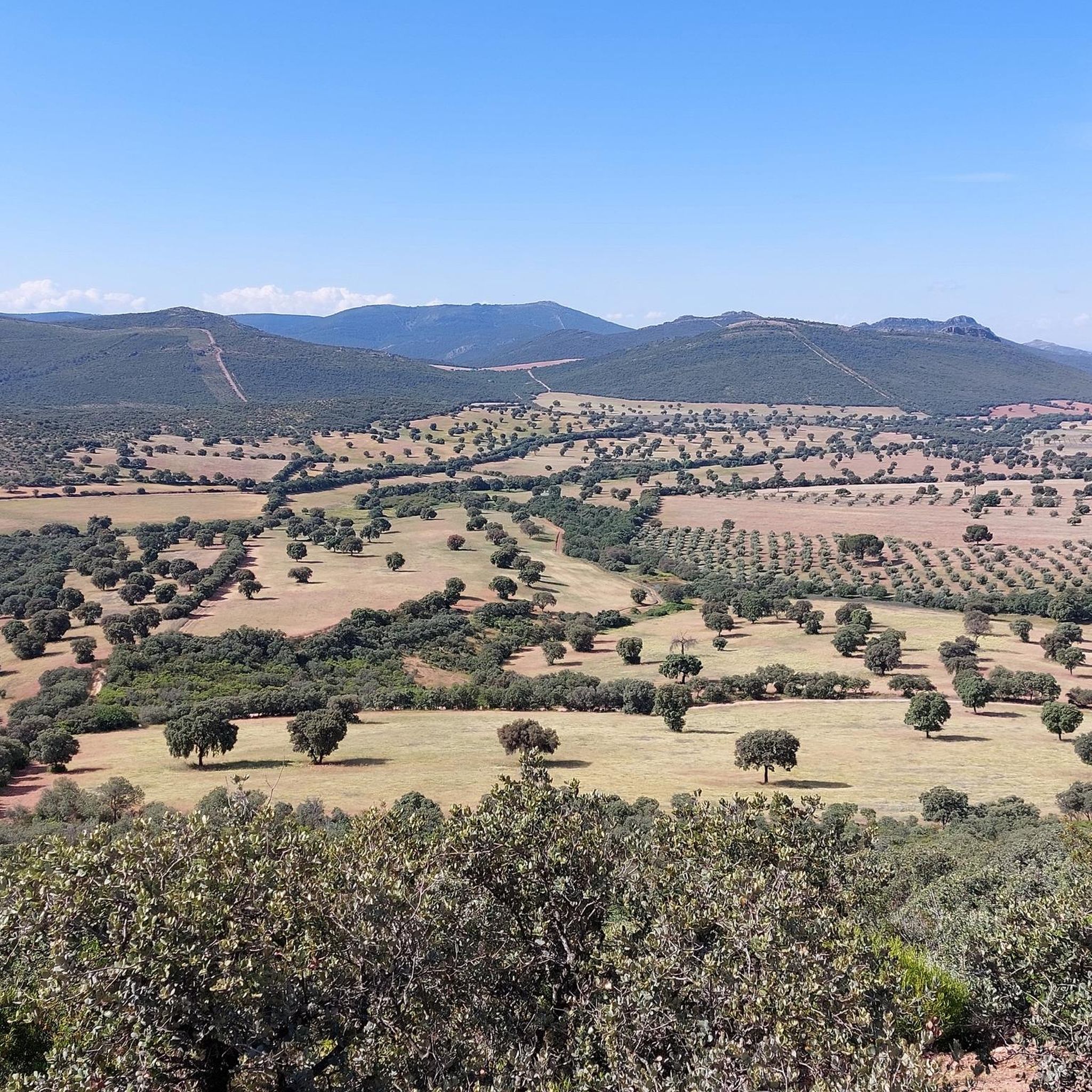
Calderico Hill rises from the plains of La Mancha, visible for miles around and giving Consuegra (Toledo) its distinctive character. Its most notable heritage features are the castle and the windmills that line its summit, following its longitudinal profile. The views of the windmills and castle are truly worth seeing.
2
0
Los Yébenes is a fascinating destination in the Montes de Toledo! Historical and Cultural Heritage Churches of Santa María and San Juan Bautista: Both from the 16th century, in Mudejar and late Gothic styles. Guadalerzas Castle: A medieval fortress that still preserves its imposing structure. Windmills: Located in the "Crestería Molinera" (Molinera Ridge), these windmills stand out for their panoramic views and historical value. The Tío Zacarías Mill preserves its original machinery. Natural Science Museum: With an impressive blue whale skeleton. Hunting and Nature Museum: Showcases the hunting tradition of the area. Hoploteca – Museum of Ancient Weapons: A tour of the evolution of weapons in different contexts.
31
0
Los Yébenes is a fascinating destination in the Montes de Toledo! Historical and Cultural Heritage Churches of Santa María and San Juan Bautista: Both from the 16th century, in Mudejar and late Gothic styles. Guadalerzas Castle: A medieval fortress that still preserves its imposing structure. Windmills: Located in the "Crestería Molinera" (Molinera Ridge), they stand out for their panoramic views and historical value. The Tío Zacarías Mill preserves its original machinery. Natural Sciences Museum: With an impressive blue whale skeleton. Hunting and Nature Museum: Showcases the hunting tradition of the area. Hoploteca – Museum of Ancient Weapons: A tour of the evolution of weapons in different contexts.
19
1

A work of military architecture that the Knights of the Order of Saint John of Jerusalem built after Alfonso VIII ceded the old fortifications and the district of Consuegra to the Order. The castle underwent transformations, renovations, and restorations, and its uses adapted to the needs and sociopolitical changes of the time. It enjoyed its splendor during the 13th and 15th centuries, and although it remained inhabited, it suffered a gradual but inexorable process of abandonment until its final decline with the confiscation of church property by Mendizábal in the 19th century. Finally, thanks to the will and perseverance of the inhabitants of Consuegra, the castle was gradually restored to return it to its former splendor. It can be visited Monday through Sunday from 10:00 a.m. to 2:00 p.m. and from 4:00 p.m. to 6:30 p.m.
2
1

The sunrise is spectacular from the hill
1
0
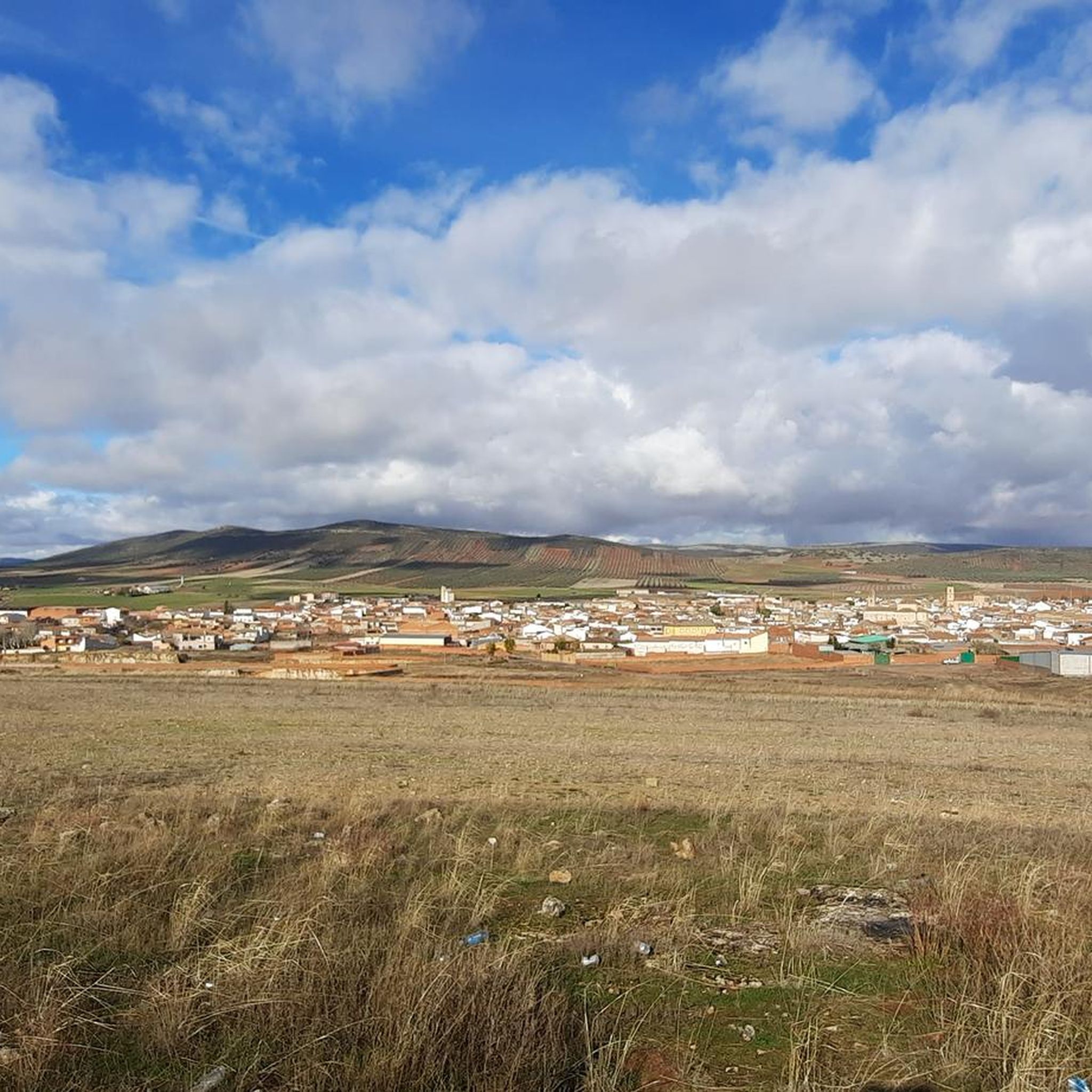
Orgaz stretches out in its hollow and shakes off the dust of history that sprinkles medieval songs, county records and historical files to narrate its journey, while we contemplate its living legacy in the walk through its streets and monuments. From an illustrious entrance, the doors of its ancient walls already immerse us in the town and in the Middle Ages, to lose ourselves in both as soon as we flank the Arch of San José or the Arch of Belén. The old town surrounds us with interest and makes us turn our gaze that stops at the details. The house of Calderón de la Barca or that of the Vínculo de las Cadenas. The Church of Santo Tomás Apóstol by Alberto de Churriguera and with an illustration by El Greco, El Expolio, a painter who is impregnating the town and it with his work. The Castle of the Counts of Orgaz, is from the 14th century, possibly built on a previous one, it is a beautiful example of a residential fortress and of magnificent conservation. It has a rectangular floor plan and is finished with beautiful battlements with wonderful projecting turrets at the corners. The Keep has a semicircular apse corresponding to a chapel that breaks the rectilinear structure of the complex.
9
1
In the town we can see several interesting things such as the Castle of the Counts of Orgaz and a sculpture in homage to the Orgaz woman personified in the figure of Doña Jimena in the Plaza del Castillo itself; the church of Saint Thomas the Apostle; the Plaza Mayor, the bridge of the five eyes, the hermitage of the Concepción; the Arches of Belén and that of San José.
1
0
Frequently Asked Questions
What are the main historical castles to visit in the Consuegra region?
The most prominent is Consuegra Castle, a 10th-century fortress with Moorish origins later adapted by the Knights Hospitaller. Other notable historical sites include Peñas Negras Castle, a rock fortress that served as a southern defense of Toledo, the medieval Guadalerzas Castle near Los Yébenes, and the well-preserved 14th-century Castle of the Counts of Orgaz in Orgaz.
Are there any family-friendly castles or activities around Consuegra?
Consuegra Castle is considered family-friendly, offering tours of its restored interior, including dungeons and a chapel. The castle's connection to Don Quixote and its location next to the iconic windmills make for an engaging visit for all ages. The nearby town of Los Yébenes also offers family-friendly attractions like its windmills and museums.
What kind of views can I expect from the castles in Consuegra?
From Consuegra Castle, located atop Calderico Hill, you'll get breathtaking panoramic views of the town of Consuegra, the surrounding plains of La Mancha, and the famous windmills. Peñas Negras Castle also offers extensive views of the olive groves stretching across the valley around Mora.
What outdoor activities can I do near the castles in Consuegra?
The region offers various outdoor activities. You can find numerous hiking trails, including easy routes like the 'Consuegra Castle and Windmills Trail' and the 'Calderico Hill – Consuegra Castle loop'. There are also extensive MTB trails and cycling routes that pass by the castles and windmills, offering different difficulty levels.
Is there an entrance fee for Consuegra Castle?
Yes, Consuegra Castle typically has an entrance fee, which often includes access to other historic sites in Consuegra. For specific details on current fees and opening hours, it's best to contact the Consuegra Tourist Office directly.
Can I visit Peñas Negras Castle?
Yes, Peñas Negras Castle is open to visitors, and admission is free. It's a 10th-century rock fortress offering panoramic views of the surrounding olive groves.
What is the best time of year to visit the castles around Consuegra?
The region experiences hot summers. Spring (April-May) and autumn (September-October) generally offer more pleasant weather for exploring the castles and engaging in outdoor activities. These seasons provide comfortable temperatures for walking and enjoying the panoramic views without extreme heat.
Are there guided tours available for Consuegra Castle?
Yes, Consuegra Castle often offers guided tours, sometimes with English-speaking guides, providing informative insights into its rich history and architecture. These tours can enhance your understanding of its Moorish origins and its role with the Knights Hospitaller.
What is the historical significance of Consuegra Castle?
Consuegra Castle has a deep historical significance, with origins as a 10th-century Caliphate fortress. It played a crucial role in civil wars and was later ceded to the Knights Hospitaller, who significantly altered its military and residential aspects. It was a strategic stronghold during the Reconquista, witnessing centuries of power struggles and conflicts.
Are there any easy hiking trails near the castles?
Yes, there are several easy hiking trails. The 'Consuegra Castle and Windmills Trail' is a short, easy route of about 4.8 km. Another easy option is the 'Calderico Hill – Consuegra Castle loop from Consuegra', which is around 3.4 km. You can find more details on these and other routes in the hiking guide for Consuegra.
Where can I find information about the windmills near Consuegra Castle?
The iconic windmills are located on the same ridge as Consuegra Castle, atop Calderico Hill. A visit to the castle is often combined with exploring these twelve whitewashed windmills, which are famously linked to Miguel de Cervantes's *Don Quixote*.
What restoration efforts have been made for Consuegra Castle?
Consuegra Castle suffered significant damage, particularly during the Peninsular War. However, extensive restoration efforts began after it was handed over to the Consuegra town hall in 1962, helping to return it to its former splendor and allowing visitors to explore its well-preserved structure today.
Most popular routes around Consuegra
Most popular attractions around Consuegra

Get inspired with the komoot mobile app


Explore more
Looking for the best castles somewhere else? Discover other guides around Consuegra:
