The best walks and hikes around Berlanga
4.8
(8)
55
hikers
11
hikes
Hiking around Berlanga de Duero, located in the Spanish province of Soria, offers a blend of historical exploration and natural landscapes. The region features rolling hills and riverine environments, particularly along the Escalote River, contributing to its diverse ecosystems. Hikers can explore varied terrain that integrates medieval landmarks with natural settings, providing both cultural and outdoor experiences. This area is recognized as a Historic-Artistic Site, offering a journey through its past alongside natural exploration.
Best hiking trails around Berlanga
- The…
Last updated: July 10, 2026
5.0
(1)
4
hikers
15.4km
04:31
430m
430m
Hike a moderate 9.6-mile circular route from Fuente del Arco to the historic Hermitage of the Virgin of Ara, gaining 1404 feet.
4.80km
01:32
190m
190m
Hike an easy 3.0-mile (4.8 km) trail exploring the Roman city of Regina Turdulorum and the historic Alcazaba de Reina with panoramic views.

Sign up for free
1
hikers
3.71km
01:00
50m
50m
Explore history on the easy 2.3-mile (3.7 km) Castillo Miramontes de Azuaga circular hike, offering panoramic views from ancient castle ruin
5.0
(1)
7
hikers
3.99km
01:03
30m
30m
Easy hike. Great for any fitness level. Easily-accessible paths. Suitable for all skill levels.
5.0
(1)
4
hikers
5.73km
01:35
100m
100m
Easy hike. Great for any fitness level. Easily-accessible paths. Suitable for all skill levels.
Get access to more routes and recommendations from other explorers.
Sign up for free
Already have an account?
Our route recommendations are based on thousands of hikes, rides, and runs completed by other people on komoot.
Start today with a free account
Your next adventure awaits.
Login or Signup
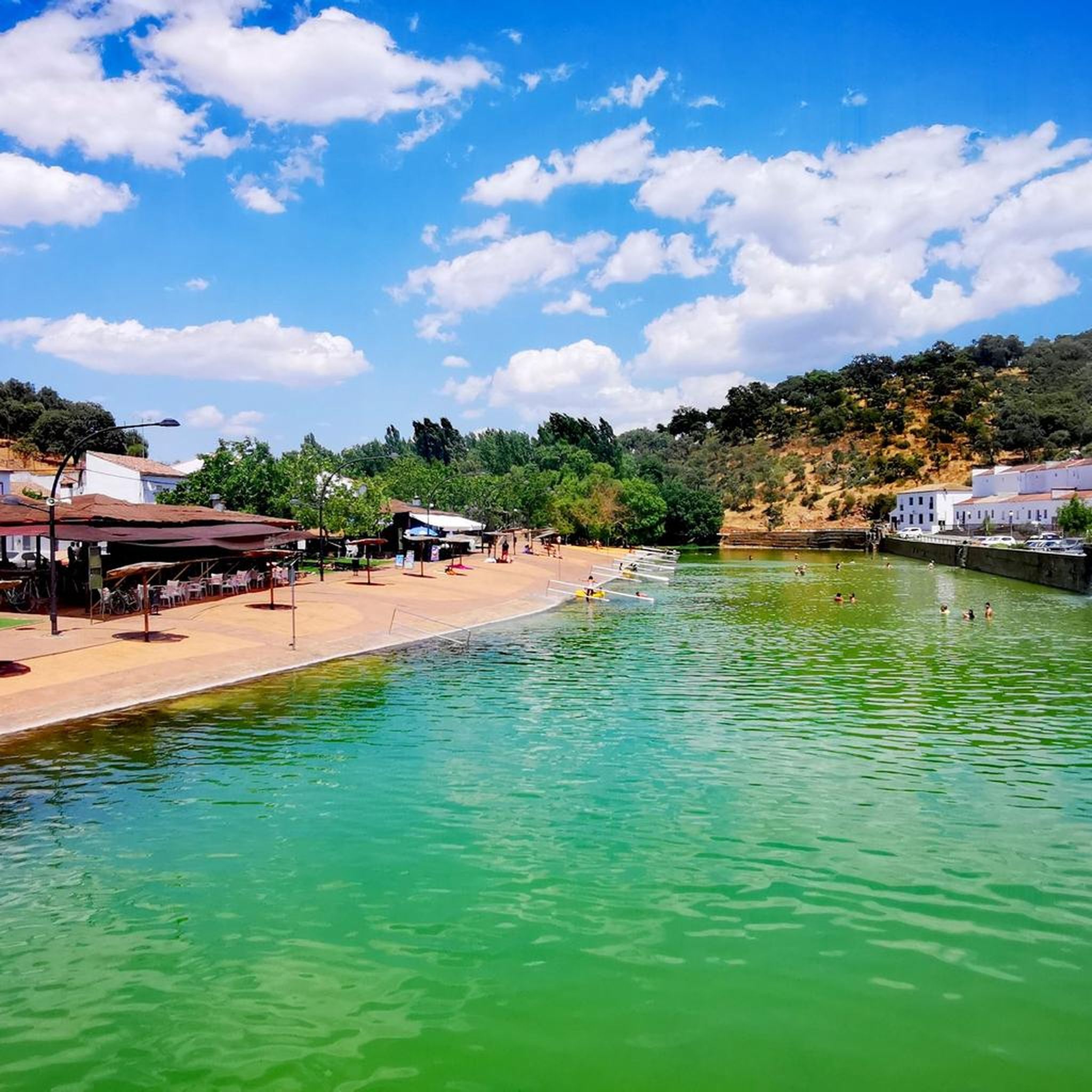
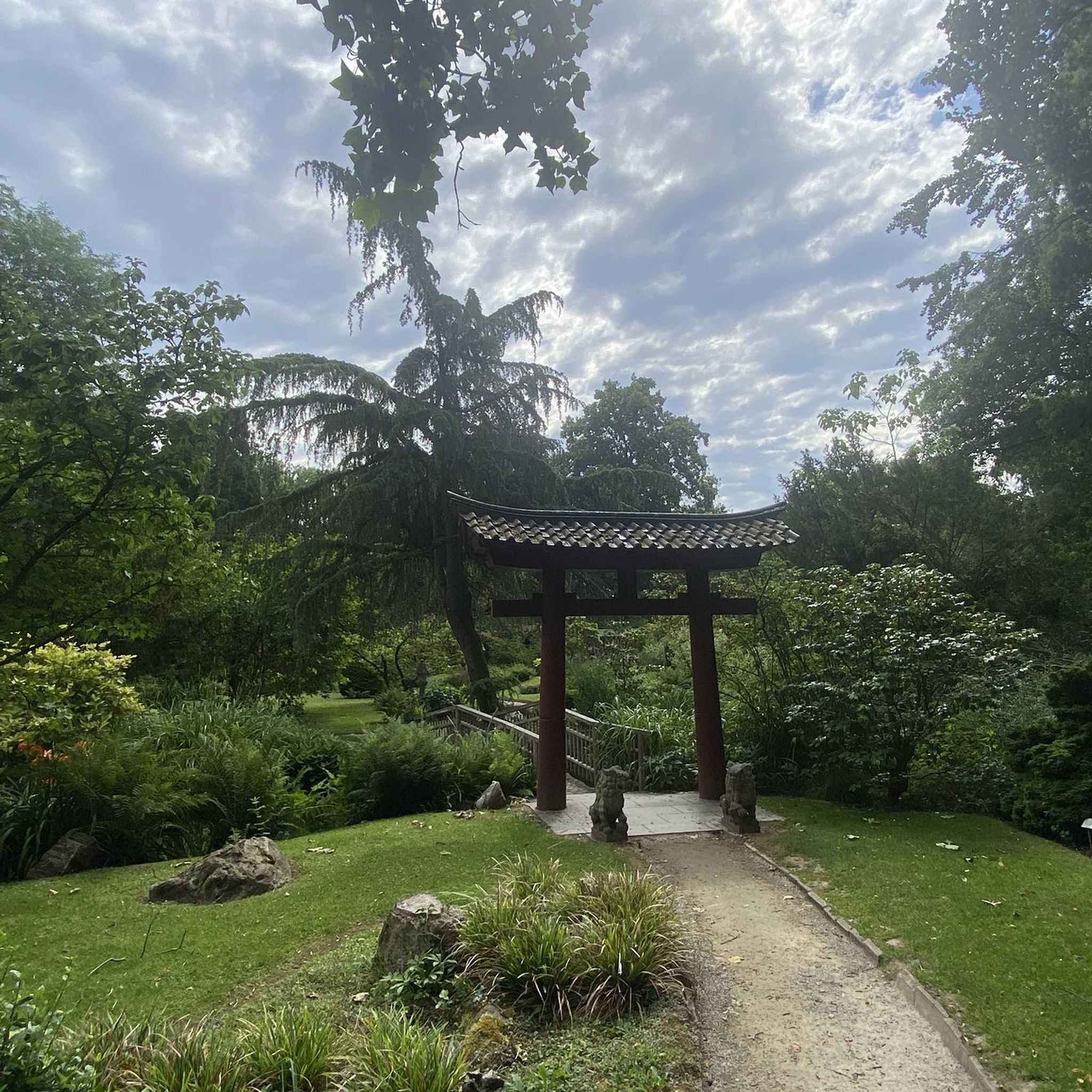


Tips from the Community

The site has a visitor reception centre opened in 2013, where some of the main objects found in the excavations can be seen, such as the sculpture of the Lady of Regina. The site is open to the public and offers a fascinating experience for lovers of history and archaeology.
4
0
The Roman city of Regina Turdulorum is located in the municipality of Casas de Reina, in the province of Badajoz. This archaeological site is one of the most important in Extremadura and was declared a Site of Cultural Interest in 2012. Regina Turdulorum reached its peak during the Flavian period, in the 1st century AD, when it acquired municipal status. The city was strategically located on the road that connected Augusta Emerita (Mérida) with Hispalis (Seville), which favoured its economic and social development.
4
0
The Alcazaba has its origins in Roman times, when the city of Regina Turdulorum was located in this area. However, the current fortress was built during the Almohad period in the 12th century. Later, in 1246, it was conquered by Ferdinand III and given to the Order of Santiago, becoming the head of an important commandery.
4
0
The Alcazaba de Reina is an impressive fortress located in the municipality of Reina, near Llerena, in the province of Badajoz. This fortress is located on top of Monte de las Nieves, at an altitude of about 825 metres, offering panoramic views of the Sierra Morena and the Llerena countryside.
4
0
The Hermitage of the Virgen del Ara, located in Fuente del Arco, Badajoz, is known as the “Sistine Chapel of Extremadura” due to its impressive mural paintings. This Mudejar-style temple is decorated with frescoes depicting scenes from Genesis, attributed to the school of the painter Francisco de Zurbarán. The hermitage is located in a privileged natural environment, surrounded by olive trees and at the foot of the Sierra Morena. It is a place full of mysticism and beauty, ideal for a cultural and spiritual visit.
4
0

Interior decoration with paintings on vault and walls. In addition to the natural environment in which it is located
0
0

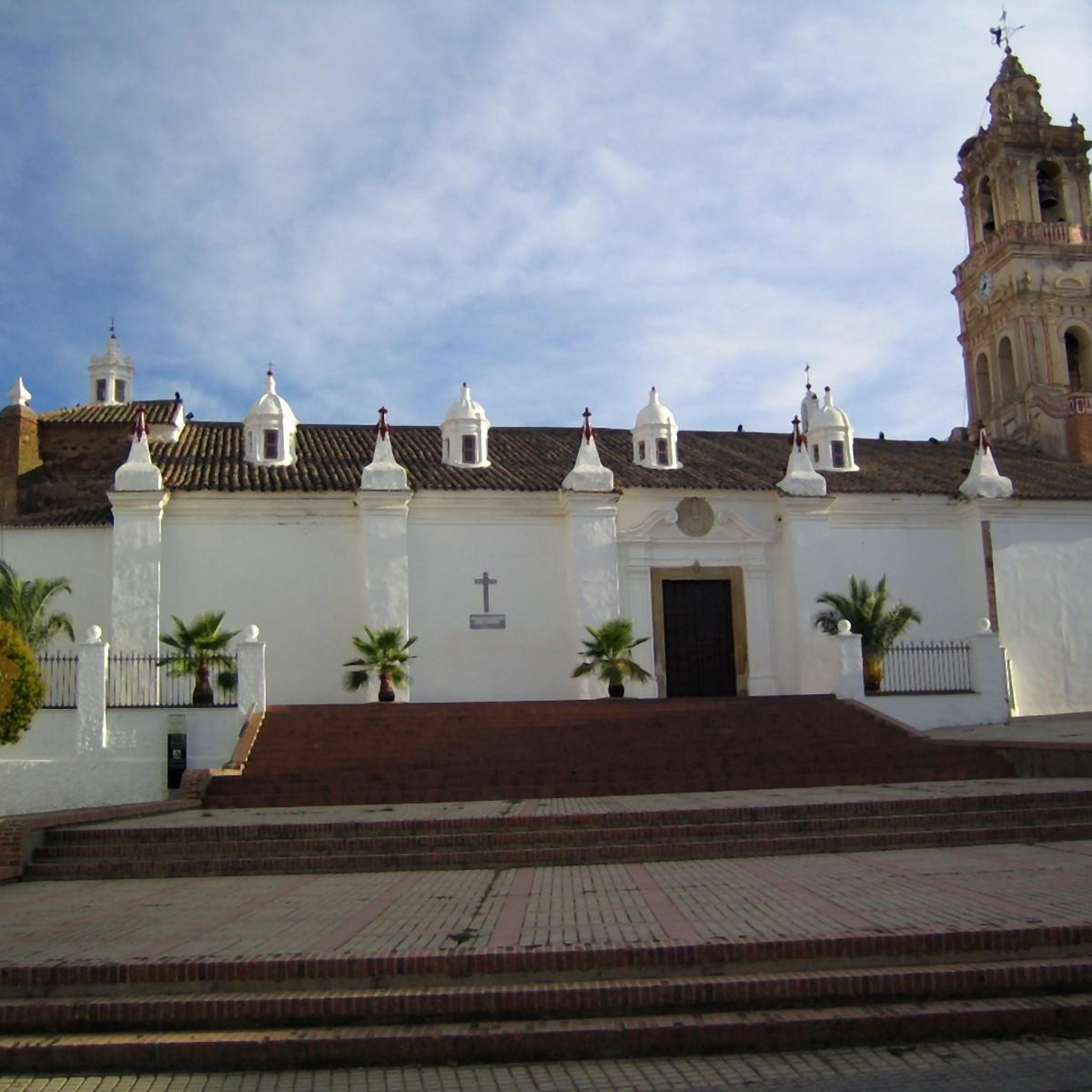
Baroque church of the eighteenth century. Opposite is a cozy square, where you can enjoy the terrace of a small bar.
2
0
16th century church worth visiting for its architecture and thousands of details. You have to be lucky to find the door open, but admiring it from the outside is also worth it, since it is the second largest church in the province, only surpassed by the Cathedral of Badajoz.
2
0
Frequently Asked Questions
How many hiking trails are available around Berlanga de Duero?
There are over 10 hiking routes available around Berlanga de Duero, offering a variety of experiences from easy strolls to more moderate traverses. The region features a blend of historical sites and natural landscapes.
What is the best time of year to go hiking in Berlanga de Duero?
The region is suitable for hiking throughout much of the year. Spring and autumn offer pleasant temperatures and vibrant landscapes, ideal for exploring the rolling hills and riverine environments. Summer can be warm, so early mornings or late afternoons are best. Winter hikes are also possible, offering a different perspective of the historical sites and natural settings.
What do other hikers say about the trails in Berlanga de Duero?
The hiking routes in Berlanga de Duero are highly rated by the komoot community, with an average score of 4.8 stars from over 8 reviews. Hikers often praise the blend of historical exploration with diverse natural landscapes, noting the expansive views and the integration of medieval landmarks.
Are there any family-friendly hiking routes in Berlanga de Duero?
Yes, there are several easy routes suitable for families. For example, the Miramontes Castle Loop is an easy 2.3-mile (3.7 km) trail that takes about an hour to complete, offering gentle terrain and views of the local castle. Another option is the Alcazaba de Reina and Regina Turdulorum Trail, an easy 3.0-mile (4.8 km) path combining historical sites with natural surroundings.
Can I bring my dog on the hiking trails in Berlanga de Duero?
Generally, dogs are welcome on most hiking trails in the Berlanga de Duero area. However, it's always recommended to keep your dog on a leash, especially in areas with livestock or protected wildlife, as the region is known for its biodiversity and Special Bird Protection Areas. Please ensure you clean up after your pet.
Are there circular hiking routes available in Berlanga de Duero?
Yes, there are several circular routes. The Miramontes Castle Loop is a popular easy option. Another is the Hiking loop from Berlanga, which is an easy 2.5-mile (4 km) trail. These loops allow you to start and end at the same point, making them convenient for exploration.
What kind of views can I expect on the hikes around Berlanga de Duero?
Hikers can expect diverse and panoramic views. Many trails offer expansive vistas across the Soria plateau, rolling hills, and riverine environments along the Escalote River. You'll also encounter historical landmarks like castles and watchtowers, providing scenic backdrops and cultural interest.
Are there any historical sites or landmarks to see while hiking in the area?
Absolutely. Berlanga de Duero is a Historic-Artistic Site. You can explore impressive historical landmarks such as Gormaz Castle, one of Europe's largest defensive constructions of the Late Middle Ages, and Berlanga Castle, with its medieval and Renaissance elements. Other points of interest include the Collegiate Church of Berlanga de Duero and the Mozarabic Chapel of San Baudelio in Casillas de Berlanga. You can also visit the Roman city of Regina Turdulorum.
Where can I find parking for the hiking trails in Berlanga de Duero?
Parking is generally available in or near the town of Berlanga de Duero, which serves as a common starting point for many trails. For specific routes, it's advisable to check the route details on komoot, as some trailheads might have designated parking areas in nearby villages or viewpoints. Street parking is often available in smaller towns.
Is public transport available to reach the hiking trails in Berlanga de Duero?
Public transport options to directly access specific trailheads outside of Berlanga de Duero may be limited. It is generally recommended to travel by car to reach the starting points of many hiking routes in the region. However, local bus services might connect Berlanga de Duero with larger towns, from which you could potentially access some trails.
Are there any easy hiking options for beginners in Berlanga de Duero?
Yes, there are several easy routes perfect for beginners. The Miramontes Castle Loop is a gentle 2.3-mile (3.7 km) trail. Another easy option is the Hiking loop from Berlanga, which is about 2.5 miles (4 km) long. These routes typically have minimal elevation gain and are suitable for a relaxed walk.
What are the typical durations for hikes around Berlanga de Duero?
Hikes in the area vary in duration. Easy loops like the Miramontes Castle Loop can be completed in about 1 hour. Moderate trails, such as the Sierra de Fuente del Arco Traverse Trail, which is 9.6 miles (15.4 km), typically take around 4 hours and 30 minutes. There are options for shorter excursions and longer, more challenging walks.
Are there any cafes or places to eat near the hiking trails in Berlanga de Duero?
Berlanga de Duero itself, with its historical Plaza Mayor, offers various establishments where you can find cafes, restaurants, and places to eat. While specific cafes might not be directly on every trailhead, the town serves as a central hub for refreshments before or after your hike. Smaller villages along some routes might also have local eateries.
Most popular attractions around Berlanga

Get inspired with the komoot mobile app


Explore more
Browse the best Hikes in other regions.
