The best running trails around Pescueza
5.0
(1)
79
runners
3
runs
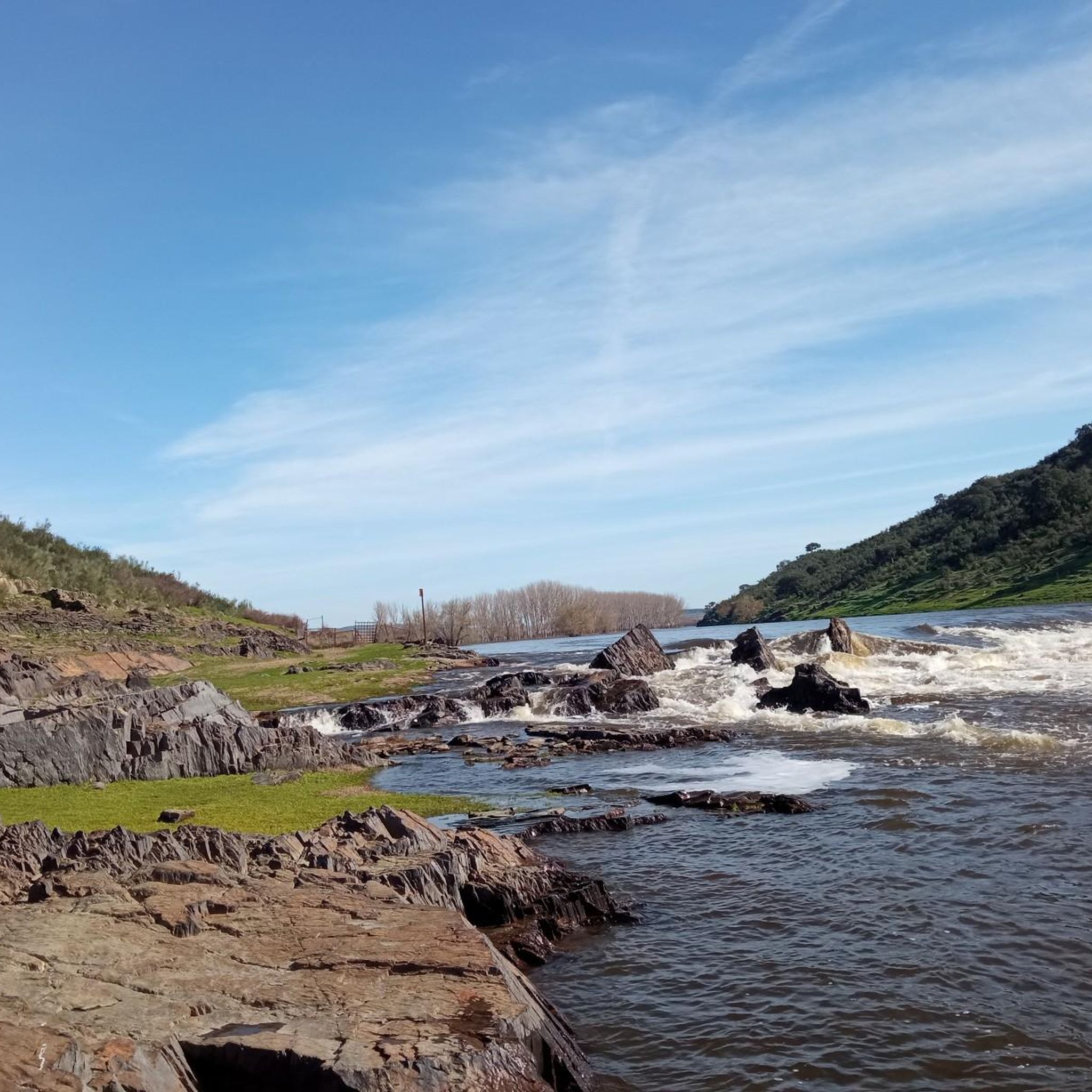
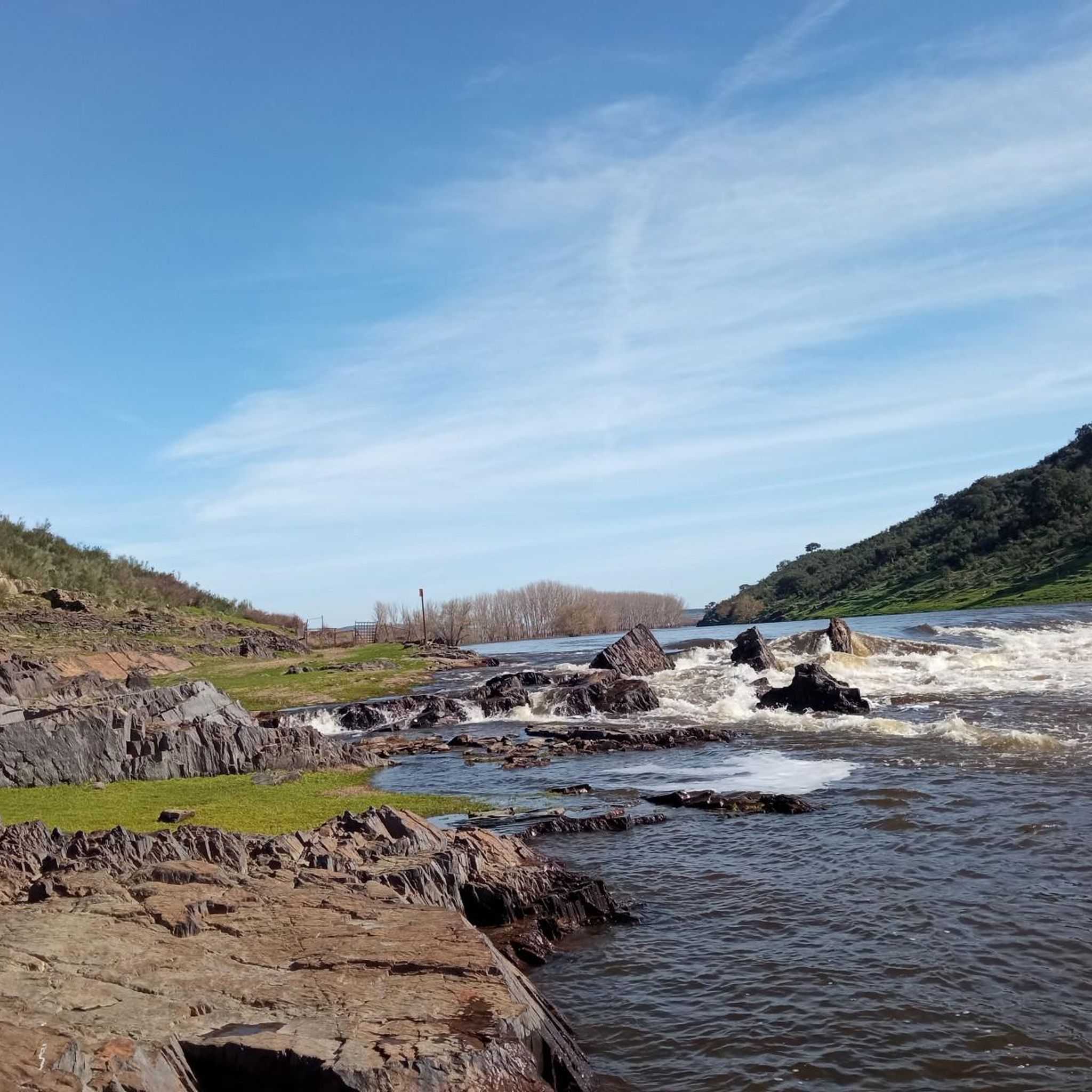
Jogging around Pescueza offers a serene and natural setting within the province of Cáceres, characterized by its well-preserved Extremaduran *dehesa*. This landscape features open spaces with scattered holm oaks and cork oaks over pastures, providing natural shade and gentle terrain. The region's network of accessible routes often follows ancient communication paths, leading through diverse flora and alongside features like the Alagón River.
Best jogging routes around Pescueza
- The most popular jogging route is Coria Castle and Cathedral – Medieval Bridge…
Last updated: June 27, 2026
5.0
(1)
19
runners
Moderate run. Good fitness required. Mostly accessible paths. Some sure footedness required.
18
runners
52.7km
06:57
1,490m
1,490m
Hard run. Very good fitness required. Mostly paved surfaces. Suitable for all skill levels.

Sign up for free
15
runners
8.65km
00:56
60m
60m
Moderate run. Good fitness required. Mostly paved surfaces. Suitable for all skill levels.
8
runners
16.3km
02:05
460m
460m
Hard run. Very good fitness required. Mostly paved surfaces. Suitable for all skill levels.
3
runners
18.4km
01:55
100m
100m
Hard run. Very good fitness required. Mostly paved surfaces. Suitable for all skill levels.
Our route recommendations are based on thousands of hikes, rides, and runs completed by other people on komoot.
Start today with a free account
Your next adventure awaits.
Login or Signup
Popular around Pescueza

Tips from the Community

Coria Castle is an imposing medieval fortress located in the upper part of Coria's historic center, very close to the Cathedral, and is one of the city's most prominent landmarks. It is integrated into the walled enclosure, forming part of the defensive complex of Roman origin. Main construction: between 1473 and 1478, commissioned by García Álvarez de Toledo, Marquis of Coria and Duke of Alba.
4
0

I don't know whose idea it was to restore the northwest tower so badly, a crime in plain sight... Today they are working on the "restoration" of the barbican. Alfonso II, in 877, failed to conquer the fortress of Portezuelo. In the month of July 997, when Almanzor crossed the Alconeter bridge and through Coria and the castle of Portezuelo he reached Santiago of Compostela. Conquered by Ferdinand II of León in 1166 and lost in 96. In 1219 Diego Sánchez, master of Alcántara, took it again: “he left Çamora with a large army against the Moors who still had much of Estremadura belonging to their conquest and the master with his knights and vassals joined the king in the city of Coria. From there the army left together and laid siege to a castle. called Portillo, which were a Sierra not far from Ceclavin. They beat him for combat and captured more than two hundred Moors in it." According to sources, the castle had an Arab and Christian population until 1386.
0
0
Cañaveral is a Spanish town and municipality, located in the province of Cáceres, in the autonomous community of Extremadura. Administratively, it is part of the judicial district of Cáceres and the community of Riberos del Tajo. It is located in the center of the province, north of the Tagus River, near a chain of mountain ranges that extend from the Monfragüe National Park.
2
0
The Iron Bridge in Coria is a beautiful civil work of metal architecture and nineteenth-century modernist design. It was built by the Asturian engineers D. Salvador and D. Próspero Ardura. The bridge stands over the Alagón River, connecting both banks in the City of Coria. Its total length is 178.30 meters, and its deck has a width of 7.78 meters, with a two-way road flanked by two sidewalks.
9
0
The Medieval Bridge of Coria is a historical structure that is located next to the main façade of the Monastery of San Juan Bautista or Corias. Its construction had the objective of connecting the monastery with the town of Corias. Although its foundations are believed to be of Roman origin, the bridge was rebuilt in 1571, as indicated by an inscription preserved on one of the stones of its parapet.
8
0
Founded before the Romans occupied the Iberian Peninsula, Coria was known as Cauria or Caurus. The Romans gave it its current Latin name, CAVRIUM. Later, he was granted Roman citizenship. In the Visigothic era, the Diocese of Coria was created, which maintained Coria as an episcopal see until the 20th century. After the Reconquista, Coria became the capital of a manor to which towns that still bear the name of Coria belonged, such as Guijo de Coria or Casillas de Coria.
8
0
Portezuelo Castle, also known as Marmionda Castle, is an ancient fortress located in the municipality of Portezuelo, in the province of Cáceres. The construction of the castle dates back to the 12th century. During this time, the Almohads invaded al-Andalus (1147), putting an end to the Almoravid empire. In 1167, the Christian king of León, Ferdinand II, conquered the castle and gave it to the Knights Templar. However, in 1196, the Almohads recovered it. Finally, in 1213, Alfonso IX of León definitively reconquered it and handed it over to the Order of San Julián del Pereiro, later known as the Order of Alcántara. Throughout its history, the castle underwent various renovations, the 16th century being the last of some importance. Unfortunately, it was abandoned in the second half of the 17th century.
8
0

Just up the hill from Arco you will find the Church of the Virgin of the Assumption. It is a pretty and well maintained little church with views over the valley and the village.
1
0
Frequently Asked Questions
What kind of landscape can I expect on running trails around Pescueza?
The running trails around Pescueza are characterized by the beautiful Extremaduran dehesa, an agro-silvopastoral system with scattered holm oaks and cork oaks over pastures. This provides open spaces with natural shade and a gentle terrain, ideal for jogging. You'll also find riverine landscapes, particularly along the Alagón River.
Are there any easy jogging routes suitable for beginners or a relaxed run?
While many routes offer varied terrain, the area around Pescueza is known for its gentle landscapes. The Coria Castle and Cathedral – Medieval Bridge of Coria loop from Coria is a moderate 5.2 km trail, offering a pleasant run with historical views. The Pescueza to Casillas de Coria path, mentioned in local research, is also described as low-difficulty and suitable for a relaxed pace.
Can I find routes that are suitable for families with children?
Yes, the low difficulty of many paths in Pescueza makes them suitable for families. Routes like the Pescueza to Casillas de Coria path, which is linear and about 5.8 km round trip, offer pleasant views and are easy to navigate, making them a good option for a family outing. The gentle terrain of the dehesa is generally welcoming for all ages.
What are some interesting sights or landmarks I might see while jogging near Pescueza?
As you jog, you can encounter several points of interest. Along the Alagón River, you might spot the historic Aceña de Tío Amancio or Aceña Morales, old watermills that add charm to the natural scenery. The Coria Castle and Cathedral – Medieval Bridge of Coria loop from Coria and Coria Castle and Cathedral – Puente de Hierro de Coria loop from Coria routes offer views of historical landmarks in Coria, including the Medieval Bridge of Coria and the Iron Bridge of Coria. The Castillo de Portezuelo loop from Portezuelo takes you near the impressive Castillo de Portezuelo.
Are there any circular running routes available?
Yes, there are several circular running routes. For example, the Coria Castle and Cathedral – Iron Bridge of Coria loop from Coria is an 18.4 km trail that forms a loop, offering varied terrain and river crossings. The Ruta de las Dehesas, starting from Pescueza's Plaza Mayor, is also an 11 km round trip route that traverses local pastures in a loop.
What is the best time of year to go jogging in Pescueza?
The best times to visit Pescueza for jogging are spring, autumn, and winter. During these seasons, the weather is generally mild and pleasant, making for comfortable runs. It's advisable to avoid the extreme heat of summer, which can make outdoor activities challenging.
What do other runners say about the trails in Pescueza?
The running routes in Pescueza are highly rated by the komoot community, with an average score of 5.0 stars from over 1 review. Runners often praise the serene natural setting, the gentle terrain of the dehesa, and the opportunities for birdwatching and enjoying diverse flora.
Are there any routes that pass by waterfalls or significant natural features?
While the primary landscape is the dehesa and riverine areas, the broader region does feature natural attractions. The El Chorrerón Waterfall and Stone Bridge is a notable natural highlight in the vicinity, offering a beautiful spot to visit after your run.
Are the running trails in Pescueza dog-friendly?
Pescueza's natural and open landscapes, particularly the dehesa, are generally welcoming for dogs. Many of the ancient paths and rural routes are suitable for running with your canine companion. However, it's always recommended to keep dogs on a leash, especially in areas with livestock or protected wildlife, and to respect local regulations.
Are there longer, more challenging running routes for experienced runners?
Yes, for experienced runners seeking a challenge, Pescueza offers longer and more demanding routes. The Castillo de Portezuelo – La Encamisá of Torrejoncillo loop from Valle de los Martellados is a difficult 52.7 km trail with significant elevation gain, providing a substantial workout. Another option is the Coria Castle and Cathedral – Iron Bridge of Coria loop from Coria, a difficult 18.4 km route.
Are there any routes that connect Pescueza to neighboring towns?
Yes, Pescueza is connected to neighboring towns via ancient paths. Routes towards Ceclavín (23 km round trip) and Acehuche (16 km round trip) offer opportunities to explore the native Extremaduran flora and fauna and discover points of interest in those respective towns. These routes provide a chance for longer, inter-town runs.
Where can I find parking near the running trails in Pescueza?
Many routes in Pescueza, such as the Ruta de las Dehesas and the Pescueza to Casillas de Coria path, start from the Plaza Mayor in Pescueza. Parking is generally available within the urban core of Pescueza, making it convenient to access these trails. For routes starting in other towns like Coria or Portezuelo, parking can typically be found near the starting points in those localities.
Most popular routes around Pescueza
Most popular attractions around Pescueza

Get inspired with the komoot mobile app


Explore more
Browse the best Running Trails & Routes in other regions.
