Top 18 Caves around Pedreguer
Best caves near Pedreguer offer a diverse range of subterranean experiences within the Marina Alta region. The area is characterized by its limestone geology, which has led to the formation of numerous caves and natural rock shelters. These natural features provide insights into geological processes and historical human activity. Pedreguer serves as a central point for accessing these notable underground sites.
Best caves around Pedreguer
- The most popular caves is Cave of the Skulls, a natural monument and historical…
Last updated: August 23, 2026
Cova Tallada (Cut Cave)
Highlight • Cave
Translated by Google •
Tip by

Coastal path to Cova Tallada and Torre del Gerro
Highlight (Segment) • Trail
Translated by Google •
Tip by
Sign up now to discover places like this
Get recommendations on the best single tracks, peaks, & plenty of other exciting outdoor places.
Sign up for free
Dark Cave
Highlight • Cave
Translated by Google •
Tip by

Forat de la Juvea
Highlight • Cave
Translated by Google •
Tip by

Entrance to the Dénia Castle Tunnel
Highlight • Cave
Translated by Google •
Tip by

Sign up for free to discover even more caves around Pedreguer.
Sign up for free
Already have an account?
Start today with a free account
Your next adventure awaits.
Login or Signup


Tips from the Community

The tunnel beneath Dénia Castle was built as an air-raid shelter for the civilian population during the Spanish Civil War between 1937 and 1938. It runs approximately 200 meters below the castle rock and connects the Ronda de las Murallas in the north with the Plaça del Consell in the city center. At the time, the tunnel offered protection from the air raids that plagued Dénia due to its strategic location on the Mediterranean coast. Today, it serves as a pedestrian connection between the two parts of the city and is also a historical monument. Inside, information panels and photographs commemorate its construction and wartime use. Access is free, and thanks to its consistently cool temperature, the tunnel is a popular passageway, especially on hot days, and a silent witness to Dénia's recent history.
7
0

A tunnel under Dénia Castle served as a shelter for enemy bombings during the Spanish Civil War in the late 1930s. To this day, the tunnel is still used to connect two parts of the city. (MUST GET OFF)
12
0

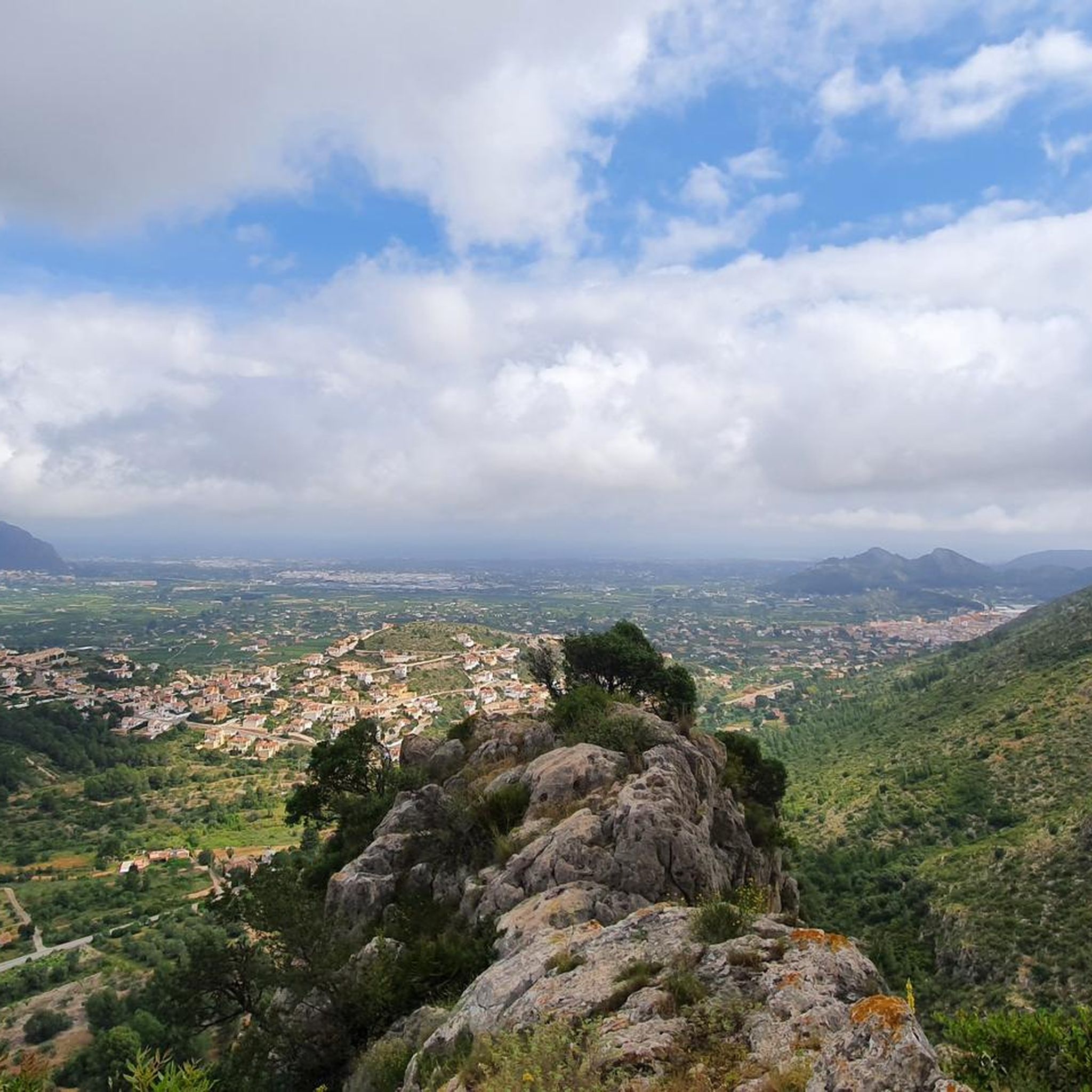
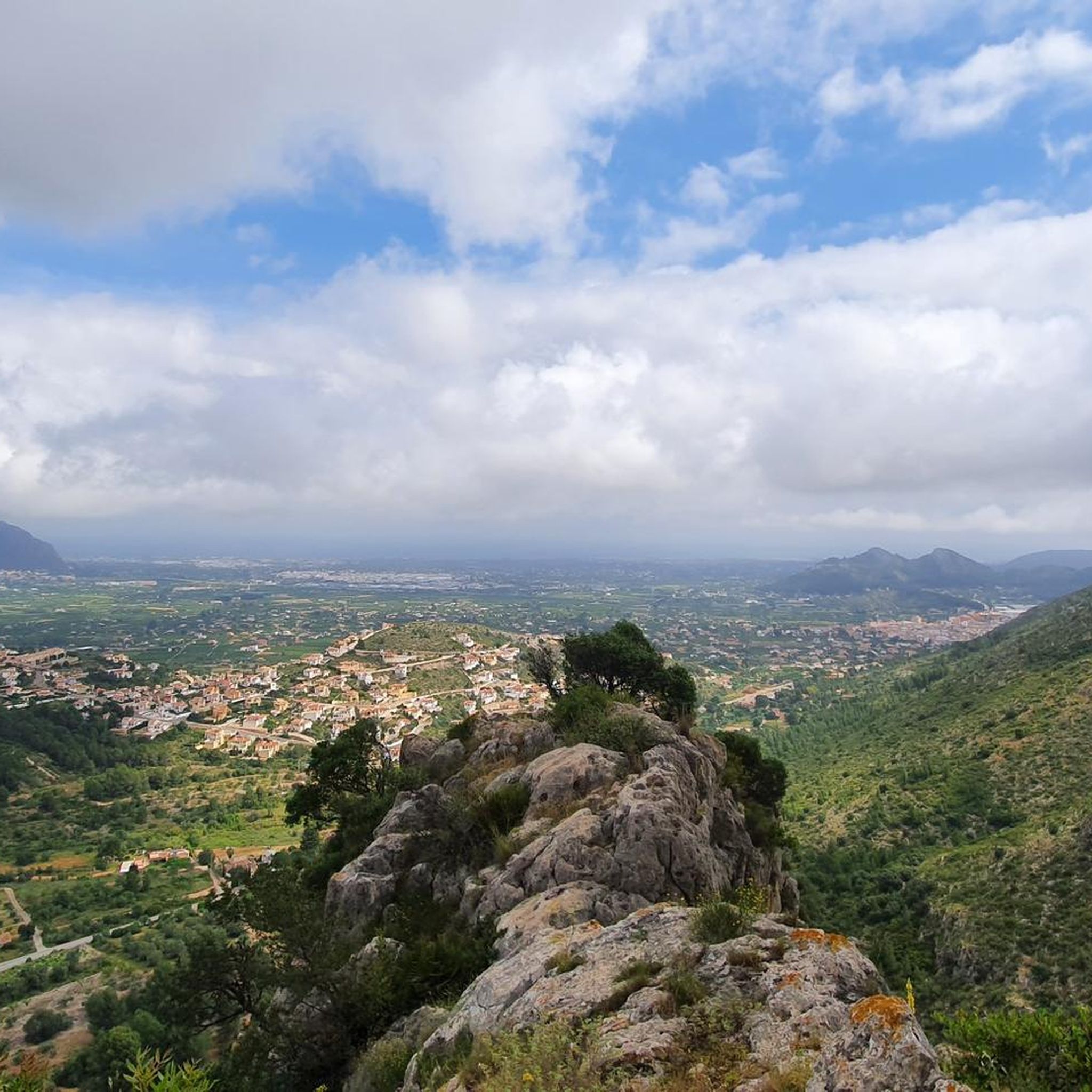
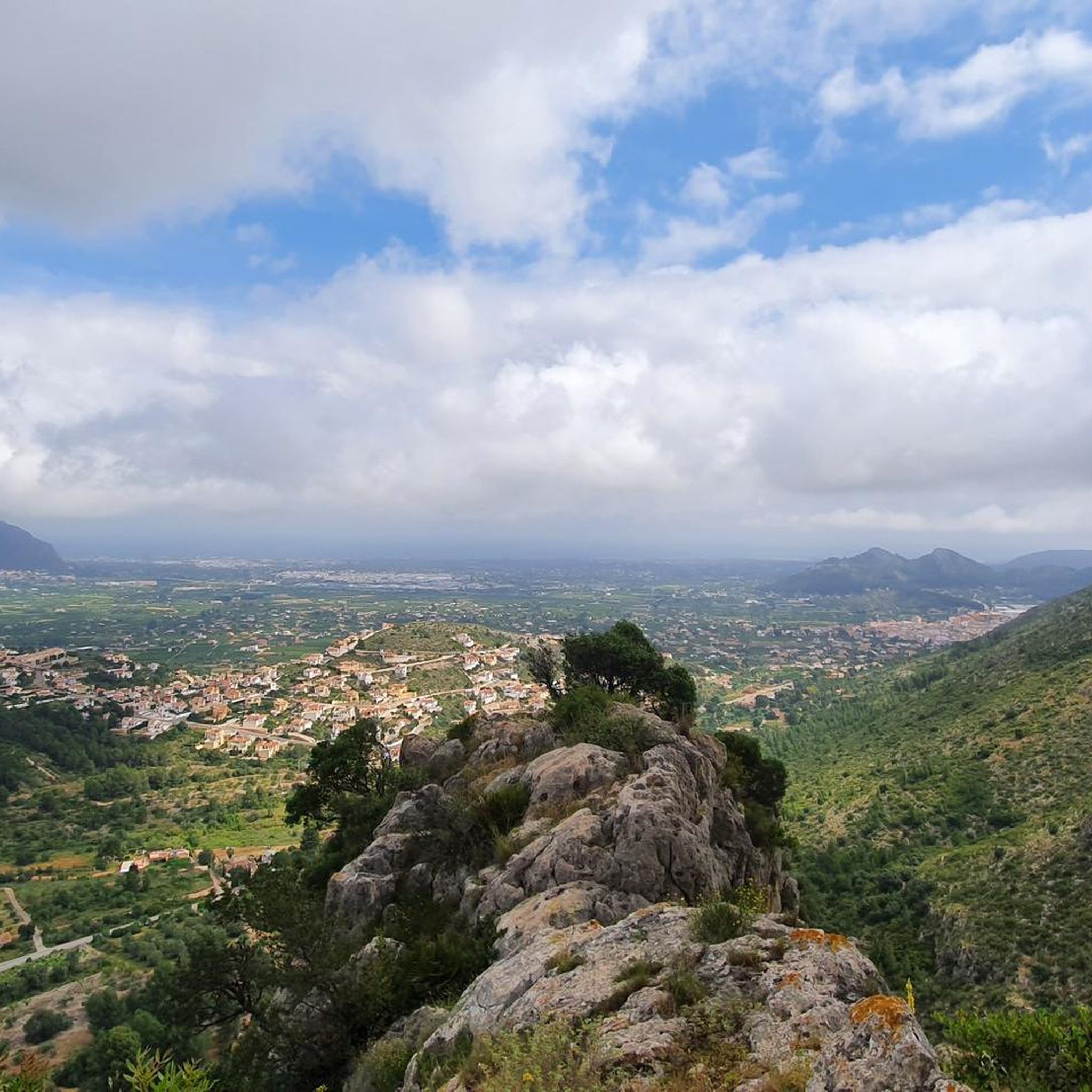
An approximately 1 km long area within the Sierra Segaria, which contains various caves - the Cova Fosca is of course the largest, most famous, and most spectacular!
1
0

One of the two entrances to the Castle Tunnel of Dénia
0
0

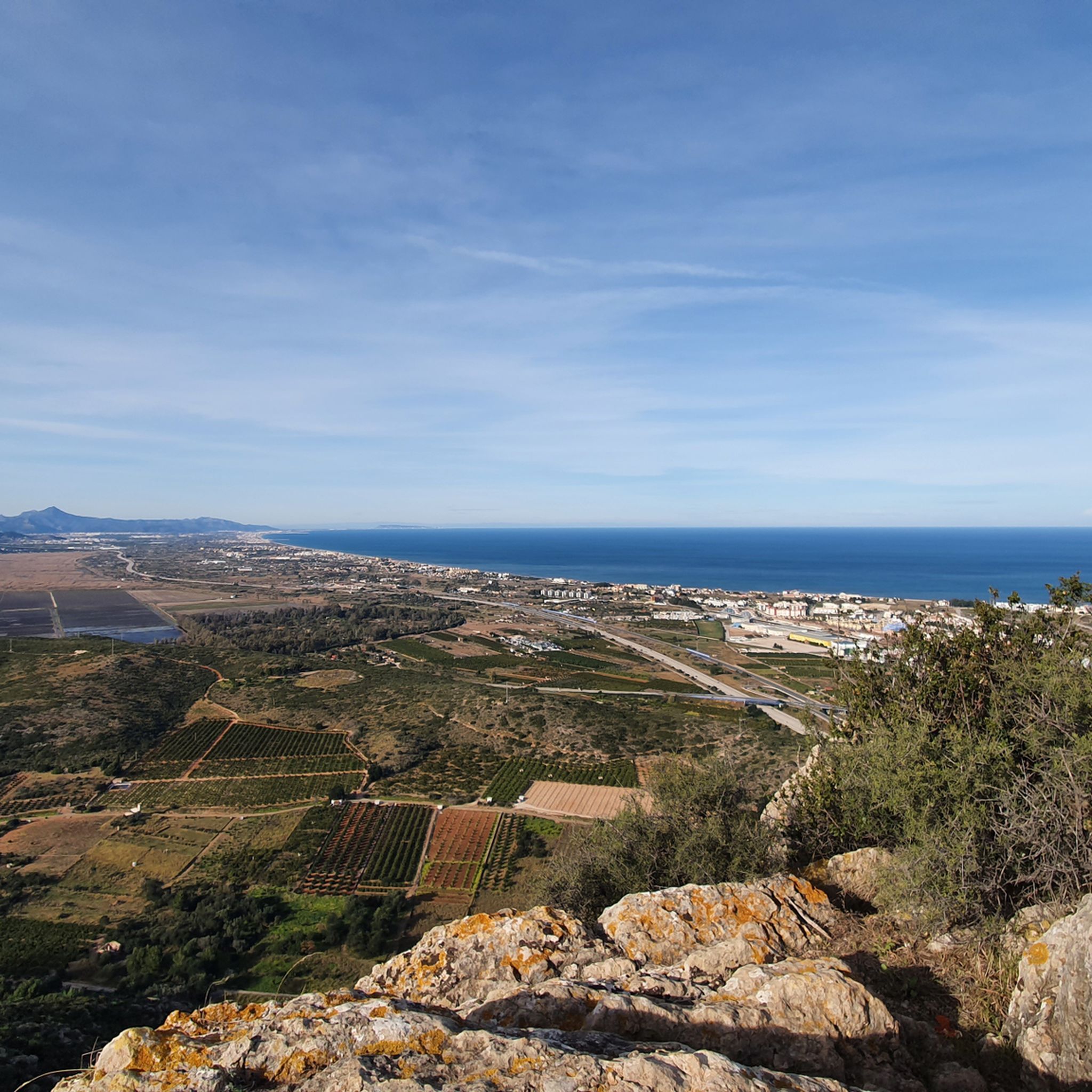
https://www.covatalladadenia.com/en/ The Cova Tallada is a natural jewel on the Costa Blanca. It is a cave at sea level that offers one of the most unforgettable views of nature. The spectacular cave, created by man in the XII-XIV centuries, makes this place a human masterpiece. In addition, the natural pool at the foot of the cave and the incredible arches make this place a must-see for everyone.
1
0

When the water level is high - especially at high tide - the cave cannot be entered. Unfortunately 😕 The cave is in the rock, but above it there is more or less solid rubble that could fall down - so be careful 🤕 The route to the cave and the cave are in a nature reserve, registration is required 🙂
2
2

Short video about my hike of this route could be found under the following link: https://www.youtube.com/watch?v=7ps67-1Q8vc
0
1
Short video about my hikes around this area could be found under the following links: https://www.youtube.com/watch?v=O44Xq6hudm8 https://www.youtube.com/watch?v=GWr6CrRNXL8 https://www.youtube.com/watch?v=v44NMToT9tA
1
0
Frequently Asked Questions
Which caves around Pedreguer are suitable for families with children?
The Cave of the Skulls (Cueva de las Calaveras) in Benidoleig is very family-friendly, featuring well-lit, leveled walkways suitable for strollers and people with reduced mobility. It also has amenities like a kids' play area. Another excellent option is the Cueva del Rull in Vall d'Ebo, which offers guided 45-minute tours through its beautifully preserved formations, making it ideal for families.
What is the best time of year to visit the caves near Pedreguer?
While any time of year is good to visit, the Cave of the Skulls is particularly ideal in summer, as it maintains a very cool temperature inside, offering a refreshing escape from the heat.
Are there any historical or archaeological caves in the region?
Yes, the Cave of the Skulls is highly significant, having been inhabited by early humans, including Neanderthals, over 50,000 years ago. Archaeological finds include Paleolithic tools and ancient animal remains. It was also used for fertility rites and as an ammunition dump during the Spanish Civil War. The Cova Tallada was historically used as a quarry between the 12th and 14th centuries.
What kind of geological formations can I expect to see in these caves?
You can expect to see impressive stalactites, stalagmites, and soaring domes, some reaching over 20 to 50 meters high, particularly in the Cave of the Skulls. The Cueva del Rull also boasts intricate stalactites, stalagmites, columns, and banderols. The Coves del Canelobre are known for their cathedral-like chambers and towering 70-meter-high vaults, featuring surreal formations like the iconic 'candelabra'.
How long does it typically take to explore the accessible caves?
A visit to the Cave of the Skulls can typically be completed in about an hour. The Cueva del Rull offers guided tours that last approximately 45 minutes.
Are there hiking trails that lead to or incorporate these caves?
Yes, the Cova Tallada is accessible by hiking from Les Rotes in Dénia. The Forat de la Juvea is part of a path through the mountain, offering a spectacular entrance into the environmental space of the Girona River. For more hiking options in the area, you can explore the Hiking around Pedreguer guide.
What should I wear or bring when visiting the more challenging caves?
For caves like the Dark Cave (Cova Fosca) or the Cova Tallada, which involve rocky paths, steep descents, and sometimes ropes or chains, good shoes with strong grip are a must. A head for heights is also recommended for challenging sections. For activities like caving or abseiling in Cova Fosca, it's advised to go with guides who have the necessary safety equipment.
Are there other outdoor activities available near the caves around Pedreguer?
Absolutely! The region offers a variety of outdoor activities. You can find numerous MTB Trails around Pedreguer, as well as diverse Road Cycling Routes. For those who prefer walking, there are many Hiking routes around Pedreguer, ranging from easy to difficult.
Is parking available at the main cave attractions?
Yes, the Cave of the Skulls in Benidoleig offers ample parking on site for visitors.
What makes the Forat de la Juvea a unique cave experience?
The Forat de la Juvea is special for its spectacular entrance into the environmental space of the Girona River. It's a natural hole that has been conditioned to allow a path through the mountain, and during the rainy season, a thirty-meter waterfall forms in the ravine nearby, adding to its dramatic appeal.
Can I access the Cova Tallada by means other than hiking?
Yes, the Cova Tallada is a sea-level cave, so it can also be accessed from the water, for example, by kayak. Guided kayak tours are available to explore this unique marine environment.
Most popular routes around Pedreguer
Most popular attractions around Pedreguer

Get inspired with the komoot mobile app


Explore more
Extend your search for the best caves by checking out these guides of the top ones around Pedreguer:
