Top 9 Lakes around Tella-Sin
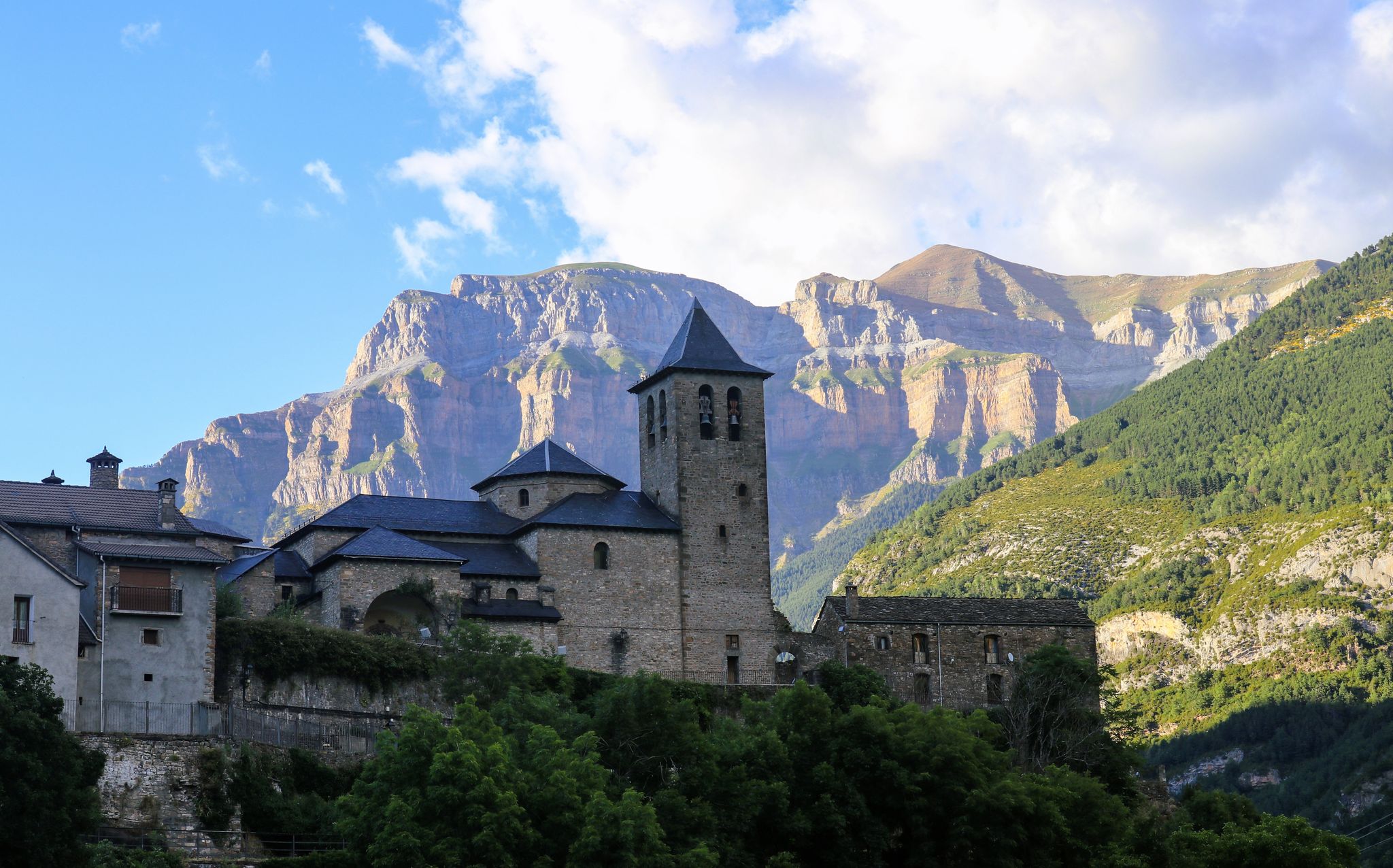
Lakes around Tella-Sin are situated within the Ordesa y Monte Perdido National Park, a UNESCO World Heritage site in the Huesca province of Spain. This region is characterized by its dramatic mountainous landscapes, glacial valleys, and diverse aquatic features. The area offers a variety of natural attractions, including high-altitude glacial lakes, rivers, and waterfalls. Tella-Sin itself is a municipality known for its natural setting within the Pyrenees.
Best lakes around Tella-Sin
- The most popular lake is Ibón of Plan (Basa…
Last updated: May 17, 2026
Ibón of Plan (Basa de la Mora)
Highlight • Lake
The name of Basa de la …
Translated by Google •
Tip by

Frozen mountain lake
Highlight • Lake
Translated by Google •
Tip by

Sign up now to discover places like this
Get recommendations on the best single tracks, peaks, & plenty of other exciting outdoor places.
Sign up for free
Tuquerouye Refuge / Tucarroya Refuge
Highlight • Mountain Hut
Translated by Google •
Tip by

Marboré Lake
Highlight • Lake
Translated by Google •
Tip by

Ibón del Sen
Highlight • Lake
Translated by Google •
Tip by

Sign up for free to discover even more lakes around Tella-Sin.
Sign up for free
Already have an account?
Start today with a free account
Your next adventure awaits.
Login or Signup
Other adventures around Tella-Sin

Tips from the Community

An open-sided refuge in very good condition for its altitude and geographical location. It has two areas: a dining and fireplace area with two large tables, and a bunk bed area. It is located in the Tucarroya Gap, on the border divide, north of Marboré Lake. The access channel can be difficult until well into the season due to the ice (45°C). The refuge is located in the Pyrenees, between the Spanish and French borders.
0
0

Despite being relatively easy to access, this beautiful lake located at 2300 m altitude is not one of the most visited in the Pyrenees. However, it stands out for being located in a very clear glacial cirque, with an almost perfect overexcavation basin. All Aragonese lakes are protected as they are included in the Inventory of Singular Wetlands, so any activity that could modify the quality of their waters is prohibited. While bathing is not specifically mentioned, it is understood that bathing with chemicals on the skin such as sunscreen, deodorants, perfumes or creams is negatively affecting the quality of the water, so it cannot be done. You can read the protection decree and the list of wetlands included here: aragon.es/-/humedales-de-aragon
0
0
Despite being relatively easy to access, this beautiful lake located at 2300 m altitude is not one of the most visited in the Pyrenees. However, it stands out for being located in a very clear glacial cirque, with an almost perfect overexcavation basin. All Aragonese lakes are protected as they are included in the Inventory of Singular Wetlands, so any activity that could modify the quality of their waters is prohibited. While bathing is not specifically mentioned, it is understood that bathing with chemicals on the skin such as sunscreen, deodorants, perfumes or creams is negatively affecting the quality of the water, so it cannot be done. You can read the protection decree and the list of wetlands included here: aragon.es/-/humedales-de-aragon
0
0

The Lac Glacé du Marboré is located at 2,590 meters in the Ordesa and Mont Perdu National Park. The lake owes its origin to a glacier that extended over the entire slope from the Astazou pass. In the heart of a mineral universe, this lake is at the foot of the mythical peaks of Mont Perdu, Cylindre du Marboré and Marboré, all of which culminate at more than 3,000 meters.
0
0

Refugee is really unique by his position, and remarkable views of the lake. Acces is steep, bit harder and have to be careful, but not impossible. It having: 12 beds, blankets, one sleeping bag, extra mat, lot of log's, fire place, 2 saw and 2 axe, it is 8 euro per person a day, what i was more then happy to pay, as something as that should be supported, after all it costs just to bring all those logs all the way up there. Plus there are lighters, bits of candles, some meals, and so on. Basically everything you may need to survive even the worse of the worse mountain conditions. Everyone is welcome, just drop by. No reservations needed. Don't listen to fake information, simply you can email them: clubalpin.lourdes@wanadoo.fr , they answer in a day confirming what I just said here. But what i can say, well done guy's you made it really well.
1
0
The ibón de Plan is popularly known as "Basa de la Mora" due to the local legend that tells how a Moorish princess came to this place fleeing the conflicts between Moors and Christians. The princess was lost and her spirit was trapped in the lake forever. Tradition has it that early in the morning of San Chuan (San Juan) those with a pure heart who wash their faces with the waters of the ibón can see the silhouette of the princess dancing with jewels and snakes. This myth is so ingrained in the popular culture of the Chistau valley that there is a saying that is still passed down from generation to generation that goes like this: "If ye que i puyas bela maitinada de San Chuan ta ibón and you don't bieses it, you will have to think about laba-te l'anima… it's only clean güellos, they can see the Moorish princess of the summits".
0
0

Starting point for the last stretch of ascent to Monte Perdido, the spittoon
2
1

The Ibón (mountain lake) Helado de Monte Perdido is located between the summits of Cilindro and Monte Perdido. It is the lake that is at the highest altitude in the Pyrenees, at almost 3000 meters. Being a lake of glacial origin, for a long time it was not known where the water drained to. The use of fluorescein, an orange-colored organic dye, revealed that the water traveled to the great Gavarnie waterfall through two kilometers of underground tunnels.
3
0
Frequently Asked Questions
What kind of natural features can I expect to see around the lakes near Tella-Sin?
The lakes around Tella-Sin are primarily high-altitude glacial lakes nestled within the dramatic Pyrenean landscape of Ordesa y Monte Perdido National Park. You'll encounter stunning mountain peaks, clear glacial cirques, and pristine waters. Beyond the lakes, the region features impressive river systems like the Cinca, spectacular waterfalls such as the Cola de Caballo, and deep canyons like Añisclo Canyon, all shaped by glacial activity.
Are there any lakes with unique historical or cultural significance near Tella-Sin?
Yes, Ibón of Plan, also known as Basa de la Mora, is steeped in local folklore. A captivating legend tells of a Moorish princess who drowned in its waters while fleeing Christian troops. It's said that on the night of San Juan, those with a pure heart who wash their faces in the lake may see her dancing on the surface.
What are some of the most scenic high-altitude lakes to visit?
For breathtaking high-altitude scenery, consider Marboré Lake, situated at 2,590 meters at the foot of peaks exceeding 3,000 meters, offering a truly mineral landscape. Another beautiful option is Ibón del Sen, located at 2,300 meters in a clear glacial cirque with an almost perfect basin.
Is swimming allowed in the lakes around Tella-Sin?
All Aragonese lakes, including those around Tella-Sin, are protected as part of the Inventory of Singular Wetlands. Activities that could modify the quality of their waters are prohibited. While specific bathing bans aren't always explicitly stated, it's understood that bathing with chemicals on the skin (like sunscreen, deodorants, or perfumes) negatively affects water quality and is therefore not permitted. Natural pools within rivers and canyons might offer opportunities for refreshing dips, but direct swimming in the protected glacial lakes is generally discouraged to preserve their pristine condition.
What is the best time of year to visit the lakes near Tella-Sin?
The best time to visit is typically from late spring to early autumn (May to October). During these months, the snow has largely melted, making trails to the high-altitude lakes accessible, and the weather is generally more favorable for hiking and outdoor activities. The lakes, especially glacial ones like Ibón of Plan, fill up after the winter thaw, showcasing their vibrant colors.
Are there family-friendly hiking options to reach any of the lakes?
While many high-altitude lakes require intermediate to challenging hikes, the region offers a variety of trails. For family-friendly options, you might find easier walks along river systems or to lower-altitude natural pools. For specific hiking routes around Tella-Sin, including some easy options, you can explore the Hiking around Tella-Sin guide.
What outdoor activities can I do near these lakes besides hiking?
Beyond hiking, the Tella-Sin area offers excellent opportunities for cycling. You can find various routes for road cycling, such as those detailed in the Road Cycling Routes around Tella-Sin guide, or explore touring bicycle routes in the Cycling around Tella-Sin guide. These routes often pass through scenic valleys and offer views of the surrounding natural beauty, including rivers and distant peaks.
What should I wear when hiking to the lakes in this region?
Given the high-altitude and mountainous terrain, it's essential to dress in layers. Even in summer, temperatures can drop quickly, especially at higher elevations. Bring waterproof and windproof outer layers, sturdy hiking boots, and sun protection (hat, sunglasses, sunscreen). Always check the weather forecast before heading out, as conditions can change rapidly in the Pyrenees.
Are there any less-visited lakes that offer a more tranquil experience?
Ibón del Sen, despite its relatively easy access compared to some other high-altitude lakes, is noted for not being among the most visited in the Pyrenees. This makes it an excellent choice if you're seeking a more tranquil experience amidst a beautiful glacial cirque.
What kind of wildlife might I encounter around the lakes?
The Ordesa y Monte Perdido National Park, where these lakes are located, is rich in biodiversity. You might spot Pyrenean chamois (rebeco), marmots, and various bird species, including impressive raptors like the bearded vulture (quebrantahuesos) soaring above the peaks. The pristine lake environments also support unique aquatic flora and fauna.
Can I find accommodation or places to eat near the lakes?
Directly at the high-altitude lakes, amenities are very limited or non-existent. However, the municipality of Tella-Sin and nearby towns in the Sobrarbe region offer various accommodation options, from hotels and guesthouses to rural cottages. You'll also find cafes and restaurants in these villages where you can enjoy local Aragonese cuisine after your excursions.
Most popular routes around Tella-Sin
Most popular attractions around Tella-Sin

Get inspired with the komoot mobile app


Explore more
Still not found your perfect lake around Tella-Sin? Check out the guides of these regions to see even more beautiful places.
