Attractions and Places To See around Cazalegas - Top 20
Best attractions and places to see around Cazalegas include a mix of natural landscapes and historical sites. The region features the Pantano de Cazalegas, a reservoir known for aquatic activities and its surrounding Ribera del Alberche, offering opportunities for walks and enjoying local flora and fauna. Cultural points of interest include the Iglesia parroquial de San Vicente Mártir and the Antiguo Convento, showcasing the town's heritage. This area provides diverse options for exploration, from scenic viewpoints to historical architecture.
Best…
Last updated: July 2, 2026
Talavera de la Reina
Highlight • Settlement
Among its monuments are …
Translated by Google •
Tip by

Castilla-La Mancha Bridge
Highlight • Bridge
Translated by Google •
Tip by
Sign up now to discover places like this
Get recommendations on the best single tracks, peaks, & plenty of other exciting outdoor places.
Sign up for free
El Salvador Meeting and Culture Center
Highlight • Religious Site
Translated by Google •
Tip by
Church of San Francisco
Highlight • Religious Site
Translated by Google •
Tip by
Reina Sofía Bridge
Highlight • Bridge
Translated by Google •
Tip by
Sign up for free to discover even more attractions around Cazalegas.
Sign up for free
Already have an account?
Start today with a free account
Your next adventure awaits.
Login or Signup


Other adventures around Cazalegas

Tips from the Community

The history of this bridge dates back to 1870, although its construction did not begin until the beginning of the last century, in 1904. Its inauguration in 1908 was a major milestone for the city, which saw its communications with the historic region of La Jara, Extremadura and Andalusia improve.
14
0
The new Talavera de la Reina cable-stayed bridge is an engineering prodigy, it is a world record in the type of cable-stayed bridges with a single mast in high-resistance prestressed concrete, with the highest inclined pylon in Europe. Its 152 stays and 192 meters make it the second highest cable-stayed bridge in Spain and the second in Europe. It is a display of national and international architecture.
12
0
It extends along the eastern bank of the Tagus River and is the second most populated municipality in the province and the fourth in Castilla-La Mancha. Among its monuments are the Basilica of Our Lady of the Prado, which houses what is today the patron saint of the city. It was called Queen of the Hermitages by Philip II, it is also called the Sistine Chapel of ceramics, because this colorful art shows here all its splendor from the 16th century to the present day. The style of its construction is a combination of Renaissance and Baroque, although it has undergone various restorations over the centuries. It was elevated to the dignity of Basilica in 1989 by Pope John Paul II. In the Church of Santa María La Mayor (La Colegial) you can admire its pure Gothic cloister, which was built around the year 1469. Its floor plan is rectangular, made up of three longitudinal naves and without a transept. In the years 1704 and 1705 the two upper sections of the Tower were added.
9
0

This bridge is not only the highest in Spain (and second in Europe) but also one of the most controversial. With a bill of 74 million euros to the public coffers and almost 30% more than cost, it is a symbol of the political irresponsibility and speculation that ran rampant in the 2000s in Spain. The ring road for which the bridge was built was completed in 2022, trying to silence the criticism that for years accused the bridge of not leading anywhere but, even so, it continues to be questioned by many if its low utility justifies the cost that it had and still has to maintain it.
7
0
San Francisco was another of the Talavera monasteries whose church is preserved, today a parish of the same name. In its place was the parish of Santa Leocadia, a 13th-century church that no longer exists. It is a church with three naves, the highest central nave, with five bodies joined by semicircular arches and a barrel vault. Outside, the factory is made of Mudejar style. It was declared a parish in 1821. Among its works of art, we must highlight the famous Via Crucis in ceramics by Francisco Arroyo. Inside the sacristy, the valuable Christ of the Agony made of ivory and almost a meter high was guarded.
33
1
The Church of El Salvador is one of the oldest parishes in the city. There is evidence of its existence since 1145. Its current coffered ceiling was built around 1570. It was a church rich in imagery from the 17th and 18th centuries. From the original church, its beautiful Mudejar-type apse is preserved. Castilians and Christians were judged in its atrium. The church ceased its activity in 1981 and, after 34 years of inactivity, reopened its doors in 2015 after a long restoration as a cultural center.
37
1
The history of this bridge dates back to 1870, although its construction did not begin until the beginning of the last century, in 1904. Its inauguration in 1908 was a milestone for the city, which saw its communications with the historic region of La Jara improve. , Extremadura and Andalusia.
32
1
The new cable-stayed bridge of Talavera de la Reina is an engineering prodigy, it is a world record in the type of cable-stayed bridges with a single high-strength prestressed concrete mast, with the highest inclined pylon in Europe.
13
1
Frequently Asked Questions
What natural attractions can I explore around Cazalegas?
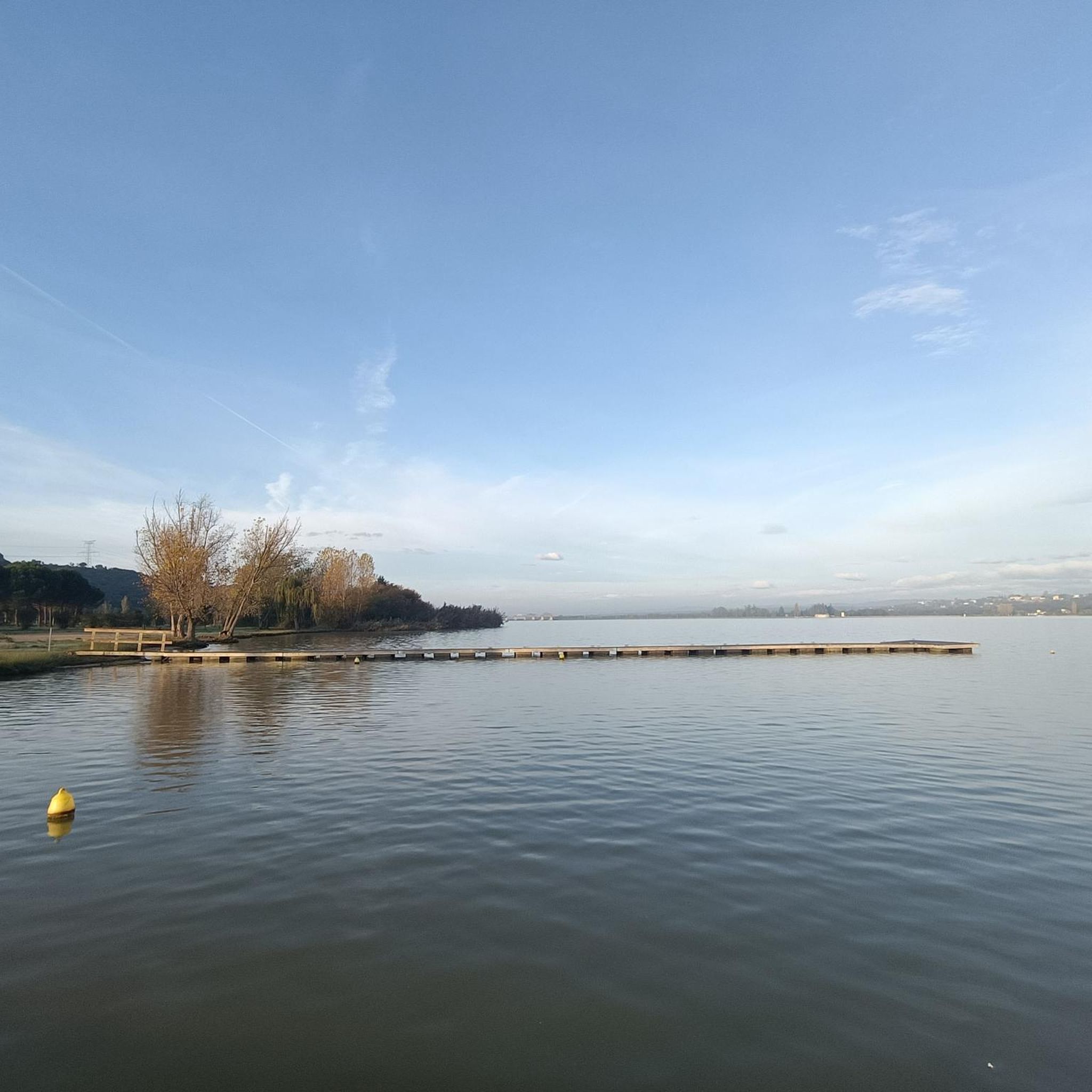
The most prominent natural attraction is the Pantano de Cazalegas (Cazalegas Reservoir), a hub for aquatic activities like sailing, windsurfing, and canoeing, and a popular spot for swimming and fishing. The surrounding Ribera del Alberche (Alberche Riverbank) offers tranquil walks amidst local flora and fauna. For panoramic views, visit the Mirador in Plaza del Caño, which overlooks the reservoir, Sierra de San Vicente, and Gredos mountains.
Are there historical or cultural sites to visit in Cazalegas?
Yes, Cazalegas features several historical and cultural points of interest. These include the Iglesia parroquial de San Vicente Mártir, a significant Mudéjar-style monument, and the Antiguo Convento with its well-preserved tower. Additionally, El Caño in Plaza de la Constitución, once a communal laundry area, offers a glimpse into the town's past.
What kind of outdoor activities are available near Cazalegas?
Beyond aquatic sports at the Cazalegas Reservoir, the region is excellent for various outdoor activities. You can find numerous hiking and cycling routes, such as the 'Ruta del Embalse' and 'Sendero del Río Alberche'. For more structured routes, explore options like Running Trails around Cazalegas, Gravel biking around Cazalegas, and Road Cycling Routes around Cazalegas.
Are there any family-friendly attractions in the area?
Many attractions around Cazalegas are suitable for families. The Pantano de Cazalegas is great for recreational activities like swimming and gentle water sports. The city of Talavera de la Reina, a short distance away, is also considered family-friendly with its historical sites and vibrant atmosphere. The Reina Sofía Bridge is also noted as a family-friendly spot.
What is the best time to visit Cazalegas for outdoor activities?
The summer months are ideal for enjoying the bathing and recreational areas of the Pantano de Cazalegas. For hiking and cycling, spring and autumn offer milder temperatures, making exploration of the natural landscapes more comfortable. The region's diverse ecosystem can be appreciated year-round, with different birds and wildlife visible throughout the seasons.
Where can I learn more about the local nature and environment?
The Centro de Interpretación de la Naturaleza (Nature Interpretation Center), located near the nursery and managed by the Tagus Hydrographic Confederation, provides information on various nature routes in the region. You can request details there to delve deeper into the local environment.
Are there any notable bridges or architectural marvels in the vicinity?
Yes, the area features impressive bridges. The Reina Sofía Bridge, inaugurated in 1908, significantly improved communications for the city. Further afield, the Castilla-La Mancha Bridge is an engineering marvel, recognized as the second highest cable-stayed bridge in Spain and Europe, with its single high-strength prestressed concrete mast.
What is special about the religious buildings in the area?
The region boasts several significant religious structures. The Church of San Francisco, originally the parish of Santa Leocadia, features a Mudejar-style exterior and houses notable works of art. The El Salvador Meeting and Culture Center, one of the city's oldest parishes dating back to 1145, preserves a beautiful Mudéjar-style apse and now serves as a cultural hub after extensive restoration.
Is Talavera de la Reina a recommended place to visit near Cazalegas?
Yes, Talavera de la Reina is a highly recommended nearby city. It is known for its rich history, vibrant pottery tradition (often called the 'Sistine Chapel of ceramics'), and significant monuments like the Basilica of Our Lady of the Prado and the Church of Santa María La Mayor. It has been named a World Heritage Site by UNESCO.
Are there any wheelchair-accessible attractions?
Yes, some attractions are noted for their accessibility. The Reina Sofía Bridge and the Castilla-La Mancha Bridge are both considered wheelchair-accessible, allowing visitors to enjoy these architectural landmarks.
What kind of wildlife can be observed around the Cazalegas Reservoir?
The diverse ecosystem around the Cazalegas Reservoir supports various wildlife. You can observe aquatic birds such as ducks, herons, and cormorants. Mammals like otters, wild boars, and rabbits also inhabit the area, making it an interesting spot for nature observation.
Most popular routes around Cazalegas

Get inspired with the komoot mobile app


Explore more
Still not found the Highlight you’re looking for? See guides of the top attractions in other regions:
